

- BGG rank
- BGG #1,476
- BGG rating
- 7.7
Wilderness War
- 1–2 players
- 180 min
- Complexity 3.3/5
- 2001
2026
Rules assistance for Hunt for Blackbeard
Plain-language explanations of turns, card effects and disputed situations, with official source references and saved question history.
For 2 players
What would you like to know?
Answers come from the official rulebook, with the page to check.
Hunt for Blackbeard is a board game released in 2026 for 2 players, 30–45 minutes per game, and ages 12 and up. It was designed by Volko Ruhnke and its main mechanics are Variable Player Powers, Dice Rolling, and Point to Point Movement.

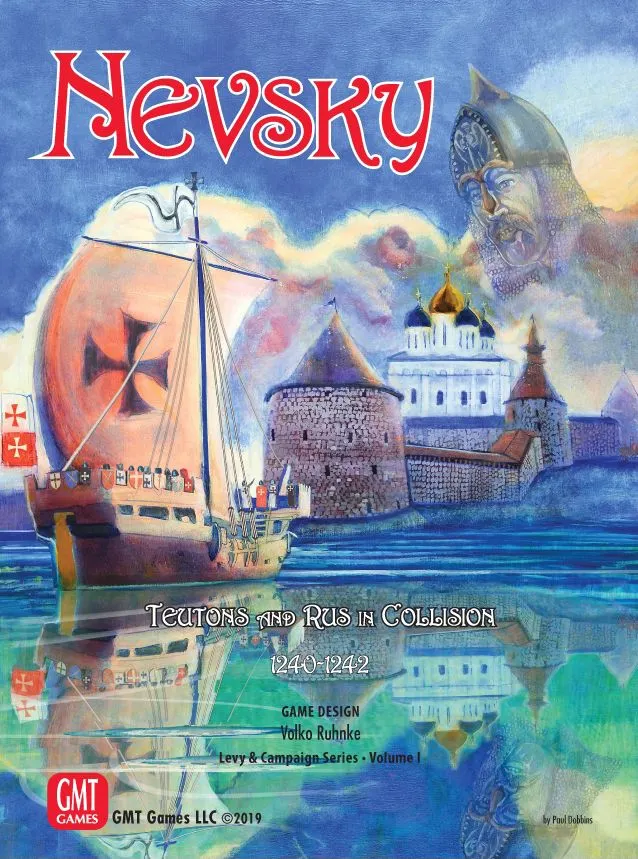




The Hunt for Blackbeard is on again. As Blackbeard, you must select your anchorage carefully, as you’ll need all your guile to survive. The hunters are coming — evade them, or prepare defenses and risk luring them in? As the Hunters, how long can you afford to press your stable of informants and arm your expedition? You know Blackbeard: he will not sit idle. His ambitions may expose him, but he is getting stronger day by day. How will you approach — a flushing strategy, or a precision strike? Be careful, as your quarry is apt to bite! Hunt for Blackbeard is a two-player boardgame that portrays the effort in 1718 by the colony of Virginia and the Royal Navy to track down the notorious pirate Blackbeard (Edward Thatch) as he sought refuge in colonial North Carolina. It features the historical events, places, and personages involved in Blackbeard’s demise 300 years ago, and the real-world challenges of “golden-age” piracy and pirate hunting. One player takes the role of Blackbeard and the other the pirate hunters. Blackbeard seeks to commit acts of piracy or to enjoy a pirate’s life while remaining free. The hunters try to discern Blackbeard’s plans to thwart his piracy. The game may end in a battle in which either the hunters capture Blackbeard or the pirate wins by seizing a hunters’ ship as his prize! In each of up to four turns, players draw secret tiles that gradually reveal opportunities for Blackbeard to pursue his piratical aims and for the hunters to interview informants who may know of Blackbeard’s whereabouts. The players next commit Action pawns behind their screens to prepare defenses, sail, scout, or plan piracy. Blackbeard then secretly records any changes to the information on the main map. As the hunters take their turn, they inspect markers on the map — often secretly — as they seek Blackbeard, his camp, or any wake of his passage. Blackbeard will not know how much the hunters have learned before they strike! Combat ensues if hunters catch up with Blackbeard’s sloop. If Blackbeard remains unchallenged at the right location, he carries out his piracy, placing gold cubes onto tiles among those drawn. Blackbeard can win through piracy while evading the hunters. But if a boarding action occurs, the winner automatically takes the game, enabling the pirate to win by girding for a fight and luring the hunters in. -extract from publisher description, with a correction from the designer
Hunt for Blackbeard supports 2 players according to the catalogue. This is the publisher’s listed player count, so the game is designed for exactly that number of participants. Variants for other group sizes, if any, are described in the rulebook of your edition, so check it before setting up a different configuration.
The listed playing time for Hunt for Blackbeard is 30–45 minutes. This is the publisher’s estimate for a full game. The actual duration depends on the group, the player count and familiarity with the rules: first sessions usually run longer, while experienced groups often finish faster. Setup and teaching time are not included in this estimate.
The catalogue lists Hunt for Blackbeard for ages 12 and up. This is the publisher’s recommendation and reflects reading demands, rule complexity and small components rather than theme alone. Younger players can often join with help from an adult, so check the age guidance on your edition and consider your group’s experience with board games.
Hunt for Blackbeard has a complexity rating of 2.5 out of 5 from BoardGameGeek players, which makes it a medium-light game. The rating reflects how much rules knowledge, planning and decision-making a typical game demands. Expect a longer first teach for heavier games, and use a preparation guide before game night.
Hunt for Blackbeard belongs to these categories: Fighting, Pirates, and Age of Reason. Its main mechanics are Variable Player Powers, Dice Rolling, and Point to Point Movement. Categories describe the theme and setting of a game, while mechanics describe what players actually do on their turns. Each mechanic links to a catalogue hub with similar games, which helps when you want something comparable.
The credited designers of Hunt for Blackbeard are: Volko Ruhnke. These credits come from the published game data and name the people responsible for the game’s design, not its illustrators or publishers. Designer pages on MeepleRules collect other titles by the same designers, which helps when you enjoy a game and want to find similar ones.
The catalogue lists Hunt for Blackbeard as a base game. It can be played on its own with the components in the box and does not require any other title. Expansions, if any exist, add new content or rules on top of it and are listed separately in the catalogue with a link back to this base game.