
- BGG rank
- BGG #4,701
- BGG rating
- 7.0
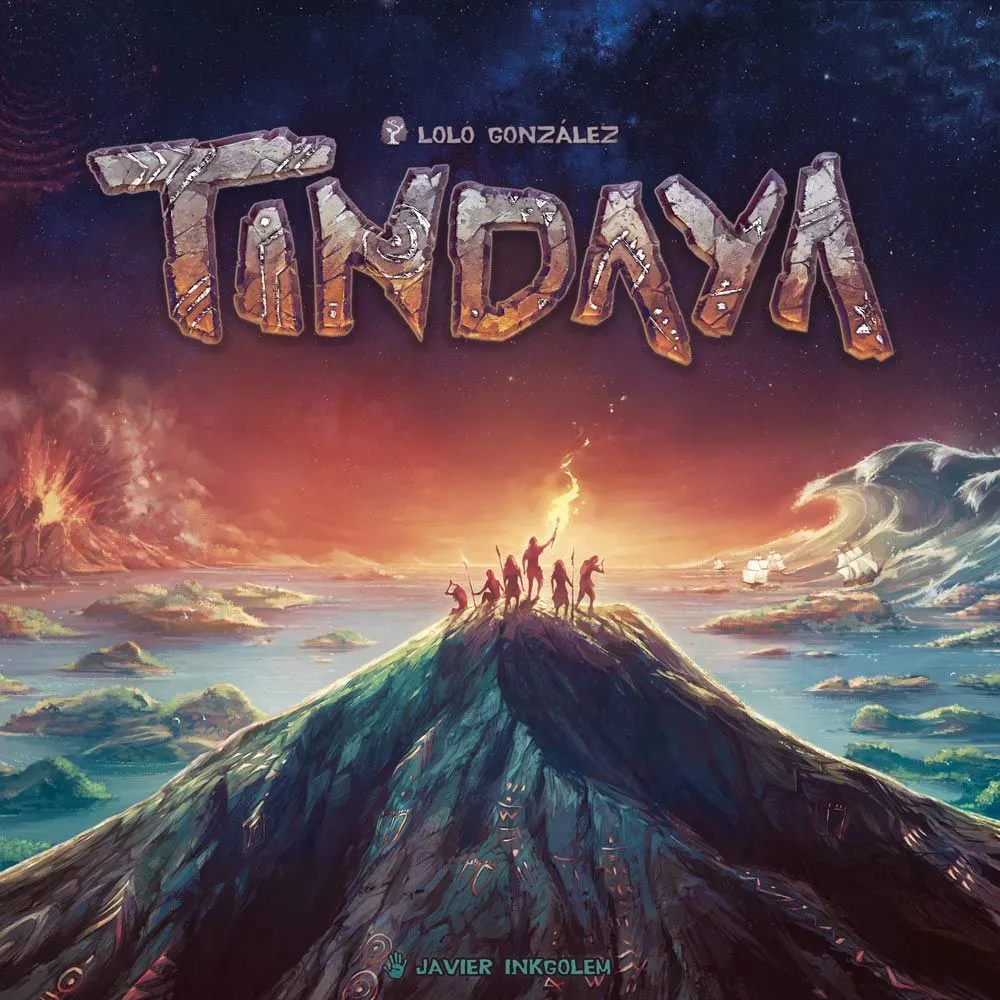
Tindaya
- 1–4 players
- 45–120 min
- Complexity 4.1/5
- 2022
2025
Rules assistance for Hydra
Plain-language explanations of turns, card effects and disputed situations, with official source references and saved question history.
What would you like to know?
Answers come from the official rulebook, with the page to check.
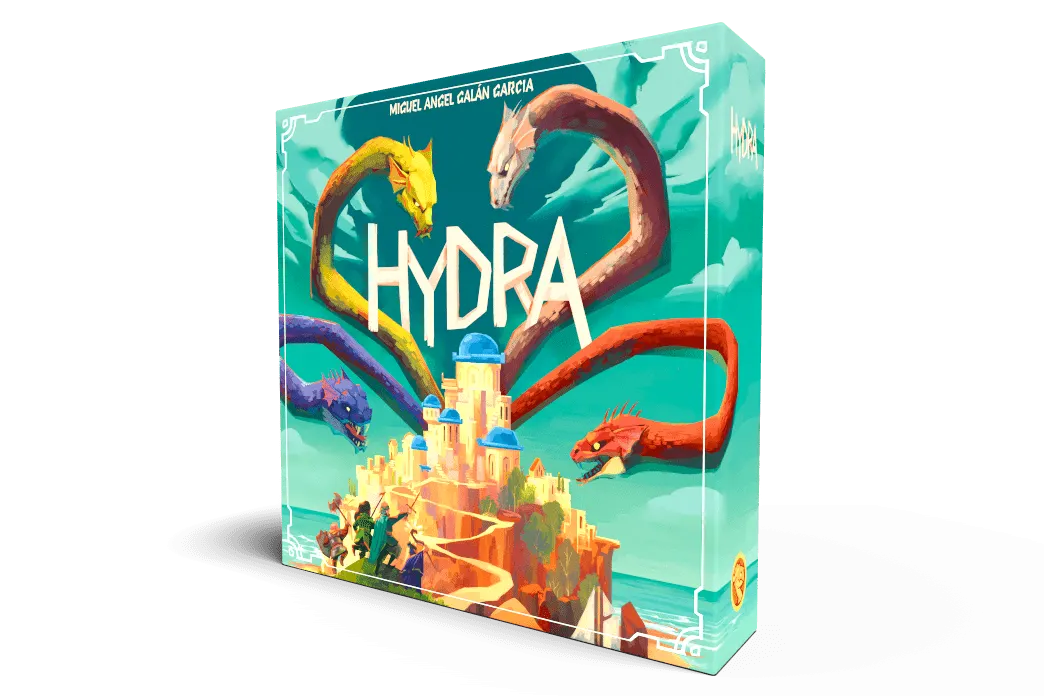
Hydra is a board game released in 2025 for 1–4 players, 30–60 minutes per game, and ages 8 and up. It was designed by Miguel Angel Galán Garcia and its main mechanics are Cooperative Game, Solo / Solitaire Game, and Turn Order: Stat-Based.




Countless ships dance on the waves in the harbor of Arizont as life pulses through the city streets. There‘s a bustling crowd, with people from all corners of the known world trading and haggling over exotic spices, foods, and other treasures. But this idyllic scene is deceiving, for doom is already awakening, as the next lunar eclipse is imminent. Far out in the Maelstrom, the Hydra rises from its deep slumber. Four necks stretch out, countless heads raise, hungrily targeting Arizont. The city walls, once proud and solid, tremble under the looming threat as the beast charges relentlessly. But this time, the story shall take a new turn. The Guild Council has sent out a call for aid in all directions, promising rewards of princely stature. Brave heroes have heeded this call. However, wealth and honor will be bestowed only upon those who can earn the city‘s admiration through courage and determination against the Hydra. Thus, you too have found your way to Arizont. Your hearts burn with resolve to protect the city and return with pockets full of gold. Together, you face off against the many-headed Hydra. But in this epic battle, each of you not only strives for the city‘s welfare, but also for the sole glory awarded to the triumphant victor in the end. Each of you will choose from available actions, block crucial cards with Action tokens, and formulate tactics - be it in combat against the Hydra, constructing defensive Barricades, or advancing into optimal attack positions. Yet, the Hydra retaliates, drawing insurmountable power from remaining action cards and the darkening moon. The city‘s fate is in your hands. By standing united, you‘ll be hailed as true heroes. But only the best among you will go down in the city‘s history as an epic hero, weighed in gold. Are you this much-sung hero? Will you stand shoulder to shoulder, only to stab your comrade in the back when it counts? Beware, for they too are waiting for that moment. —description from the publisher
Hydra supports 1–4 players according to the catalogue. This range comes from the publisher’s listed player count, so the game can be set up for any group size within it. Some setups, rules and scoring details may still vary by player count, so check your edition’s rulebook for the exact configuration.
The listed playing time for Hydra is 30–60 minutes. This is the publisher’s estimate for a full game. The actual duration depends on the group, the player count and familiarity with the rules: first sessions usually run longer, while experienced groups often finish faster. Setup and teaching time are not included in this estimate.
The catalogue lists Hydra for ages 8 and up. This is the publisher’s recommendation and reflects reading demands, rule complexity and small components rather than theme alone. Younger players can often join with help from an adult, so check the age guidance on your edition and consider your group’s experience with board games.
Hydra has a complexity rating of 2.3 out of 5 from BoardGameGeek players, which makes it a medium-light game. The rating reflects how much rules knowledge, planning and decision-making a typical game demands. Expect a longer first teach for heavier games, and use a preparation guide before game night.
Hydra belongs to these categories: Fantasy. Its main mechanics are Cooperative Game, Solo / Solitaire Game, and Turn Order: Stat-Based. Categories describe the theme and setting of a game, while mechanics describe what players actually do on their turns. Each mechanic links to a catalogue hub with similar games, which helps when you want something comparable.
The credited designers of Hydra are: Miguel Angel Galán Garcia. These credits come from the published game data and name the people responsible for the game’s design, not its illustrators or publishers. Designer pages on MeepleRules collect other titles by the same designers, which helps when you enjoy a game and want to find similar ones.
The catalogue lists Hydra as a base game. It can be played on its own with the components in the box and does not require any other title. Expansions, if any exist, add new content or rules on top of it and are listed separately in the catalogue with a link back to this base game.