

- BGG rank
- BGG #7,962
- BGG rating
- 7.0
Bismarck (Second Edition)
- 2 players
- 150–240 min
- Complexity 3.2/5
- 1978
2015
Rules assistance for Iron Bottom Sound III
Plain-language explanations of turns, card effects and disputed situations, with official source references and saved question history.
For 1 player
What would you like to know?
Answers come from the official rulebook, with the page to check.
Iron Bottom Sound III is a board game released in 2015 for 1–2 players. It was designed by Jack Greene and its main mechanics are Dice Rolling, Paper-and-Pencil, and Hexagon Grid.
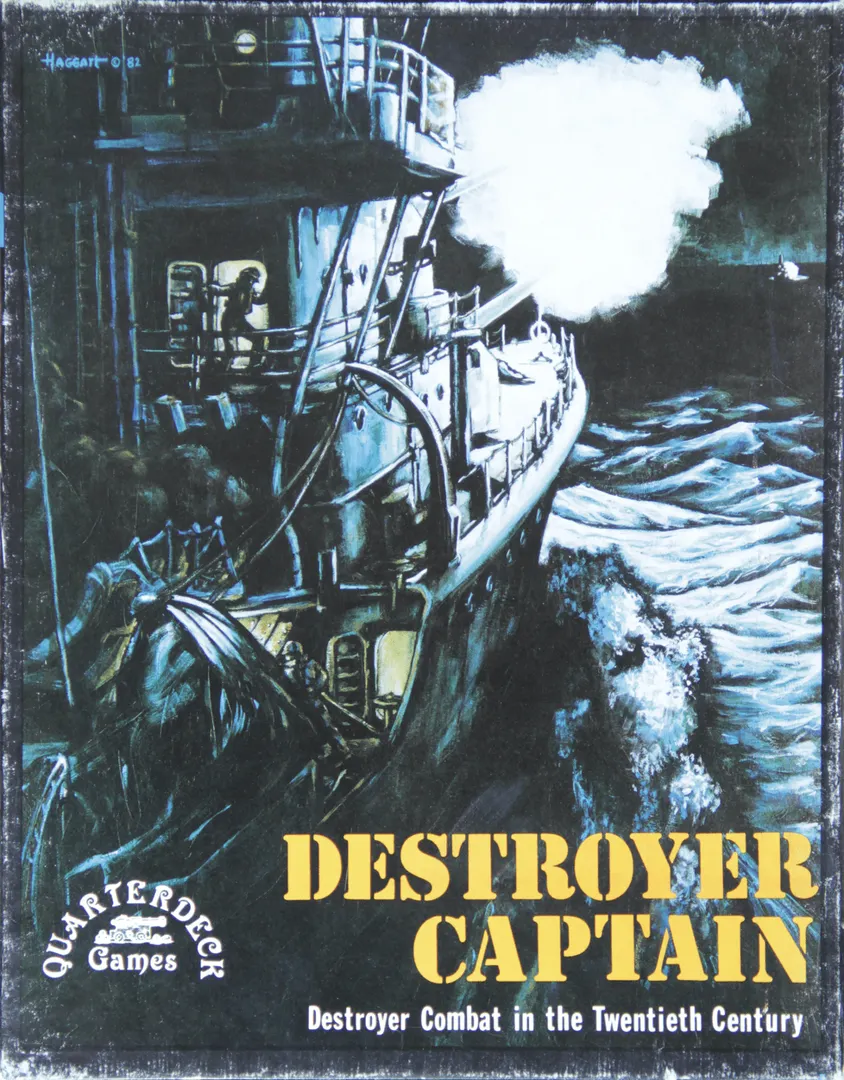
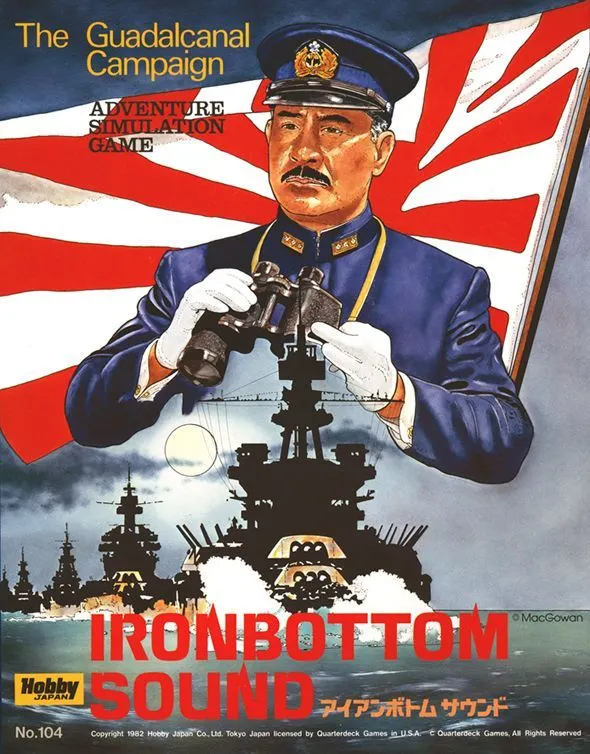
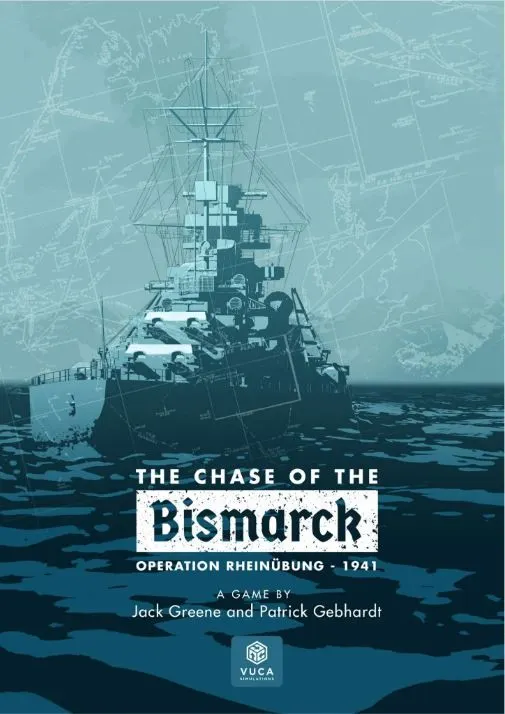

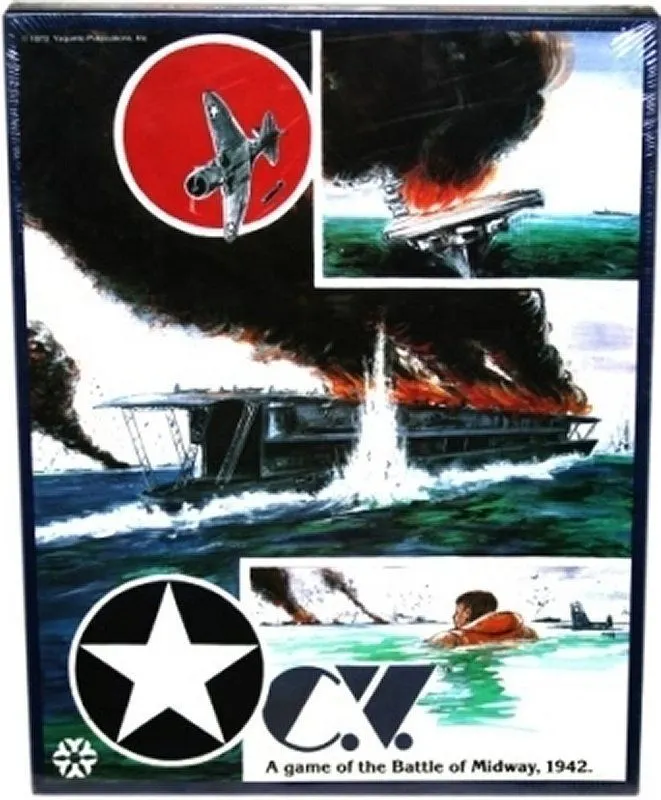
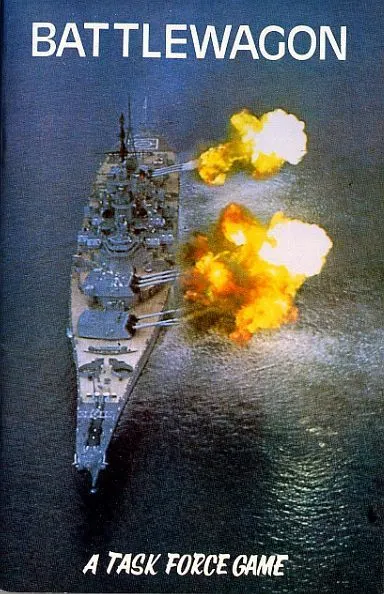




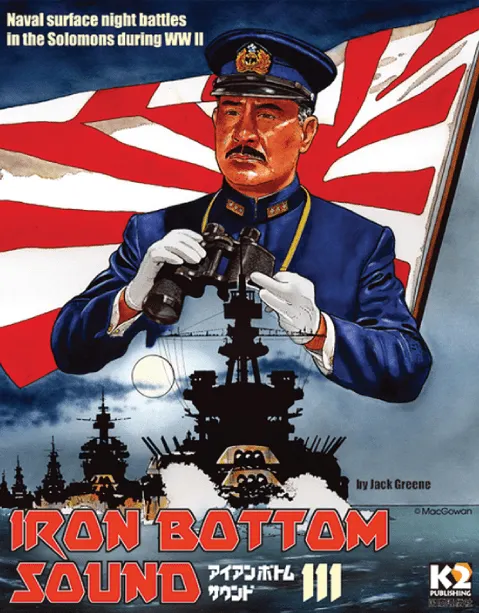
From the publisher Iron Bottom Sound III is a re-launch of Jack Greene’s award winning tactical naval combat game of the fighting in the Pacific in 1942-43. This game has been extensively updated from the original and includes twelve scenarios (and additional new rules) as well as additional ships for future scenarios to be made available on line at Quarterdeck International’s ConSim World (CSW) site. Iron Bottom Sound III includes corrected scenarios from earlier versions, several 1943 actions, one Channel action between the Brits and the Germans, as well as two revised 1928 hypothetical actions between American and Japanese battleships and battlecruisers. The Japanese and Germans have slightly higher Victory Point value as their loss is tougher on them than the Allies. This boxed bookcase style game (and a STOUT box at that!) weighing OVER a kilo contains the following components: One 22.5” x 22” dark blue MOUNTED map. Two cut out islands - one is Savo in the old traditional daylight hour’s style and Kolombangara in nighttime shades. Two FULL countersheets. The ship counters, in Japanese and English, have top views on one side and silhouettes on the reverse for player’s choice. No generic images either, but the ACTUAL ship is displayed. Two COLOR 11” x 17” combat charts, one in English, the other in Japanese. Two 32 page rulebooks with scenarios with one ONLY in English. They represent my gaming philosophy of BIG print, plenty of room between lines (translation: EASY TO READ) – and the rulebook portion INCLUDING all optional rules are only 17 pages. A 24 page “Ship Log” booklet with the scenario Roster Sheets for playing the scenarios in both English and Japanese, generic ship logs for making your own (as done in THE ROYAL NAVY) and a movement/attack log, all suitable for photocopying. Game counters include all the ships and EXTRA ones too. Also torpedoes, smoke screens (NEW), fires, decoys (NEW), wrecks, fired markers (NEW) and starshells are included. Ships included are the YAMATO, MUTSU, NORTH CAROLINA, COLORADO, the battlecruiser LEXINGTON and more.
Iron Bottom Sound III supports 1–2 players according to the catalogue. This range comes from the publisher’s listed player count, so the game can be set up for any group size within it. Some setups, rules and scoring details may still vary by player count, so check your edition’s rulebook for the exact configuration.
Iron Bottom Sound III has a complexity rating of 2.7 out of 5 from BoardGameGeek players, which makes it a medium-light game. The rating reflects how much rules knowledge, planning and decision-making a typical game demands. Expect a longer first teach for heavier games, and use a preparation guide before game night.
Iron Bottom Sound III belongs to these categories: Wargame, Nautical, and World War II. Its main mechanics are Dice Rolling, Paper-and-Pencil, and Hexagon Grid. Categories describe the theme and setting of a game, while mechanics describe what players actually do on their turns. Each mechanic links to a catalogue hub with similar games, which helps when you want something comparable.
The credited designers of Iron Bottom Sound III are: Jack Greene. These credits come from the published game data and name the people responsible for the game’s design, not its illustrators or publishers. Designer pages on MeepleRules collect other titles by the same designers, which helps when you enjoy a game and want to find similar ones.
The catalogue lists Iron Bottom Sound III as a base game. It can be played on its own with the components in the box and does not require any other title. Expansions, if any exist, add new content or rules on top of it and are listed separately in the catalogue with a link back to this base game.