

- BGG rank
- BGG #10,576
- BGG rating
- 6.8
Master of Economy
- 2–4 players
- 120 min
- Complexity 4.1/5
- 2010
1988
Rules assistance for James Clavell's Noble House
Plain-language explanations of turns, card effects and disputed situations, with official source references and saved question history.
What would you like to know?
Answers come from the official rulebook, with the page to check.
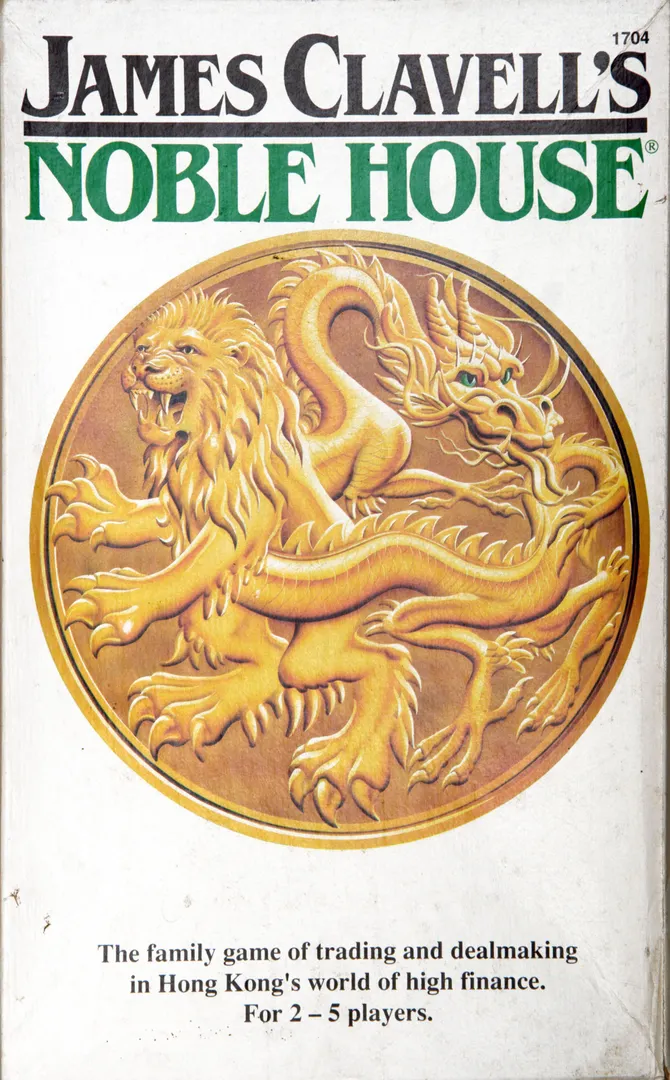
James Clavell's Noble House is a board game released in 1988 for 2–5 players, 180 minutes per game, and ages 12 and up. It was designed by L. Ross Babcock, III and its main mechanics are Trading, Auction / Bidding, and Commodity Speculation.





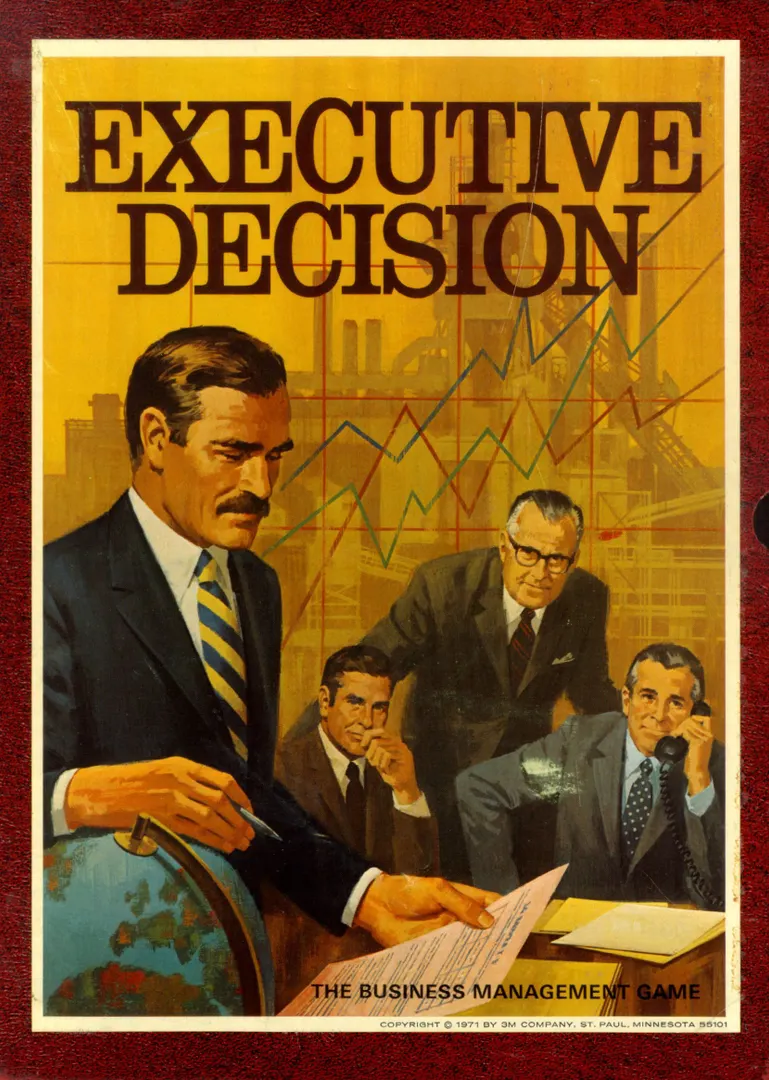
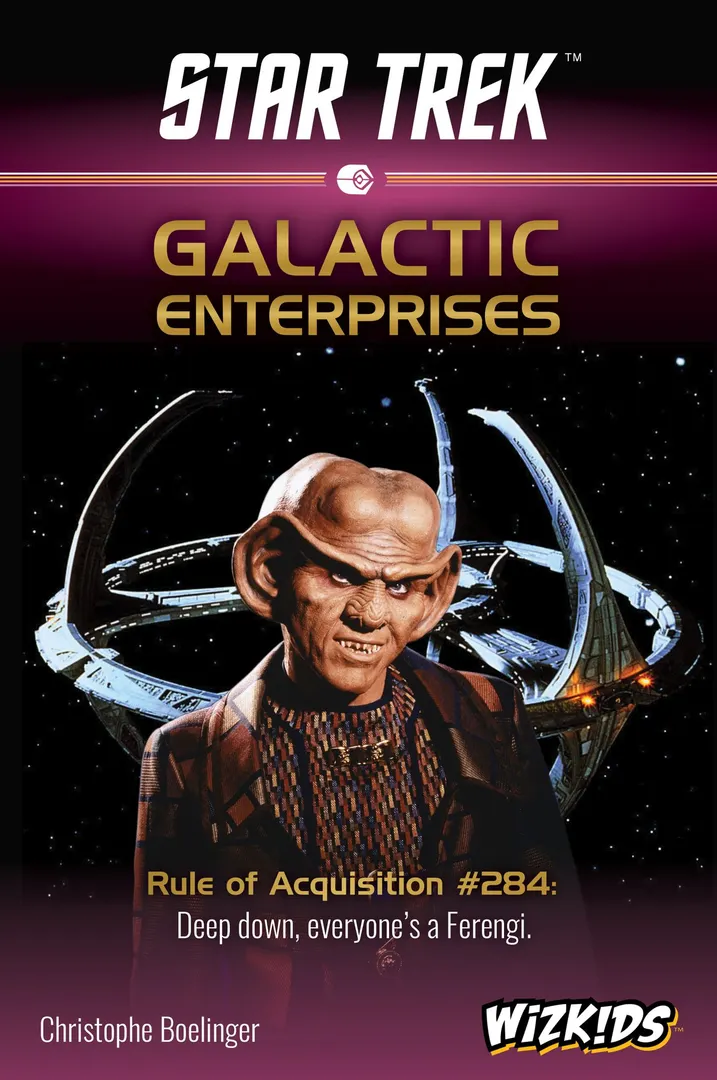

From the Publisher: Noble House is a game based on the novel by James Clavell. In this game, players take the part of the Tai-Pans of major corporations doing business in Hong Kong in the early 1960's, as portrayed in the Clavell book. Each player is head of a large business conglomerate and is striving to be the most influential and powerful leader in the Hong Kong business community. The route to power lies in the manipulations of the stock market, banks, and holding companies, and other typical corporate skull duggery. Synopsis of play: During a turn, players draw event cards, which can be used in many ways to affect one's own future, or the future of an opponent. Players then buy and sell stocks on a volatile stock market, which can fluctuate due to purchase and sale of stocks, failed contracts, or even loss of face (bad faith deals). Contracts are then announced, and if a player has sufficient assets, and can maintain those assets, lots of money can be made. Unfulfilled contracts go up for a general bid amongst the players. Players can then attempt to acquire loans from 3 Hong Kong banks, but, if the Bank Directors, or their proxies, so vote, a player can simply be denied a loan. Furthermore, bank directors, in the person of voting cards held by players, can call in outstanding loans, which must be immediately paid. Players now purchase various assets, such as airlines, railroads, shipping lines, industry, land, and human services, which the player must have to fulfill contractual obligations. Players can buy their own assets, or even lease them from other players. All possible wheeling and dealing is allowed, and no one is ever required to keep his or her end of a bargain. Lastly, if a player's stock falls far enough, and they have been unfortunate enough to lose enough of their own "voting" stock, they can be voted out of the game, which will end the game at the end of that phase. Otherwise, the game ends on the turn when the last event card is drawn.
James Clavell's Noble House supports 2–5 players according to the catalogue. This range comes from the publisher’s listed player count, so the game can be set up for any group size within it. Some setups, rules and scoring details may still vary by player count, so check your edition’s rulebook for the exact configuration.
The listed playing time for James Clavell's Noble House is 180 minutes. This is the publisher’s estimate for a full game. The actual duration depends on the group, the player count and familiarity with the rules: first sessions usually run longer, while experienced groups often finish faster. Setup and teaching time are not included in this estimate.
The catalogue lists James Clavell's Noble House for ages 12 and up. This is the publisher’s recommendation and reflects reading demands, rule complexity and small components rather than theme alone. Younger players can often join with help from an adult, so check the age guidance on your edition and consider your group’s experience with board games.
James Clavell's Noble House has a complexity rating of 2.7 out of 5 from BoardGameGeek players, which makes it a medium-light game. The rating reflects how much rules knowledge, planning and decision-making a typical game demands. Expect a longer first teach for heavier games, and use a preparation guide before game night.
James Clavell's Noble House belongs to these categories: Economic, Negotiation, and Novel-based. Its main mechanics are Trading, Auction / Bidding, and Commodity Speculation. Categories describe the theme and setting of a game, while mechanics describe what players actually do on their turns. Each mechanic links to a catalogue hub with similar games, which helps when you want something comparable.
The credited designers of James Clavell's Noble House are: L. Ross Babcock, III. These credits come from the published game data and name the people responsible for the game’s design, not its illustrators or publishers. Designer pages on MeepleRules collect other titles by the same designers, which helps when you enjoy a game and want to find similar ones.
The catalogue lists James Clavell's Noble House as a base game. It can be played on its own with the components in the box and does not require any other title. Expansions, if any exist, add new content or rules on top of it and are listed separately in the catalogue with a link back to this base game.