

- BGG rank
- BGG #6,033
- BGG rating
- 6.5
Conquistador: The Age of Exploration – 1495-1600
- 1–5 players
- 360–420 min
- Complexity 3.2/5
- 1976
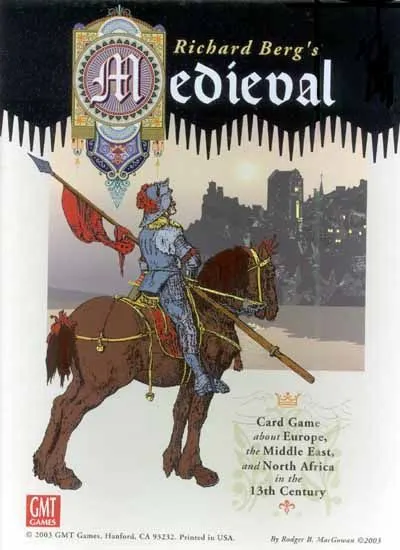
2003
Rules assistance for Medieval
Plain-language explanations of turns, card effects and disputed situations, with official source references and saved question history.
For 3 players
What would you like to know?
Answers come from the official rulebook, with the page to check.
Medieval is a board game released in 2003 for 3–5 players, 120 minutes per game, and ages 12 and up. It was designed by Richard H. Berg.

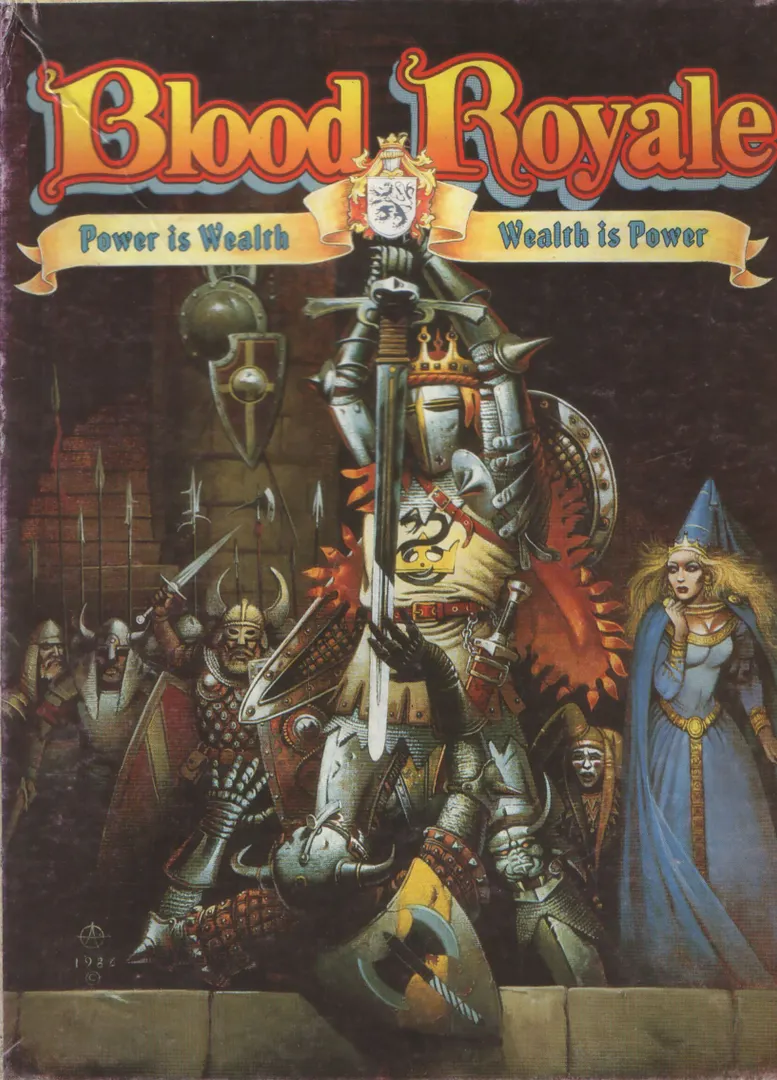
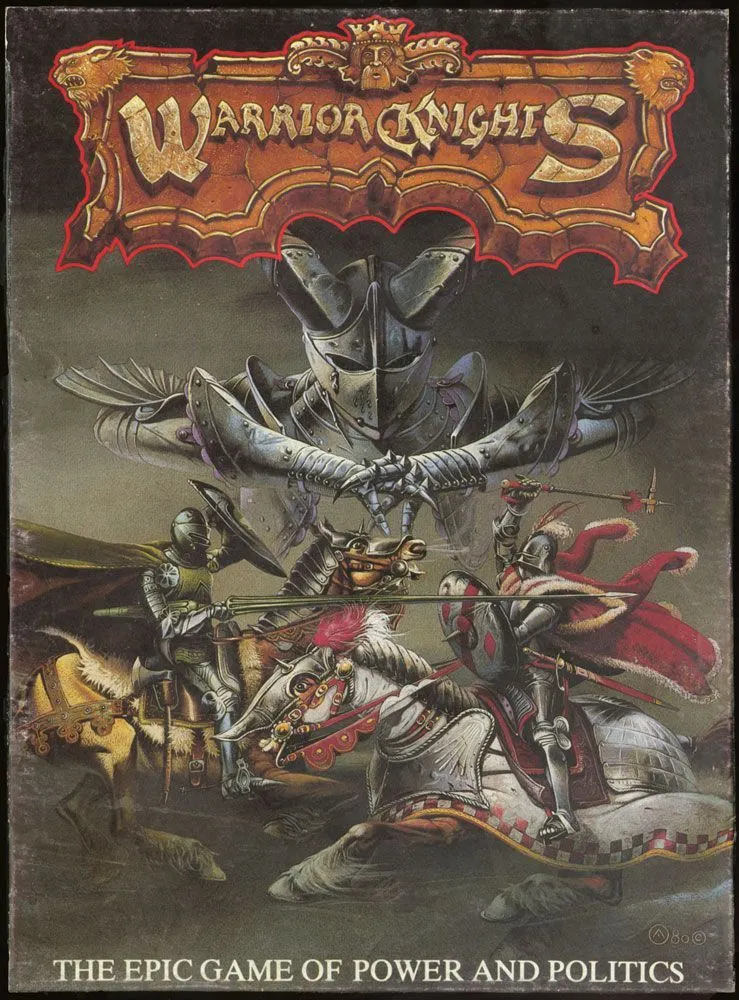
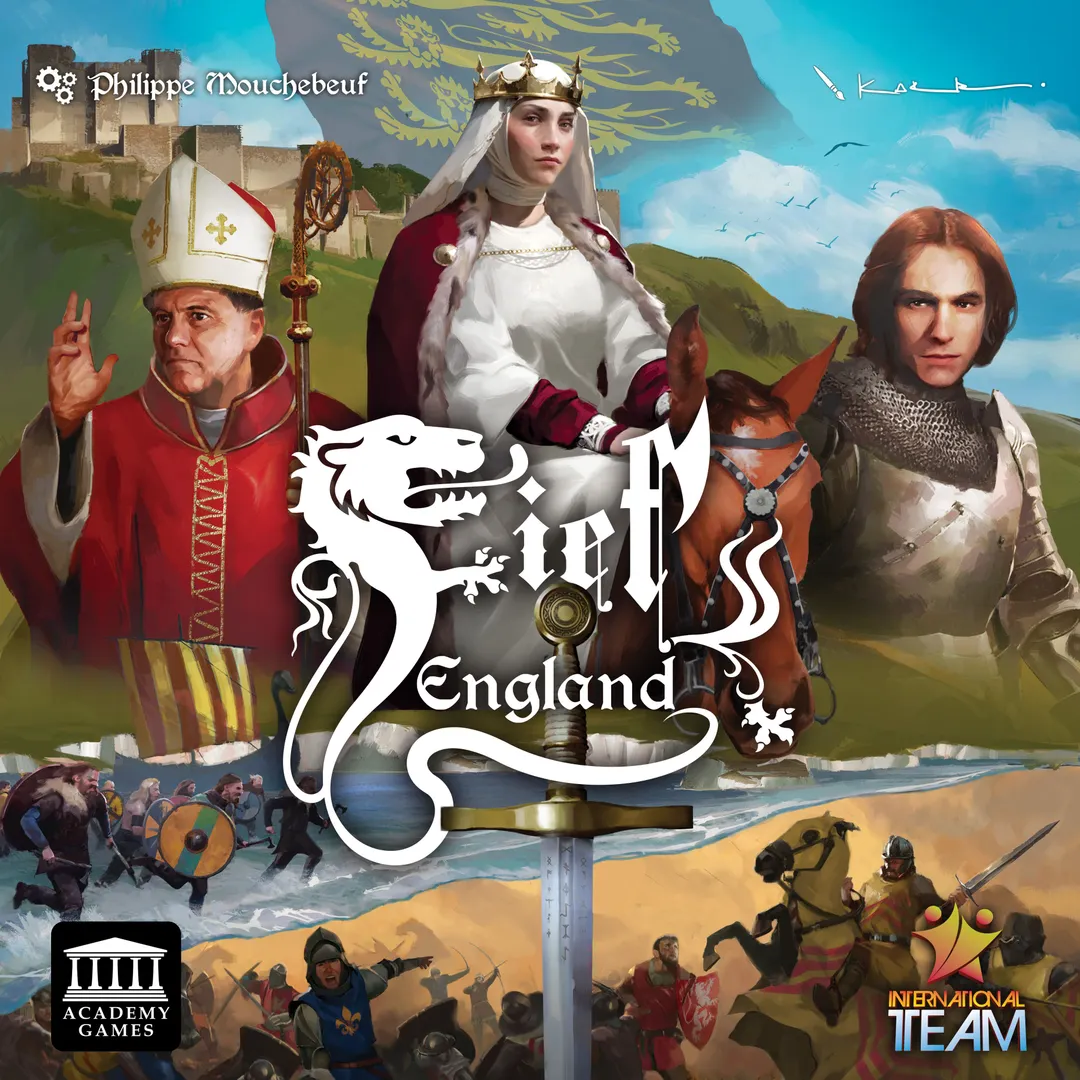
From the publisher's web page (Medieval): Medieval is a card-based board game that takes players back to the turbulent 13th century in Europe, Middle East and North Africa. The cards not only represent the Powers, various capabilities, and events that the players use to gain victory, but they also provide the playing board, a map that is divided into 19 Cards, only 8 of which start the game in play. The rest of the Map Cards - and the map - come into play randomly, but at the players' pace. The remaining cards are for the 27 Powers - countries from the strong but troubled Holy Roman Empire, England and France, through the various Islamic powers, down to such minor, but important, countries such as The Kingdom of Jerusalem, Livonia and Trebizond. Even such mysterious and far away areas as Polovtsy and The Cumans come into play. - and the various "events" the players use to forward their schemes. Each Player represents an ever-changing conglomerate of these Powers, using his wiles, and the cards, to further his control over areas of Europe to win the game. There are Spies, Assassins, accusations of Heresy, Jihads, even the use of the various Knights of Christ. And then there are the Popes. Each player, randomly, can become Pope (they're named and historical). As Pope he can arrange alliances, excommunicate players, and call for Crusades (a great way to make money). But hovering like a very, very black cloud over all of this are The Mongols. No player knows exactly when they start to arrive, although the card play does give them hints … and some time to prepare, if they choose to heed the warnings. But when they do arrive, all Tartar Hell breaks loose, as The Mongols, also represented by cards, literally eat the map, east to west, conquering Powers, chewing them up and making them disappear from European view. The winner is the player who survives the onslaughts of religion and the Mongols to control the largest part of 13th century Europe. Medieval is for 3 to 5 players and takes around 2 hours to play, once you've learned the system. It comes with 110 cards, lots of little pieces, and coin-shaped florin markers.
Medieval supports 3–5 players according to the catalogue. This range comes from the publisher’s listed player count, so the game can be set up for any group size within it. Some setups, rules and scoring details may still vary by player count, so check your edition’s rulebook for the exact configuration.
The listed playing time for Medieval is 120 minutes. This is the publisher’s estimate for a full game. The actual duration depends on the group, the player count and familiarity with the rules: first sessions usually run longer, while experienced groups often finish faster. Setup and teaching time are not included in this estimate.
The catalogue lists Medieval for ages 12 and up. This is the publisher’s recommendation and reflects reading demands, rule complexity and small components rather than theme alone. Younger players can often join with help from an adult, so check the age guidance on your edition and consider your group’s experience with board games.
Medieval has a complexity rating of 2.4 out of 5 from BoardGameGeek players, which makes it a medium-light game. The rating reflects how much rules knowledge, planning and decision-making a typical game demands. Expect a longer first teach for heavier games, and use a preparation guide before game night.
Medieval belongs to these categories: Card Game, Wargame, and Territory Building. Categories describe the theme, setting and style of a game rather than its rules. Filter the catalogue by the same category to find similar games when you enjoyed Medieval and want something comparable for your next game night.
The credited designers of Medieval are: Richard H. Berg. These credits come from the published game data and name the people responsible for the game’s design, not its illustrators or publishers. Designer pages on MeepleRules collect other titles by the same designers, which helps when you enjoy a game and want to find similar ones.
The catalogue lists Medieval as a base game. It can be played on its own with the components in the box and does not require any other title. Expansions, if any exist, add new content or rules on top of it and are listed separately in the catalogue with a link back to this base game.