
- BGG rating
- 7.3
Objective: Odessa
- 2 players
- Complexity 1.7/5
- 2011
2010
Rules assistance for Objective: Kiev (The Advance of Army Group South: June-August, 1941)
Plain-language explanations of turns, card effects and disputed situations, with official source references and saved question history.
For 1 player
What would you like to know?
Answers come from the official rulebook, with the page to check.
Objective: Kiev (The Advance of Army Group South: June-August, 1941) is a board game released in 2010 for 1–2 players, 45 minutes per game, and ages 12 and up. It was designed by Frank Chadwick and its main mechanics are Hexagon Grid.
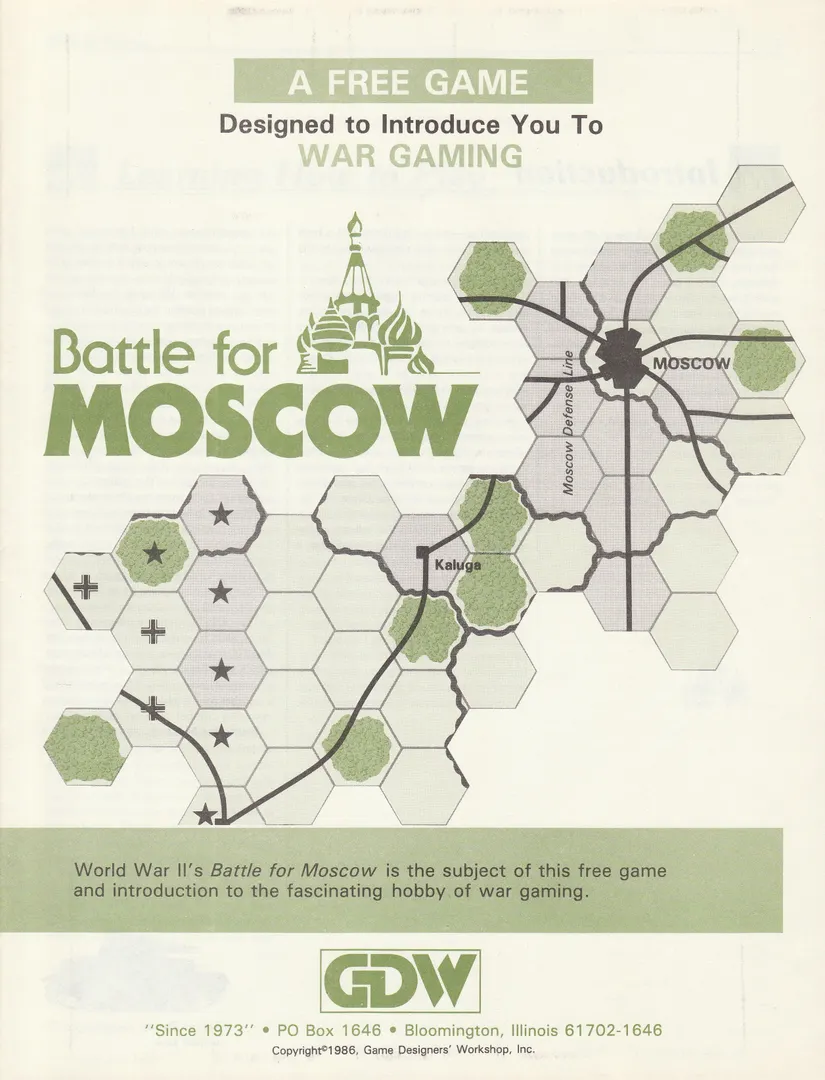
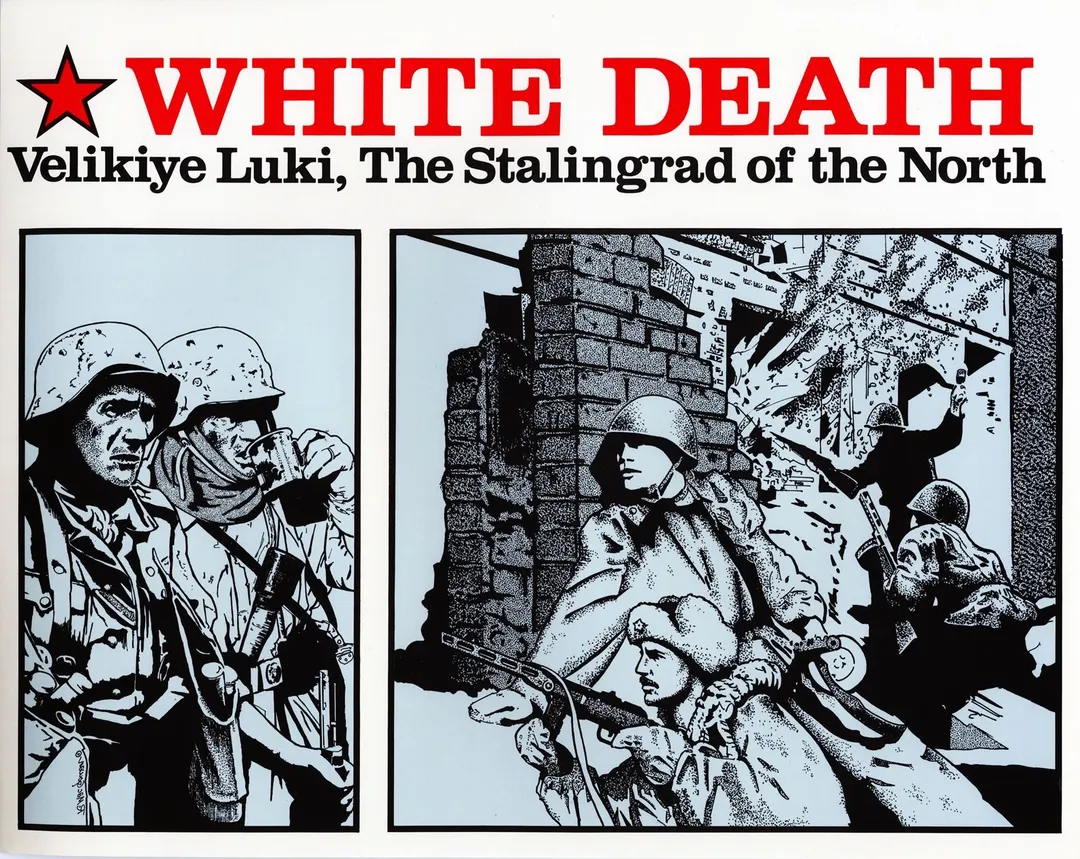
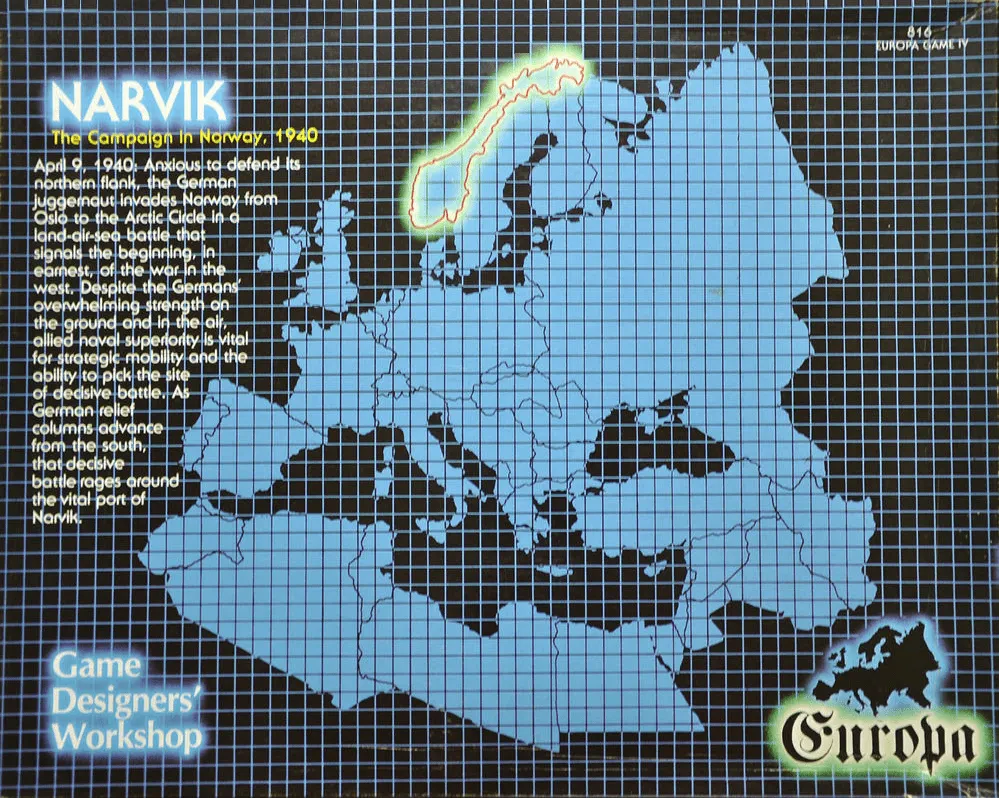

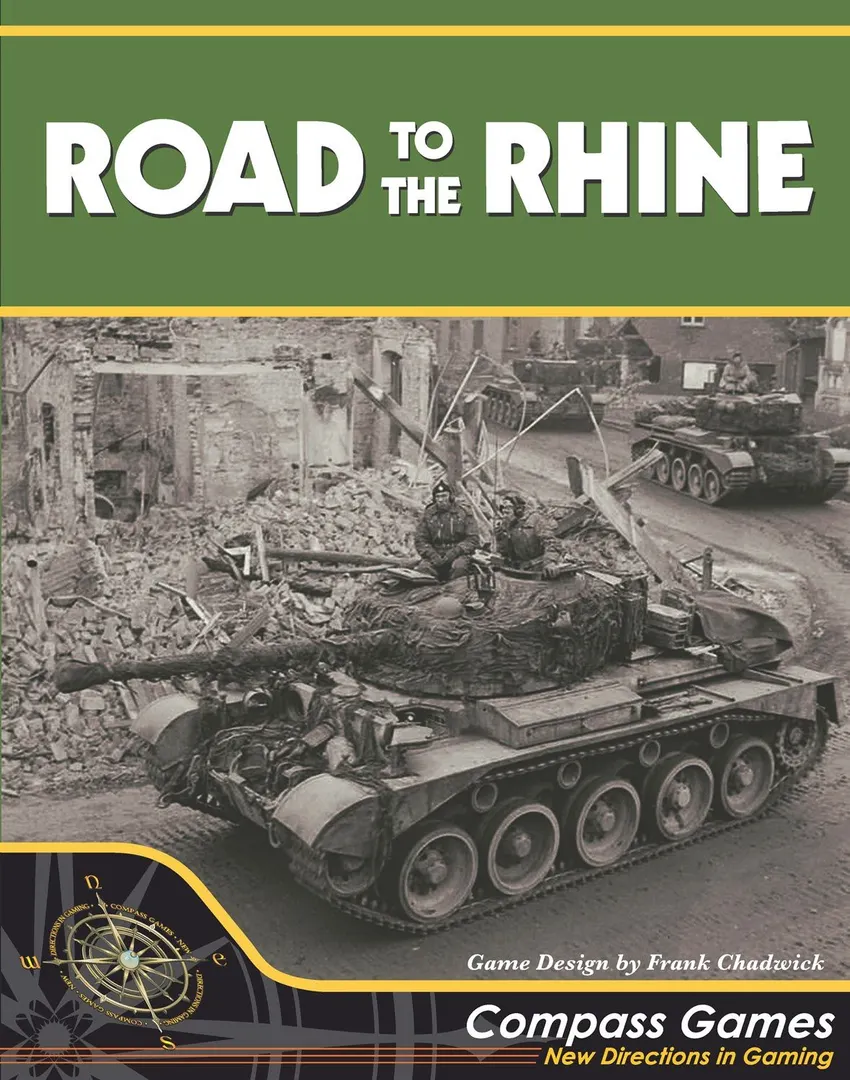
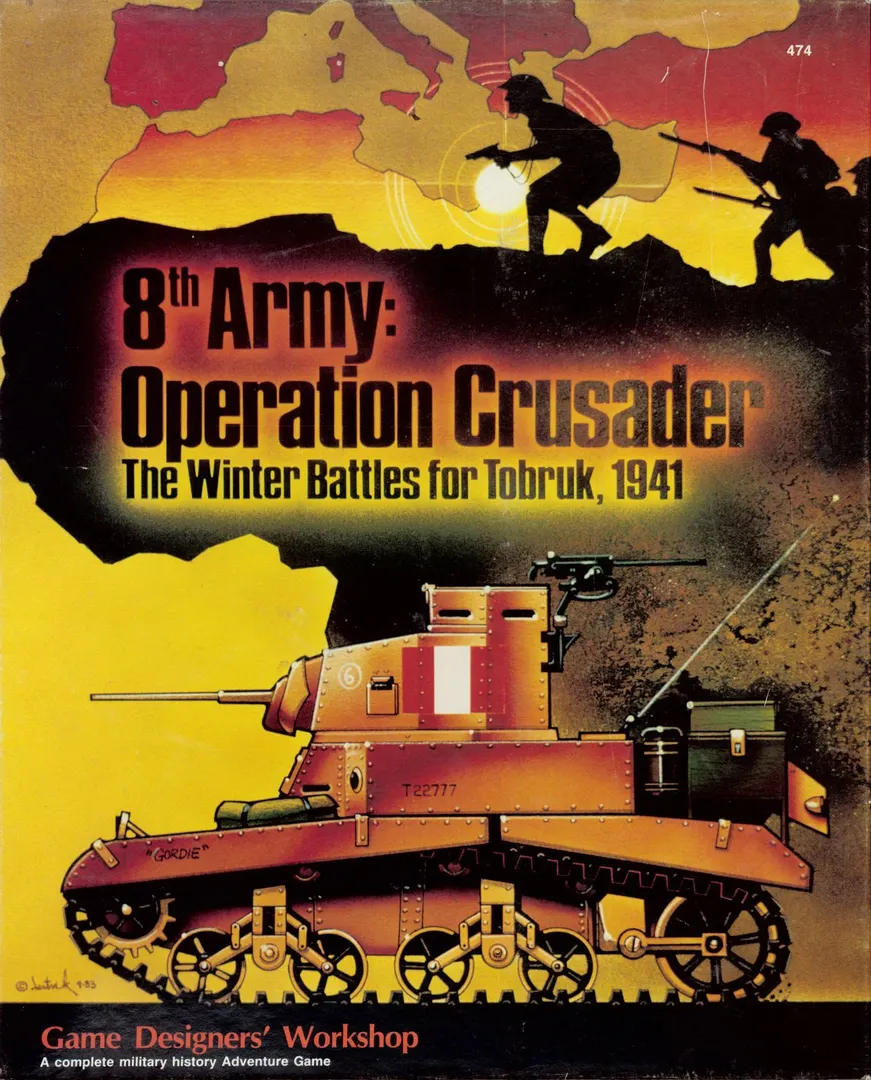
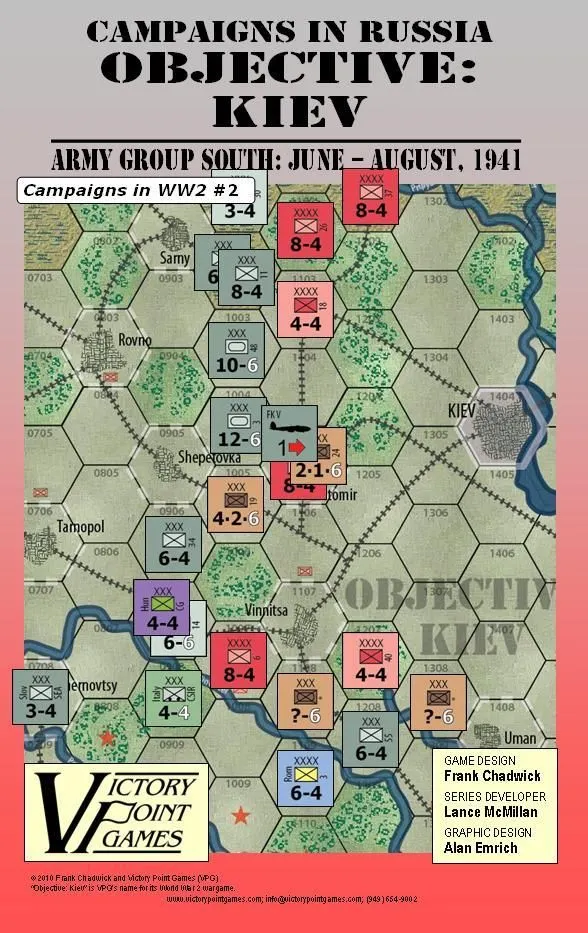
The Advance of Army Group South: June - August, 1941 When the Germans launched Operation Barbarossa on 22 June 1941, they faced both their greatest expanse of territory to capture and the greatest concentration of Soviet armor south of the Pripet marsh in Ukraine. Army Group South launched its multi-national forces (including Rumanians, Hungarians and Italians) with their principal target defined – Objective: Kiev. Facing them was the Red Army weakened from the recent purges of its officers by Stalin. Still, the Soviets put together a strong counter-attack early in the campaign, but their advantages in numbers of tanks committed could not overcome the German's superiority of skill when employing their veteran panzer units. The Axis forces advanced eastward to the Dnieper River and south toward Odessa, but as the front kept expanding, forces were spread thinner to cover the front line. Objective: Kiev is a new historical board game from renowned game designer Frank Chadwick, iterating the classic Battle for Moscow game system used in The Arduous Beginning, combining ease of learning and design elegance with the kind of dramatic gameplay that Frank has long been famous for. Featuring countless opportunities and variations, Objective: Kiev presents an endlessly fascinating series of puzzles and is a game that you're going to want to play again and again. Published in C3i magazine #26. Game Scale: Game Turn: 1 - 2 weeks Hex: 31 miles / 50 kilometers Units: Corps to Army Game Inventory: One 11 x 17" full color map One dual-side printed countersheet (40 1/2" game counters - 28) One 6-page Objective Kiev foldout rules booklet One single-side printed Play Aid card Solitaire Playability: High Complexity Level: Medium-Low Players: 2 or more Playing Time: 4-15
Objective: Kiev (The Advance of Army Group South: June-August, 1941) supports 1–2 players according to the catalogue. This range comes from the publisher’s listed player count, so the game can be set up for any group size within it. Some setups, rules and scoring details may still vary by player count, so check your edition’s rulebook for the exact configuration.
The listed playing time for Objective: Kiev (The Advance of Army Group South: June-August, 1941) is 45 minutes. This is the publisher’s estimate for a full game. The actual duration depends on the group, the player count and familiarity with the rules: first sessions usually run longer, while experienced groups often finish faster. Setup and teaching time are not included in this estimate.
The catalogue lists Objective: Kiev (The Advance of Army Group South: June-August, 1941) for ages 12 and up. This is the publisher’s recommendation and reflects reading demands, rule complexity and small components rather than theme alone. Younger players can often join with help from an adult, so check the age guidance on your edition and consider your group’s experience with board games.
Objective: Kiev (The Advance of Army Group South: June-August, 1941) has a complexity rating of 1.9 out of 5 from BoardGameGeek players, which makes it a light game. The rating reflects how much rules knowledge, planning and decision-making a typical game demands. Expect a longer first teach for heavier games, and use a preparation guide before game night.
Objective: Kiev (The Advance of Army Group South: June-August, 1941) belongs to these categories: Wargame and World War II. Its main mechanics are Hexagon Grid. Categories describe the theme and setting of a game, while mechanics describe what players actually do on their turns. Each mechanic links to a catalogue hub with similar games, which helps when you want something comparable.
The credited designers of Objective: Kiev (The Advance of Army Group South: June-August, 1941) are: Frank Chadwick. These credits come from the published game data and name the people responsible for the game’s design, not its illustrators or publishers. Designer pages on MeepleRules collect other titles by the same designers, which helps when you enjoy a game and want to find similar ones.
The catalogue lists Objective: Kiev (The Advance of Army Group South: June-August, 1941) as a base game. It can be played on its own with the components in the box and does not require any other title. Expansions, if any exist, add new content or rules on top of it and are listed separately in the catalogue with a link back to this base game.