
- BGG rank
- BGG #5,719
- BGG rating
- 8.2
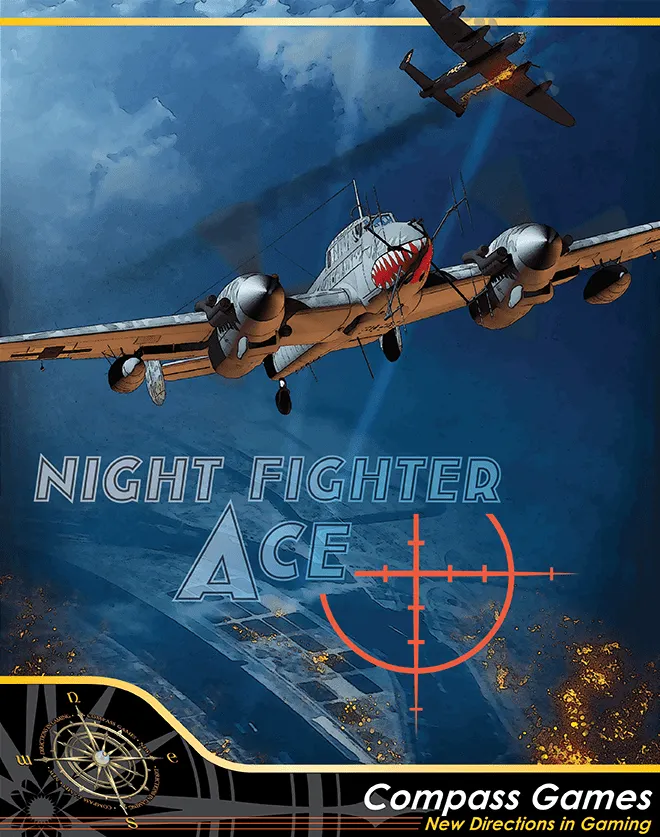
Nightfighter Ace: Air Defense Over Germany, 1943-44
- 1–2 players
- 120–180 min
- Complexity 2.3/5
- 2018
2019
Rules assistance for Pacific Tide: The United States Versus Japan, 1941-45
Plain-language explanations of turns, card effects and disputed situations, with official source references and saved question history.
For 1 player
What would you like to know?
Answers come from the official rulebook, with the page to check.
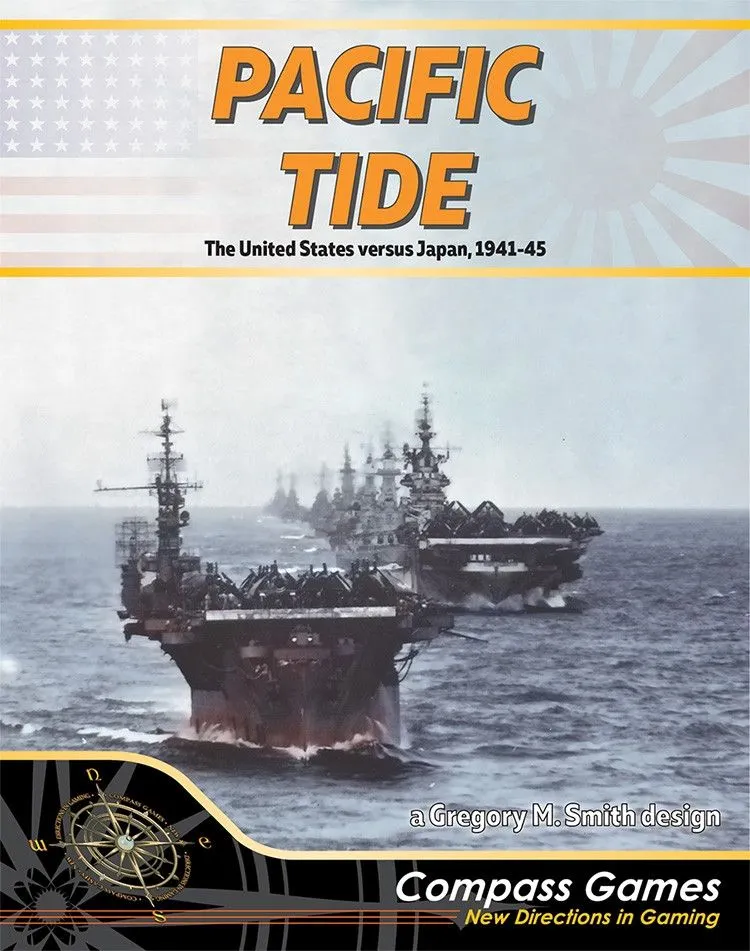
Pacific Tide: The United States Versus Japan, 1941-45 is a board game released in 2019 for 1–2 players, 120–240 minutes per game, and ages 14 and up. It was designed by Gregory M. Smith and its main mechanics are Area Movement, Dice Rolling, and Point to Point Movement.
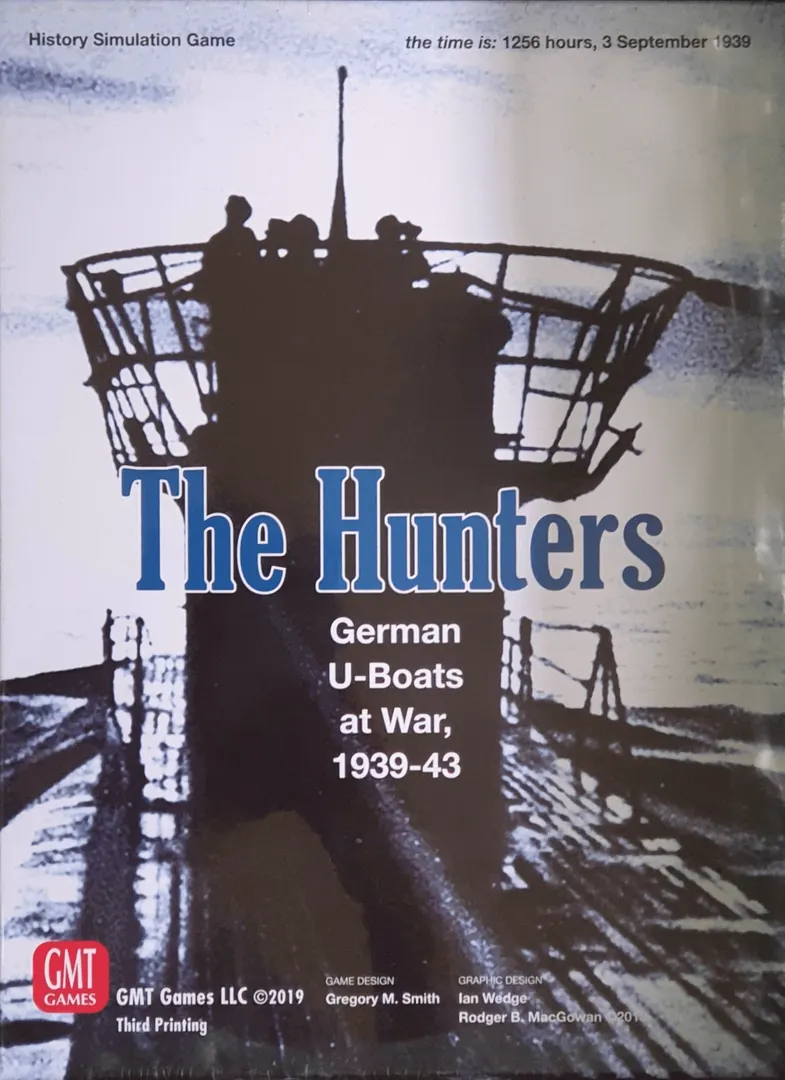
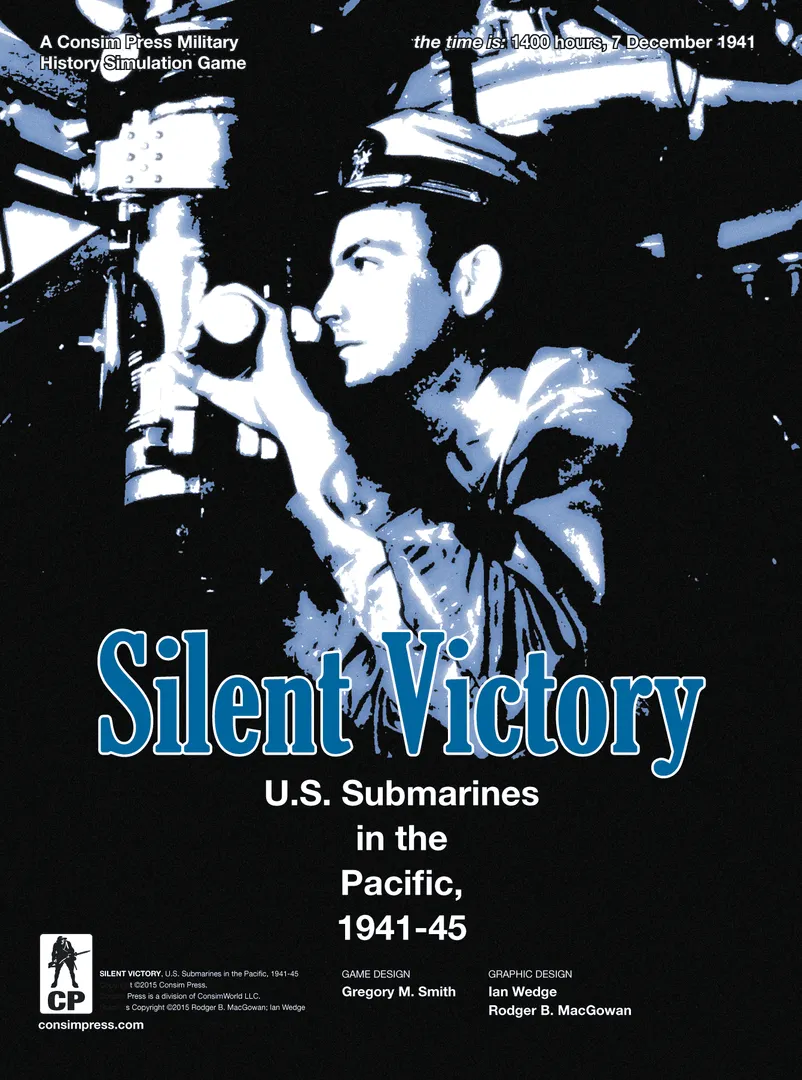
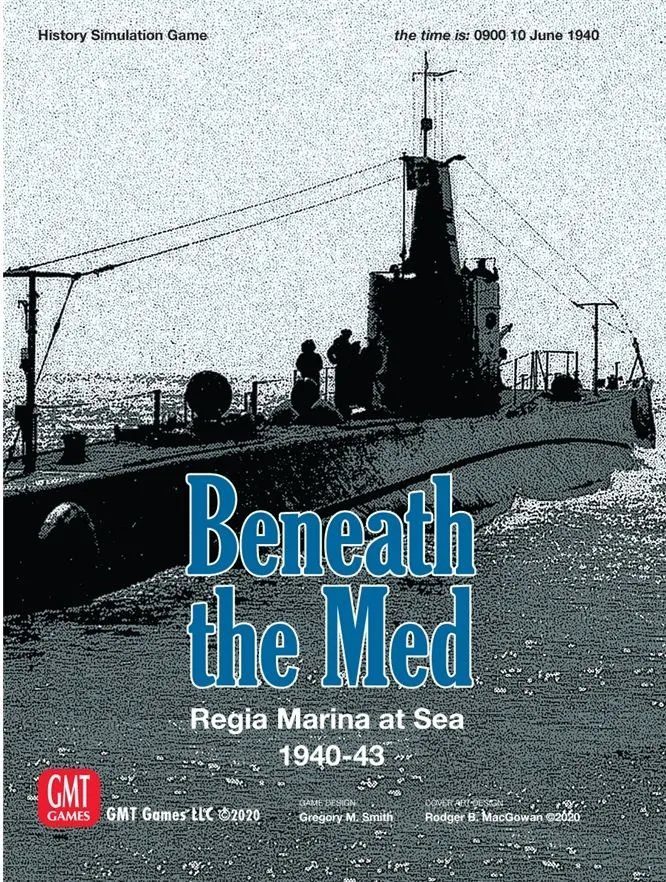
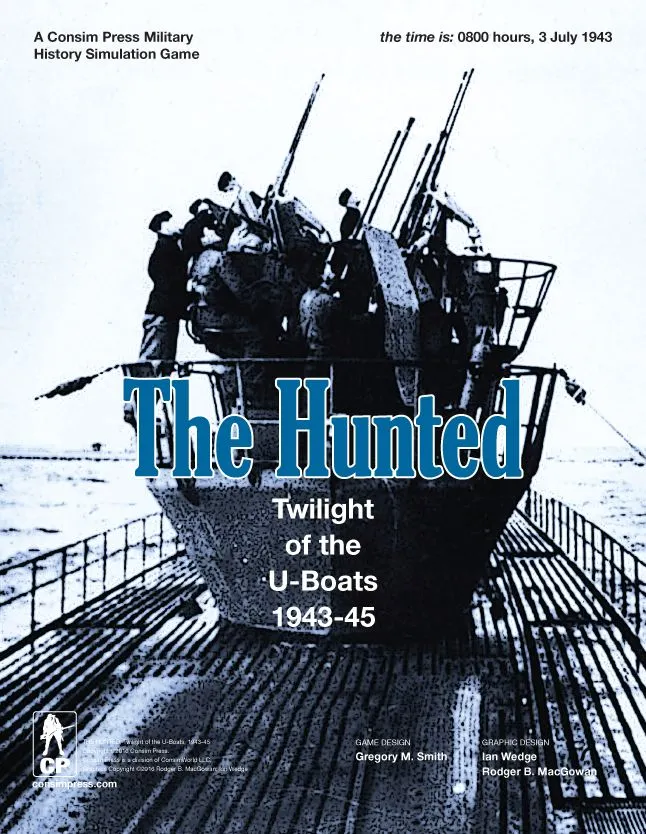
Pacific Tide: The United States versus Japan, 1941-45 is a compact, Strategic-level board wargame covering the struggle between the United States (including some Commonwealth forces) and Japan in World War II by game designer Gregory M. Smith. This game utilizes a unique and fast-paced, card-driven combat/build system revolving around carrier operations which will provide players with a multitude of decisions. While extremely competitive as a two-player game, Pacific Tide can be enjoyed again and again in Solitaire play format with its unique, “personality” driven bot system. Despite the Strategic level of the game, there are operational and even tactical nuances, as players must decide when and how to commit their carrier forces, land-based air, and even their intelligence assets. To a degree, the Japanese player is racing against the clock. The quality of his pilots degrades over time, and starting in 1943, he also loses the strategic initiative as he becomes the second player. The US Player is also fighting the clock, as he cannot sit back and take a relaxed approach to defeating Japan. If he doesn't win by 1945, he doesn't win at all. Tension build as both sides race toward decisive carrier battles and seizure of key geographical objectives. The card-based combat/build system is a different take on the "normal" event/operations points driven systems. Separate card decks are provided for the U.S. and Japanese player. Each year, the players receive that year's cards for free…but must use build points to repurchase older cards. This will cause the player a few agonizing moments, as he typically cannot afford to re-buy every card he needs (or thinks he needs). Players must also decide which aspect of cards to use – many have multiple but exclusive uses (such as, "Do A or do B") and these uses sometimes give very different results based on operational or strategic needs at the time. To help ensure a tense and dynamic game, the system forces players to make many choices and decisions throughout play. Units comprise five different types: • CV units represent individual carriers or small groups of escort carriers • INF units represent all types of ground combat troops, including Marine and Army units • Naval Air units represent carrier borne aircraft • Land Air units represent bombers and fighters based on land • Partisan units represent the Filipino resistance, which grew to considerable size by the end of the war • Campaign set up and reinforcement codes are printed on the counter • Enhanced ergonomics are built into the set up and reinforcement charts Control and Entrench markers are also provided for play. Special rules are provided for amphibious attacks, repair of fleets, supply effects, and guerillas. Bidding rules determine which side one will play in a tournament-style play format. As a bonus for solo players, Pacific Tide features a solitaire assistant – commonly known as a "Bot" – which gives guidance to the player for either side during solitaire play. The assistant acts differently based on the "personality" it's been given...aggressive, defensive, or balanced. All game cards have a rating which the assistants will prioritize differently for play. While extremely competitive as a two-player game, Pacific Tide can be enjoyed again and again in solitaire play format with its unique, “personality” driven Bot-system. Product Information: Complexity: 3 out of 10 Solitaire Suitability: 10 out of 10 Time Scale: Single Year Turns with alternating, multiple cards plays per player Map Scale: Area map Unit Scale: from individual carriers or carrier groups, fleets, army-level infantry, air groups Players: one to two, best with two Playing Time: two to four hours Components: One map (17" x 22" map size) One Countersheet of 9/16” unit-counters 52 Game Cards Rules booklet 16 Six-sided Dice Box and Lid Game Credits: Designer: Gregory M. Smith Artist: Ilya Kudriashov Package Design: Ilya Kudriashov and Brien Miller Project Director: John Kranz
Pacific Tide: The United States Versus Japan, 1941-45 supports 1–2 players according to the catalogue. This range comes from the publisher’s listed player count, so the game can be set up for any group size within it. Some setups, rules and scoring details may still vary by player count, so check your edition’s rulebook for the exact configuration.
The listed playing time for Pacific Tide: The United States Versus Japan, 1941-45 is 120–240 minutes. This is the publisher’s estimate for a full game. The actual duration depends on the group, the player count and familiarity with the rules: first sessions usually run longer, while experienced groups often finish faster. Setup and teaching time are not included in this estimate.
The catalogue lists Pacific Tide: The United States Versus Japan, 1941-45 for ages 14 and up. This is the publisher’s recommendation and reflects reading demands, rule complexity and small components rather than theme alone. Younger players can often join with help from an adult, so check the age guidance on your edition and consider your group’s experience with board games.
Pacific Tide: The United States Versus Japan, 1941-45 has a complexity rating of 2.1 out of 5 from BoardGameGeek players, which makes it a medium-light game. The rating reflects how much rules knowledge, planning and decision-making a typical game demands. Expect a longer first teach for heavier games, and use a preparation guide before game night.
Pacific Tide: The United States Versus Japan, 1941-45 belongs to these categories: Wargame, Nautical, and World War II. Its main mechanics are Area Movement, Dice Rolling, and Point to Point Movement. Categories describe the theme and setting of a game, while mechanics describe what players actually do on their turns. Each mechanic links to a catalogue hub with similar games, which helps when you want something comparable.
The credited designers of Pacific Tide: The United States Versus Japan, 1941-45 are: Gregory M. Smith. These credits come from the published game data and name the people responsible for the game’s design, not its illustrators or publishers. Designer pages on MeepleRules collect other titles by the same designers, which helps when you enjoy a game and want to find similar ones.
The catalogue lists Pacific Tide: The United States Versus Japan, 1941-45 as a base game. It can be played on its own with the components in the box and does not require any other title. Expansions, if any exist, add new content or rules on top of it and are listed separately in the catalogue with a link back to this base game.