
- BGG rank
- BGG #12,123
- BGG rating
- 6.3
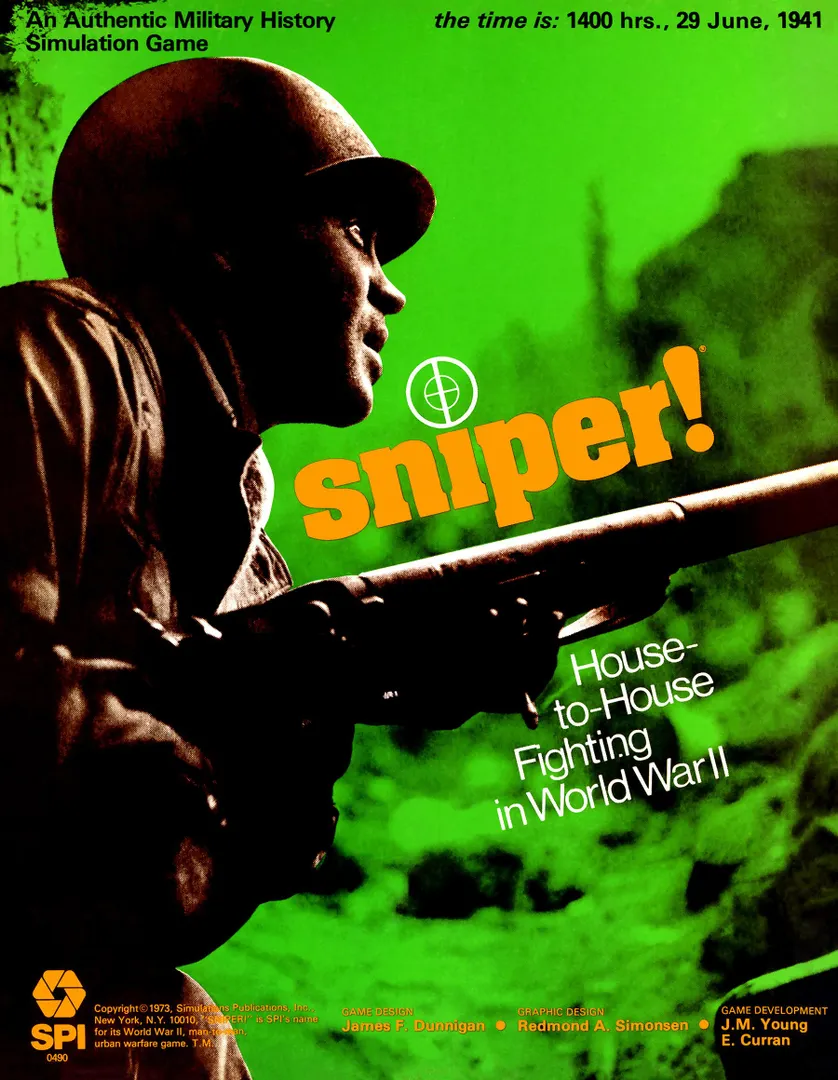
Sniper!
- 2 players
- 180 min
- Complexity 3.3/5
- 1973
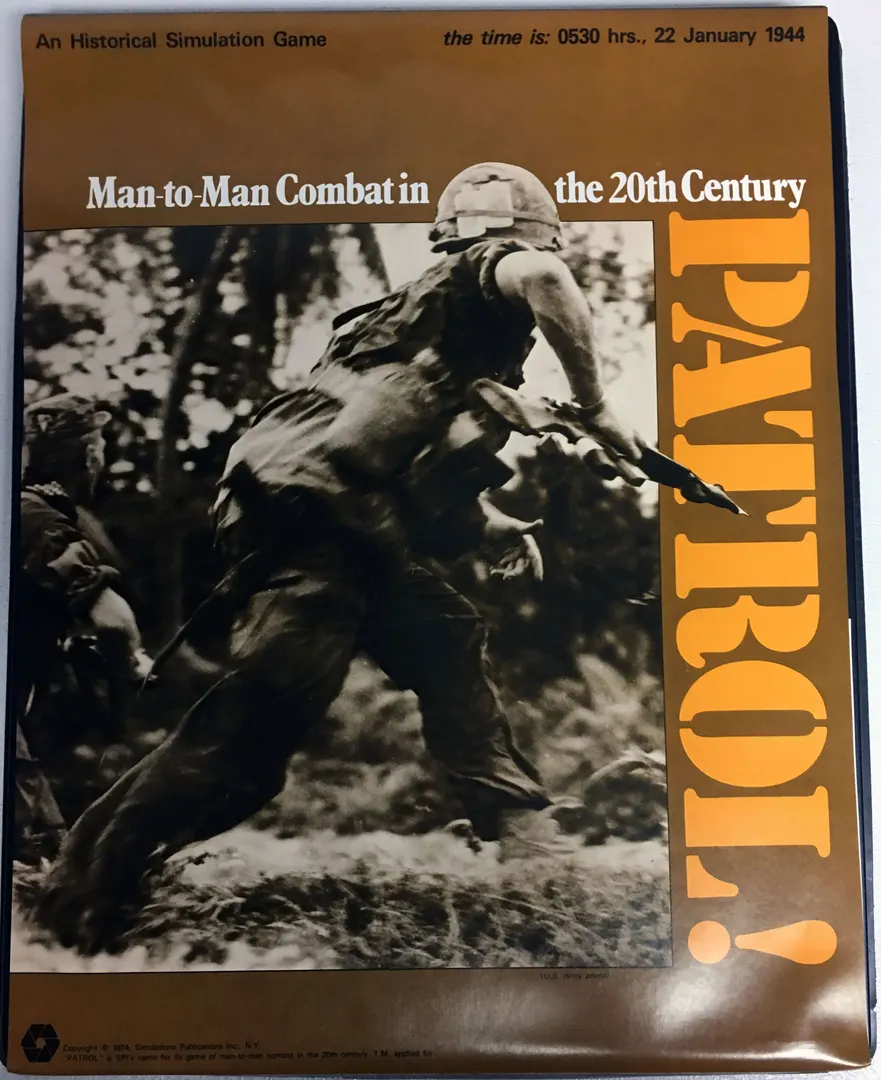
1974
Rules assistance for Patrol!: Man-to-Man Combat in the 20th Century
Plain-language explanations of turns, card effects and disputed situations, with official source references and saved question history.
For 1 player
What would you like to know?
Answers come from the official rulebook, with the page to check.
Patrol!: Man-to-Man Combat in the 20th Century is a board game released in 1974 for 1–3 players, 240 minutes per game, and ages 12 and up. It was designed by Jim Dunnigan and its main mechanics are Dice Rolling, Variable Set-up, and Simultaneous Action Selection.



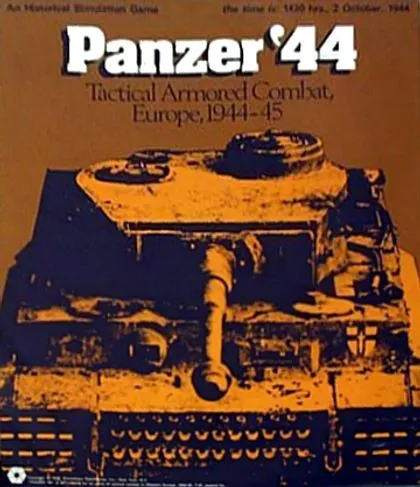


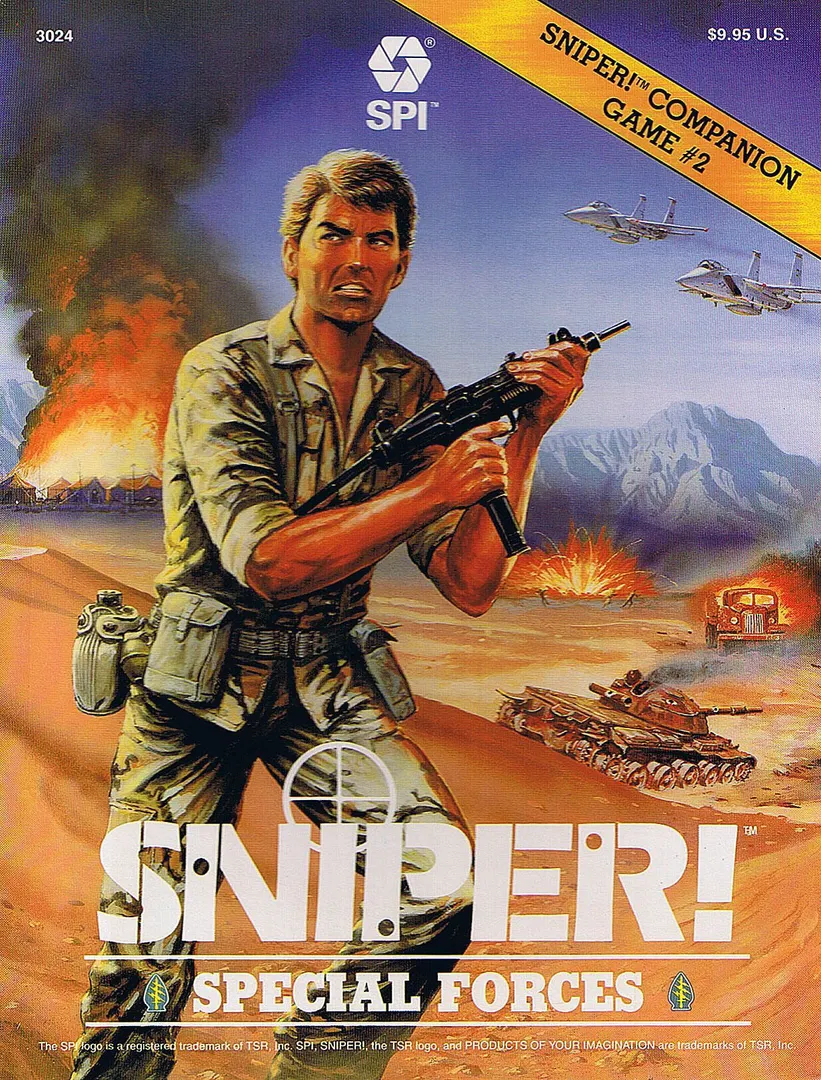
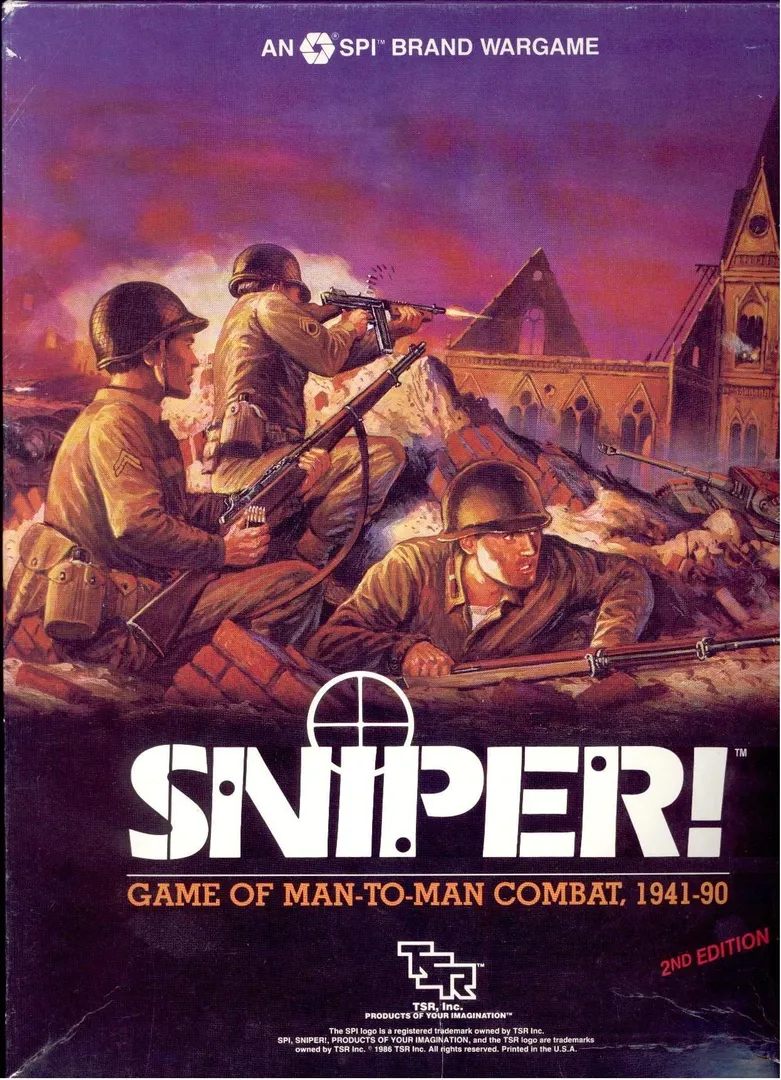

Patrol: Man-to-Man Combat in the 20th Century, is an individual man level simulation of non-urban infantry combat from World War 1 to the present. The game features various scenarios in which the average infantry squad would become involved. Typical scenarios simulate meeting engagements, ambushes, raids, snatch missions and assualts on fortified positions. Sequel to the game Sniper! Popular tactical combat system. As in Sniper, each player controls the equivalent of a squad of 5 to 15 men depending on the period, the scenario, and whether you attack or defend. One scenario corresponds to a few (one to five) minutes of real time action. The scale is a little larger than in Sniper (5 meters/hex, 5 seconds/turn vs 3 and 3 in Sniper), and there is no facing. The game system (though rated 7.1, ie pretty high, on SPI complexity scale), is quite straightforward and easy to learn. In the beginning of each turn, players secretly "buy" actions for all of their men. A normal man has 10 Movement Points to expend per turn. Fire, direct or opportunity, consumes all MP, as reloading one's weapon, or rearming (ie readying to use it after throwing a grenade or shooting a rifle grenade). Standing up, preparing a grenade, throwing it, cost 5MP. And movement costs MP depending on terrain... After all actions have been plotted, players check for panic: a certain percentage of all your men, depending on their hex number, have their actions canceled, or move randomly. (although very annoying, this rule does wonders at simulating low level control problems). Then, all remaining actions are performed: combat, movement, and finally grenade and artillery impacts. Rules cover a large variety of equipment: weapons like rifles, MP, MG, rocket launchers, grenade launchers and flamethrowers, but also barbed wire, pillboxes, artillery, mines, and up to one vehicle (APC or tank) per side. Five kind of combat situations are covered: patrol, reconnaissance, ambush, raid and assault. Some lending themselves quite well to solitaire play. A large number of scenarios (from WWI to modern) are provided, and you can easily design your own. A standard scenario plays in a couple of hours. Altogether, I think the system is pretty good for such a man to man combat situation. However, be warned that this very detailed scale has a peculiar feeling, which not all "tactical" game players (ie players used to ASL or Gamers TCS, which focus on company/battalion level units) will like: in Patrol! the player is a sergeant, not a captain. review by: Francois Charton Game Scale: Game Turn: 5 seconds to 5 minutes Hex: 5.4 yards / 5 meters Units: Individual Soldiers & Vehicles Game Inventory: Six 9 x 9" four color maps One dual-side printed countersheet (400 1/2" counters) One 32-page Patrol rulebook Foure Player Aids Cards Two 6-sided dice Solitaire Playability: Medium Complexity Level: Medium Players: 1 or more Playing Time: 2-6 hours
Patrol!: Man-to-Man Combat in the 20th Century supports 1–3 players according to the catalogue. This range comes from the publisher’s listed player count, so the game can be set up for any group size within it. Some setups, rules and scoring details may still vary by player count, so check your edition’s rulebook for the exact configuration.
The listed playing time for Patrol!: Man-to-Man Combat in the 20th Century is 240 minutes. This is the publisher’s estimate for a full game. The actual duration depends on the group, the player count and familiarity with the rules: first sessions usually run longer, while experienced groups often finish faster. Setup and teaching time are not included in this estimate.
The catalogue lists Patrol!: Man-to-Man Combat in the 20th Century for ages 12 and up. This is the publisher’s recommendation and reflects reading demands, rule complexity and small components rather than theme alone. Younger players can often join with help from an adult, so check the age guidance on your edition and consider your group’s experience with board games.
Patrol!: Man-to-Man Combat in the 20th Century has a complexity rating of 3.3 out of 5 from BoardGameGeek players, which makes it a medium-weight game. The rating reflects how much rules knowledge, planning and decision-making a typical game demands. Expect a longer first teach for heavier games, and use a preparation guide before game night.
Patrol!: Man-to-Man Combat in the 20th Century belongs to these categories: Wargame, World War II, and Modern Warfare. Its main mechanics are Dice Rolling, Variable Set-up, and Simultaneous Action Selection. Categories describe the theme and setting of a game, while mechanics describe what players actually do on their turns. Each mechanic links to a catalogue hub with similar games, which helps when you want something comparable.
The credited designers of Patrol!: Man-to-Man Combat in the 20th Century are: Jim Dunnigan. These credits come from the published game data and name the people responsible for the game’s design, not its illustrators or publishers. Designer pages on MeepleRules collect other titles by the same designers, which helps when you enjoy a game and want to find similar ones.
The catalogue lists Patrol!: Man-to-Man Combat in the 20th Century as a base game. It can be played on its own with the components in the box and does not require any other title. Expansions, if any exist, add new content or rules on top of it and are listed separately in the catalogue with a link back to this base game.