
- BGG rank
- BGG #6,267
- BGG rating
- 6.8
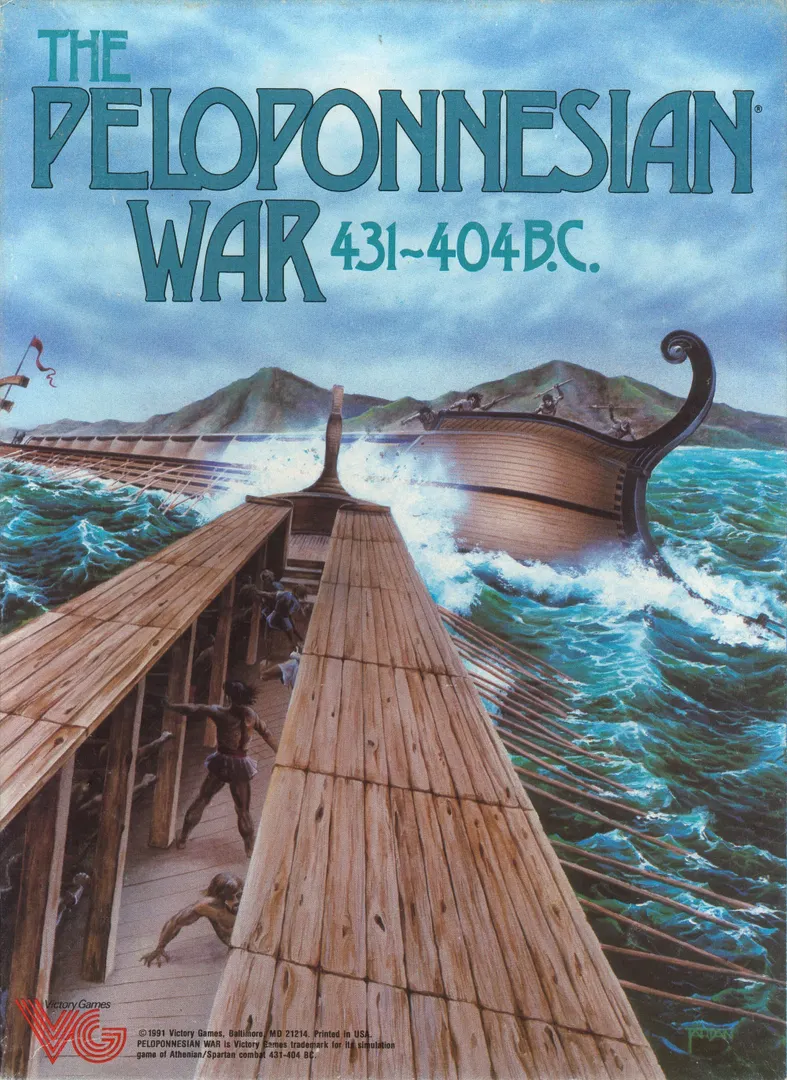
The Peloponnesian War, 431-404 BC
- 1–7 players
- 120–300 min
- Complexity 3.1/5
- 1991
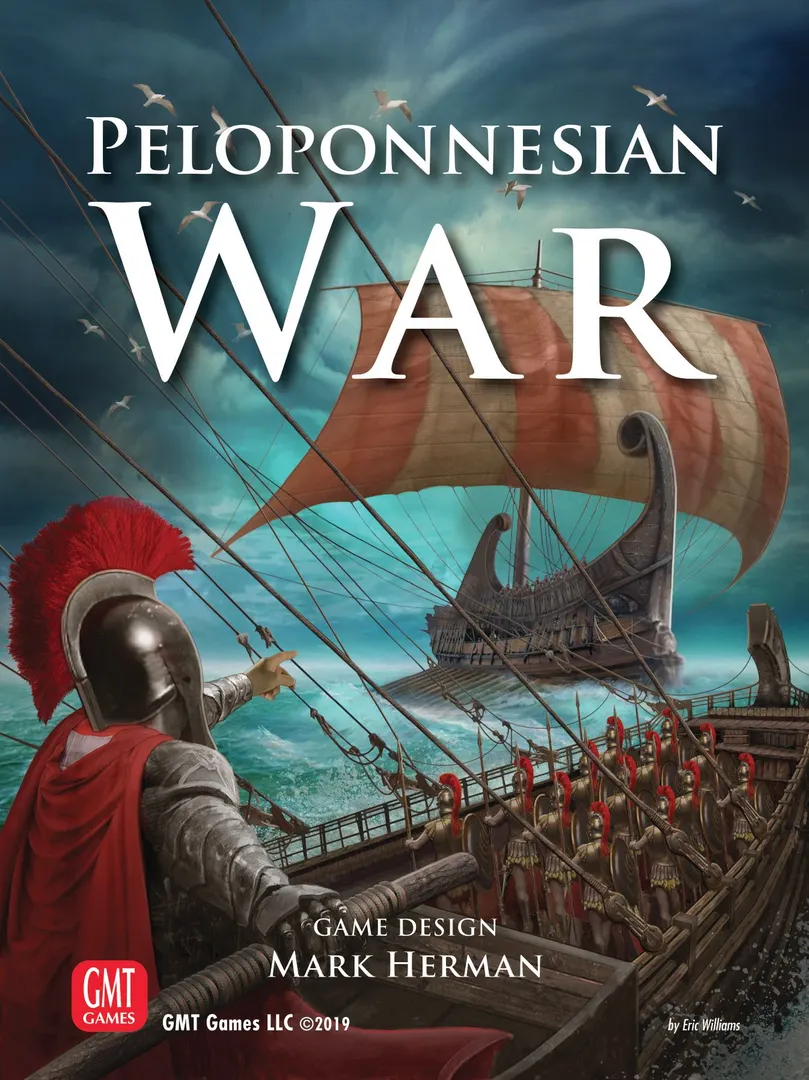
2019
Rules assistance for Peloponnesian War
Plain-language explanations of turns, card effects and disputed situations, with official source references and saved question history.
For 1 player
What would you like to know?
Answers come from the official rulebook, with the page to check.
Peloponnesian War is a board game released in 2019 for 1–2 players, 90–240 minutes per game, and ages 14 and up. It was designed by Mark Herman and its main mechanics are Dice Rolling, Point to Point Movement, and Variable Set-up.




What was old is new again. I am excited to have this opportunity to bring back into print and enhanced version of my original Peloponnesian War design that was originally published by Victory Games. This military game of ancient warfare lets YOU chart the destiny of the war. Peloponnesian War uses a still-unique solitaire system that was a pioneer in this genre, yet was never copied. Most current solitaire systems on the market today have the player take one side for the entire game. This pits the player against a random 'Bot system, even the best of which have some difficulty giving you the same challenge as playing against a human opponent. In Peloponnesian War, you get to play both sides, pitting yourself against the best that YOU can offer. If the game system is winning, the player is forced to continue with the losing side. Success, on the other hand, will eventually force the player to change sides and recover the losing side's fortunes. The duration of the war and the player's performance determine victory. In this manner the player competes against himself in the classic tradition of the Greek tragedy. - Mark From the opening of the Archadameian War in 431BC to the Fall of Athens in 404, The Peloponessian War allows YOU to compete against the man in the mirror, as you live through the suicide of Greece. Maneuver your generals, hoplites, and navies to fight battles and attempt to bring the war to an end on your terms. Take heed, however. As you weaken your foe, you create a greater game challenge for yourself. For as you improve in strength, so does your opponent. In terms of physical components, Mark's enhanced version is getting the full GMT treatment: mounted map and strategy boards, high-quality thick counters, redesigned rules and playbook, all with new art throughout. This will be a product that you'll want to own and play for a long time! We hope you enjoy this enhanced GMT version of Mark Herman's classic solitaire game design. —description from the publisher
Peloponnesian War supports 1–2 players according to the catalogue. This range comes from the publisher’s listed player count, so the game can be set up for any group size within it. Some setups, rules and scoring details may still vary by player count, so check your edition’s rulebook for the exact configuration.
The listed playing time for Peloponnesian War is 90–240 minutes. This is the publisher’s estimate for a full game. The actual duration depends on the group, the player count and familiarity with the rules: first sessions usually run longer, while experienced groups often finish faster. Setup and teaching time are not included in this estimate.
The catalogue lists Peloponnesian War for ages 14 and up. This is the publisher’s recommendation and reflects reading demands, rule complexity and small components rather than theme alone. Younger players can often join with help from an adult, so check the age guidance on your edition and consider your group’s experience with board games.
Peloponnesian War has a complexity rating of 4.0 out of 5 from BoardGameGeek players, which makes it a heavy game. The rating reflects how much rules knowledge, planning and decision-making a typical game demands. Expect a longer first teach for heavier games, and use a preparation guide before game night.
Peloponnesian War belongs to these categories: Wargame and Ancient. Its main mechanics are Dice Rolling, Point to Point Movement, and Variable Set-up. Categories describe the theme and setting of a game, while mechanics describe what players actually do on their turns. Each mechanic links to a catalogue hub with similar games, which helps when you want something comparable.
The credited designers of Peloponnesian War are: Mark Herman. These credits come from the published game data and name the people responsible for the game’s design, not its illustrators or publishers. Designer pages on MeepleRules collect other titles by the same designers, which helps when you enjoy a game and want to find similar ones.
The catalogue lists Peloponnesian War as a base game. It can be played on its own with the components in the box and does not require any other title. Expansions, if any exist, add new content or rules on top of it and are listed separately in the catalogue with a link back to this base game.