
- BGG rank
- BGG #4,444
- BGG rating
- 7.0
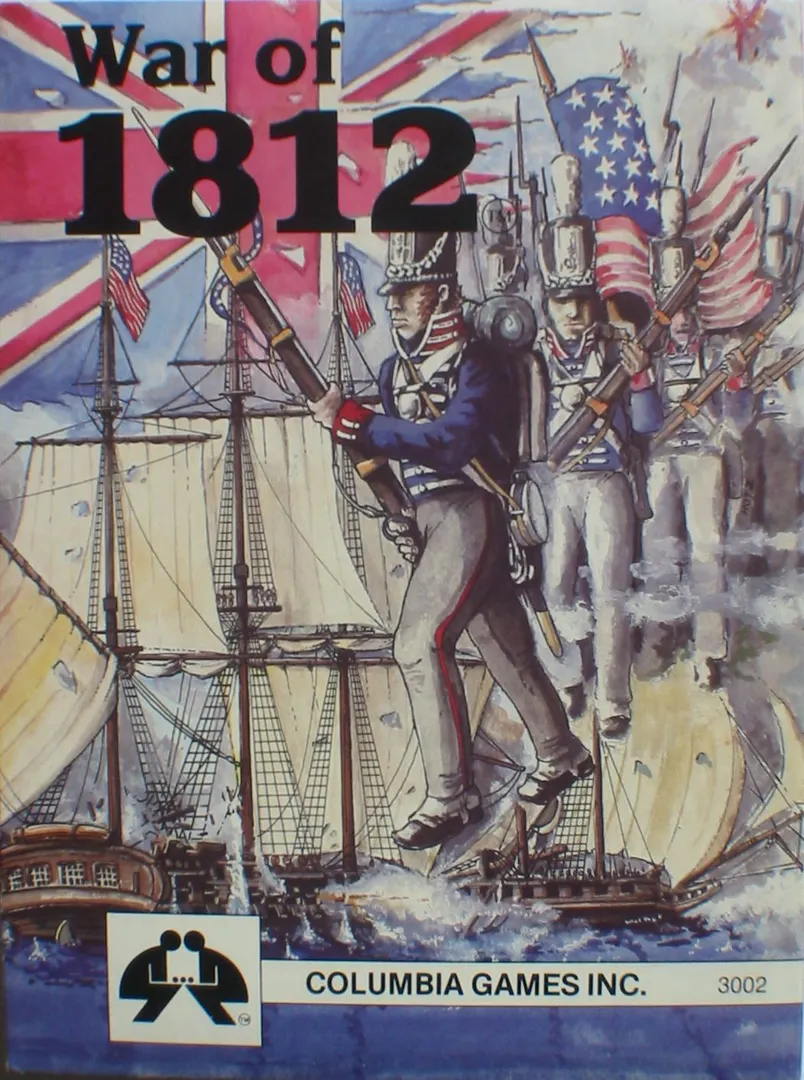
War of 1812
- 2 players
- 90 min
- Complexity 2.1/5
- 1973
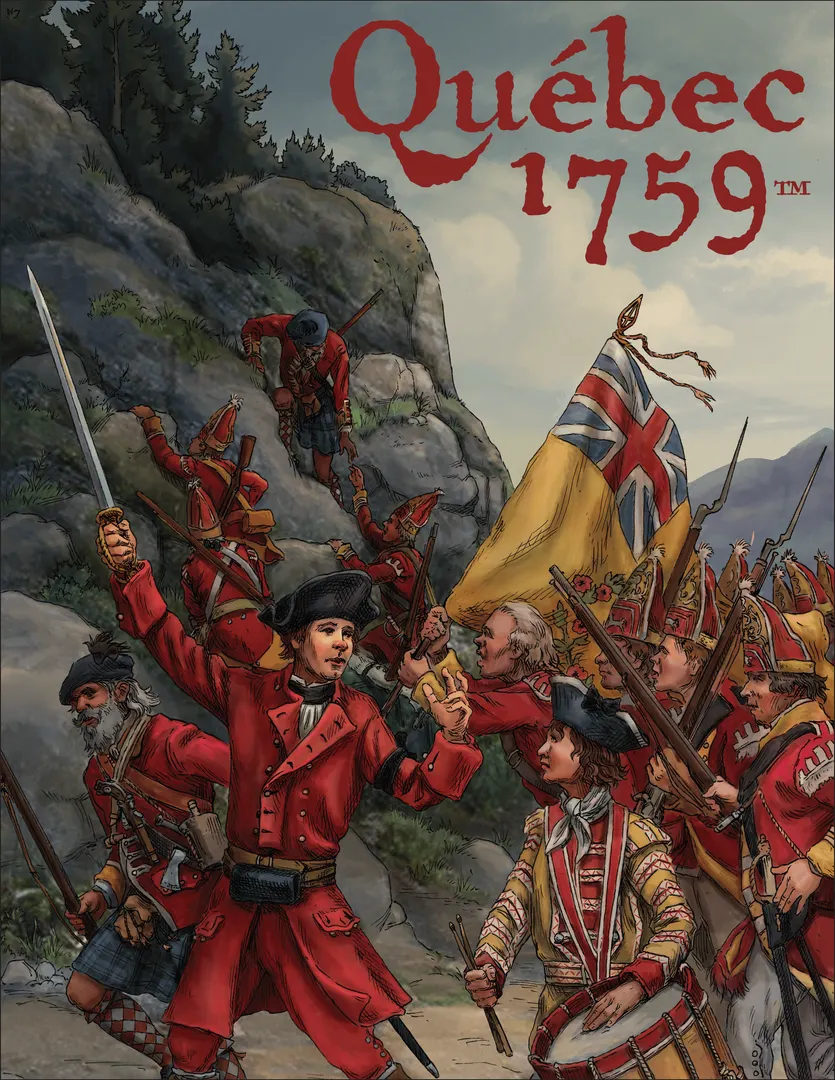
1972
Rules assistance for Quebec 1759
Plain-language explanations of turns, card effects and disputed situations, with official source references and saved question history.
For 2 players
What would you like to know?
Answers come from the official rulebook, with the page to check.
Quebec 1759 is a board game released in 1972 for 2 players, 60 minutes per game, and ages 12 and up. It was designed by Tom Dalgliesh, Lance Gutteridge, and Steve Brewster and its main mechanics are Dice Rolling, Point to Point Movement, and Secret Unit Deployment.
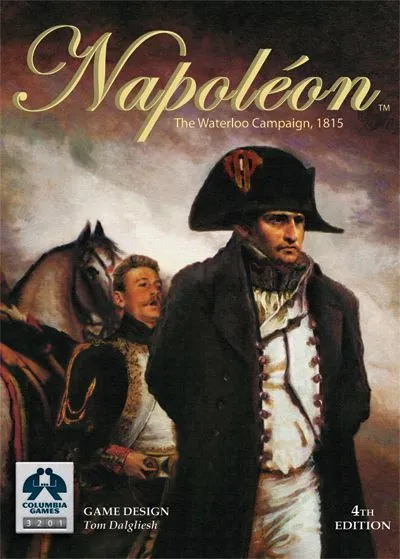

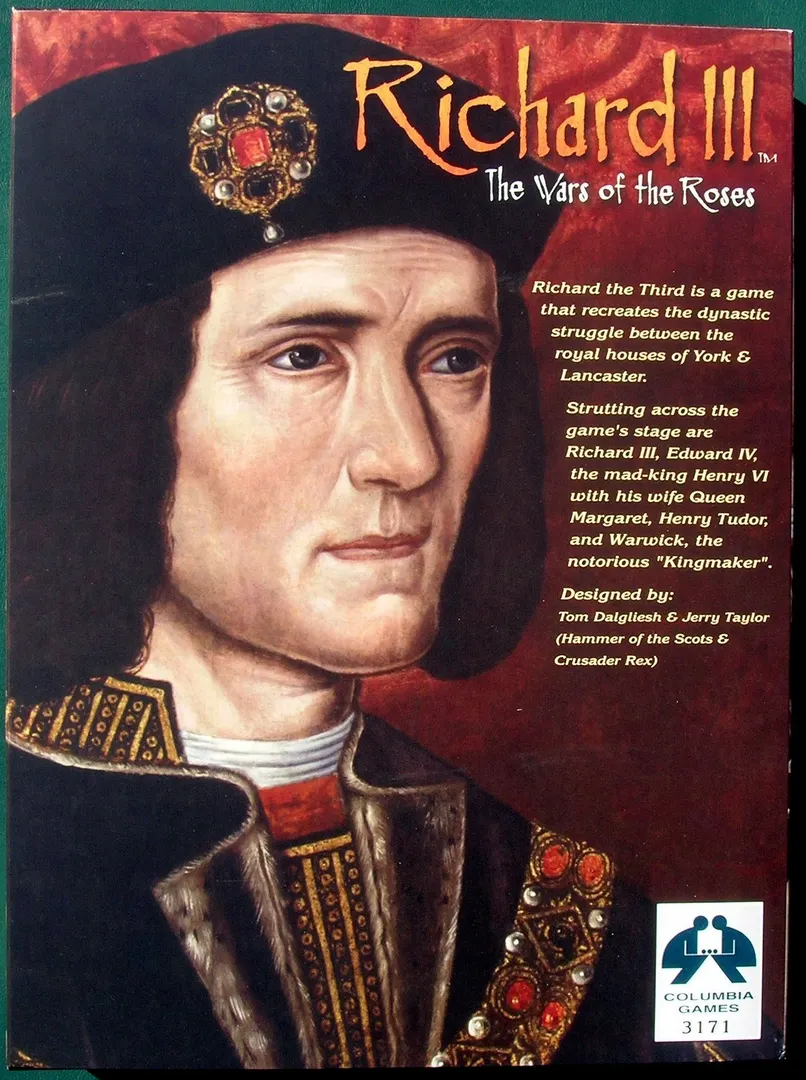
Quebec 1759 is a small, simple and short block board-wargame covering the conflict between the British and the French in Canada during the French and Indian War. The game comes with a gorgeous map drawn in the style of the period. Movement is conducted via a point-to-point system following the roads and towns in the area around Quebec. The game comes with handfuls of blocks to represent the British and French units. This title uses Columbia Games Block system. While there are variations in the rule sets, all of their wargames are based on the block system. Basically this means that rather than using the traditional counters to represent units on the map the game uses wooden blocks that stand upright with unit details only shown on one side. This does two things: First it provides an easy way of producing a "fog of war" because your opponent can not tell, save through good memory, what type of unit a specific piece is or its current strength. Second, having the blocks stand on end allows the possibility of rotating a block so the current strength is the top number. Although most war games have some type of mechanism that lets units take steps in their overall strength, counters normally have at most two steps because they only have two sides. Blocks, however, have four so you can easily keep track of twice the amount of detail that many other war games provide. With the use of blocks Columbia has provided a way of adding a good deal of depth to their war games without adding complex layers of bookkeeping, allowing interesting and relatively short sessions of play.
Quebec 1759 supports 2 players according to the catalogue. This is the publisher’s listed player count, so the game is designed for exactly that number of participants. Variants for other group sizes, if any, are described in the rulebook of your edition, so check it before setting up a different configuration.
The listed playing time for Quebec 1759 is 60 minutes. This is the publisher’s estimate for a full game. The actual duration depends on the group, the player count and familiarity with the rules: first sessions usually run longer, while experienced groups often finish faster. Setup and teaching time are not included in this estimate.
The catalogue lists Quebec 1759 for ages 12 and up. This is the publisher’s recommendation and reflects reading demands, rule complexity and small components rather than theme alone. Younger players can often join with help from an adult, so check the age guidance on your edition and consider your group’s experience with board games.
Quebec 1759 has a complexity rating of 2.1 out of 5 from BoardGameGeek players, which makes it a medium-light game. The rating reflects how much rules knowledge, planning and decision-making a typical game demands. Expect a longer first teach for heavier games, and use a preparation guide before game night.
Quebec 1759 belongs to these categories: Wargame, Age of Reason, and American Indian Wars. Its main mechanics are Dice Rolling, Point to Point Movement, and Secret Unit Deployment. Categories describe the theme and setting of a game, while mechanics describe what players actually do on their turns. Each mechanic links to a catalogue hub with similar games, which helps when you want something comparable.
The credited designers of Quebec 1759 are: Tom Dalgliesh, Lance Gutteridge, and Steve Brewster. These credits come from the published game data and name the people responsible for the game’s design, not its illustrators or publishers. Designer pages on MeepleRules collect other titles by the same designers, which helps when you enjoy a game and want to find similar ones.
The catalogue lists Quebec 1759 as a base game. It can be played on its own with the components in the box and does not require any other title. Expansions, if any exist, add new content or rules on top of it and are listed separately in the catalogue with a link back to this base game.