

- BGG rank
- BGG #13,506
- BGG rating
- 6.0
Christmas Lights: A Card Game
- 2–6 players
- 10–30 min
- Complexity 1.5/5
- 2018
2021
Rules assistance for Ruins of Mars
Plain-language explanations of turns, card effects and disputed situations, with official source references and saved question history.
For 1 player
What would you like to know?
Answers come from the official rulebook, with the page to check.
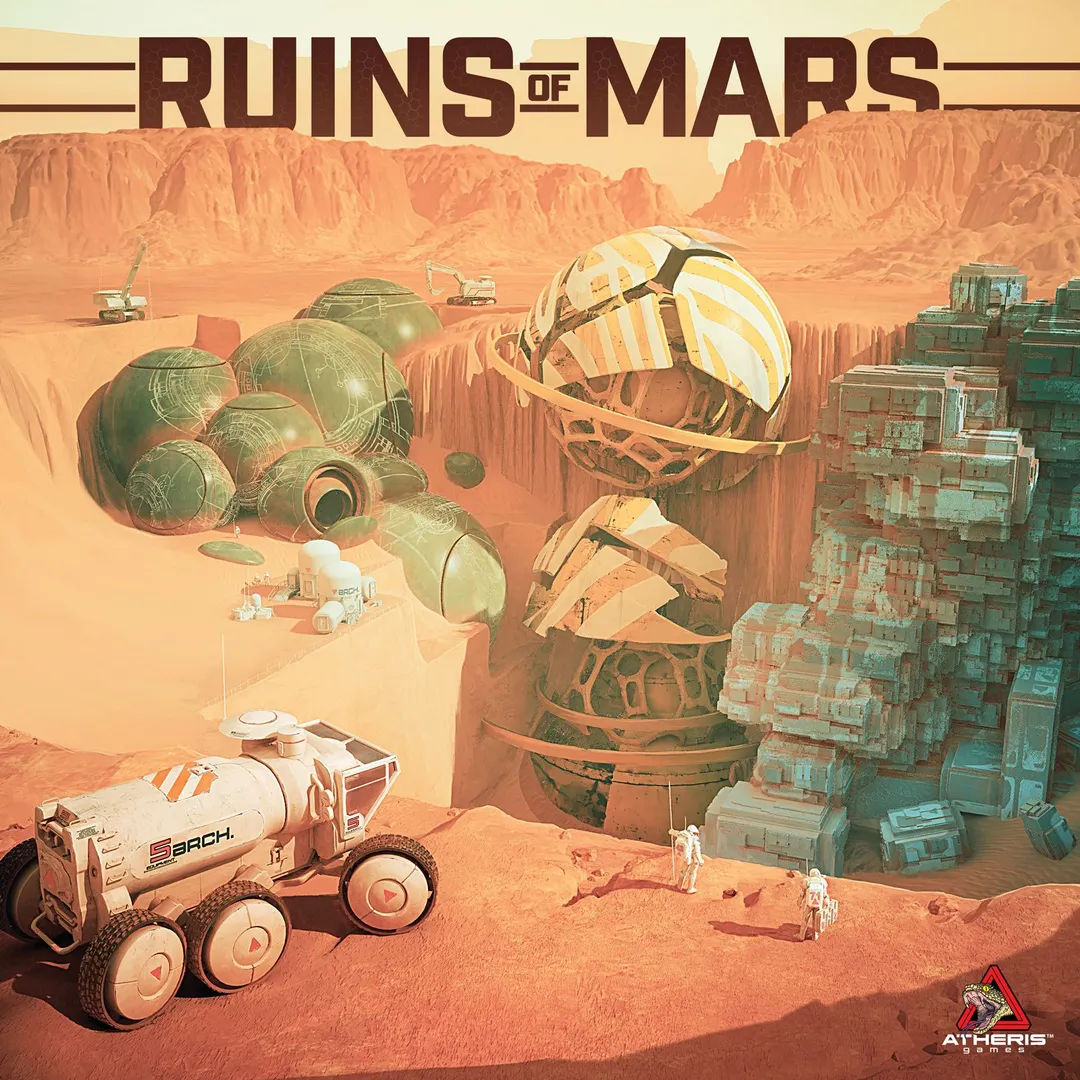
Ruins of Mars is a board game released in 2021 for 1–4 players, 60–120 minutes per game, and ages 14 and up. It was designed by Don Riddle and its main mechanics are Variable Player Powers, End Game Bonuses, and Solo / Solitaire Game.
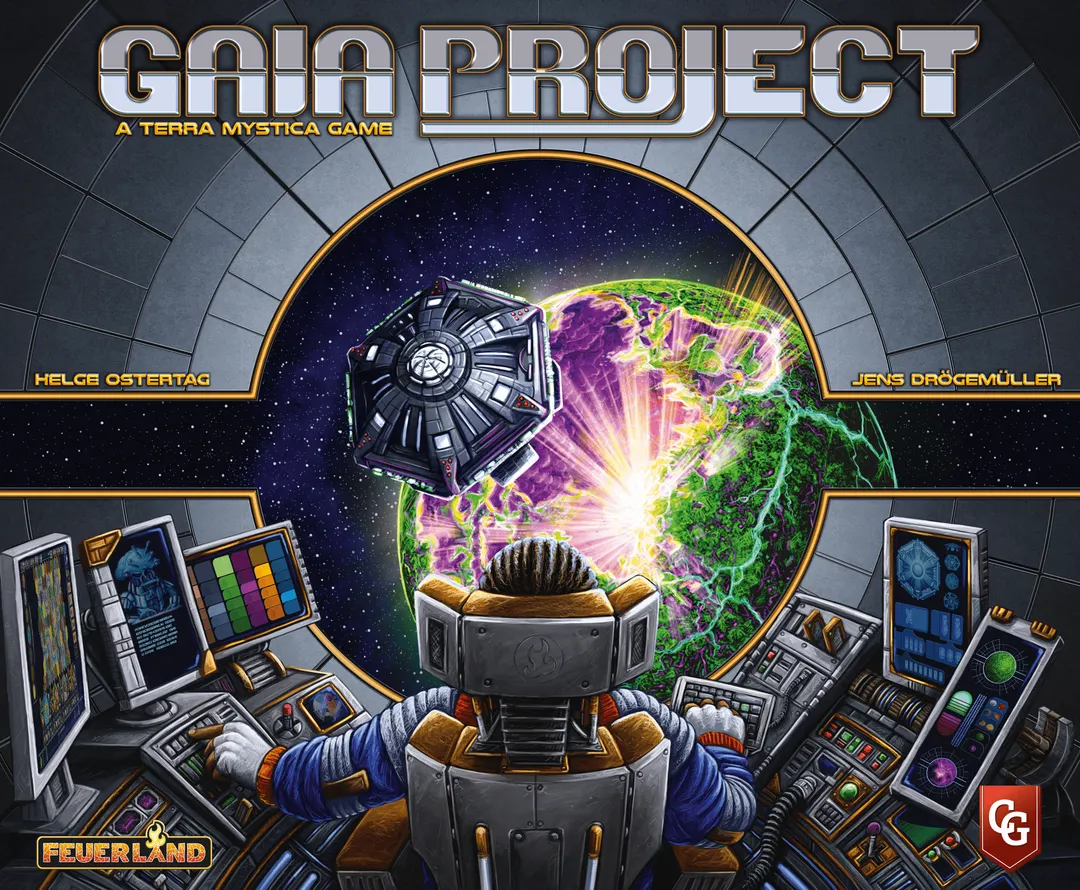
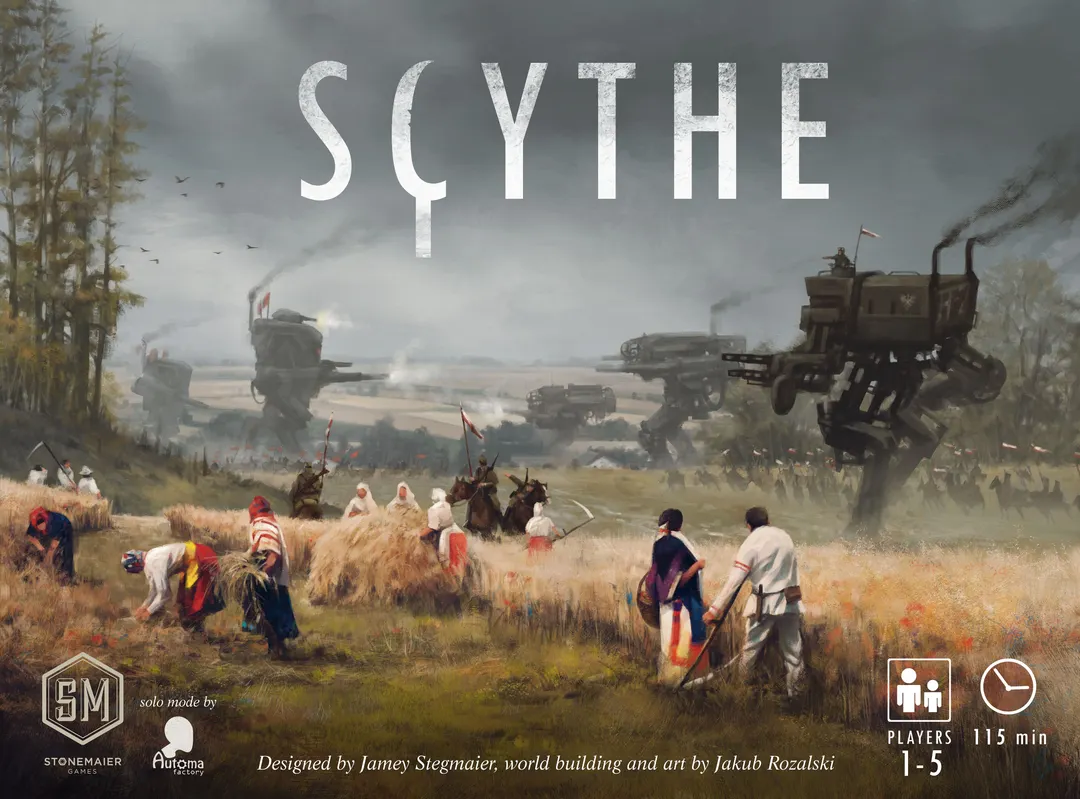
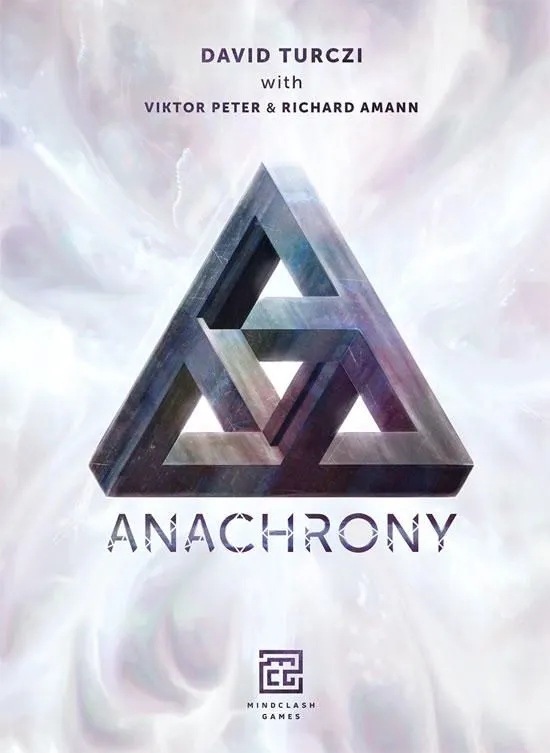
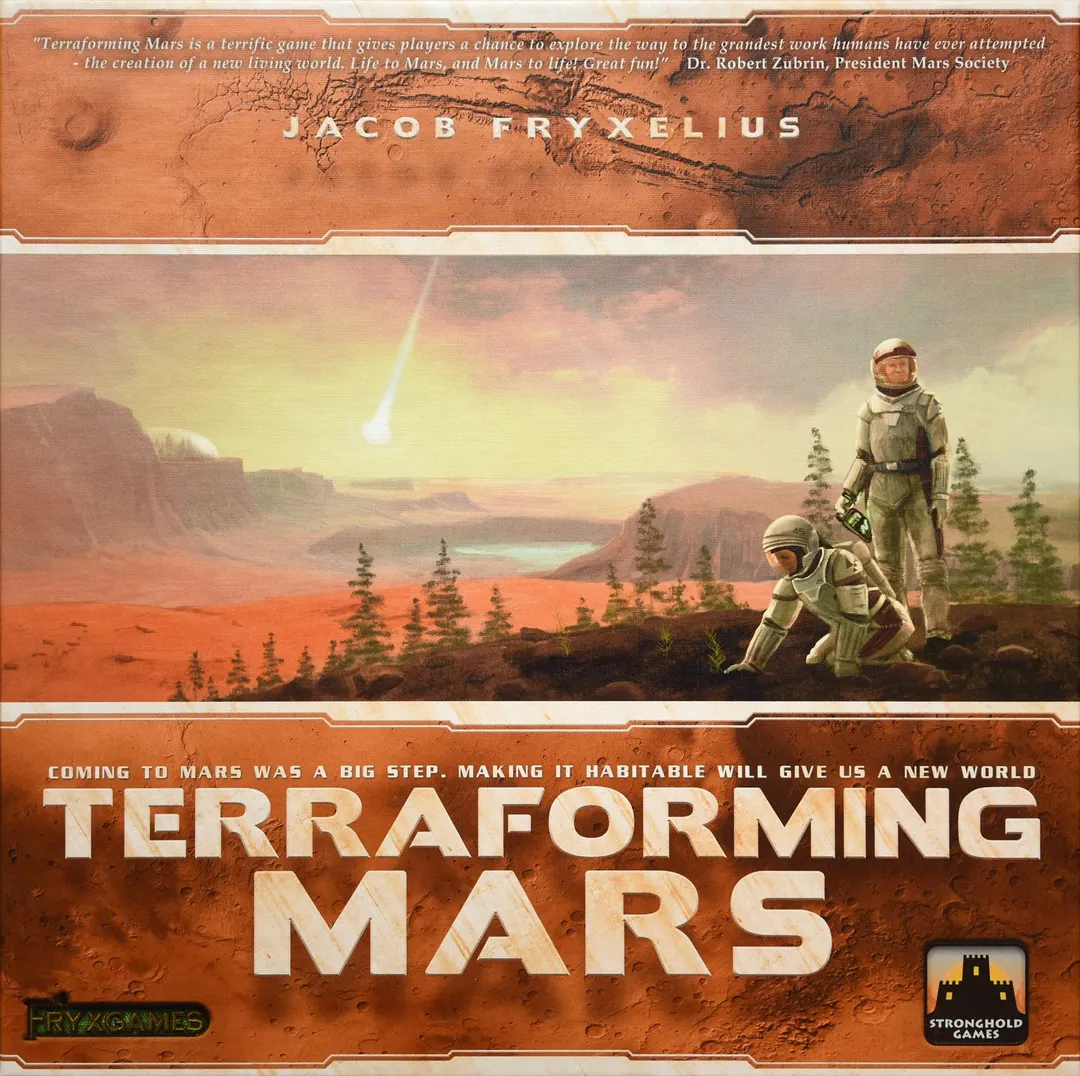
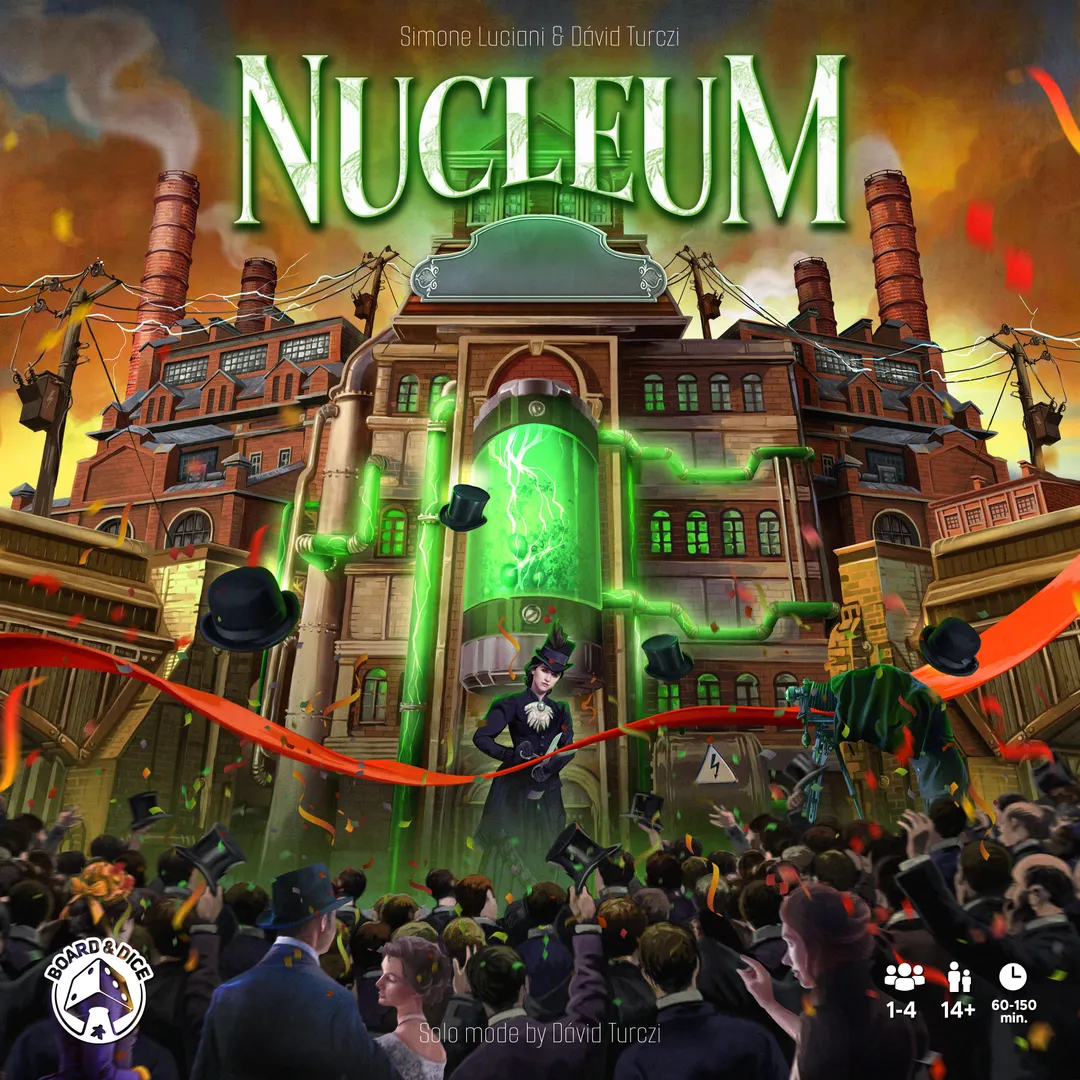

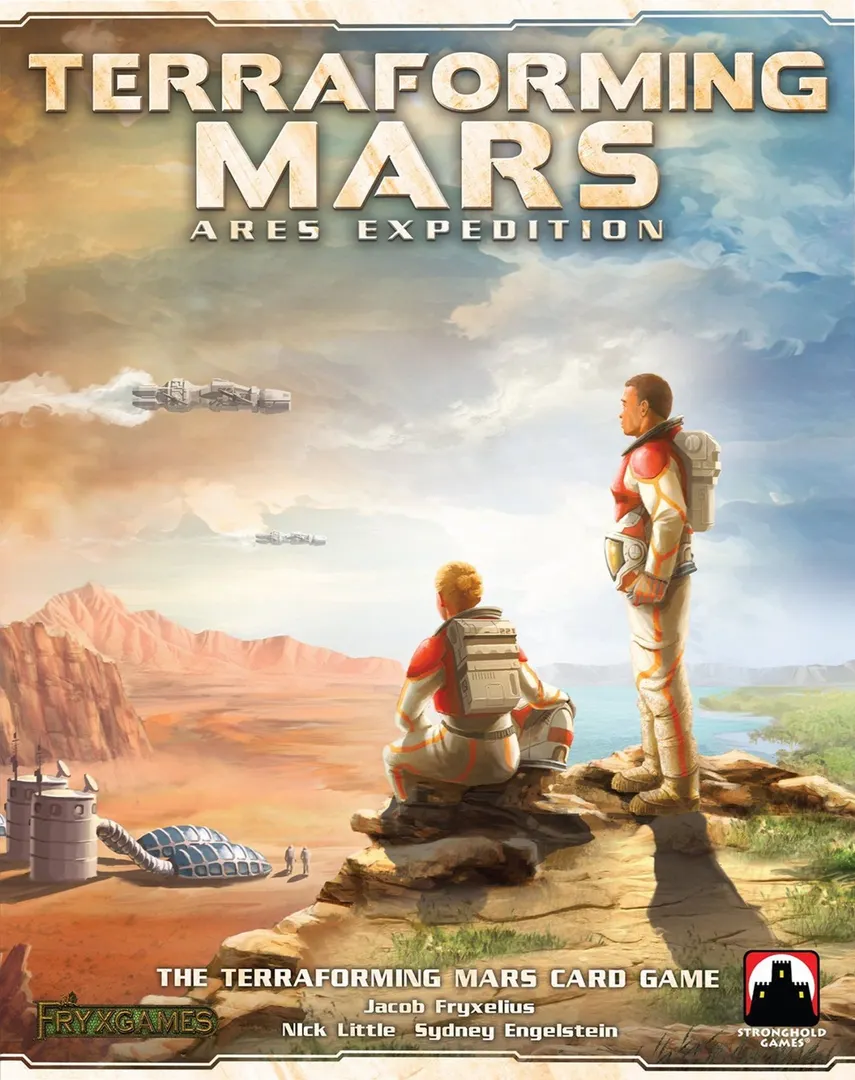
The year is 2179, and Earth's future seems bleak. Years of pollution have tarnished the landscape, and the world's supplies of natural resources have dwindled to abysmal levels.The use of electric vehicles, solar technologies, and other energy-saving solutions have slowed the problem, but the long-term abuse on the planet by previous generations has been hard to reverse. Most Earthlings seem to have given up hope, yet a group of optimistic explorers are trekking to Mars, which some believe may turn around their fate. In search of knowledge, these explorers hope that understanding the demise of alien populations can assist them with preventing or at least slowing the rapid deterioration of Earth. They'll need to replicate Martian technologies, translate their languages, and avoid gaining too much radiation along the way in order to end up with the most prestige and save Earth as they know it. In Ruins of Mars, players compete to build out their arsenal of knowledge, attempting to understand the languages of ancient civilizations that colonized Mars and made it a hub of economic activity. The game is played around a board with five locations and eleven communal action tiles that are laid out at random underneath the board as evenly as possible. On a turn, you choose one of the locations, optionally pay to shift an action tile from an adjacent location to the active one, take the action of the location — the effect of which will be based on the tiles below that space — optionally replicate alien tech by paying resources and adding it to your board for personal use, then reallocate the action tiles from the active site in a mancala-like fashion. Over the course of the game, you learn the Martian languages and re-discover and study their technologies, which come in three levels and multiple classifications and which grant you special abilities. Along the way, you might pick up radiation from various actions, and you'll want to ditch that if possible so as not to lose points in the final scoring, which is mostly based on the tech you've assembled and your skill with languages.
Ruins of Mars supports 1–4 players according to the catalogue. This range comes from the publisher’s listed player count, so the game can be set up for any group size within it. Some setups, rules and scoring details may still vary by player count, so check your edition’s rulebook for the exact configuration.
The listed playing time for Ruins of Mars is 60–120 minutes. This is the publisher’s estimate for a full game. The actual duration depends on the group, the player count and familiarity with the rules: first sessions usually run longer, while experienced groups often finish faster. Setup and teaching time are not included in this estimate.
The catalogue lists Ruins of Mars for ages 14 and up. This is the publisher’s recommendation and reflects reading demands, rule complexity and small components rather than theme alone. Younger players can often join with help from an adult, so check the age guidance on your edition and consider your group’s experience with board games.
Ruins of Mars has a complexity rating of 2.0 out of 5 from BoardGameGeek players, which makes it a medium-light game. The rating reflects how much rules knowledge, planning and decision-making a typical game demands. Expect a longer first teach for heavier games, and use a preparation guide before game night.
Ruins of Mars belongs to these categories: Science Fiction. Its main mechanics are Variable Player Powers, End Game Bonuses, and Solo / Solitaire Game. Categories describe the theme and setting of a game, while mechanics describe what players actually do on their turns. Each mechanic links to a catalogue hub with similar games, which helps when you want something comparable.
The credited designers of Ruins of Mars are: Don Riddle. These credits come from the published game data and name the people responsible for the game’s design, not its illustrators or publishers. Designer pages on MeepleRules collect other titles by the same designers, which helps when you enjoy a game and want to find similar ones.
The catalogue lists Ruins of Mars as a base game. It can be played on its own with the components in the box and does not require any other title. Expansions, if any exist, add new content or rules on top of it and are listed separately in the catalogue with a link back to this base game.