

- BGG rank
- BGG #25,063
- BGG rating
- 5.8
Middle Sea: Empires of the Feudal Age
- 2–40 players
- 240 min
- Complexity 2.3/5
- 1979
2010
Rules assistance for Ruthenia
Plain-language explanations of turns, card effects and disputed situations, with official source references and saved question history.
What would you like to know?
Answers come from the official rulebook, with the page to check.
Ruthenia is a board game released in 2010 for 2–4 players, 120 minutes per game, and ages 12 and up. It was designed by Denys Lonshakov and its main mechanics are Area Movement, Dice Rolling, and Area Majority / Influence.

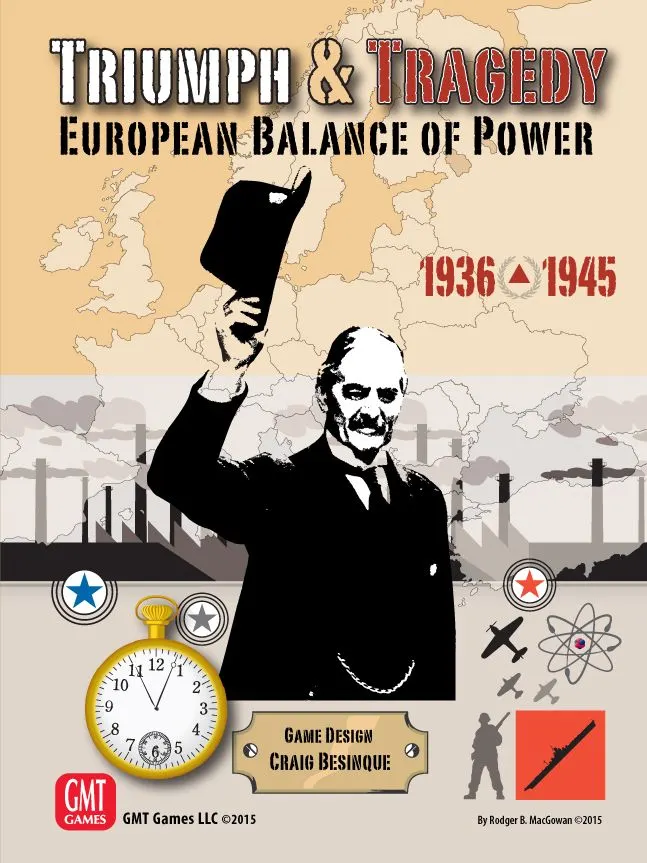




Ruthenia: The Boardgame The Hunnic empire has fallen and old empires are returning to power in the Mediterranean. Hordes of Nomads continue to invade Europe through the eastern steppe. They cross the rivers Rha, Tanais and Danapris to enter the lands of the Eastern Roman Empire, known as Byzantium. The settlers of the Slavic tribes are moving south from the northern forests and swamps. They will soon inhabit Eastern Europe and the Balkans. Three young states have emerged: the Bulgarian Khanate, the Khazar Khaganate and Kievan Rus. They will struggle against each other and against the powerful Eastern Roman Empire for the right to exist and dominate the region. Ruthenia is a classic two-level historical strategy game set in Eastern Europe in the 8th to 10th centuries. You lead one of four states building fortresses, markets and temples, using fleets to trade, rob and transport troops, conquering new territories, commanding armies and conducting high politics. In each battle, you lead your army personally. Cards are used to represent the soldiers lined up in medieval combat. Your army has four basic troop types – line infantry, heavy infantry, light cavalry and heavy cavalry – as well as support troops such as archers, garrisons and sailors. You can enhance the performance of your forces through the play of military action cards. Rules govern the movement of non-player factions, including tribes and hordes as well as the states not taken by players. Ruthenia includes: 1 Game Board (46.5 x 52.5 cm), 20 Army Counters, 228 Round Cardboard Tokens, 296 Cards, 4 Dice, 5 Summary Sheets, a Strategy Book and a Battle Book.
Ruthenia supports 2–4 players according to the catalogue. This range comes from the publisher’s listed player count, so the game can be set up for any group size within it. Some setups, rules and scoring details may still vary by player count, so check your edition’s rulebook for the exact configuration.
The listed playing time for Ruthenia is 120 minutes. This is the publisher’s estimate for a full game. The actual duration depends on the group, the player count and familiarity with the rules: first sessions usually run longer, while experienced groups often finish faster. Setup and teaching time are not included in this estimate.
The catalogue lists Ruthenia for ages 12 and up. This is the publisher’s recommendation and reflects reading demands, rule complexity and small components rather than theme alone. Younger players can often join with help from an adult, so check the age guidance on your edition and consider your group’s experience with board games.
Ruthenia has a complexity rating of 3.1 out of 5 from BoardGameGeek players, which makes it a medium-weight game. The rating reflects how much rules knowledge, planning and decision-making a typical game demands. Expect a longer first teach for heavier games, and use a preparation guide before game night.
Ruthenia belongs to these categories: Economic, Wargame, and Medieval. Its main mechanics are Area Movement, Dice Rolling, and Area Majority / Influence. Categories describe the theme and setting of a game, while mechanics describe what players actually do on their turns. Each mechanic links to a catalogue hub with similar games, which helps when you want something comparable.
The credited designers of Ruthenia are: Denys Lonshakov. These credits come from the published game data and name the people responsible for the game’s design, not its illustrators or publishers. Designer pages on MeepleRules collect other titles by the same designers, which helps when you enjoy a game and want to find similar ones.
The catalogue lists Ruthenia as a base game. It can be played on its own with the components in the box and does not require any other title. Expansions, if any exist, add new content or rules on top of it and are listed separately in the catalogue with a link back to this base game.