

- BGG rank
- BGG #65
- BGG rating
- 8.7
Oathsworn: Into the Deepwood
- 1–4 players
- 30–90 min
- Complexity 3.7/5
- 2022
2025
Rules assistance for Soul Raiders
Plain-language explanations of turns, card effects and disputed situations, with official source references and saved question history.
For 1 player
What would you like to know?
Answers come from the official rulebook, with the page to check.
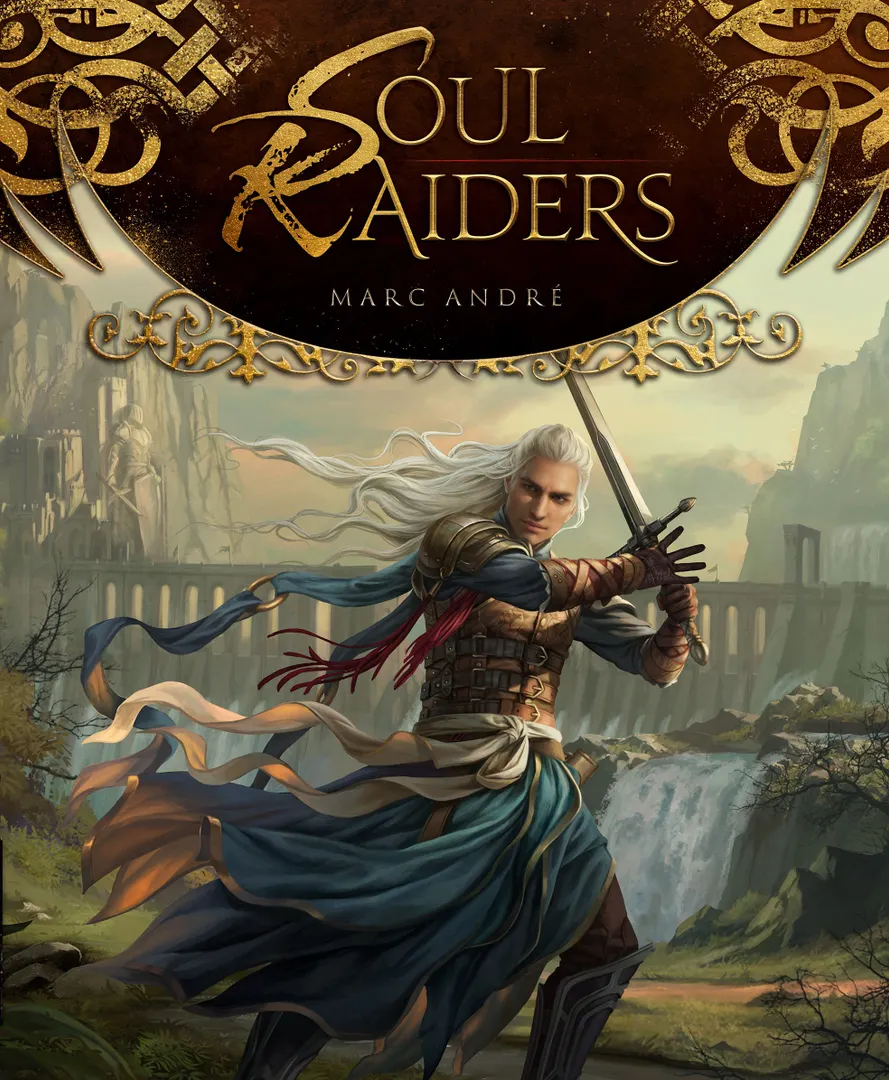
Soul Raiders is a board game released in 2025 for 1–4 players, 120–240 minutes per game, and ages 13 and up. It was designed by Marc André and its main mechanics are Variable Player Powers, Hand Management, and Storytelling.



Tomorrow is the day: you will pledge yourself to the ancestral order of the Soul Raiders, in the heart of their mighty fortress. As a powerful warrior-mage, you will vow to watch over the world of Kivros and its inhabitants, explore the ruins of forgotten civilisations… And above all, send tortured souls back beyond the Veil, where they belong. Are you ready, young apprentice, to forfeit any hope for glory, wealth, and the tranquillity of an ordinary life? Will you honor your pledge to this order, and take arms to face this world’s countless dangers? Embark for a mysterious and breathtaking journey, full of thrilling adventures and stunning revelations... Join the Soul Raiders. Soul Raiders is a story-driven cooperative game, created by best-selling author Marc André (Splendor) and a team of talented artists, such as Guillaume Tavernier (De Architectura) or Magali Villeneuve (Magic The Gathering). In this fast-paced narrative game, the players become powerful heroes. They will be able to roam freely in a variety of settings, cooperating to overcome the threat of an impending doom before it is too late! An epic narrative game Soul Raiders immerse the players in a high-fantasy setting; as powerful heroes, they will overcome the many threats to their order of warrior-mages and the universe as a whole. Designed like a book, the game is divided in chapters, or game sessions (1 to 2 hours per session). Each chapter depicts a specific setting in which players will complete quests, collect information and increase their power to progress through the overarching story. Soul Raiders will spread on several chapters, woving an epic tale around the players and their characters from one book to the next. A fast-paced and cinematic game system The game system features a fast-paced and streamlined gameplay', entirely geared towards the experience of a story-driven, cinematic and cooperative adventure. The players act simultaneously to explore their surroundings. Without turn order, they can progress together or split the party as they see fit to hop from one scene to the next. Each setting is composed of a set of tiles, places where the heroes can interact with their environment. Taking a variety of actions while battling the forces pitted against them, they jump from one tile to another as the story unfolds, sometimes spread out on different scenes, always focusing on the heart of the action. Building cooperative tension The heroes live and die as one. Their health points is a common pool, tracked on the side of the board: each time a player takes damage, the marker progresses. If it goes too far, the whole party fail at completing the chapter. Even if they manage to stay safe, time runs out fast... The Threat track is another timer that brings the heroes to their demise. It progresses as they encounter new creatures and events, leading to their capture if they stay idle for too long. Narrative story with a strong replay value If they cooperate efficiently, any path can lead to the completion of the current chapter, as the players do not have to follow a specific set of events, but try to achieve independent and interwoven quests. If the party fails, it can still move onto the next chapter, triggering a unique setback. Only the final chapter of the story needs to be completed successfully — or else they will go back to the beginning of the tome. This non-linear approach to a narrative system, combined to the time pressure and the possibility to push the story further, ensure a very good replay value to the gaming experience. Soul Raiders offers you: More than 1000 cards illustrated by a team of talented artists, such as Guillaume Tavernier (De Architectura) or Magali Villeneuve (Magic The Gathering), Innovative story-driven cooperative game, Streamlined and fast-paced system, Strong narrative elements with good replay value. —description from the publisher
Soul Raiders supports 1–4 players according to the catalogue. This range comes from the publisher’s listed player count, so the game can be set up for any group size within it. Some setups, rules and scoring details may still vary by player count, so check your edition’s rulebook for the exact configuration.
The listed playing time for Soul Raiders is 120–240 minutes. This is the publisher’s estimate for a full game. The actual duration depends on the group, the player count and familiarity with the rules: first sessions usually run longer, while experienced groups often finish faster. Setup and teaching time are not included in this estimate.
The catalogue lists Soul Raiders for ages 13 and up. This is the publisher’s recommendation and reflects reading demands, rule complexity and small components rather than theme alone. Younger players can often join with help from an adult, so check the age guidance on your edition and consider your group’s experience with board games.
Soul Raiders has a complexity rating of 2.8 out of 5 from BoardGameGeek players, which makes it a medium-light game. The rating reflects how much rules knowledge, planning and decision-making a typical game demands. Expect a longer first teach for heavier games, and use a preparation guide before game night.
Soul Raiders belongs to these categories: Fantasy, Exploration, and Adventure. Its main mechanics are Variable Player Powers, Hand Management, and Storytelling. Categories describe the theme and setting of a game, while mechanics describe what players actually do on their turns. Each mechanic links to a catalogue hub with similar games, which helps when you want something comparable.
The credited designers of Soul Raiders are: Marc André. These credits come from the published game data and name the people responsible for the game’s design, not its illustrators or publishers. Designer pages on MeepleRules collect other titles by the same designers, which helps when you enjoy a game and want to find similar ones.
The catalogue lists Soul Raiders as a base game. It can be played on its own with the components in the box and does not require any other title. Expansions, if any exist, add new content or rules on top of it and are listed separately in the catalogue with a link back to this base game.