
- BGG rating
- 7.5
Wargamer's Guide to Stalingrad
- 2 players
- Complexity 2.0/5
- 1972
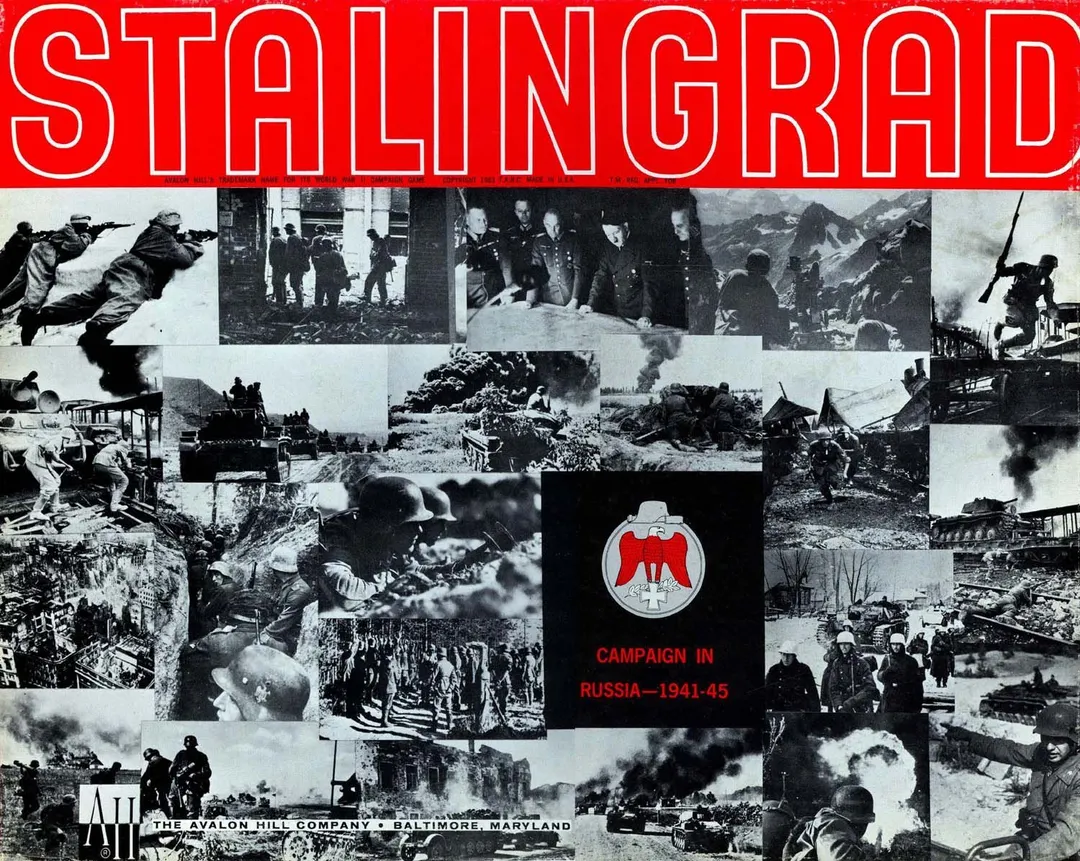
1963
Rules assistance for Stalingrad
Plain-language explanations of turns, card effects and disputed situations, with official source references and saved question history.
For 2 players
What would you like to know?
Answers come from the official rulebook, with the page to check.
Stalingrad is a board game released in 1963 for 2 players, 120 minutes per game, and ages 12 and up. It was designed by Lindsley Schutz, Charles S. Roberts, and Thomas N. Shaw and its main mechanics are Dice Rolling, Grid Movement, and Hexagon Grid.
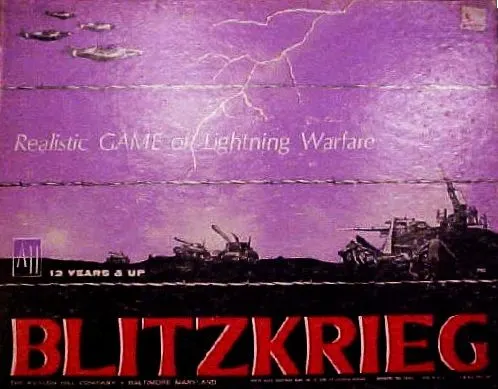
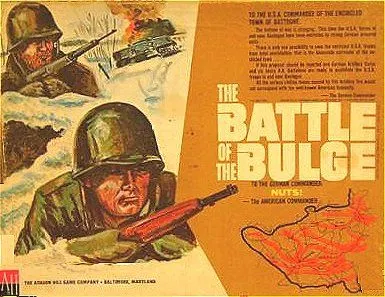
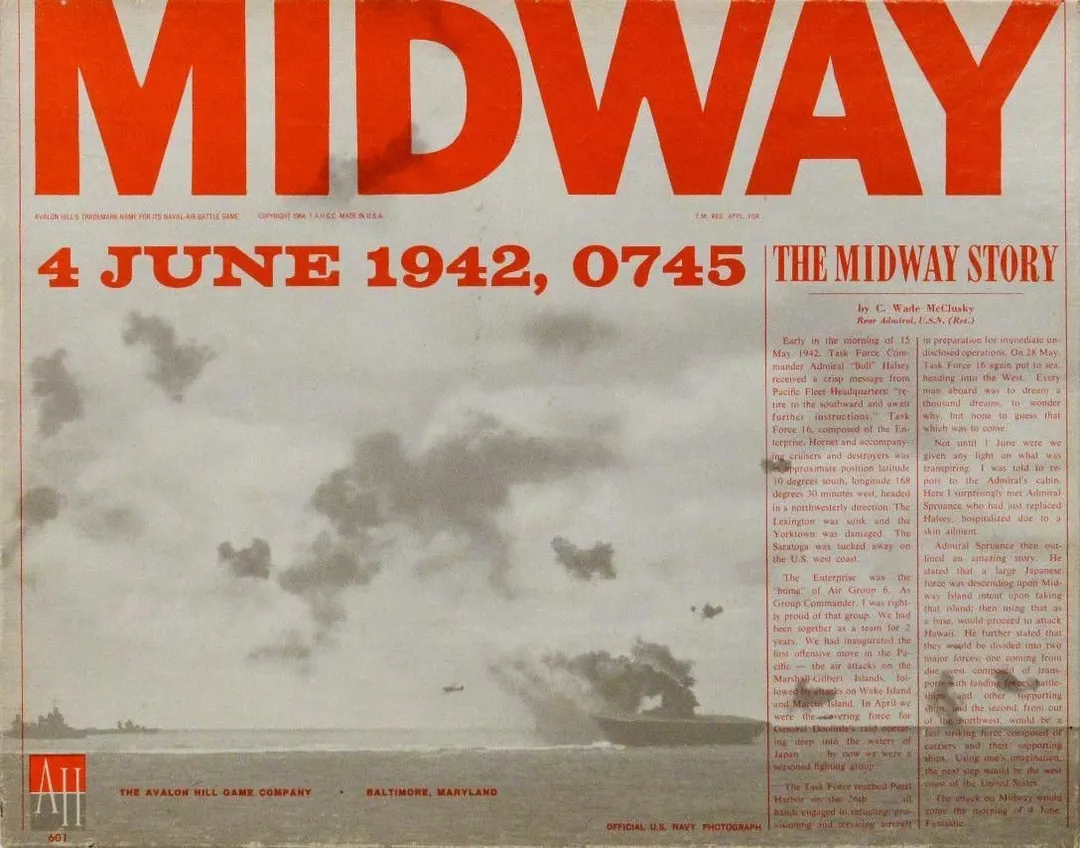





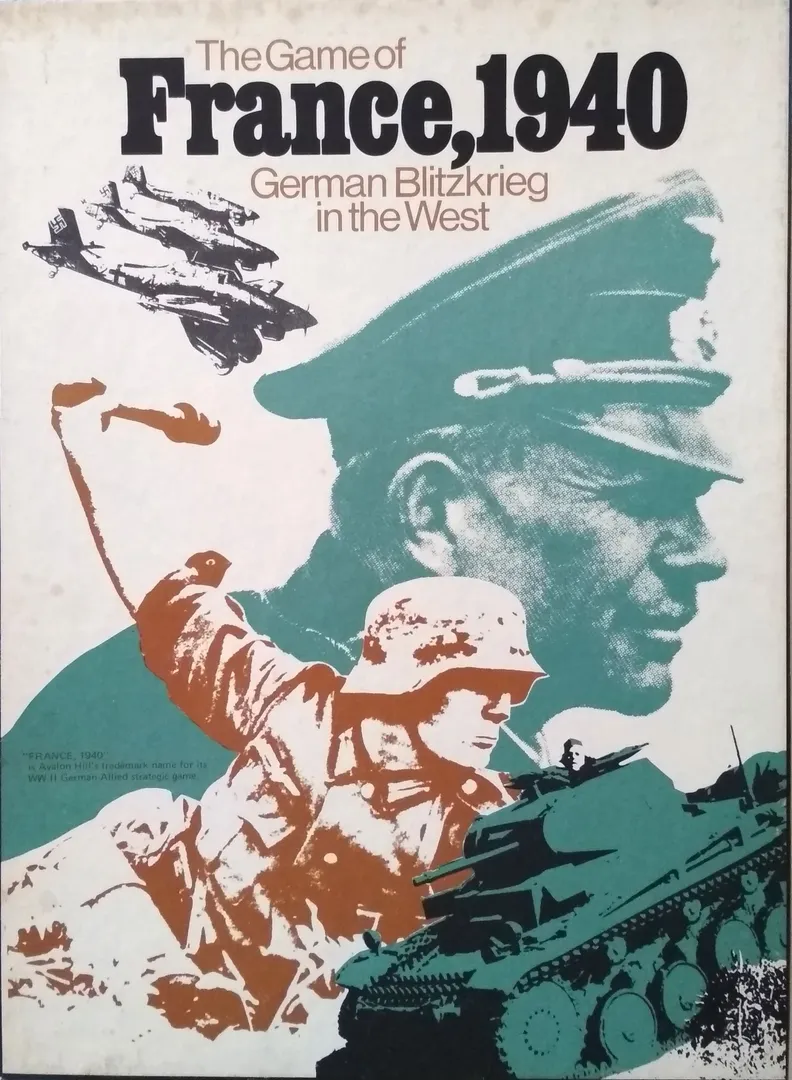
The original edition came out in 1963 in a double-size box. The large box was nearly twice the area of a traditional AH box. Later the game came out in a traditional-size box. A second edition with clarified rules was issued in 1974 with the same standard size box but thinner. The rules are fairly straightforward. The strategies are extremely deep. Stalingrad is by far the most thoroughly and deeply analyzed board war game. Furthermore, the game preserves interest for players at a wide range of levels. Stalingrad is a good game to use to introduce players to hex-based war games. Stalingrad uses a move-combat sequence, alternating between players. There is limited advance (one hex) or retreat (two hexes) after combat. Units have one-hex thick zones of control; movement directly from one hex in the zone of control of a unit into an adjoining hex of the zone of control of the same unit is not allowed. Functional terrain includes swamp (one hex per turn movement), mountains (one hex per turn movement, defenders are doubled), major cities (defenders doubled), rivers (defenders behind rivers are doubled if attacked only across the river), railroads (ten hex movement bonus, must be taken all at once), lakes (impassible). Weather is good in summer, snow in winter, and governed by a table in the spring and fall. Mud halves ground movement. Snow halves ground and rail movement, and freezes (converts to clear terrain) some swamps, rivers, lakes, and oceans. Combat is mandatory between units that are adjacent at the end of each turn, but the attacker chooses which units attack which other units, so long as all adjacent units are in some battle. The classical Avalon Hill D6 table, with results such as D Elim, A Elim, etc is in use. Germans have limited replacements; Russian replacement rates escalate as the game goes on. The objective is to capture the opposition's key cities (for the Russians, Leningrad, Moscow, Stalingrad) or to destroy the other side's army. The Russian (implicit in rules) can also win by taking Helsinki, Warsaw, and Bucharest, and holding them for two complete turns, but I have never heard of this being done between normal players. Several extremely bad German strategic plans are in wide use. Avalon Hill Complexity rating - 2
Stalingrad supports 2 players according to the catalogue. This is the publisher’s listed player count, so the game is designed for exactly that number of participants. Variants for other group sizes, if any, are described in the rulebook of your edition, so check it before setting up a different configuration.
The listed playing time for Stalingrad is 120 minutes. This is the publisher’s estimate for a full game. The actual duration depends on the group, the player count and familiarity with the rules: first sessions usually run longer, while experienced groups often finish faster. Setup and teaching time are not included in this estimate.
The catalogue lists Stalingrad for ages 12 and up. This is the publisher’s recommendation and reflects reading demands, rule complexity and small components rather than theme alone. Younger players can often join with help from an adult, so check the age guidance on your edition and consider your group’s experience with board games.
Stalingrad has a complexity rating of 2.2 out of 5 from BoardGameGeek players, which makes it a medium-light game. The rating reflects how much rules knowledge, planning and decision-making a typical game demands. Expect a longer first teach for heavier games, and use a preparation guide before game night.
Stalingrad belongs to these categories: Wargame and World War II. Its main mechanics are Dice Rolling, Grid Movement, and Hexagon Grid. Categories describe the theme and setting of a game, while mechanics describe what players actually do on their turns. Each mechanic links to a catalogue hub with similar games, which helps when you want something comparable.
The credited designers of Stalingrad are: Lindsley Schutz, Charles S. Roberts, and Thomas N. Shaw. These credits come from the published game data and name the people responsible for the game’s design, not its illustrators or publishers. Designer pages on MeepleRules collect other titles by the same designers, which helps when you enjoy a game and want to find similar ones.
The catalogue lists Stalingrad as a base game. It can be played on its own with the components in the box and does not require any other title. Expansions, if any exist, add new content or rules on top of it and are listed separately in the catalogue with a link back to this base game.