
- BGG rating
- 8.5
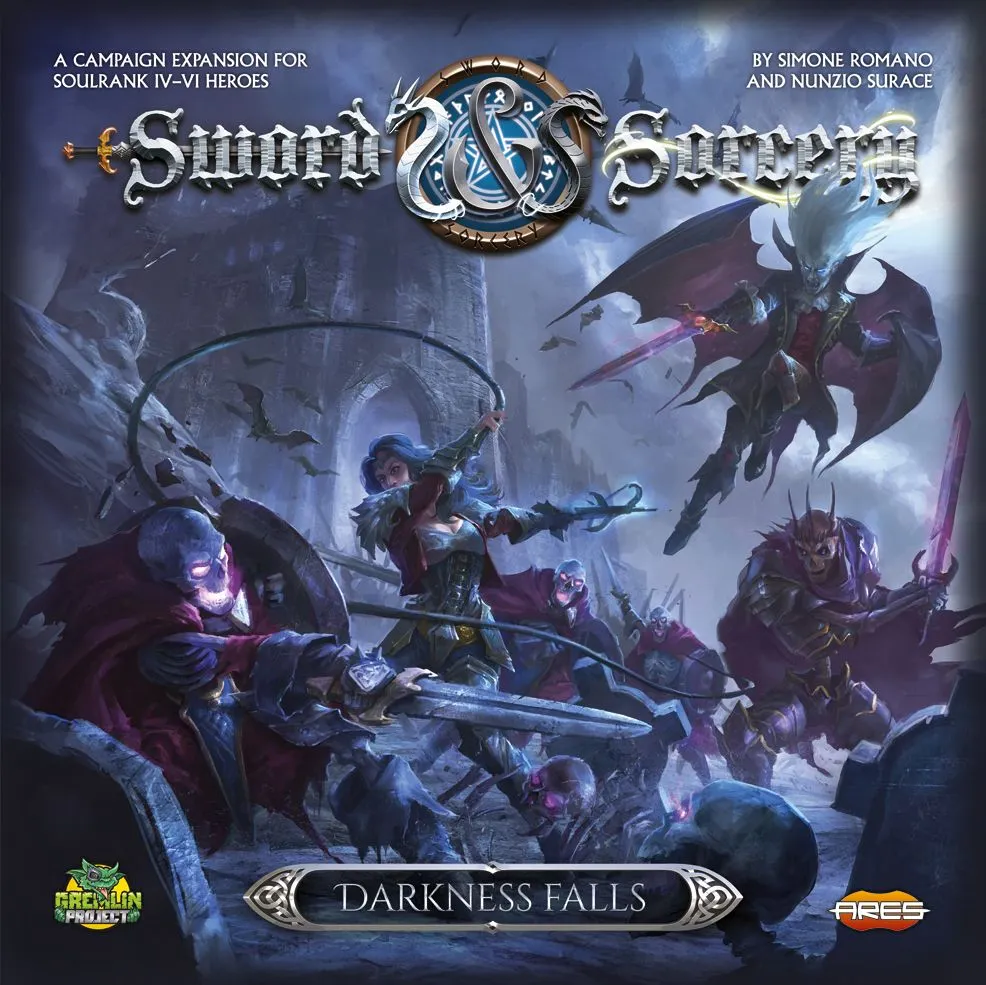
Sword & Sorcery: Darkness Falls
- 1–5 players
- 60–150 min
- Complexity 4.2/5
- 2017
2017
Rules assistance for Sword & Sorcery: Immortal Souls
Plain-language explanations of turns, card effects and disputed situations, with official source references and saved question history.
For 1 player
What would you like to know?
Answers come from the official rulebook, with the page to check.
Sword & Sorcery: Immortal Souls is a board game released in 2017 for 1–5 players, 60–150 minutes per game, and ages 13 and up. It was designed by Simone Romano and Nunzio Surace and its main mechanics are Variable Player Powers, Area Movement, and Dice Rolling.
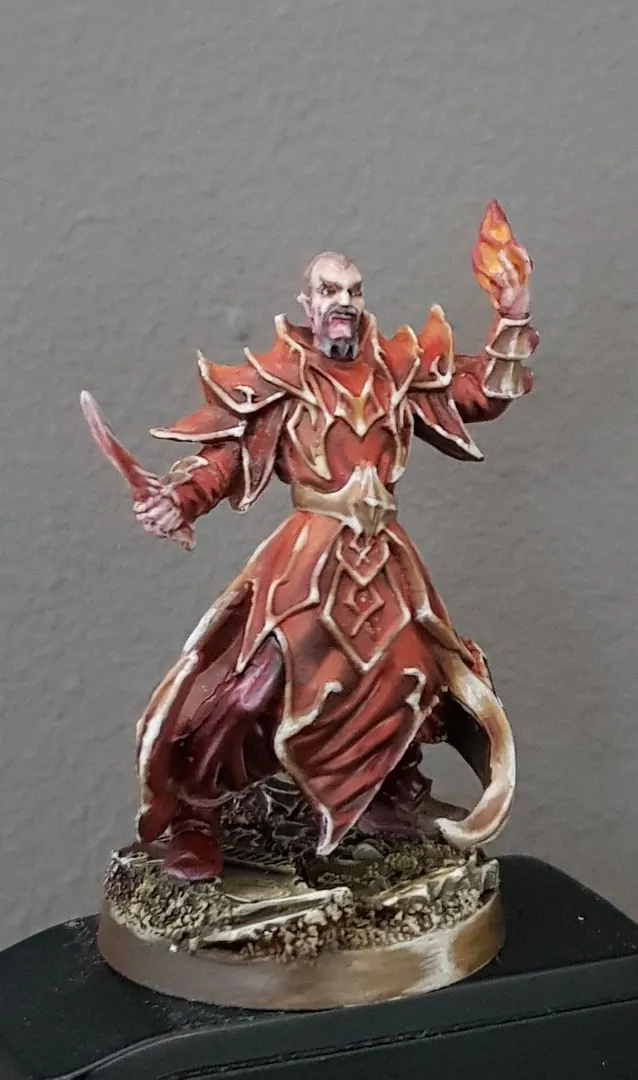
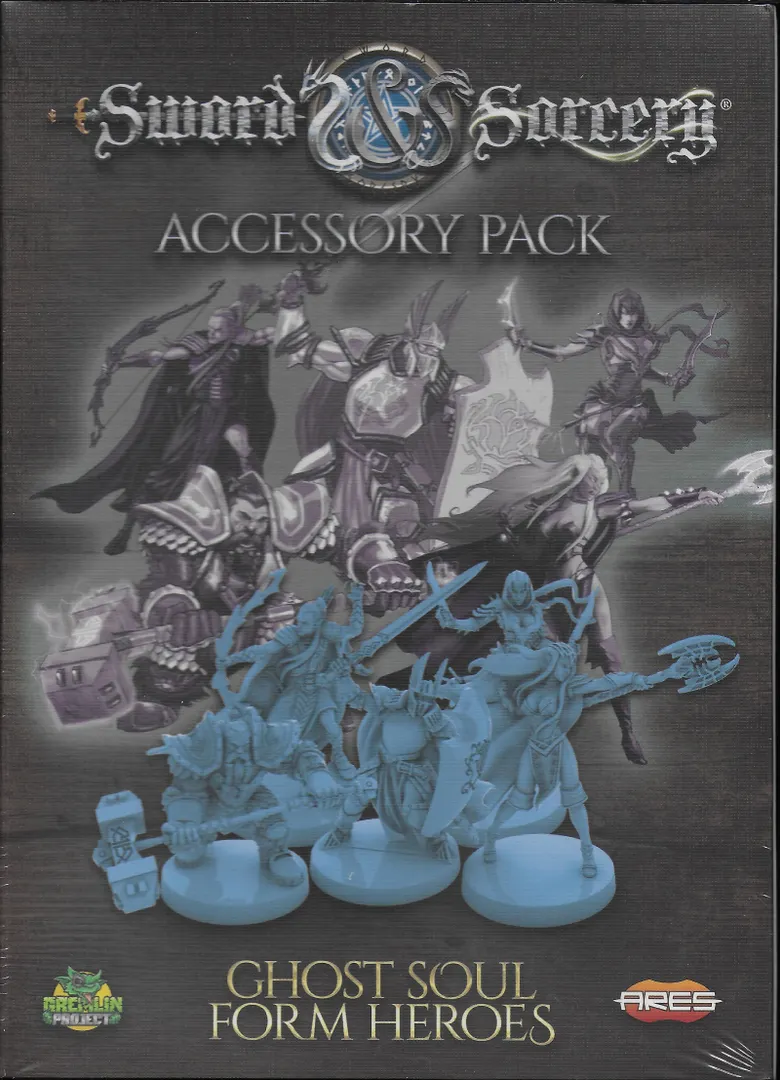
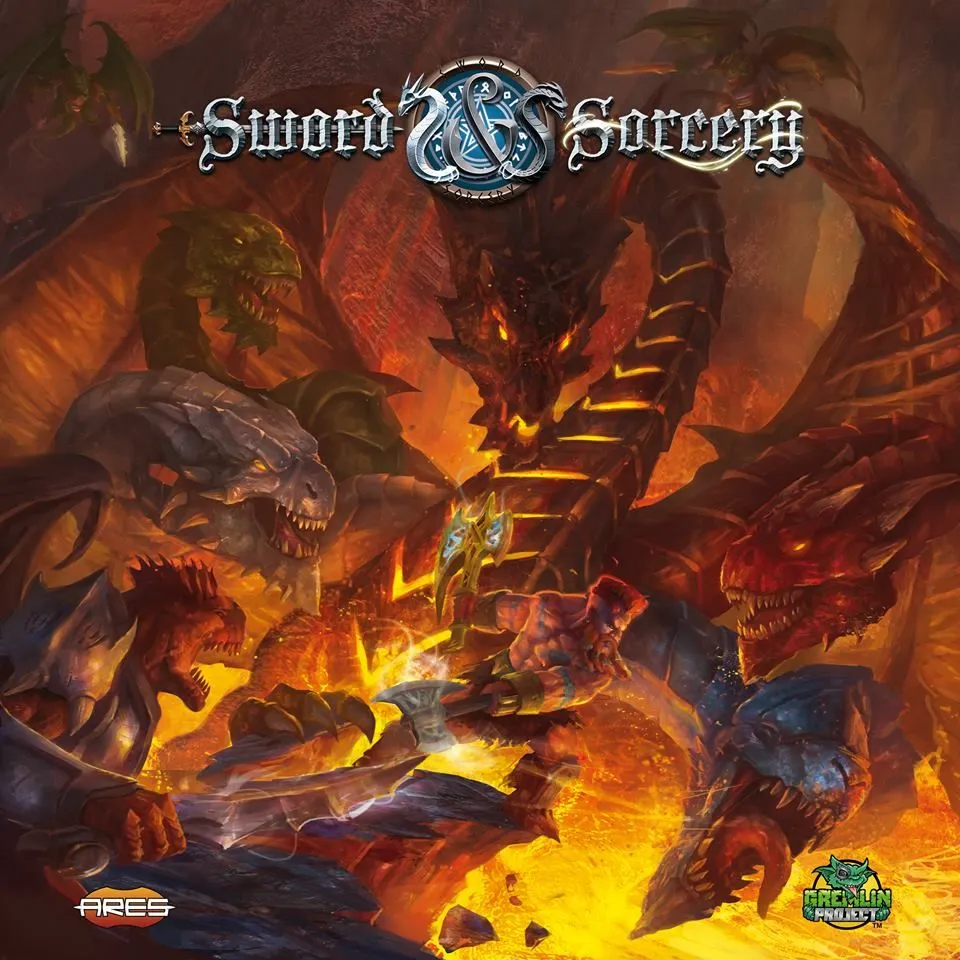
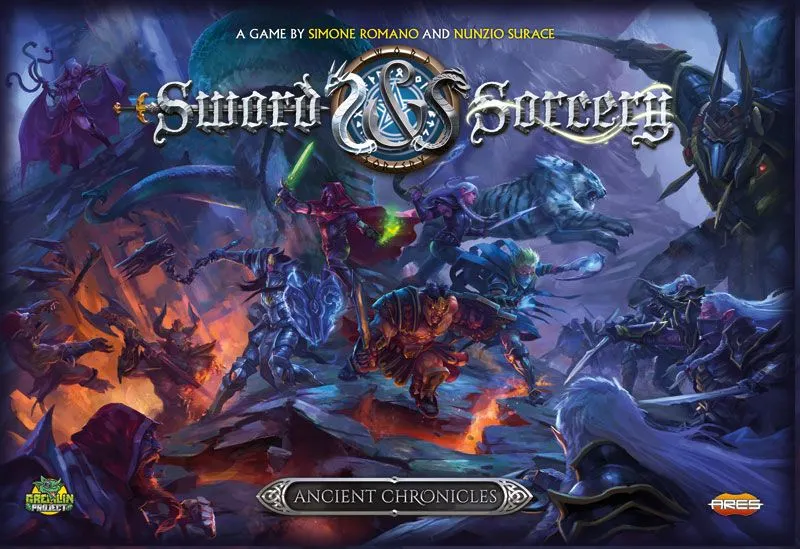



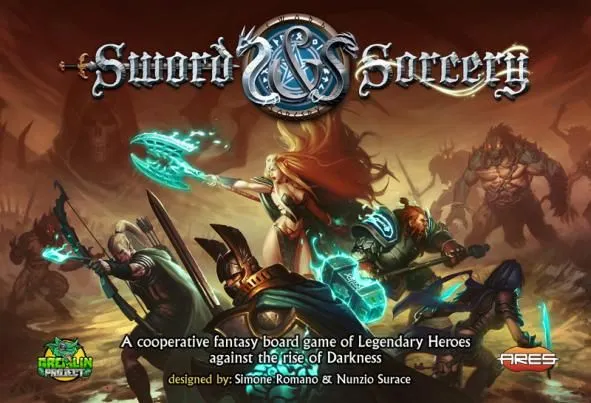
The legend begins! Play heroes of epic stature against the forces of evil. Five heroes awoke from the dead and were made immortal to save the kingdom from the rise of darkness. In Sword & Sorcery: Immortal Souls, up to five players control one or more of these legendary characters brought back to life by powerful sorcery, to fight against the forces of evil, controlled by the game itself. Heroes grow stronger during their story-driven quests. Along the battles, they acquire soul points that regenerate their souls, restoring their legendary status with multiple powers, magic and soul weapons, and powerful artifacts. An innovative A.I. system allows the control and management of enemies by the players, giving them intelligent behavior and creating interesting battles every time, with no Game Master required. There is no player elimination - when a hero dies, he becomes a ghost soul, an ethereal form able to use its unique ghost shout against enemies, and then he can resurrect spending Soul points at the Gods altar. The game features ultra detailed 32mm scale figures and modular boards, several decks of cards, Solo Play, high character customization, sophisticated combat and magic system, and quests designed to be completed in about 90 minutes or less. Gameplay In Sword & Sorcery, each player controls one or more heroes. Each hero is represented by a miniature, a hero sheet, a soul gem, and a number of power and equipment cards. Heroes may have one of two different classes, representing parallel destinies of the character - the result of his or her choices in the past life. The hero sheet is two-sided, to show both options, and each class has unique hero cards to use. The forces of Evil are controlled by the A.I. system of the game. Each enemy has different fighting styles, multiple behaviors, weapons, and additional powers. Each enemy is described by a miniature, a tarot-sized Enemy scroll, and the Enemy card (to keep track of the defensive capabilities of the enemy, and the wounds on each figure). Enemy activation is determined by Encounter cards, drawn after each hero turn. Activation can be based on the fighting styles of the monsters, their rank or other specific conditions, making each turn unique and unpredictable. Sword & Sorcery features a sophisticated Combat and Magic System, based on two types of D10 custom dice. Each attack or defense value may be indicated as a fixed number ("automatic" hits - or parries), plus a number of dice to roll. The roll may generate additional hits or parries (shields), and the icons showing up on the dice (the "bolt" and "pentacle") can also be spent to activate additional weapon or armor effects. Powers and skills are handled through an innnovative cooldown mechanic. Most powers have a variable intensity, and the player can choose whether to activate the power at a low intensity, recovering it sooner, or with full strength, recovering it later. No calculations and tables are needed. At the same time, the system offers great depth as you find the best way to use your skills and equipment to defeat the enemies in front of you.
Sword & Sorcery: Immortal Souls supports 1–5 players according to the catalogue. This range comes from the publisher’s listed player count, so the game can be set up for any group size within it. Some setups, rules and scoring details may still vary by player count, so check your edition’s rulebook for the exact configuration.
The listed playing time for Sword & Sorcery: Immortal Souls is 60–150 minutes. This is the publisher’s estimate for a full game. The actual duration depends on the group, the player count and familiarity with the rules: first sessions usually run longer, while experienced groups often finish faster. Setup and teaching time are not included in this estimate.
The catalogue lists Sword & Sorcery: Immortal Souls for ages 13 and up. This is the publisher’s recommendation and reflects reading demands, rule complexity and small components rather than theme alone. Younger players can often join with help from an adult, so check the age guidance on your edition and consider your group’s experience with board games.
Sword & Sorcery: Immortal Souls has a complexity rating of 4.1 out of 5 from BoardGameGeek players, which makes it a heavy game. The rating reflects how much rules knowledge, planning and decision-making a typical game demands. Expect a longer first teach for heavier games, and use a preparation guide before game night.
Sword & Sorcery: Immortal Souls belongs to these categories: Fantasy, Fighting, and Adventure. Its main mechanics are Variable Player Powers, Area Movement, and Dice Rolling. Categories describe the theme and setting of a game, while mechanics describe what players actually do on their turns. Each mechanic links to a catalogue hub with similar games, which helps when you want something comparable.
The credited designers of Sword & Sorcery: Immortal Souls are: Simone Romano and Nunzio Surace. These credits come from the published game data and name the people responsible for the game’s design, not its illustrators or publishers. Designer pages on MeepleRules collect other titles by the same designers, which helps when you enjoy a game and want to find similar ones.
The catalogue lists Sword & Sorcery: Immortal Souls as a base game. It can be played on its own with the components in the box and does not require any other title. Expansions, if any exist, add new content or rules on top of it and are listed separately in the catalogue with a link back to this base game.