
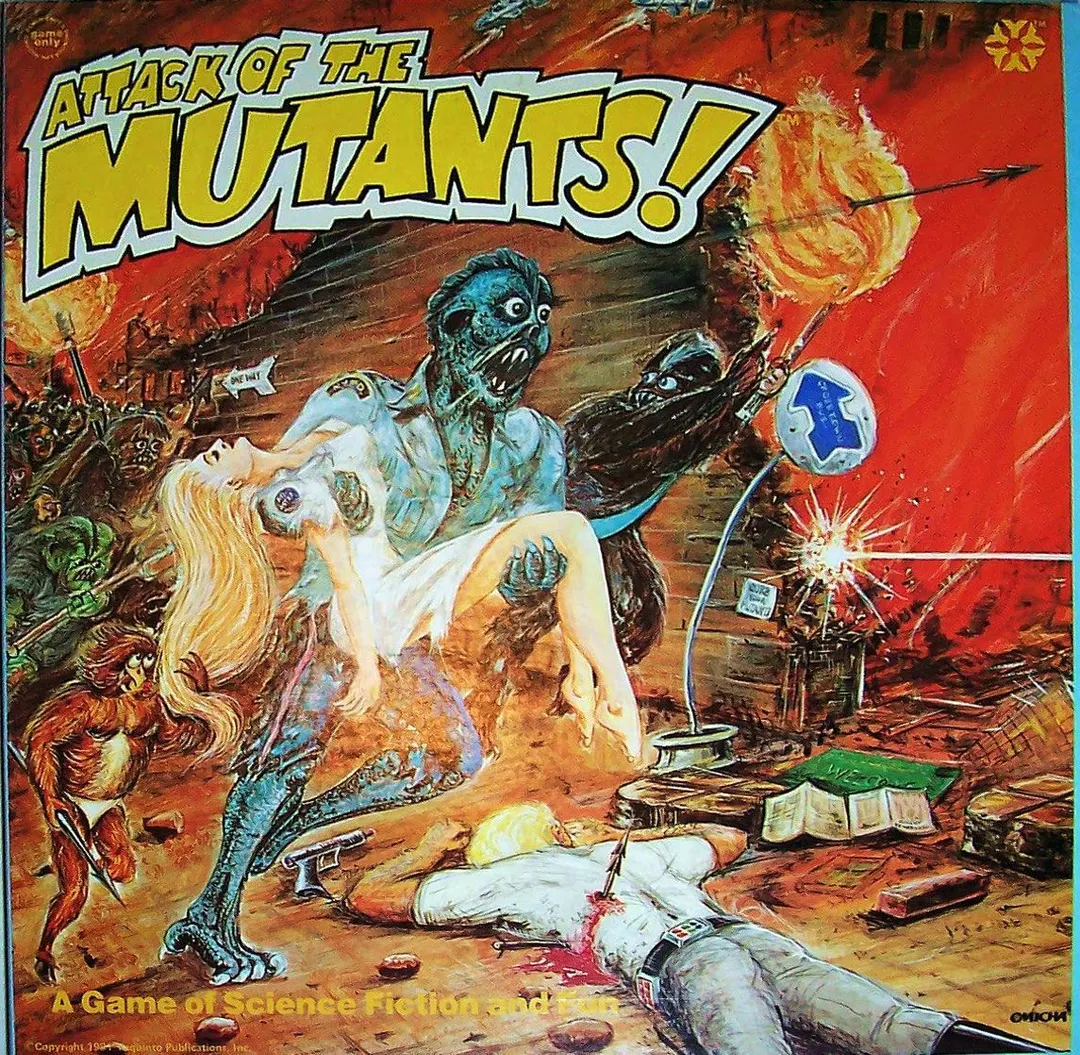
- BGG rank
- BGG #14,969
- BGG rating
- 6.4
Attack of the Mutants!
- 2 players
- 30–60 min
- Complexity 1.8/5
- 1981
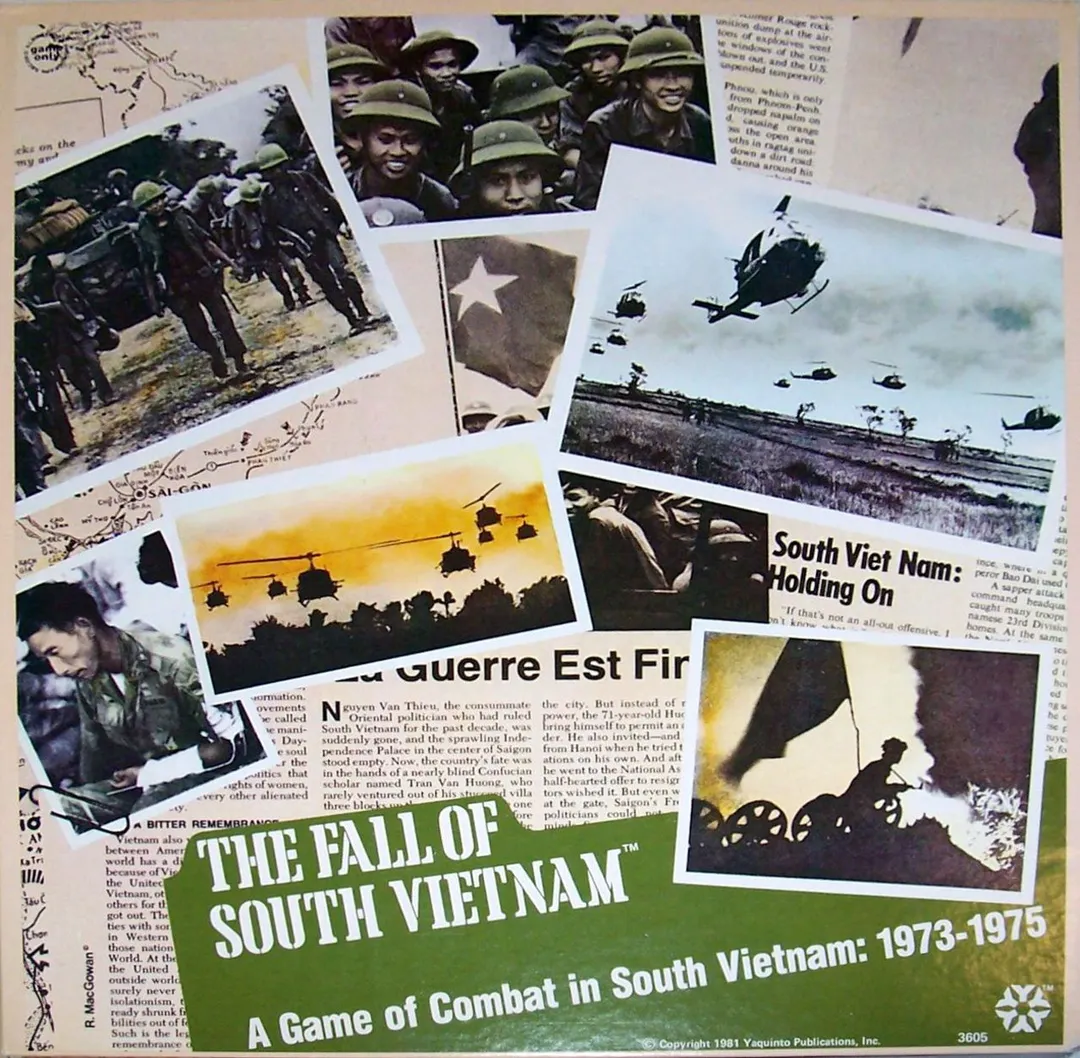
1981
Rules assistance for The Fall of South Vietnam: A Game of Combat in South Vietnam – 1973-1975
Plain-language explanations of turns, card effects and disputed situations, with official source references and saved question history.
For 2 players
What would you like to know?
Answers come from the official rulebook, with the page to check.
The Fall of South Vietnam: A Game of Combat in South Vietnam – 1973-1975 is a board game released in 1981 for 2 players, 60 minutes per game, and ages 12 and up. It was designed by Neil Zimmerer and its main mechanics are Area Movement, Dice Rolling, and Simulation.
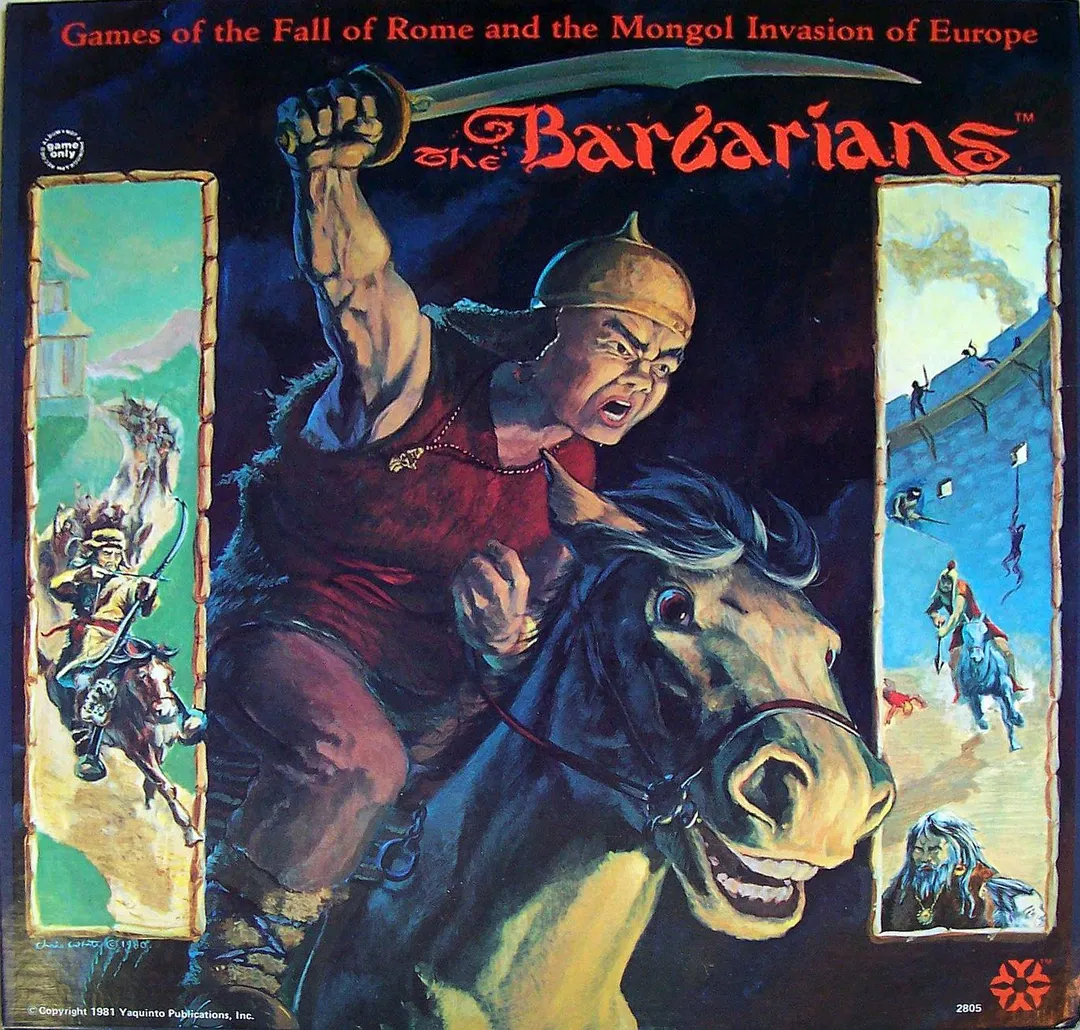






The Fall of South VietNam: A Game of Combat in South VietNam - 1973-1975 is a two-player Strategic level board wargame on the last two years of the VietNam War. The Fall of Saigon in the South of Vietnam by the People's Army of Vietnam and the National Liberation Front on April 30, 1975 marked the end of the VietNam War and the start of a transition period leading to the formal reunification of Vietnam into a Communist state. North Vietnamese forces under the command of the General Văn Tiến Dũng began their final attack on Saigon, which was commanded by General Nguyen Van Toan on April 29, with a heavy artillery bombardment. The Fall of South Vietnam concerns the attempt made by the North to capture Saigon and end the war. The South Vietnamese infantry divisions are trying during the course of this gane to stop and counter the attacks made by the North in order to hold Saigon. The game is played on a 24" X 12" hand painted board and is completed in 8 turns with each turn lasting 30 minutes and correspond to a different season starting with the summer of 1973 and ending in the Spring of 1975 The map has several information on it. The Central Highlands are red and brown and Mekong Delta is mainly Green. The South Vietnam is divided by red borders in twenty different provinces each of which has a provincial capital depicted. Moreover the board is all inclusive with all tables necessary in order to play printed on it. The North is starting the game and then Players alternate turns. The phases if a players turns are as follows: A)The number of units that are available on a players turn are determined by the rolling of a d6 dice B)Movement is made C)Attack phase(Players in the same province have to fight) D)Adjustment Both player have the same rules governing the first three phases.The fourth phase is different though. The North have to move a unit in a province capital in order to gain control and this type of movement is played in this phase The South in the adjustment phase has to total up the number of North Vietnamese-controlled provinces and, if that number is equal to or greater than five he roll on a table for each unit in the South Vietnamese army to see if that unit deserts. Combat occurs simultaneously. Each unit is firing at one other in the same province. If necessary the capital is assaulted if attackers remain.
The Fall of South Vietnam: A Game of Combat in South Vietnam – 1973-1975 supports 2 players according to the catalogue. This is the publisher’s listed player count, so the game is designed for exactly that number of participants. Variants for other group sizes, if any, are described in the rulebook of your edition, so check it before setting up a different configuration.
The listed playing time for The Fall of South Vietnam: A Game of Combat in South Vietnam – 1973-1975 is 60 minutes. This is the publisher’s estimate for a full game. The actual duration depends on the group, the player count and familiarity with the rules: first sessions usually run longer, while experienced groups often finish faster. Setup and teaching time are not included in this estimate.
The catalogue lists The Fall of South Vietnam: A Game of Combat in South Vietnam – 1973-1975 for ages 12 and up. This is the publisher’s recommendation and reflects reading demands, rule complexity and small components rather than theme alone. Younger players can often join with help from an adult, so check the age guidance on your edition and consider your group’s experience with board games.
The Fall of South Vietnam: A Game of Combat in South Vietnam – 1973-1975 has a complexity rating of 2.3 out of 5 from BoardGameGeek players, which makes it a medium-light game. The rating reflects how much rules knowledge, planning and decision-making a typical game demands. Expect a longer first teach for heavier games, and use a preparation guide before game night.
The Fall of South Vietnam: A Game of Combat in South Vietnam – 1973-1975 belongs to these categories: Wargame, Modern Warfare, and Civil War. Its main mechanics are Area Movement, Dice Rolling, and Simulation. Categories describe the theme and setting of a game, while mechanics describe what players actually do on their turns. Each mechanic links to a catalogue hub with similar games, which helps when you want something comparable.
The credited designers of The Fall of South Vietnam: A Game of Combat in South Vietnam – 1973-1975 are: Neil Zimmerer. These credits come from the published game data and name the people responsible for the game’s design, not its illustrators or publishers. Designer pages on MeepleRules collect other titles by the same designers, which helps when you enjoy a game and want to find similar ones.
The catalogue lists The Fall of South Vietnam: A Game of Combat in South Vietnam – 1973-1975 as a base game. It can be played on its own with the components in the box and does not require any other title. Expansions, if any exist, add new content or rules on top of it and are listed separately in the catalogue with a link back to this base game.