
- BGG rank
- BGG #3,016
- BGG rating
- 7.0
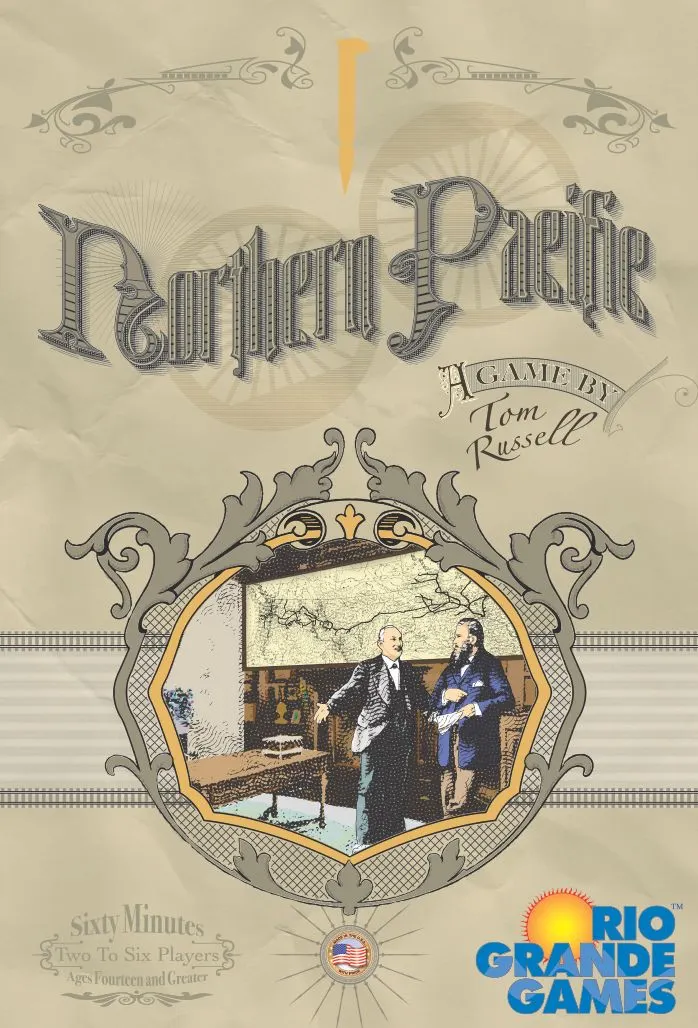
Northern Pacific
- 2–6 players
- 60 min
- Complexity 1.4/5
- 2013
2020
Rules assistance for The Field of the Cloth of Gold
Plain-language explanations of turns, card effects and disputed situations, with official source references and saved question history.
For 2 players
What would you like to know?
Answers come from the official rulebook, with the page to check.
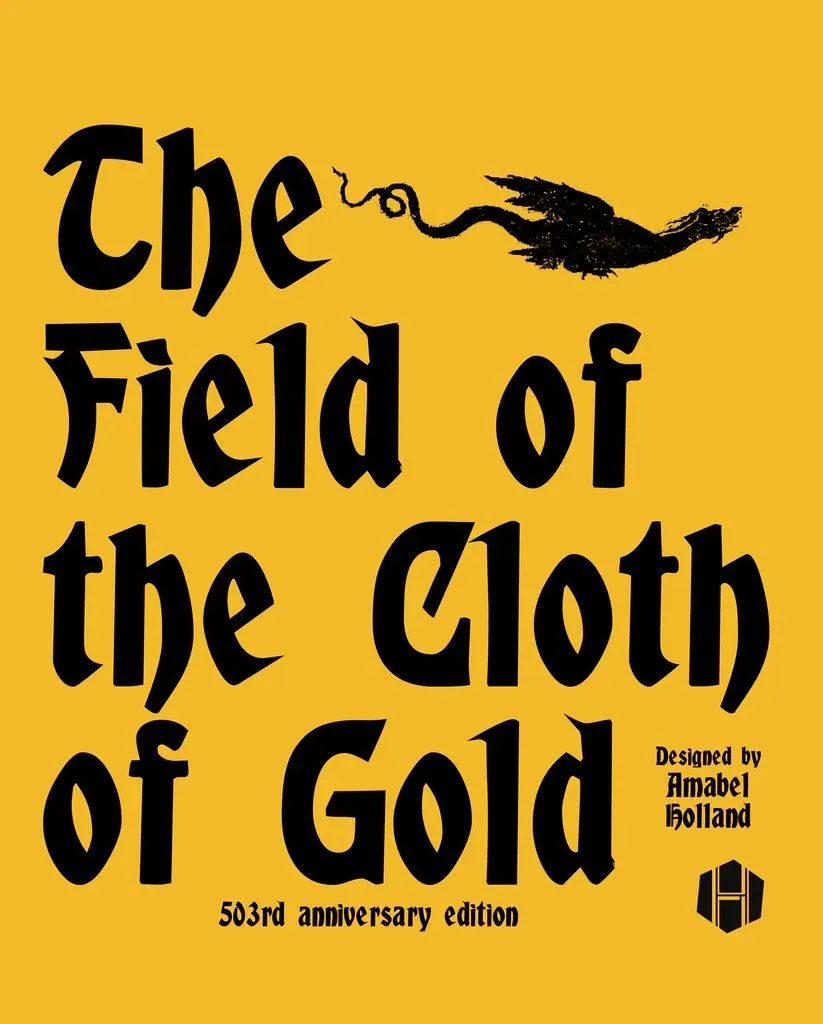
The Field of the Cloth of Gold is a board game released in 2020 for 2 players and 20 minutes per game. It was designed by Amabel Holland and its main mechanics are Set Collection and Worker Placement.
In June 1520, at Balinghem, there met the young and glorious Kings of England and of France in a grand and splendid celebration of their mutual friendship and admiration. There were great feasts and opulent amusements, conspicuous expressions of deepest and sincerest piety, and fierce tournaments. Each King outshone the other in turn, so that the world might be astounded at the wealth and power of each kingdom. So many tents and raiments were made of precious cloth of gold, that the field is so named. This game was created to commemorate the five hundredth anniversary of the world’s most famous three-week party, in which King Henry VIII of England, and Francis I of France, spent ridiculous amounts of money and resources to peacock at each other. Through smiles made of gritted teeth, the game’s two players will express friendship: each action they take will give their opponent a tile that they might use to score. Scoring usually entails removing the tile from the game, so each player must take care to maximize their scoring opportunities while either denying them to their rival, or forcing their rival to score before they’re ready. Once the game is underway, players are generally given only two options, and both of those options are usually painful - even and sometimes especially when they score you points. A sort of subversion of the point salad paradigm, The Field of the Cloth of Gold harkens back to the feel of the classic German games of the 1990s: simple, elegant, austere, and politely vicious. The second edition of the game, dubbed the "503rd anniversary edition", includes a new jewel tile type. —description from the publisher
The Field of the Cloth of Gold supports 2 players according to the catalogue. This is the publisher’s listed player count, so the game is designed for exactly that number of participants. Variants for other group sizes, if any, are described in the rulebook of your edition, so check it before setting up a different configuration.
The listed playing time for The Field of the Cloth of Gold is 20 minutes. This is the publisher’s estimate for a full game. The actual duration depends on the group, the player count and familiarity with the rules: first sessions usually run longer, while experienced groups often finish faster. Setup and teaching time are not included in this estimate.
The Field of the Cloth of Gold has a complexity rating of 1.6 out of 5 from BoardGameGeek players, which makes it a light game. The rating reflects how much rules knowledge, planning and decision-making a typical game demands. Expect a longer first teach for heavier games, and use a preparation guide before game night.
The Field of the Cloth of Gold belongs to these categories: Renaissance. Its main mechanics are Set Collection and Worker Placement. Categories describe the theme and setting of a game, while mechanics describe what players actually do on their turns. Each mechanic links to a catalogue hub with similar games, which helps when you want something comparable.
The credited designers of The Field of the Cloth of Gold are: Amabel Holland. These credits come from the published game data and name the people responsible for the game’s design, not its illustrators or publishers. Designer pages on MeepleRules collect other titles by the same designers, which helps when you enjoy a game and want to find similar ones.
The catalogue lists The Field of the Cloth of Gold as a base game. It can be played on its own with the components in the box and does not require any other title. Expansions, if any exist, add new content or rules on top of it and are listed separately in the catalogue with a link back to this base game.