
- BGG rank
- BGG #18,112
- BGG rating
- 7.9
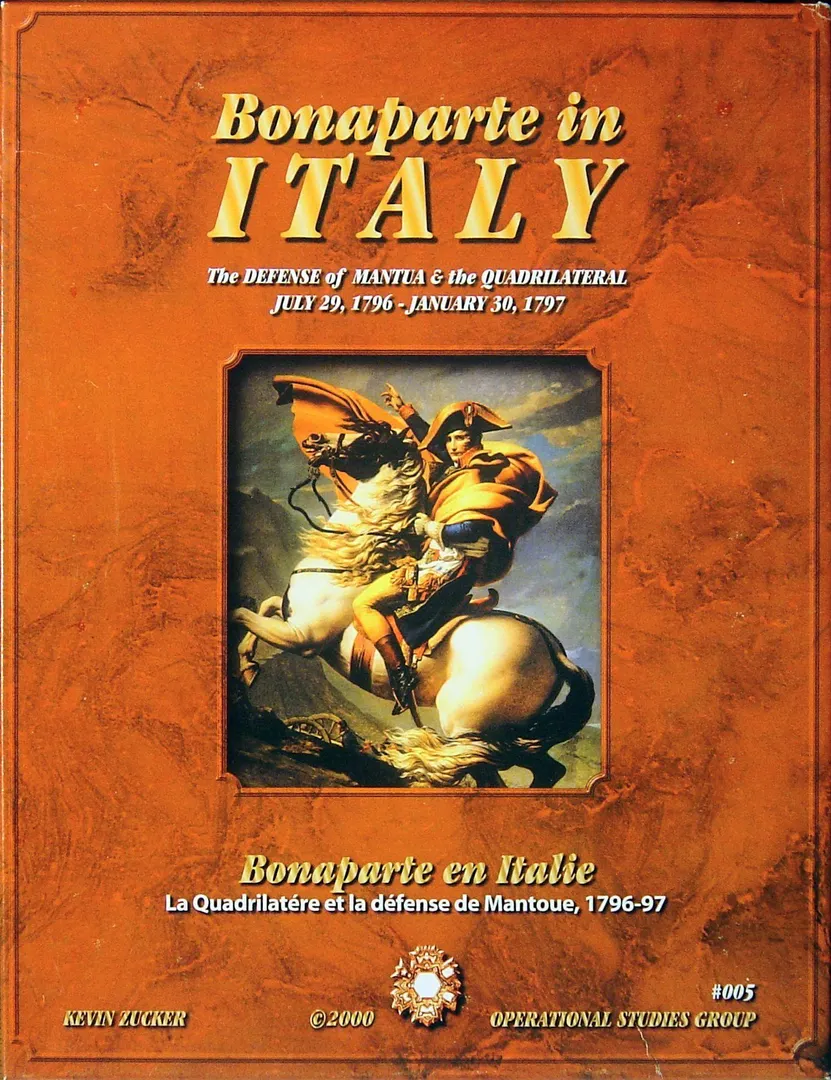
Bonaparte in Italy: The Defense of Mantua & the Quadrilateral, July 29, 1796 - January 30, 1797
- 2 players
- Complexity 4.0/5
- 2000
1998
Rules assistance for The Last Days of the Grande Armee: The Four Days of Waterloo
Plain-language explanations of turns, card effects and disputed situations, with official source references and saved question history.
For 2 players
What would you like to know?
Answers come from the official rulebook, with the page to check.
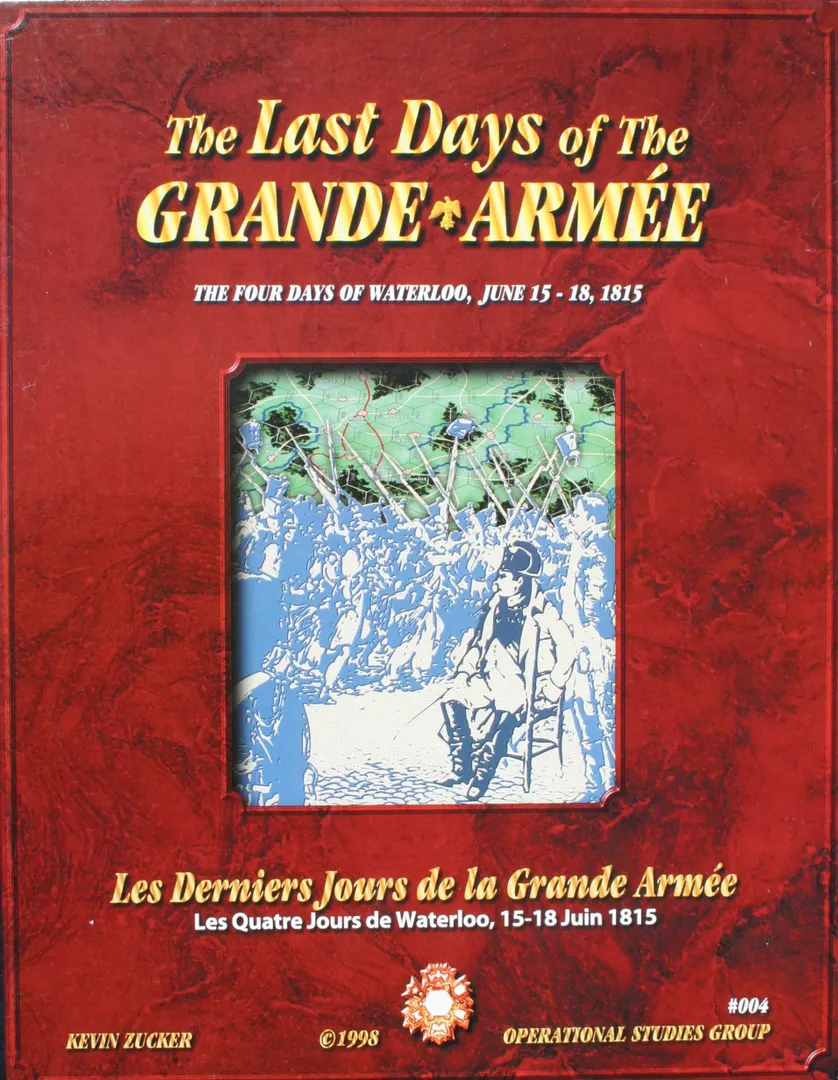
The Last Days of the Grande Armee: The Four Days of Waterloo is a board game released in 1998 for 2 players and 180 minutes per game. It was designed by Kevin Zucker and its main mechanics are Dice Rolling, Hexagon Grid, and Simulation.

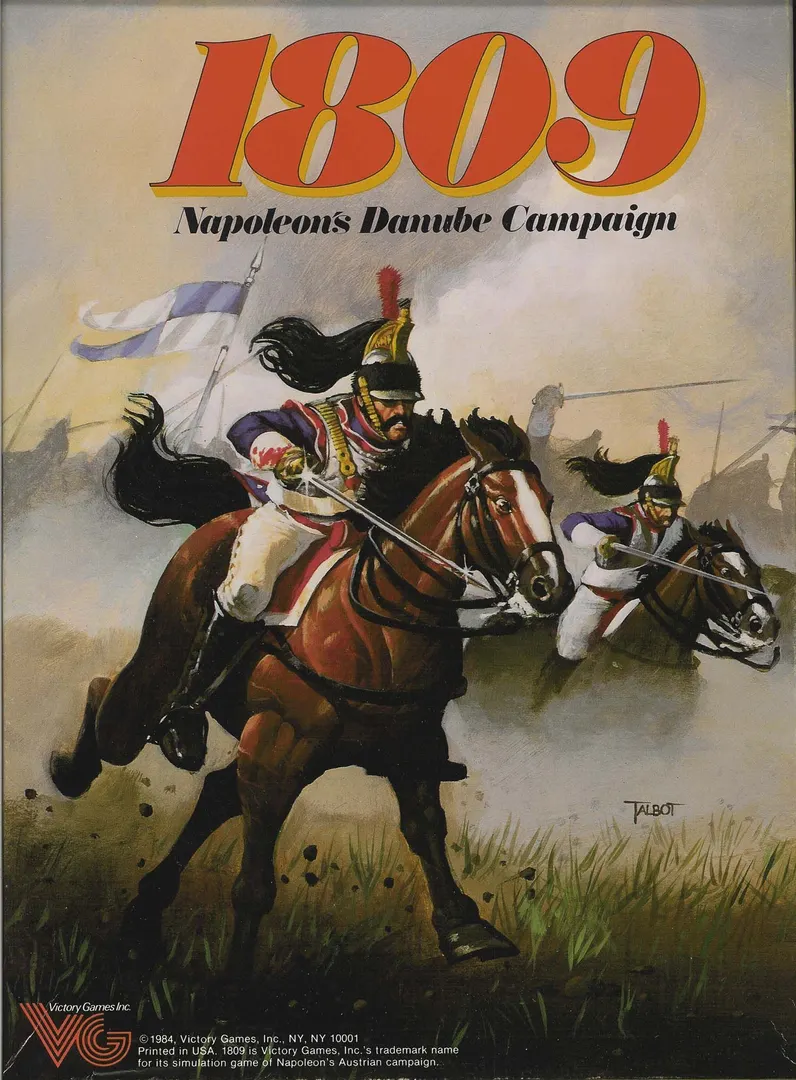
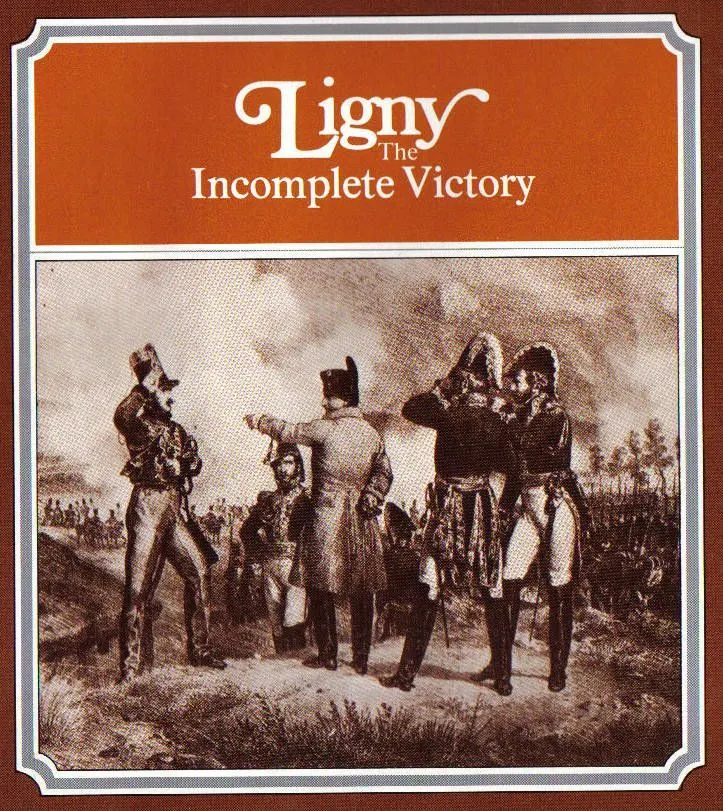
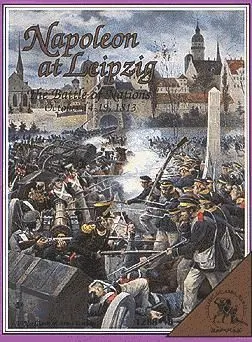
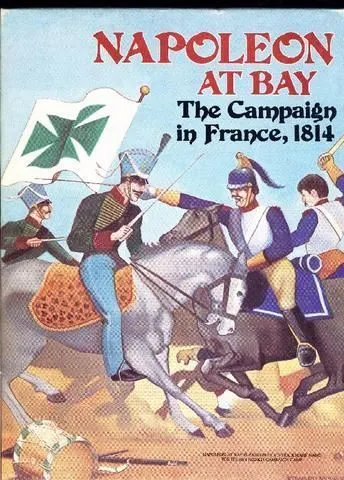
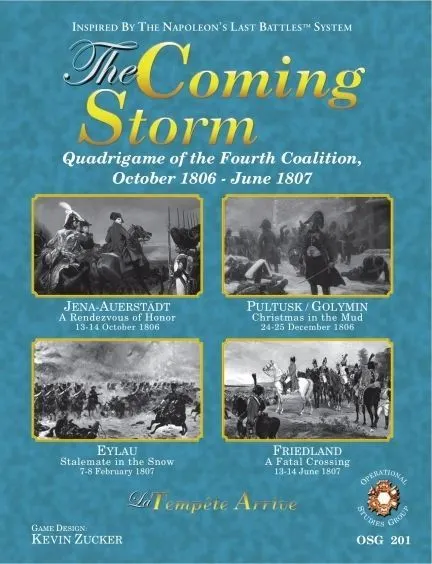
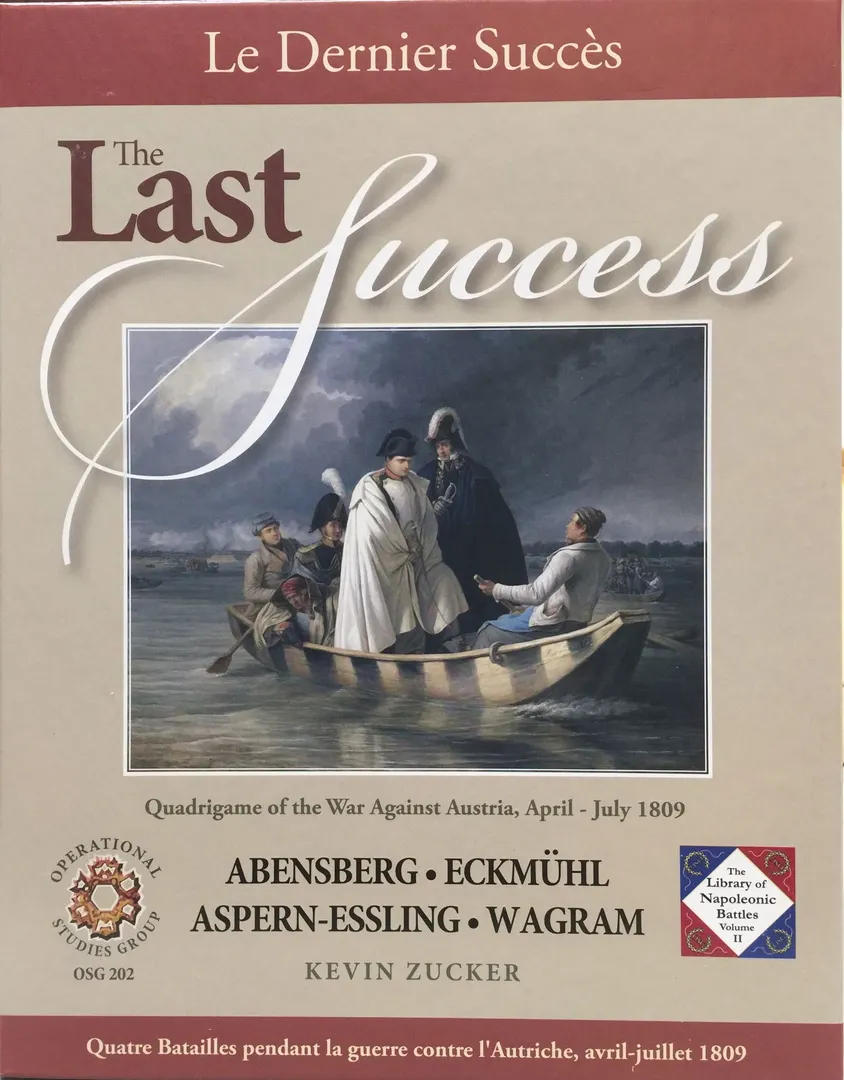
The time is: 1630 hrs., 15 June 1815...The Imperial Guard light cavalry of Lefebvre-Desnottes encountered the Nassau infantry of Bernhard, Duke of Saxe-Weimar. The Duke had taken the initiative to move one of his two regiments south from the vital crossroads of Quatre-Bras, in the rolling countryside of Flanders, to delay the lead elements of the French advance. The French horsemen found the village of Frasnes occupied by a regiment of 1500 Orange-Nassau infantry. The Guard troopers began to ride around the town on both sides, threatening a double envelopment. Observing this, the Nassauers started to withdraw back up the road toward Waterloo. The Guard Chasseurs Regiment, 1100 men under the command of General Francois Lallemand, pursued them off the road into the woods of Bossu, capturing 15 men. At the same time, the 800 Lancers of the Guard continued straight for Quatre-Bras itself. Their commander, General Colbert de la Chabanais, rode behind with a small escort, into the walled-farm of Genioncourt. By pre-arranged signal, the 2600 troops of the 2nd Nassau Regiment, who remained in Quatre-Bras, set fire to a beacon and fired their 8 guns, alerting the rest of the Anglo-Allied army further up the road, toward Waterloo. As the Lancers approached the crossroads, the two Nassau regiments in the town and in the woods on their flank kept up a fire of musketry which made it impossible for them to remain in their exposed position on the open road. Had the Lancers succeeded in hustling the Duke's Nassau troops from Quatre-Bras as they had done in at Frasnes, the battle to be fought there the next day would have been a defensive one for the French. No one suspected that on such decisions hinged the last moments of glory for Napoleon and his Grande Armee. • Campaign plus Ligny-Quatre Bras and Waterloo scenarios • Based on the Six Days of Glory game system • Introductory game • One 22 x 34" map • 280 two-sided units • Gamers' Choice Awards Best Historical Simulation Game Nominee 2000 GAME SYSTEM: DAYS System = 1,600m/hex, 800-1,000 men/SP, 6 hours/turn.
The Last Days of the Grande Armee: The Four Days of Waterloo supports 2 players according to the catalogue. This is the publisher’s listed player count, so the game is designed for exactly that number of participants. Variants for other group sizes, if any, are described in the rulebook of your edition, so check it before setting up a different configuration.
The listed playing time for The Last Days of the Grande Armee: The Four Days of Waterloo is 180 minutes. This is the publisher’s estimate for a full game. The actual duration depends on the group, the player count and familiarity with the rules: first sessions usually run longer, while experienced groups often finish faster. Setup and teaching time are not included in this estimate.
The Last Days of the Grande Armee: The Four Days of Waterloo has a complexity rating of 3.1 out of 5 from BoardGameGeek players, which makes it a medium-weight game. The rating reflects how much rules knowledge, planning and decision-making a typical game demands. Expect a longer first teach for heavier games, and use a preparation guide before game night.
The Last Days of the Grande Armee: The Four Days of Waterloo belongs to these categories: Wargame and Napoleonic. Its main mechanics are Dice Rolling, Hexagon Grid, and Simulation. Categories describe the theme and setting of a game, while mechanics describe what players actually do on their turns. Each mechanic links to a catalogue hub with similar games, which helps when you want something comparable.
The credited designers of The Last Days of the Grande Armee: The Four Days of Waterloo are: Kevin Zucker. These credits come from the published game data and name the people responsible for the game’s design, not its illustrators or publishers. Designer pages on MeepleRules collect other titles by the same designers, which helps when you enjoy a game and want to find similar ones.
The catalogue lists The Last Days of the Grande Armee: The Four Days of Waterloo as a base game. It can be played on its own with the components in the box and does not require any other title. Expansions, if any exist, add new content or rules on top of it and are listed separately in the catalogue with a link back to this base game.