
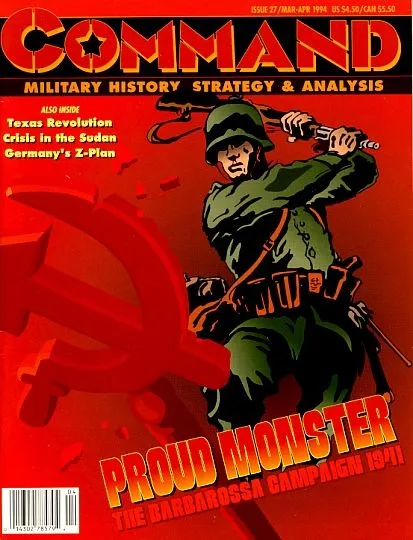
- BGG rank
- BGG #9,218
- BGG rating
- 7.2
Proud Monster: The Barbarossa Campaign
- 2 players
- 660 min
- Complexity 3.1/5
- 1994
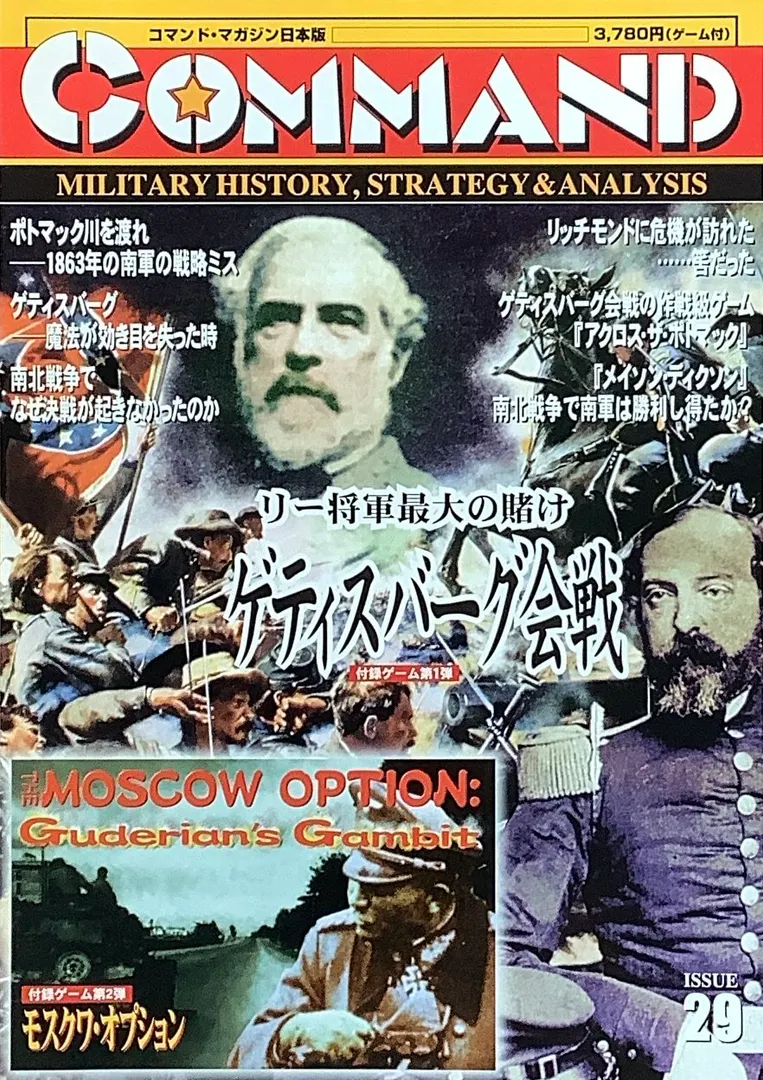
1996
Rules assistance for The Moscow Option: Guderian's Gambit
Plain-language explanations of turns, card effects and disputed situations, with official source references and saved question history.
For 2 players
What would you like to know?
Answers come from the official rulebook, with the page to check.
The Moscow Option: Guderian's Gambit is a board game released in 1996 for 2 players and ages 12 and up. It was designed by Ty Bomba and its main mechanics are Dice Rolling and Hexagon Grid.
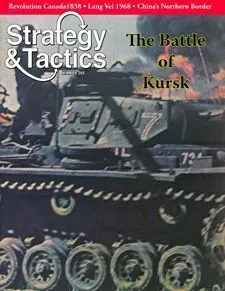
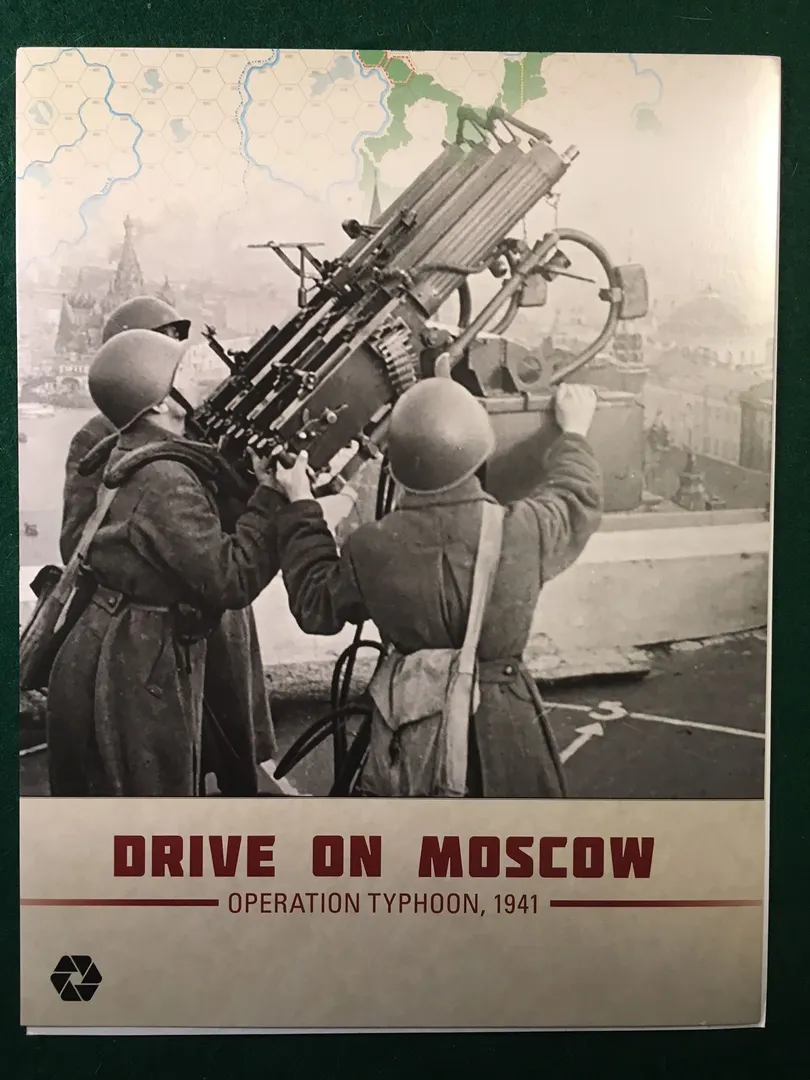
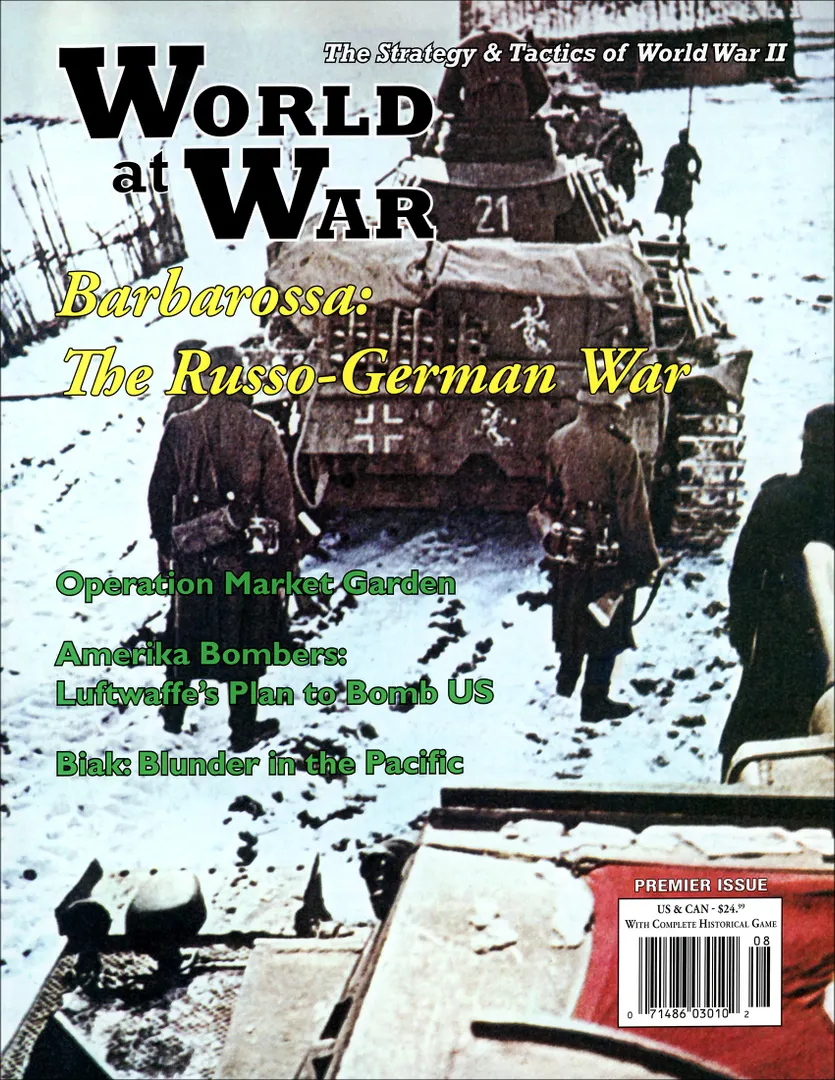
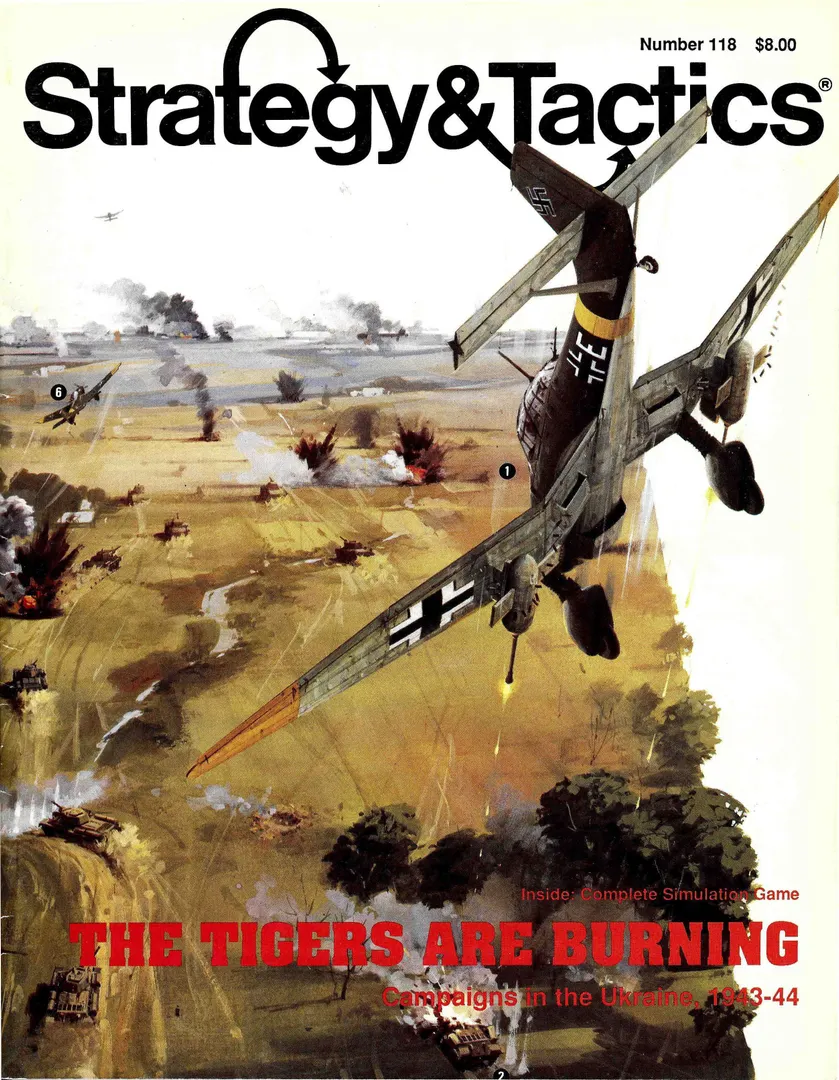
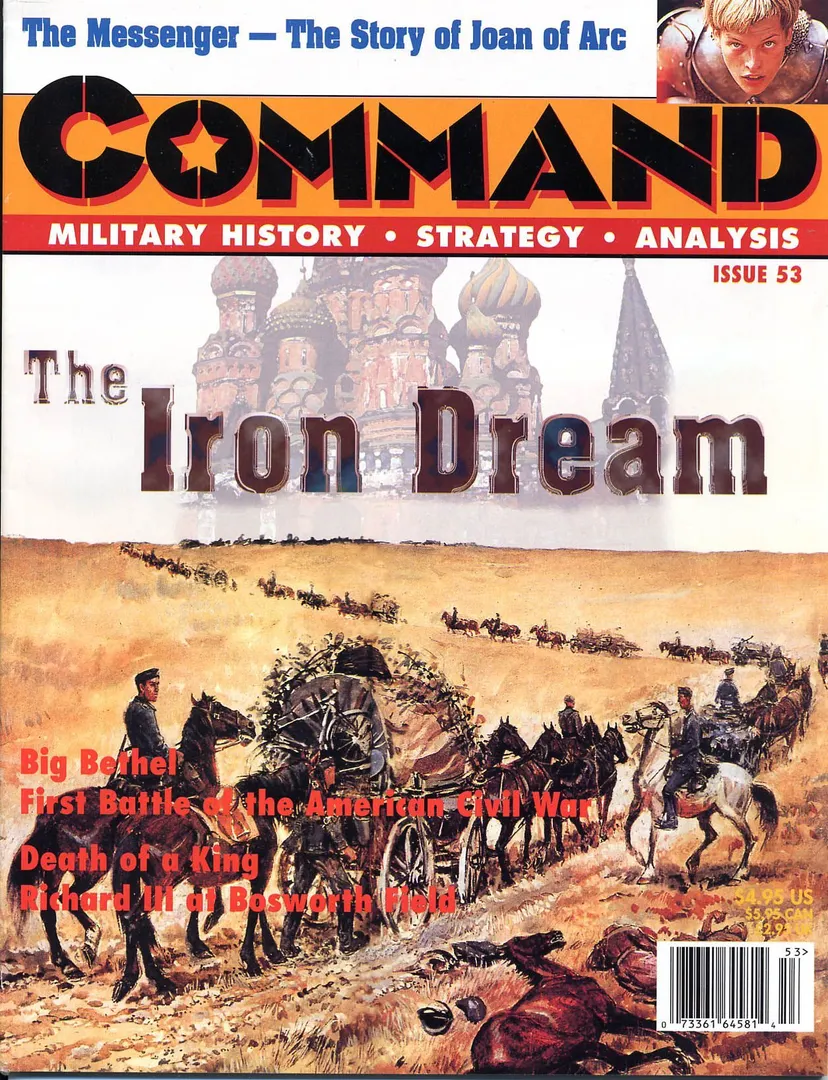
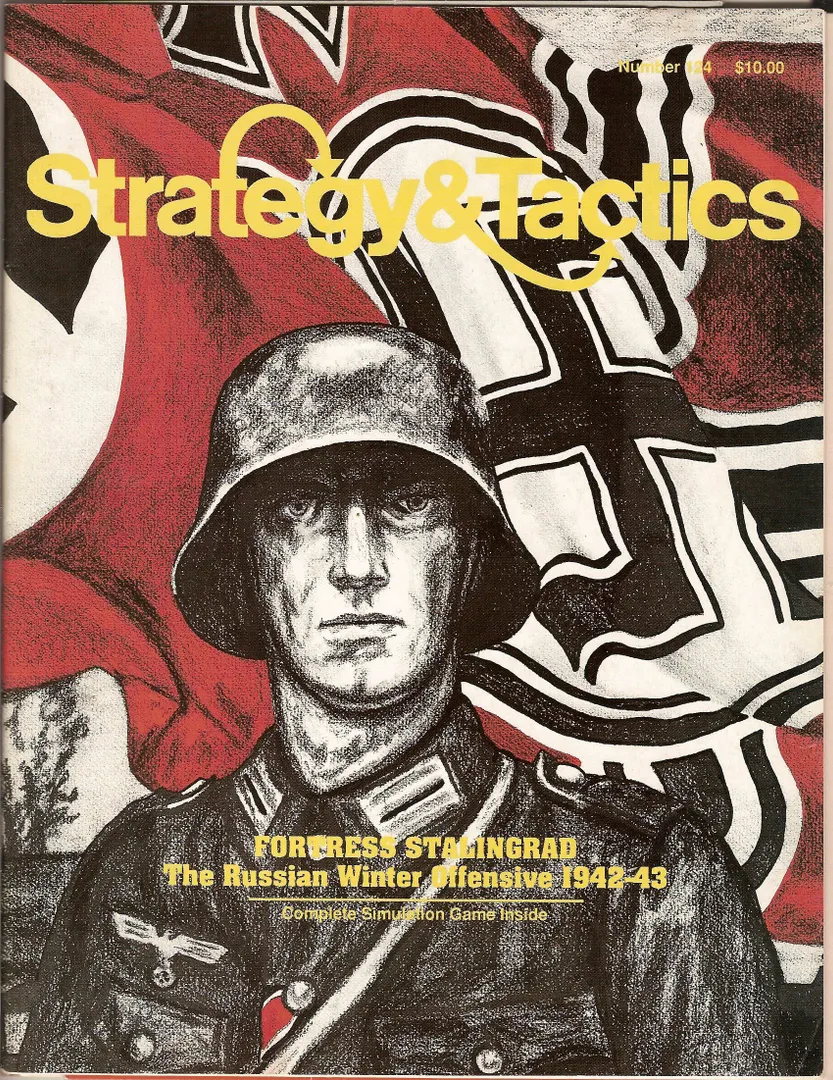
(from the introduction:) The Moscow Option: Guderian's Gambit is a simulation of the fighting that could have taken place between Smolensk and Moscow during the first half of August 1941 if Hitler had decided to concentrate his eastern armies' supply in order to allow the mechanized forces of Army Group Center to make the 150 miles to the Soviet capital city. Historically, of course, the German dictator chose instead to halt the AGC, temporarily de-emphasizing Moscow as a target while diverting his forces' strength on the front's northern and southern sectors. Here we assume he chose instead to reorganize the mobile divisions of Panzer Groups 2 and 3 and ad hoc Panzer Army Guderian, putting that general in charge of a daring effort to take Moscow, thereby winning the war by plunging the entire Soviet Union into strategic paralysis. This is a two-player, operational-level, alternative history wargame of low complexity. In it, the German player controls all Panzer Army Guderian units and is opposed by the Soviet player who controls all the Red Army units. The situation is inescapably such that the German player controls the strategic initiative and sets the overall tempo of play. We therefore recommend opponents who share a particularly competitive relationship should play a series of matches, switching sides each time, before deciding who between them owns bragging rights to the game. 1 hex : 9 miles GT : 1 day Units : divisions and brigades (3000-12000 men and/or about 50 to 180 armored vehicles)
The Moscow Option: Guderian's Gambit supports 2 players according to the catalogue. This is the publisher’s listed player count, so the game is designed for exactly that number of participants. Variants for other group sizes, if any, are described in the rulebook of your edition, so check it before setting up a different configuration.
The catalogue lists The Moscow Option: Guderian's Gambit for ages 12 and up. This is the publisher’s recommendation and reflects reading demands, rule complexity and small components rather than theme alone. Younger players can often join with help from an adult, so check the age guidance on your edition and consider your group’s experience with board games.
The Moscow Option: Guderian's Gambit has a complexity rating of 2.3 out of 5 from BoardGameGeek players, which makes it a medium-light game. The rating reflects how much rules knowledge, planning and decision-making a typical game demands. Expect a longer first teach for heavier games, and use a preparation guide before game night.
The Moscow Option: Guderian's Gambit belongs to these categories: Wargame and World War II. Its main mechanics are Dice Rolling and Hexagon Grid. Categories describe the theme and setting of a game, while mechanics describe what players actually do on their turns. Each mechanic links to a catalogue hub with similar games, which helps when you want something comparable.
The credited designers of The Moscow Option: Guderian's Gambit are: Ty Bomba. These credits come from the published game data and name the people responsible for the game’s design, not its illustrators or publishers. Designer pages on MeepleRules collect other titles by the same designers, which helps when you enjoy a game and want to find similar ones.
The catalogue lists The Moscow Option: Guderian's Gambit as a base game. It can be played on its own with the components in the box and does not require any other title. Expansions, if any exist, add new content or rules on top of it and are listed separately in the catalogue with a link back to this base game.