
- BGG rank
- BGG #513
- BGG rating
- 7.8
Hannibal: Rome vs. Carthage
2 players150 min1996
Complexity 3.5/5
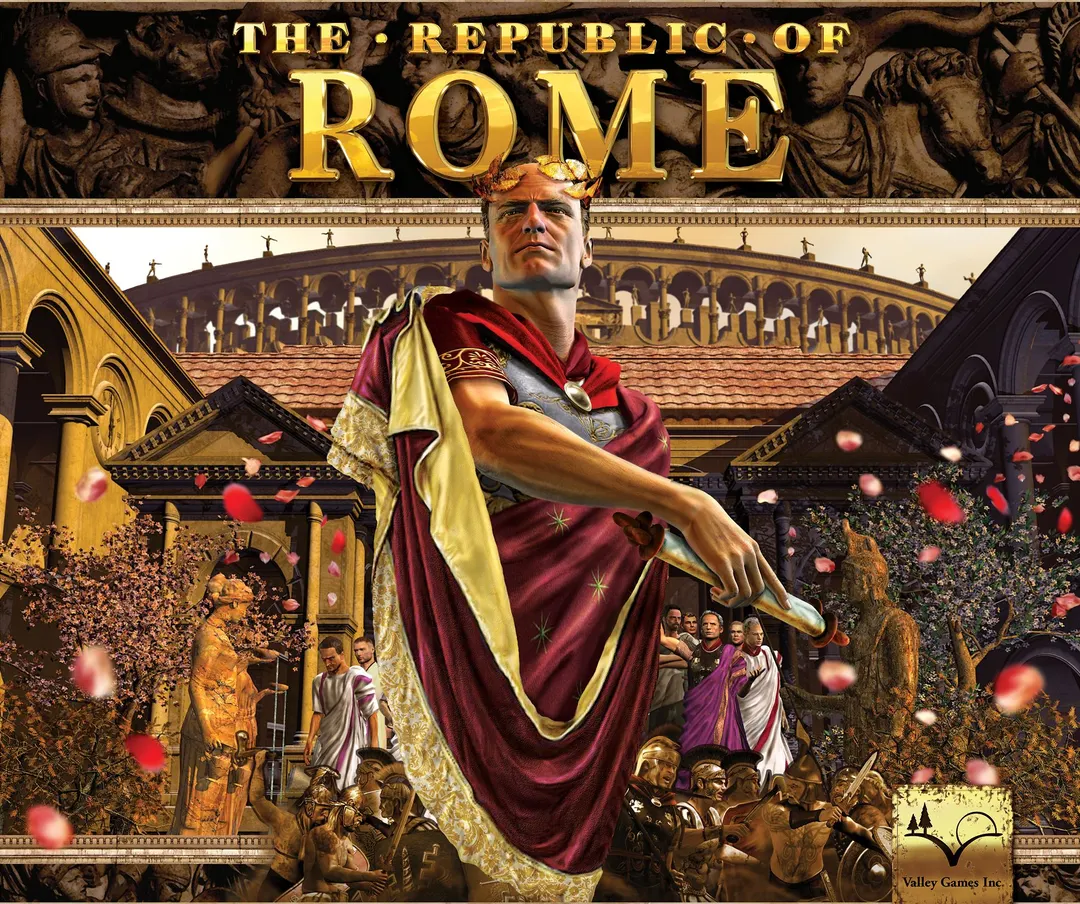
1990
Rules assistance for The Republic of Rome
Plain-language explanations of turns, card effects and disputed situations, with official source references and saved question history.
What would you like to know?
Answers come from the official rulebook, with the page to check.
Win by having the most combined Influence at game end, or by achieving a Consul-for-Life or rebel victory. All players lose if the State goes bankrupt, People Revolt without a rebel, or four Active Wars remain at Combat Phase end.
About 15 min · 7 steps
Step 1 of 7
The HRAO is the highest-ranking available official; precedence and fallback depend on availability in Rome.
A Senator in Rome may persuade an eligible Senator; success requires a 2d6 roll above the modified Base Number, but an original 10 or more fails.
Senators in Rome vote their Oratory plus Knights; a Senator may buy one extra vote per Talent for that vote. A proposal generally needs a simple majority of votes cast.
An unprosecuted War moves to the Unprosecuted area at Combat Phase end and adds one Unrest at each Population Phase start.
A Governor may collect Provincial Spoils during Revenue. Choosing to collect makes that Governor corrupt and risks prosecution.
Only while the Senate is in session, and only against Senators present. No attempt is allowed that turn after the Senate adjourns.
The Republic of Rome is a board game released in 1990 for 1–6 players, 300 minutes per game, and ages 14 and up. It was designed by Don Greenwood, Richard Berthold, and Robert Haines and its main mechanics are Hand Management, Income, and Ownership. MeepleRules offers a rules assistant for The Republic of Rome that explains turns, card effects and disputed situations in plain language.
2 players150 min1996

3–5 players240 min1986

3–6 players90 min1998
2–6 players30–240 min1980

2–4 players60–180 min2025

1–6 players90–240 min2022
3–6 players120–180 min2023
2–6 players240–720 min1974
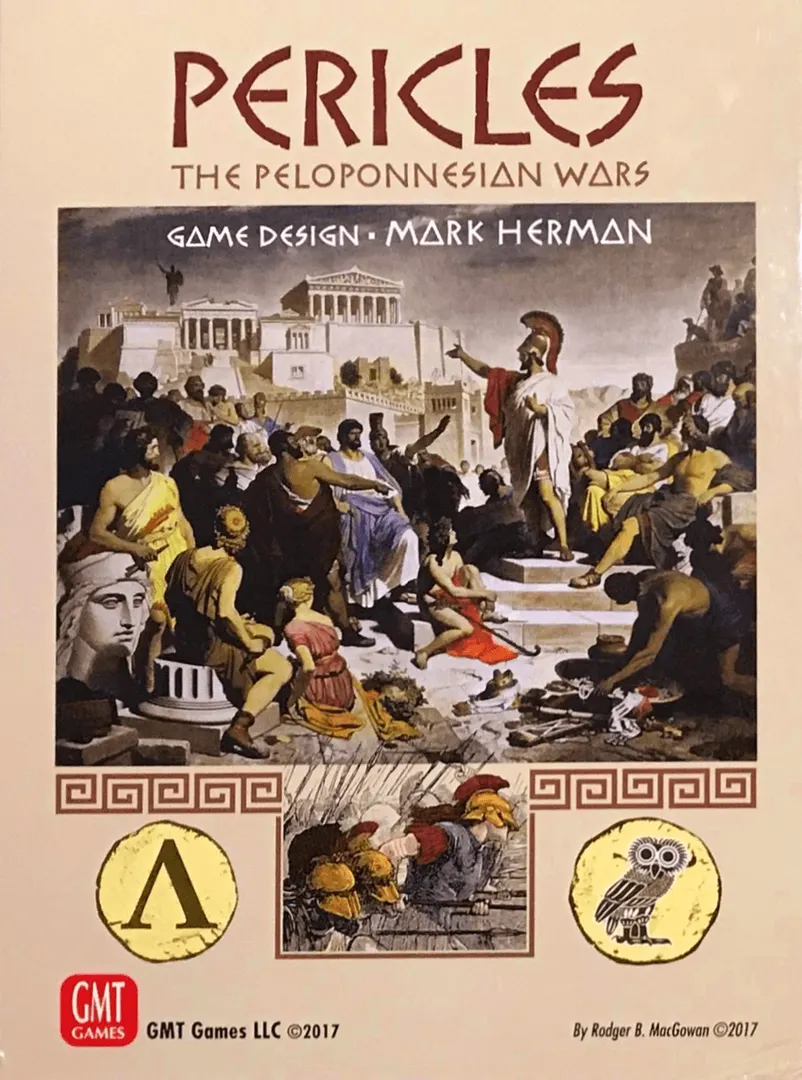
1–4 players45–360 min2017

3–6 players90–180 min2009

1–5 players30–120 min2024
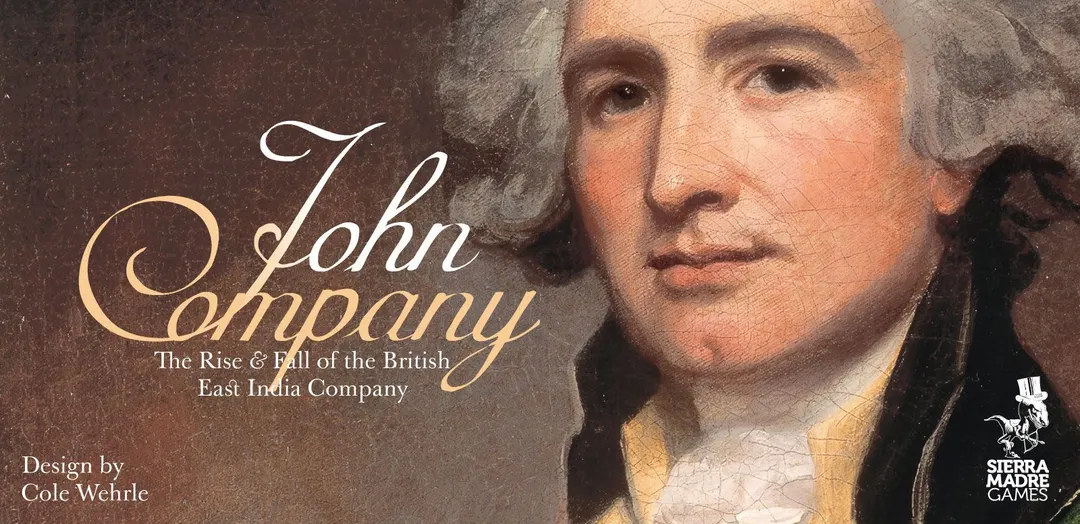
1–6 players90–180 min2017

1–5 players45–120 min2019
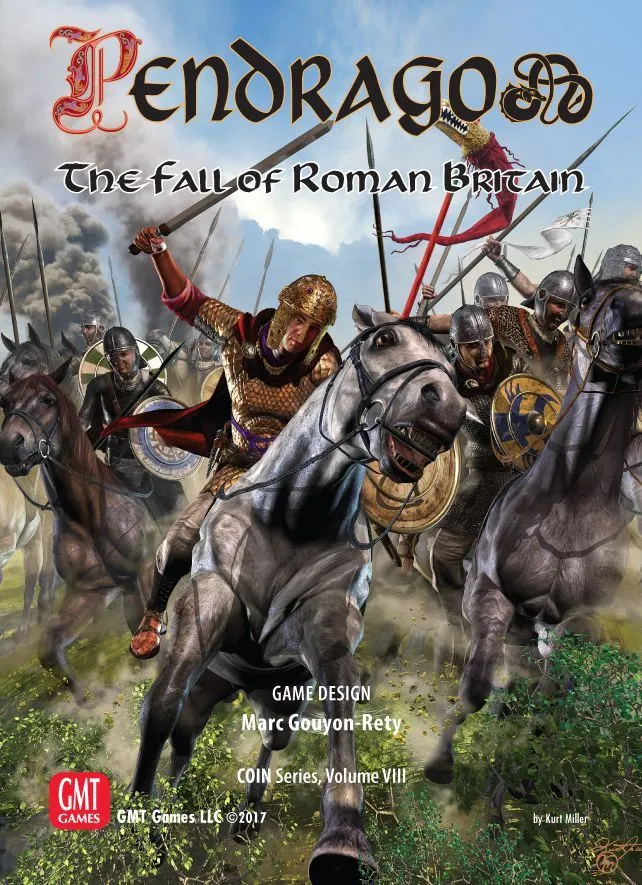
1–4 players60–360 min2017
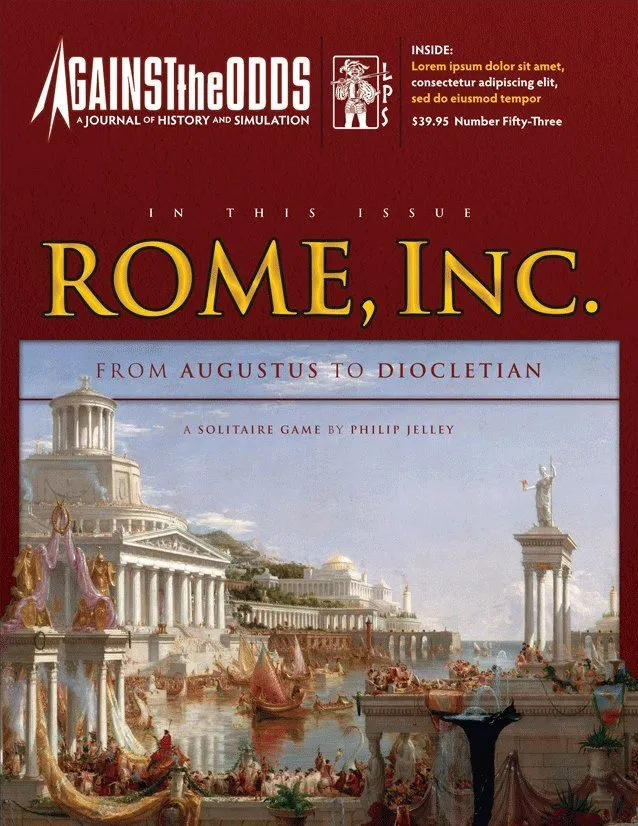
1 player180–720 min2021

2 players120–480 min1985
The Republic of Rome is an abstraction of over 250 years of history. It simulates the politics of the Roman Senate during the republic. The players take the part of various factions vying for the control of the senate. They control the various powerful families of the time, who compete for state offices, military command, economic concessions and new adherents. To win the player must get their faction to become the most powerful in Rome. While doing this, however, a balance must be maintained. A hostile world situation, and the vagaries of the public of Rome means that the players must also cooperate so that Rome herself doesn't go down under this pressure. If Rome does not last, neither does the senate, and all players lose! Players make proposals to the Senate which other players then vote on. A player's ability to make proposals is determined by which Offices his/her Senators hold. A player's influence in votes is determined by the number of Senators they have recruited and the level of influence those Senators have obtained. Proposals may include assigning Senators to govern provinces (generating revenue), recruiting an army to fight an external foe, addressing the concerns of the Roman people, assigning offices or prosecuting previous office holders. Players have to co-operate to overcome the various threats that the game sends against Rome (wars, famine, unrest, bankruptcy) whilst working to build their own Senators' and Generals' positions and undermine that of their opponents. A powerful General or an influential Senator may become Emperor (thus winning the game) but equally may suddenly fall to the plague or an assassin's blade.
Measured on: Avalon Hill ed
Use the rules assistant for The Republic of Rome to describe a turn, card effect or disputed situation. Get a plain-language explanation with official source references, then return to the question in your saved history. Select your edition when available so the sources match your game.
Ask about the rulesThe Republic of Rome supports 1–6 players according to the catalogue. This range comes from the publisher’s listed player count, so the game can be set up for any group size within it. Some setups, rules and scoring details may still vary by player count, so check your edition’s rulebook for the exact configuration.
The listed playing time for The Republic of Rome is 300 minutes. This is the publisher’s estimate for a full game. The actual duration depends on the group, the player count and familiarity with the rules: first sessions usually run longer, while experienced groups often finish faster. Setup and teaching time are not included in this estimate.
The catalogue lists The Republic of Rome for ages 14 and up. This is the publisher’s recommendation and reflects reading demands, rule complexity and small components rather than theme alone. Younger players can often join with help from an adult, so check the age guidance on your edition and consider your group’s experience with board games.
The Republic of Rome has a complexity rating of 4.4 out of 5 from BoardGameGeek players, which makes it a heavy game. The rating reflects how much rules knowledge, planning and decision-making a typical game demands. Expect a longer first teach for heavier games, and use a preparation guide before game night.
The Republic of Rome belongs to these categories: Wargame, Political, and Ancient. Its main mechanics are Hand Management, Income, and Ownership. Categories describe the theme and setting of a game, while mechanics describe what players actually do on their turns. Each mechanic links to a catalogue hub with similar games, which helps when you want something comparable.
The credited designers of The Republic of Rome are: Don Greenwood, Richard Berthold, and Robert Haines. These credits come from the published game data and name the people responsible for the game’s design, not its illustrators or publishers. Designer pages on MeepleRules collect other titles by the same designers, which helps when you enjoy a game and want to find similar ones.
The catalogue lists The Republic of Rome as a base game. It can be played on its own with the components in the box and does not require any other title. Expansions, if any exist, add new content or rules on top of it and are listed separately in the catalogue with a link back to this base game.


