- BGG rating
- 7.9
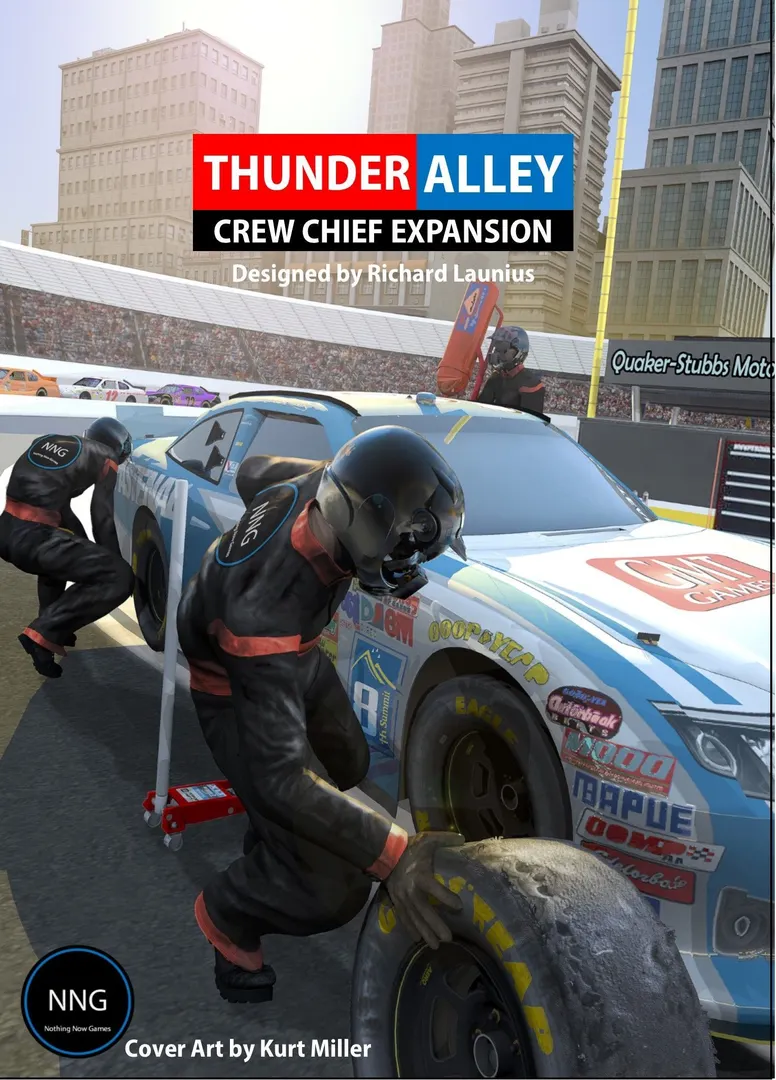
Thunder Alley: Crew Chief Expansion
- 2–8 players
- 60–90 min
- Complexity 2.5/5
- 2016
2014
Rules assistance for Thunder Alley
Plain-language explanations of turns, card effects and disputed situations, with official source references and saved question history.
For 2 players
What would you like to know?
Answers come from the official rulebook, with the page to check.
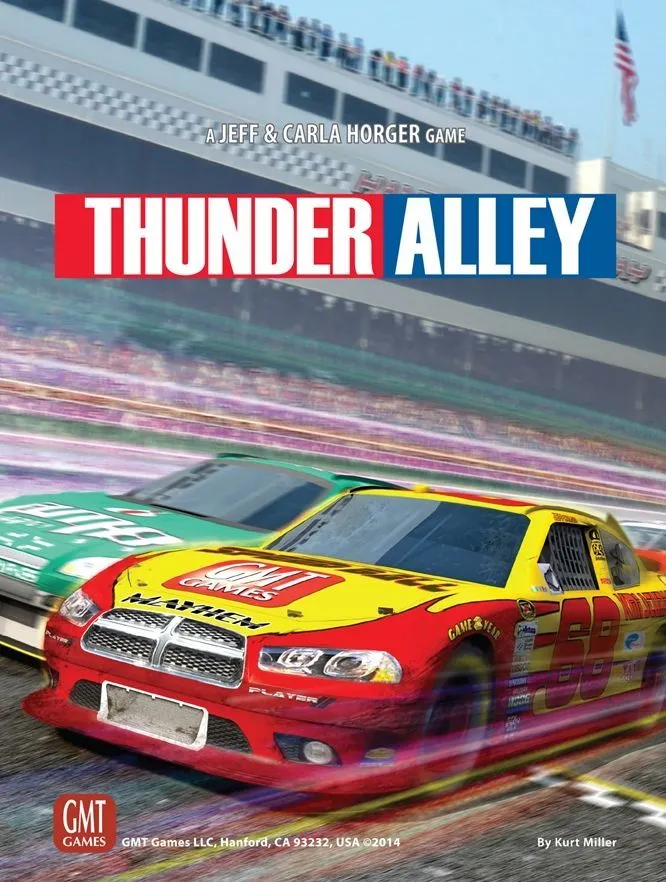
Thunder Alley is a board game released in 2014 for 2–7 players, 90 minutes per game, and ages 10 and up. It was designed by Jeff Horger and Carla Horger and its main mechanics are Hand Management, Race, and Track Movement.
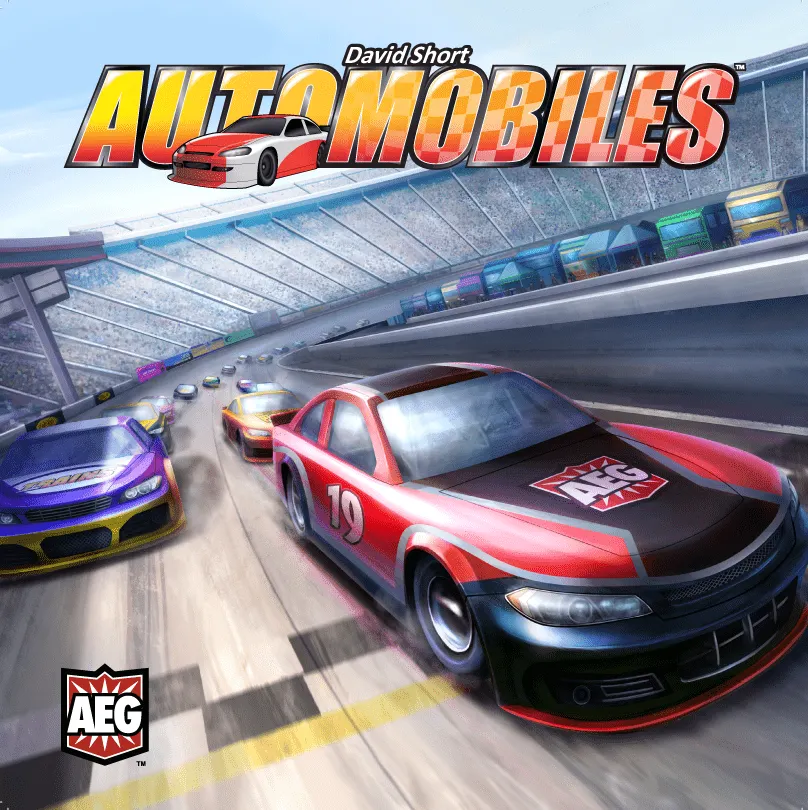
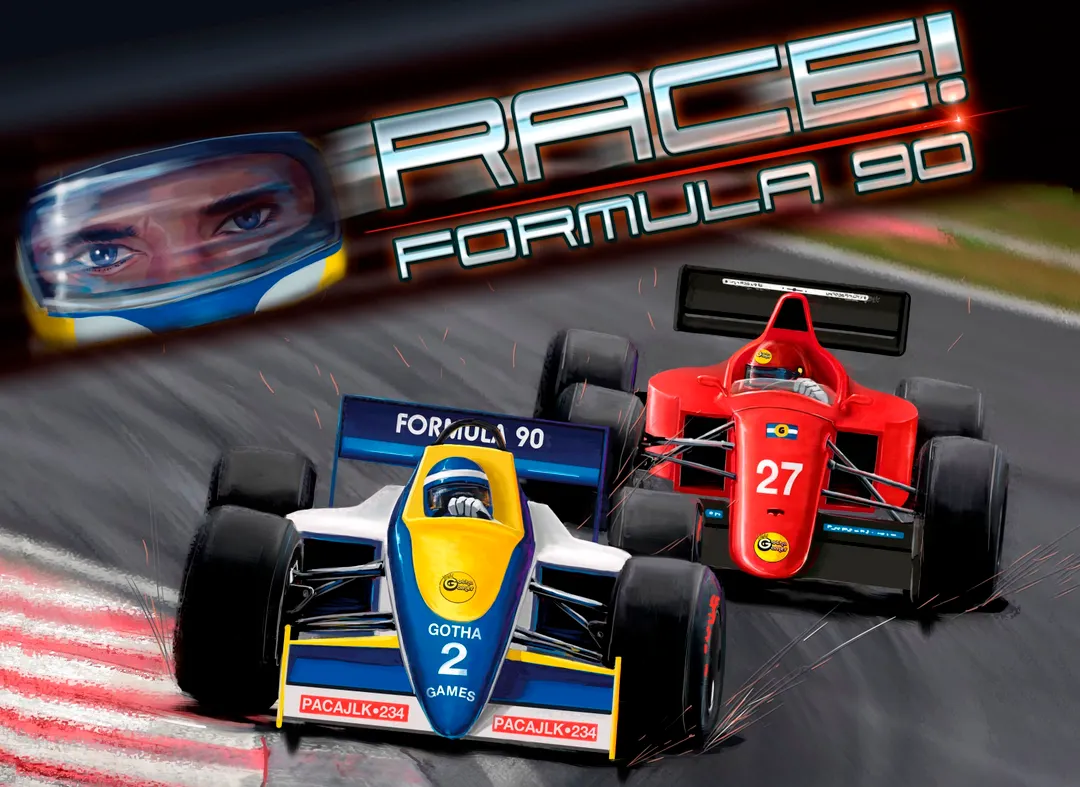
Thunder Alley is a stock car racing game for 2–7 players with the feel and flexibility of a card-driven simulation. Drafting, teamwork, accidents, yellow flags, pit strategy, working to lead laps, and sprints to the finish are all included and bring the feel of racing to the game. Players control not one car, but a team of 3–6 cars. Thus, each race is not only a run for the checkered flag but an effort to maximize the score for every car on your team. Winning is important, but if only one car crosses the finish line, your team might end up outside the winner's circle looking in. The game includes four different types of movement, often with many cars moving with the play of a single card, and each type has its place and time: Solo movement allows you to break away from the pack. Draft and pursuit movement are best used for keeping your team of cars together. Lead movement can create a pack of cars that moves toward the front. Turns are fast, each play is important, and the track situation is fluid. The wrong movement in the wrong situation can be disastrous, with you possibly being left out of the draft and all alone. Experienced players will be able to identify the best type of movement for the current situation. Cars suffer wear over the course of a race and need to take pit stops. Tire wear, suspension difficulties, fuel issues, and major engine and transmission problems are all modeled in the game. If you feel lucky, you might try to hold it together just a little bit longer in hopes that a yellow flag will come out and cause a mass rush into the pits. Waiting on a yellow that never comes can be maddening as the rest of the pack moves by your worn-out car. What's more, an events deck can make your strategy pay off or punish you for your failure to take precautions. Accidents, yellow flags, worsening track situations, and deteriorating cars are all part of the game. Could all of your perfect strategy be derailed by those incoming rain clouds? Included in the game are four different race tracks: a tri-oval super speedway for wide-open free-wheeling racing and a short track for a tight wheel-to-wheel bumper car duel. Each track uses the same deck of racing cards but the cards that work best on one may be useless in the other. The game also includes a second board with a road course and and 3 turned (triangle) raceway. Most racing games call for a large number of players to play the game at its best. An unusual bonus for Thunder Alley is the very playable and exciting two-player version with six cars on a side.
Thunder Alley supports 2–7 players according to the catalogue. This range comes from the publisher’s listed player count, so the game can be set up for any group size within it. Some setups, rules and scoring details may still vary by player count, so check your edition’s rulebook for the exact configuration.
The listed playing time for Thunder Alley is 90 minutes. This is the publisher’s estimate for a full game. The actual duration depends on the group, the player count and familiarity with the rules: first sessions usually run longer, while experienced groups often finish faster. Setup and teaching time are not included in this estimate.
The catalogue lists Thunder Alley for ages 10 and up. This is the publisher’s recommendation and reflects reading demands, rule complexity and small components rather than theme alone. Younger players can often join with help from an adult, so check the age guidance on your edition and consider your group’s experience with board games.
Thunder Alley has a complexity rating of 2.4 out of 5 from BoardGameGeek players, which makes it a medium-light game. The rating reflects how much rules knowledge, planning and decision-making a typical game demands. Expect a longer first teach for heavier games, and use a preparation guide before game night.
Thunder Alley belongs to these categories: Racing and Sports. Its main mechanics are Hand Management, Race, and Track Movement. Categories describe the theme and setting of a game, while mechanics describe what players actually do on their turns. Each mechanic links to a catalogue hub with similar games, which helps when you want something comparable.
The credited designers of Thunder Alley are: Jeff Horger and Carla Horger. These credits come from the published game data and name the people responsible for the game’s design, not its illustrators or publishers. Designer pages on MeepleRules collect other titles by the same designers, which helps when you enjoy a game and want to find similar ones.
The catalogue lists Thunder Alley as a base game. It can be played on its own with the components in the box and does not require any other title. Expansions, if any exist, add new content or rules on top of it and are listed separately in the catalogue with a link back to this base game.