
- BGG rank
- BGG #2,917
- BGG rating
- 6.6
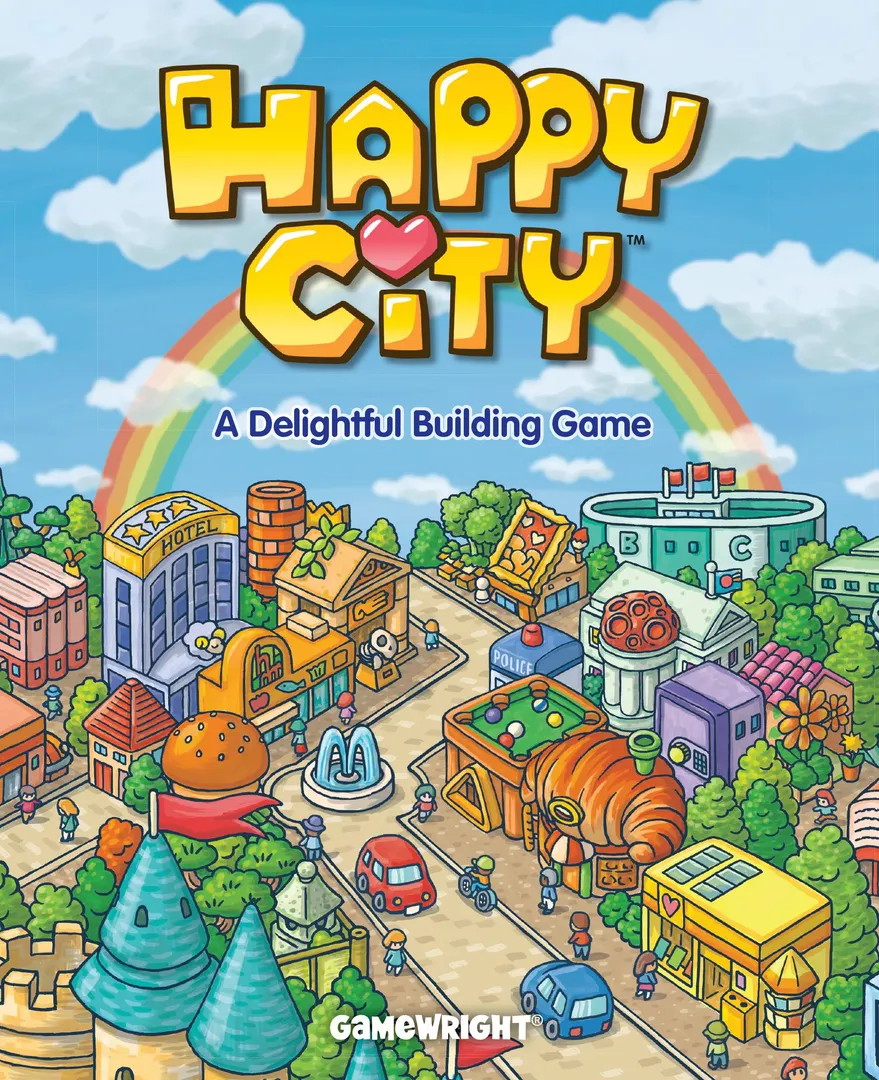
Happy City
- 2–5 players
- 20–30 min
- Complexity 1.3/5
- 2021
2025
Rules assistance for Ukiyo-e
Plain-language explanations of turns, card effects and disputed situations, with official source references and saved question history.
For 2 players
What would you like to know?
Answers come from the official rulebook, with the page to check.
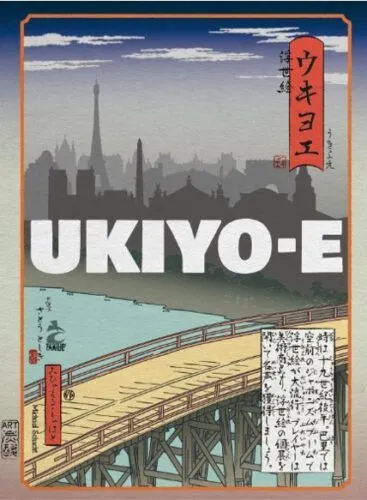
Ukiyo-e is a board game released in 2025 for 2–4 players, 20–30 minutes per game, and ages 10 and up. It was designed by Michael Schacht and Toshiki Sato and its main mechanics are Hand Management and Set Collection.
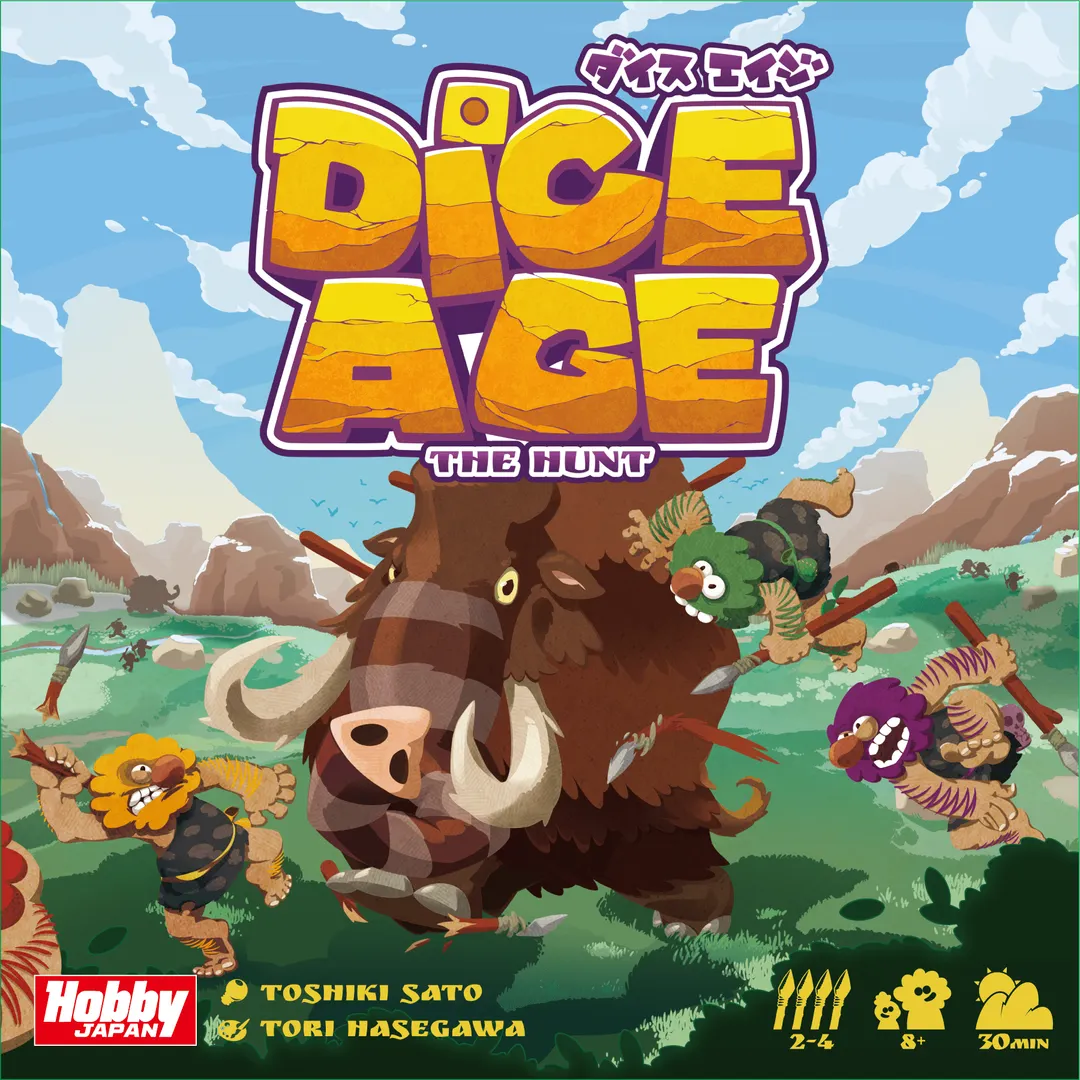

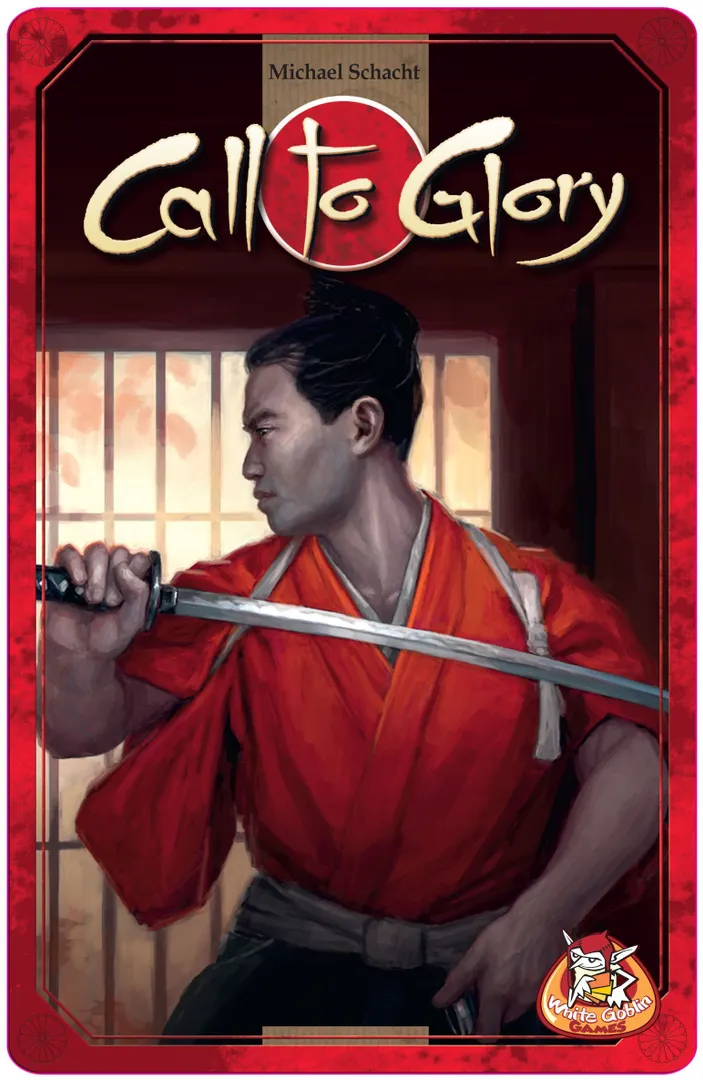



In 1867, the World's Fair in Paris sparked a craze for Japanese art and culture known as Japonisme. Art galleries specializing in Japanese ukiyo-e prints were established, and ukiyo-e became known around the world. In Ukiyo-e / ウキヨエ, players take on the role of art dealers specializing in ukiyo-e and aim to hold successful solo ukiyo-e exhibitions. To lay down a set of cards, you need at least two cards if that type hasn't been played or more cards than are already on the table if it has been played, after which any cards of the same type on the table are discarded. The round ends when one player has six types of art (out of seven) or the deck runs out. Players score the lowest-valued card in each set on the table, which speeds up future rounds and can make sets more valuable. Ukiyo-e is based on Michael Schacht's 2003 game Crazy Chicken, with this new version being designed in consultation with him. 1867年、パリで開催された万博をきっかけに、ジャポニズムと呼ばれる日本ブームが起こりました。 浮世絵を扱う画廊も設立され、日本の浮世絵が世界的に注目されるようになりました。 プレイヤーは浮世絵を扱う美術商となり、浮世絵の個展を開いて成功を収めることを目指します。 個展を開くことで得点を得ます。多くの個展を開いて多くの点数を稼ぎましょう。 —Japanese description from the publisher
Ukiyo-e supports 2–4 players according to the catalogue. This range comes from the publisher’s listed player count, so the game can be set up for any group size within it. Some setups, rules and scoring details may still vary by player count, so check your edition’s rulebook for the exact configuration.
The listed playing time for Ukiyo-e is 20–30 minutes. This is the publisher’s estimate for a full game. The actual duration depends on the group, the player count and familiarity with the rules: first sessions usually run longer, while experienced groups often finish faster. Setup and teaching time are not included in this estimate.
The catalogue lists Ukiyo-e for ages 10 and up. This is the publisher’s recommendation and reflects reading demands, rule complexity and small components rather than theme alone. Younger players can often join with help from an adult, so check the age guidance on your edition and consider your group’s experience with board games.
Ukiyo-e has a complexity rating of 1.0 out of 5 from BoardGameGeek players, which makes it a light game. The rating reflects how much rules knowledge, planning and decision-making a typical game demands. Expect a longer first teach for heavier games, and use a preparation guide before game night.
Ukiyo-e belongs to these categories: Card Game. Its main mechanics are Hand Management and Set Collection. Categories describe the theme and setting of a game, while mechanics describe what players actually do on their turns. Each mechanic links to a catalogue hub with similar games, which helps when you want something comparable.
The credited designers of Ukiyo-e are: Michael Schacht and Toshiki Sato. These credits come from the published game data and name the people responsible for the game’s design, not its illustrators or publishers. Designer pages on MeepleRules collect other titles by the same designers, which helps when you enjoy a game and want to find similar ones.
The catalogue lists Ukiyo-e as a base game. It can be played on its own with the components in the box and does not require any other title. Expansions, if any exist, add new content or rules on top of it and are listed separately in the catalogue with a link back to this base game.