
- BGG rank
- BGG #3,594
- BGG rating
- 6.9
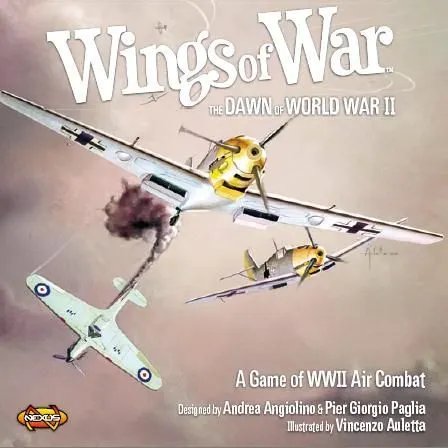
Wings of War: The Dawn of World War II
- 2–6 players
- 30 min
- Complexity 2.0/5
- 2007
Expansion for Wings of Glory: WW2 Battle of Britain Starter Set
2012
Rules assistance for Wings of Glory: World War 2 – Gloster Gladiator Mk.I
Plain-language explanations of turns, card effects and disputed situations, with official source references and saved question history.
What would you like to know?
Answers come from the official rulebook, with the page to check.
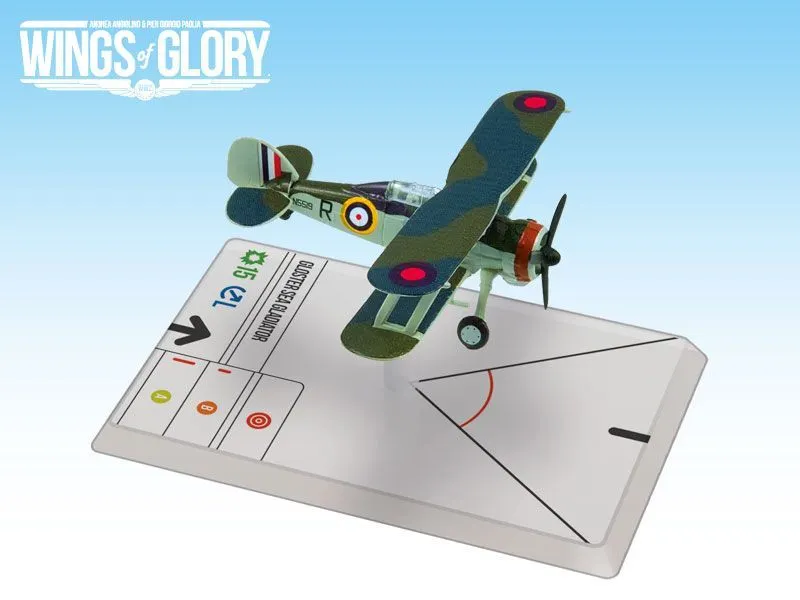
Wings of Glory: World War 2 – Gloster Gladiator Mk.I is an expansion for Wings of Glory: WW2 Battle of Britain Starter Set released in 2012 for 2–99 players and ages 13 and up. It was designed by Andrea Angiolino and Pier Giorgio Paglia and its main mechanics are Simultaneous Action Selection and Simulation.
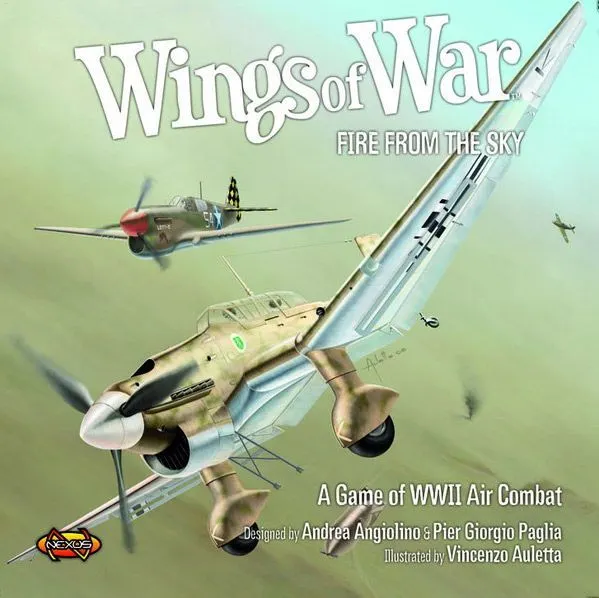
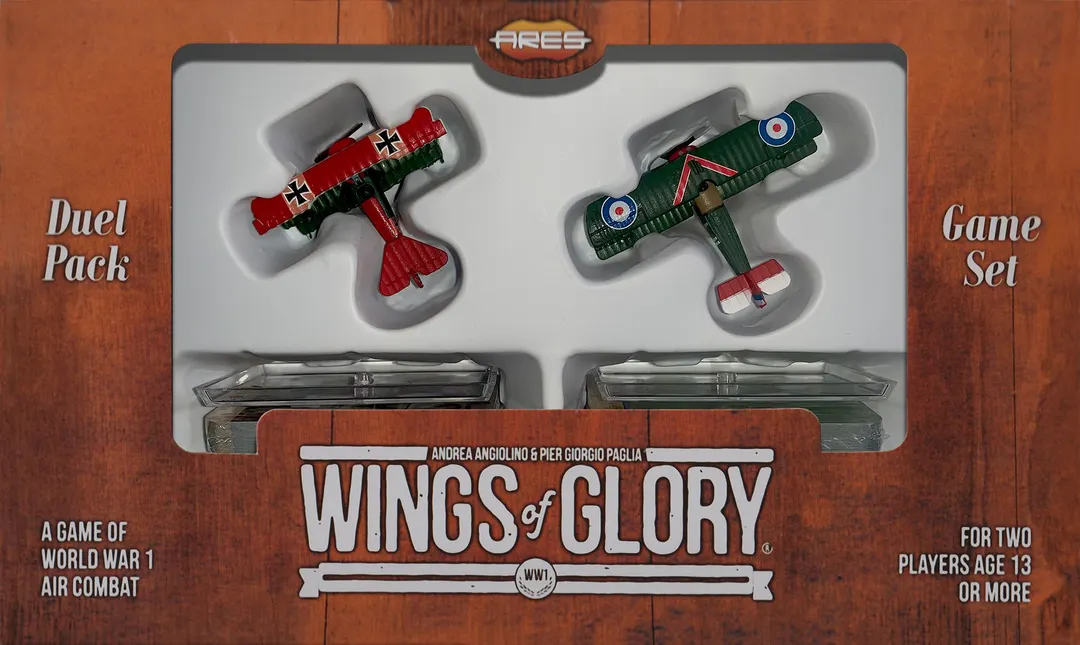
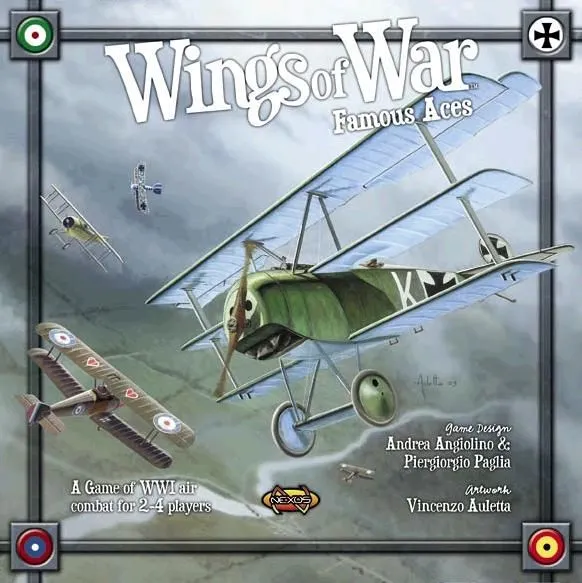
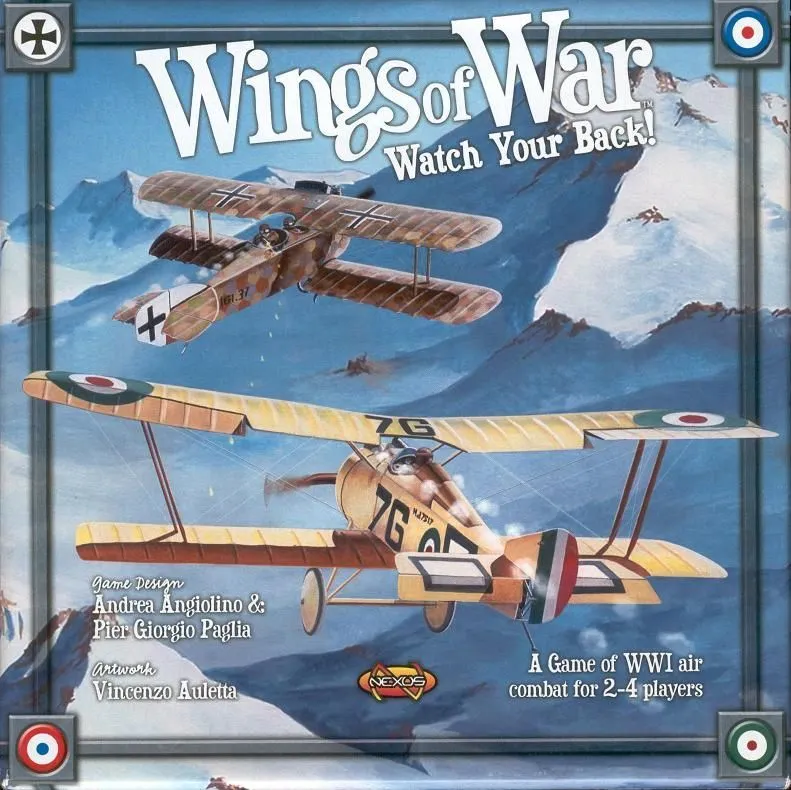
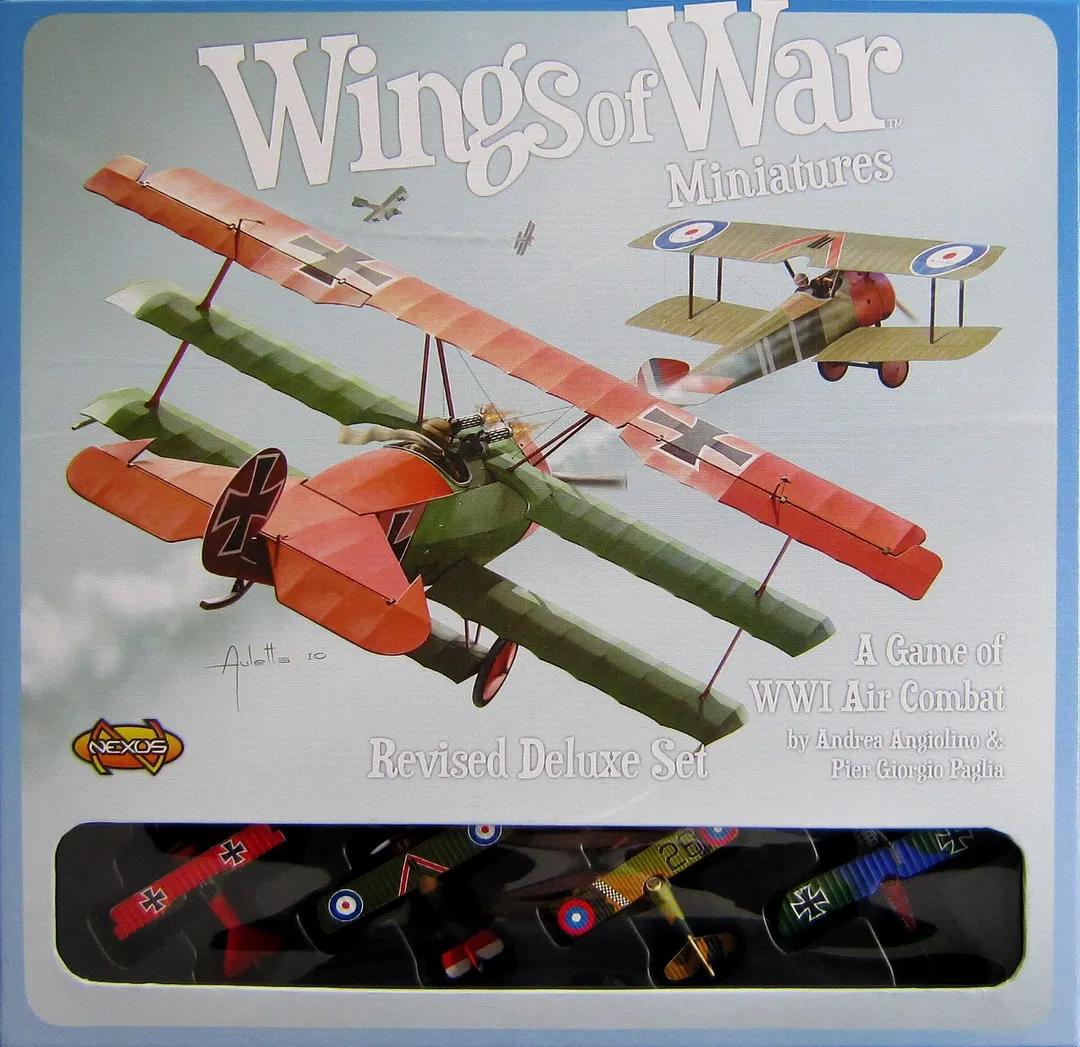
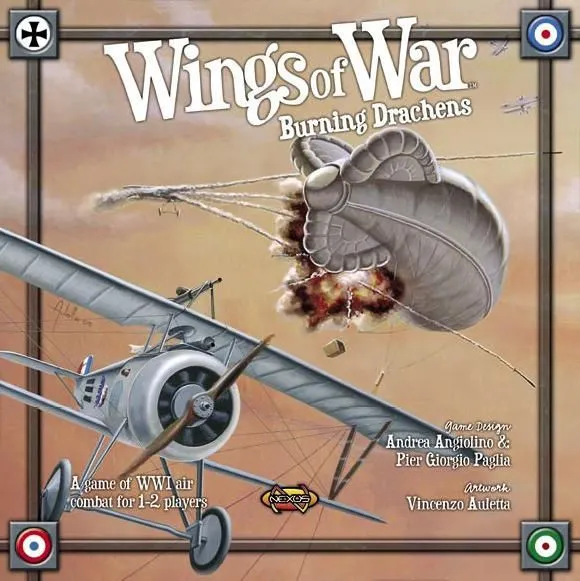
From the publisher: The Gloster Gladiator Mk.I was a British-built biplane fighter, used by the RAF and the Royal Navy (as the Sea Gladiator variant). It fought against stronger foes during the early days of the WW2, but it acquitted itself reasonably well in combat. The Gladiator saw action in almost all theatres during the WW2 with a large number of air forces. One of the best-known campaigns fought by Gladiators was the siege of Malta in 1940. Great Aces that gloriously piloted this aircraft were Dag Krohn, Marmaduke "Pat" Pattle and George Burges. Designed to be used with the popular air combat game system created by Andrea Angiolino and Pier Giorgio Paglia, each WW2 Wings of Glory Airplane Pack is a ready-to-play model, painted and assembled, 100% compatible with any other WW2 Wings of Glory game product. In each pack you will find all you need to play with the airplane: a special base with gaming stats, a variable altitude flying stand, and a specific deck of maneuver cards.
Wings of Glory: World War 2 – Gloster Gladiator Mk.I supports 2–99 players according to the catalogue. This range comes from the publisher’s listed player count, so the game can be set up for any group size within it. Some setups, rules and scoring details may still vary by player count, so check your edition’s rulebook for the exact configuration.
The catalogue lists Wings of Glory: World War 2 – Gloster Gladiator Mk.I for ages 13 and up. This is the publisher’s recommendation and reflects reading demands, rule complexity and small components rather than theme alone. Younger players can often join with help from an adult, so check the age guidance on your edition and consider your group’s experience with board games.
Wings of Glory: World War 2 – Gloster Gladiator Mk.I belongs to these categories: Wargame, Miniatures, and World War II. Its main mechanics are Simultaneous Action Selection and Simulation. Categories describe the theme and setting of a game, while mechanics describe what players actually do on their turns. Each mechanic links to a catalogue hub with similar games, which helps when you want something comparable.
The credited designers of Wings of Glory: World War 2 – Gloster Gladiator Mk.I are: Andrea Angiolino and Pier Giorgio Paglia. These credits come from the published game data and name the people responsible for the game’s design, not its illustrators or publishers. Designer pages on MeepleRules collect other titles by the same designers, which helps when you enjoy a game and want to find similar ones.
The catalogue lists Wings of Glory: World War 2 – Gloster Gladiator Mk.I as an expansion for Wings of Glory: WW2 Battle of Britain Starter Set. Expansions add new content, rules or scenarios to the base game and usually cannot be played on their own, so you need Wings of Glory: WW2 Battle of Britain Starter Set to use it. Check that your edition of Wings of Glory: WW2 Battle of Britain Starter Set is compatible, as some expansions were revised between editions.