- BGG rank
- BGG #138
- BGG rating
- 7.7
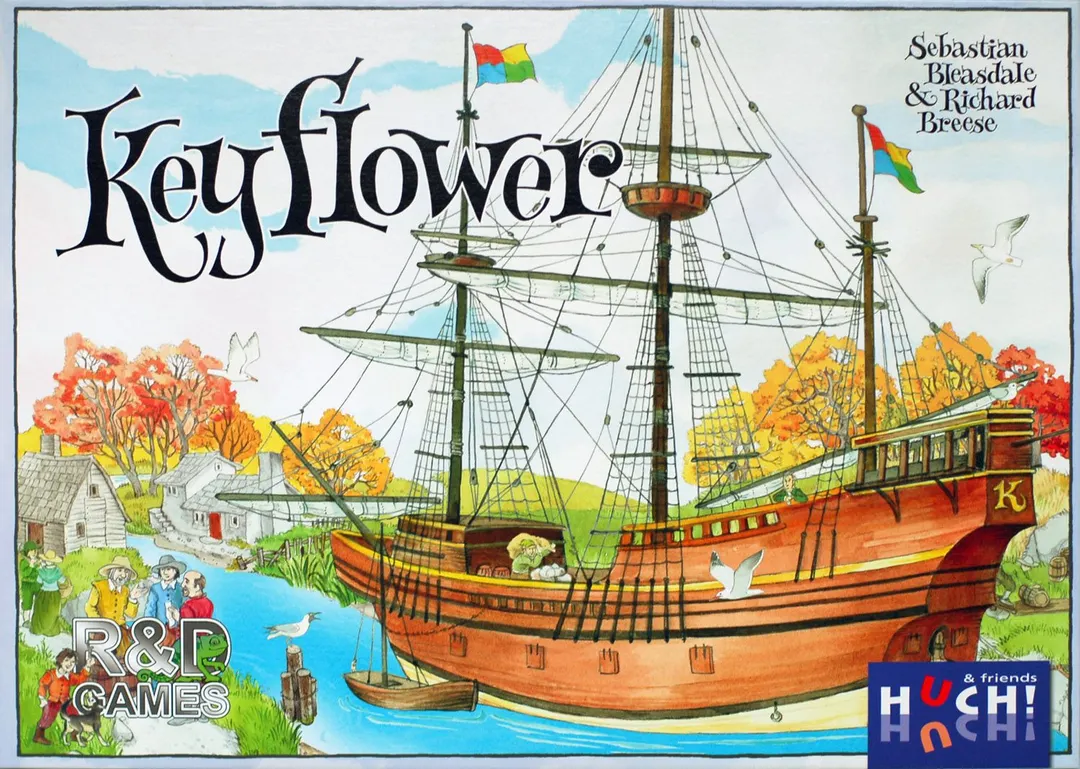
Keyflower
- 2–6 players
- 90–120 min
- Complexity 3.3/5
- 2012
2025
Rules assistance for Yotei
Plain-language explanations of turns, card effects and disputed situations, with official source references and saved question history.
What would you like to know?
Answers come from the official rulebook, with the page to check.
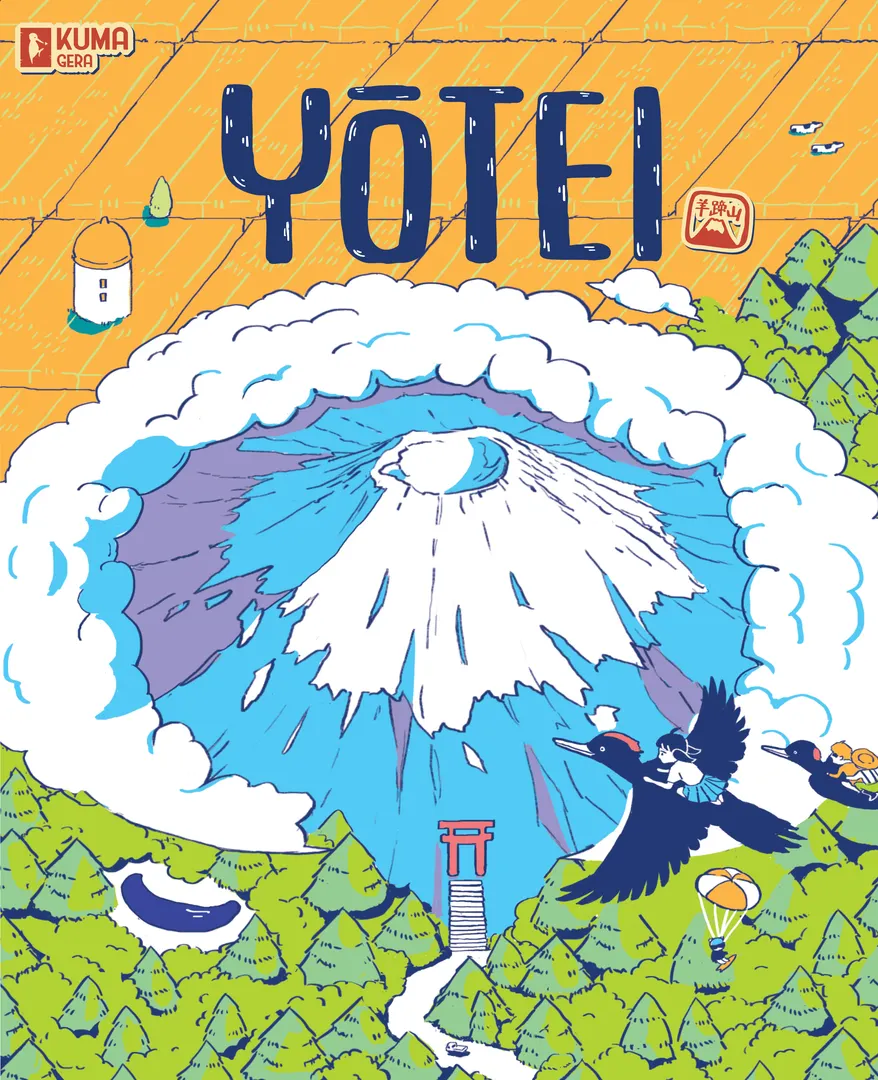
Yotei is a board game released in 2025 for 2–4 players, 30–60 minutes per game, and ages 8 and up. It was designed by Huy Pham and its main mechanics are Auction / Bidding and Worker Placement.

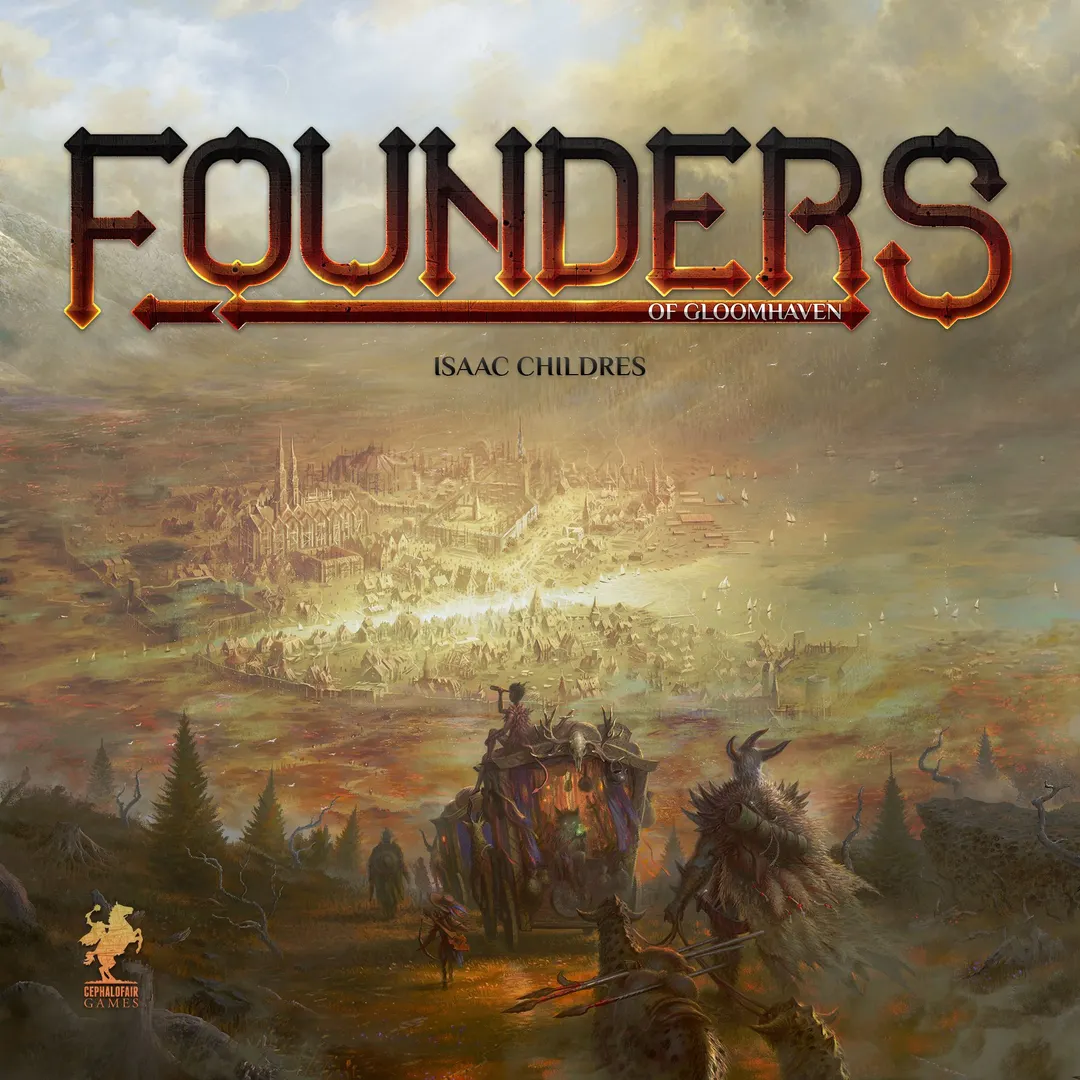

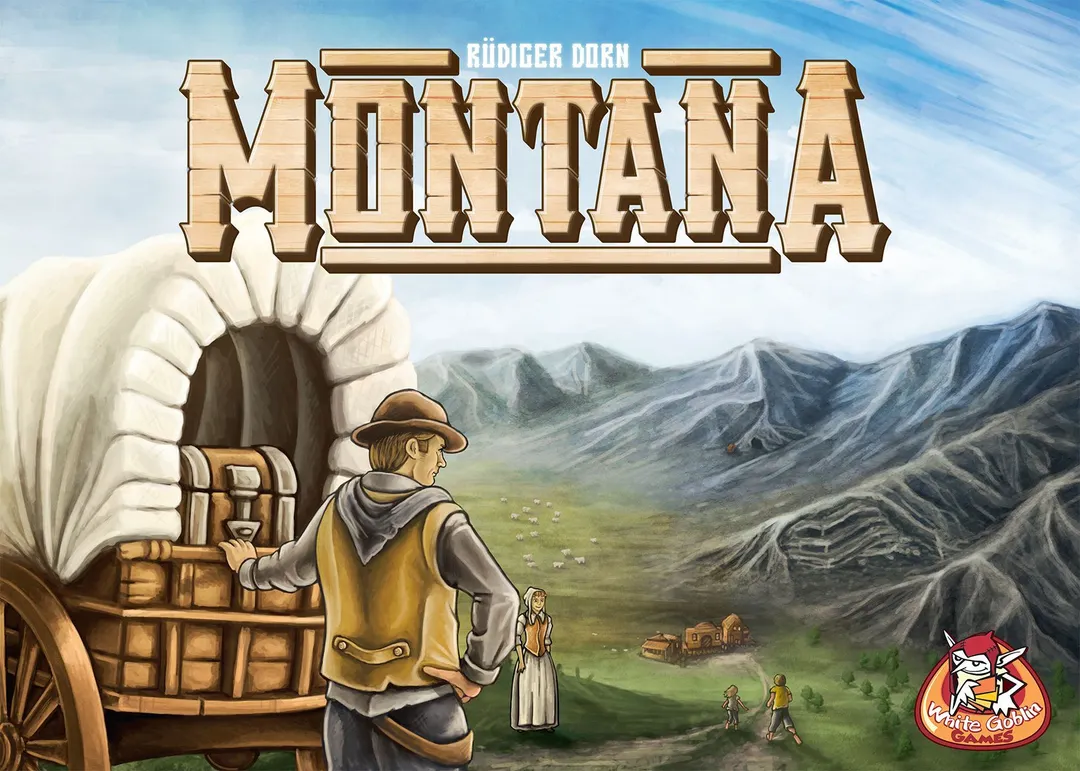

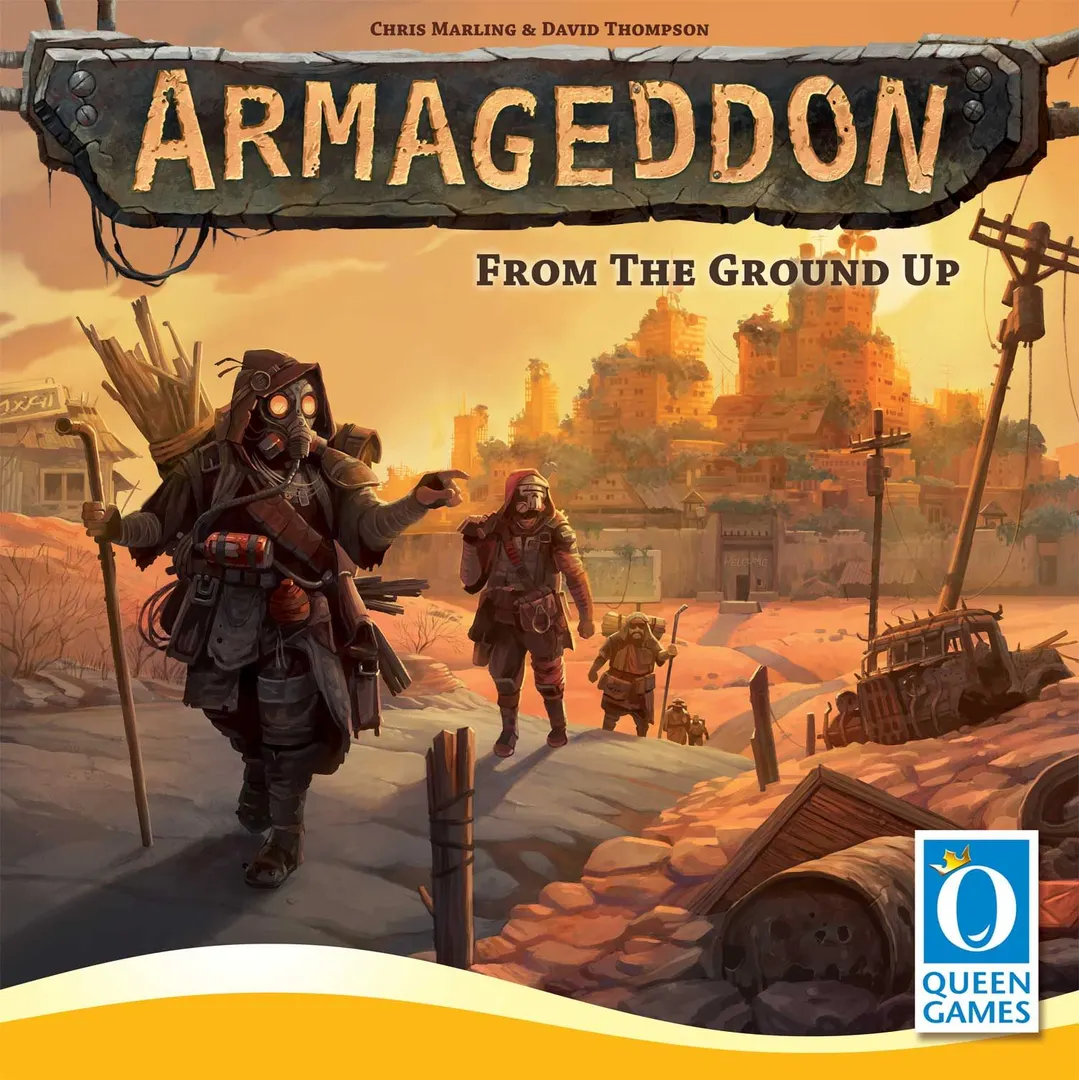


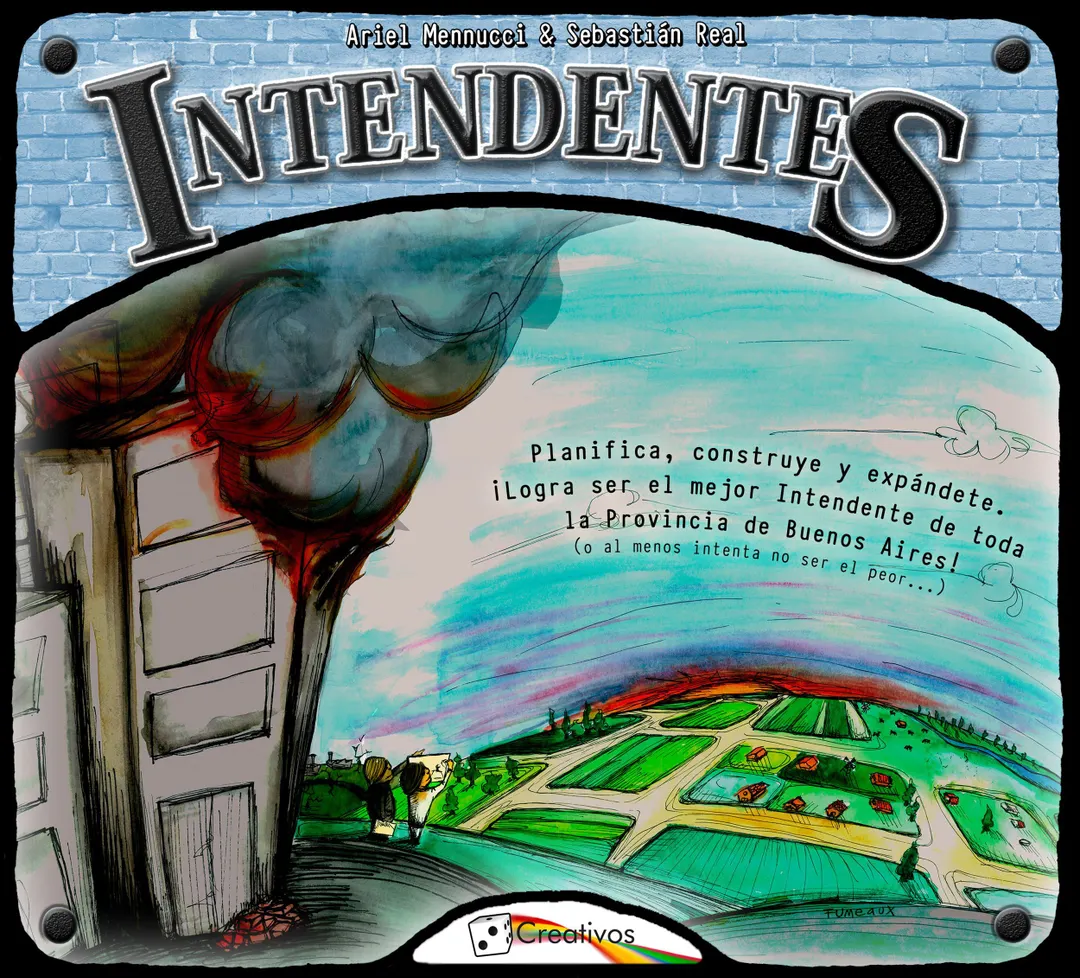
Create the most charming town at the foot of Mt Yotei, also known as Ezo Fuji, located in Hokkaido Japan ︎ Expand your land with limited manpower, win bids using potatoes, and develop your town. ︎ There are multiple paths to victory. The person who maximizes the charm of their town and collects the most “Charm Points” wins! Set in Niseko, a breathtaking region on Japan’s northern island of Hokkaido, this board game brings the local scenery, people, and wildlife to life. We’ve paid special attention to environmental sustainability by using Hokkaido-sourced wood for the tokens, while the artwork—created by a talented Japanese illustrator—is based on real people, landscapes, and events from the community. In this game, you’ll craft the most enchanting Hokkaido town. Your currency? Potatoes. Bid with them, unearth more when you run short, and welcome the delights of the north: savory ramen, melt-in-your-mouth wagyu, delicate sushi; wild trout, mighty Ezo-bears, curious red foxes; and iconic developments from snowy ski resorts to serene hot-spring villages. With evolving tactics each round, the game stays fresh and captivating from start to finish. Play this game to experience an authentic slice of life in Hokkaido. Despite the adorable “kawaii” illustrations, it’s a highly strategic, heart-pounding contest that will leave you eager for “just one more round.” The game comes in a medium-sized box that’s perfect for game nights—substantial enough to satisfy experienced players yet welcoming to newcomers. It’s light enough for casual evenings but packed with enough depth and replayability to keep even seasoned board-gamers coming back again and again. —description from the publisher
Yotei supports 2–4 players according to the catalogue. This range comes from the publisher’s listed player count, so the game can be set up for any group size within it. Some setups, rules and scoring details may still vary by player count, so check your edition’s rulebook for the exact configuration.
The listed playing time for Yotei is 30–60 minutes. This is the publisher’s estimate for a full game. The actual duration depends on the group, the player count and familiarity with the rules: first sessions usually run longer, while experienced groups often finish faster. Setup and teaching time are not included in this estimate.
The catalogue lists Yotei for ages 8 and up. This is the publisher’s recommendation and reflects reading demands, rule complexity and small components rather than theme alone. Younger players can often join with help from an adult, so check the age guidance on your edition and consider your group’s experience with board games.
Yotei has a complexity rating of 2.5 out of 5 from BoardGameGeek players, which makes it a medium-light game. The rating reflects how much rules knowledge, planning and decision-making a typical game demands. Expect a longer first teach for heavier games, and use a preparation guide before game night.
Yotei belongs to these categories: City Building. Its main mechanics are Auction / Bidding and Worker Placement. Categories describe the theme and setting of a game, while mechanics describe what players actually do on their turns. Each mechanic links to a catalogue hub with similar games, which helps when you want something comparable.
The credited designers of Yotei are: Huy Pham. These credits come from the published game data and name the people responsible for the game’s design, not its illustrators or publishers. Designer pages on MeepleRules collect other titles by the same designers, which helps when you enjoy a game and want to find similar ones.
The catalogue lists Yotei as a base game. It can be played on its own with the components in the box and does not require any other title. Expansions, if any exist, add new content or rules on top of it and are listed separately in the catalogue with a link back to this base game.

