
- BGG rating
- 7.8
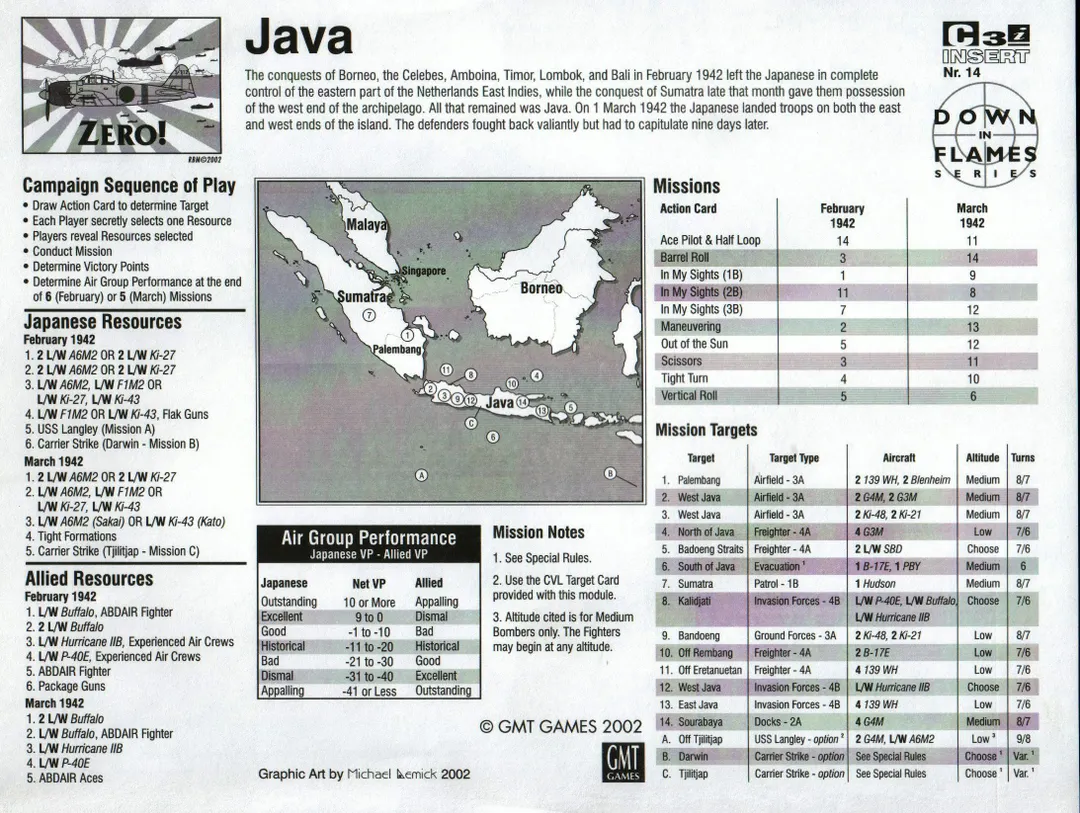
Zero!: Java – Module
- 2 players
- 20 min
- 2002
2001
Rules assistance for Zero!: The Rise and Fall of The Imperial Japanese Air Force Dec 1941 - June 1942
Plain-language explanations of turns, card effects and disputed situations, with official source references and saved question history.
For 2 players
What would you like to know?
Answers come from the official rulebook, with the page to check.
Zero!: The Rise and Fall of The Imperial Japanese Air Force Dec 1941 - June 1942 is a board game released in 2001 for 2–10 players, 60 minutes per game, and ages 12 and up. It was designed by Dan Verssen and its main mechanics are Hand Management, Open Drafting, and Scenario / Mission / Campaign Game.
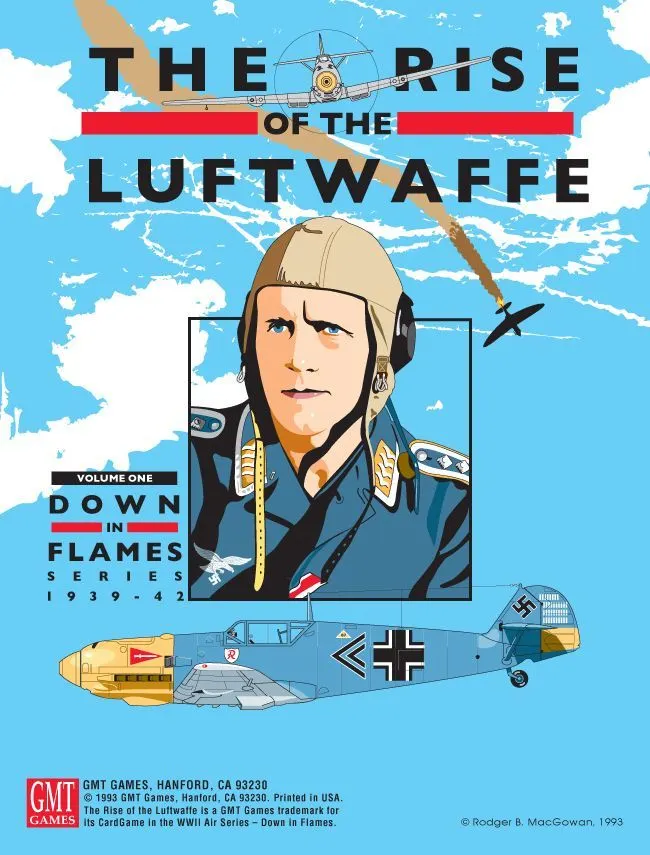
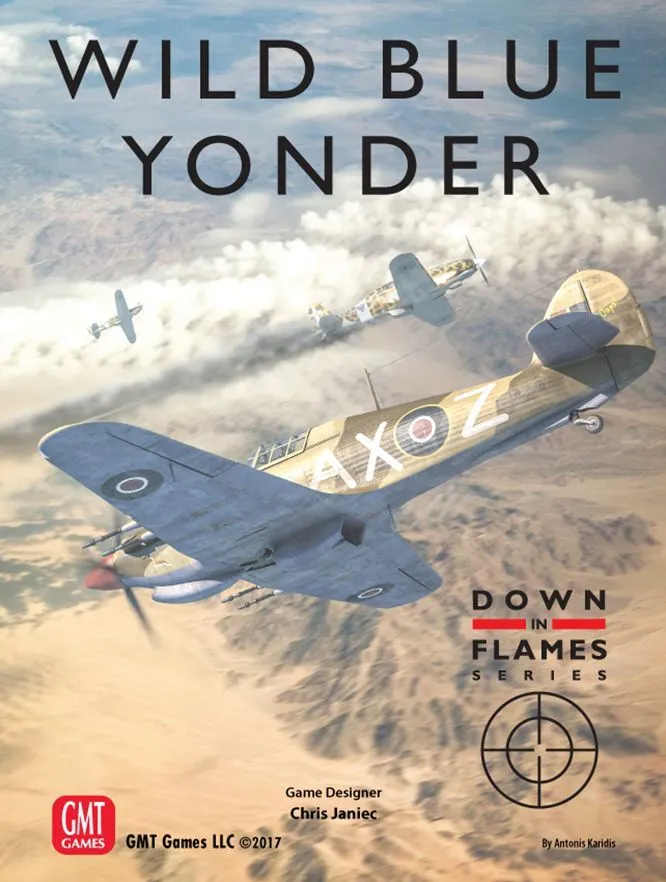
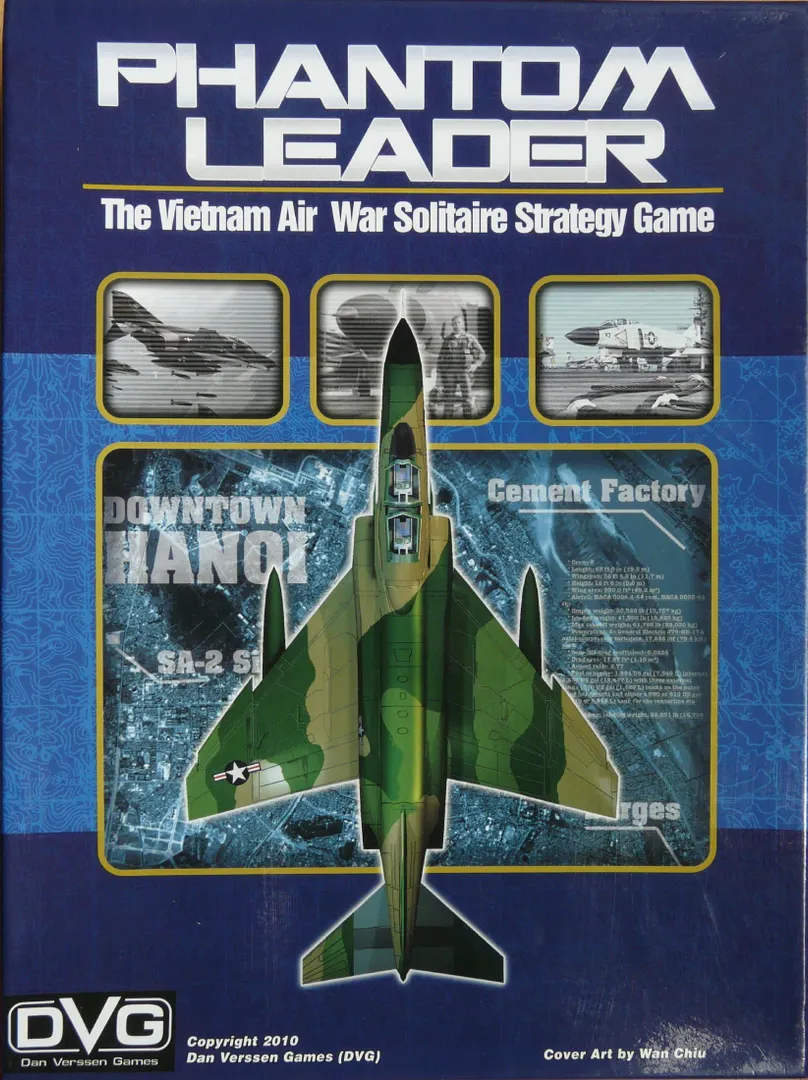

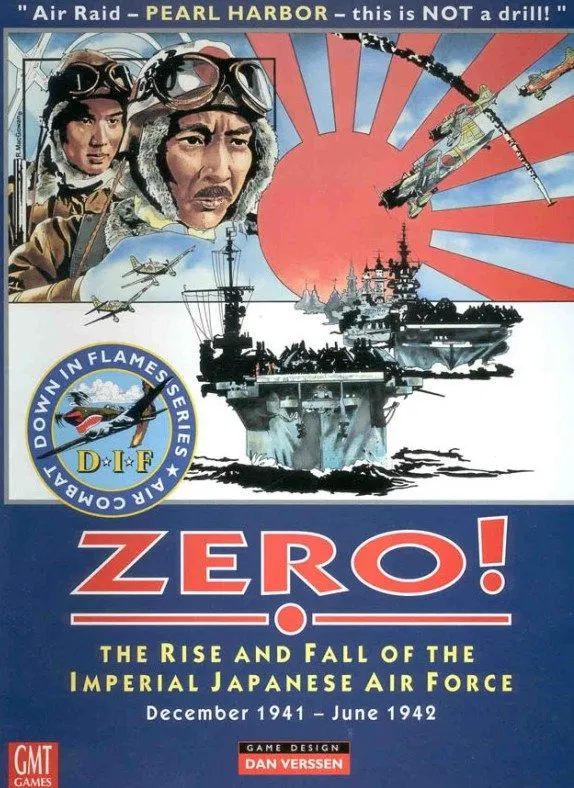
(from the GMT Website:) Volume III in the Down in Flames card game series moves to the Pacific Theatre of Operations in WWII. Players will recreate the first six months of furious aerial combat between the might of Imperial Japan and the surprised forces of the United Kingdom and the United States. Zero! includes the important early-war fighters and bomber of the Imperial Japanese Navy and Army, Royal Air Force, United States Navy, United States Army Air Force, and the American Volunteer Group (the famous Flying Tigers). Fly the fearsome A6M2 Zero against the F4F Wildcat, Hawker Hurricane IIb, Curtiss P-40B and E Tomahawks, and the ill-fated Brewster Buffalo. As a pilot with the Japanese Army, take Ki-27 Nates and Ki-43 Oscars to the skies against the Allies over Malaya and Burma. Match your skills with American aces Wagner, Thach, McCuskey or their semi-mercenary countrymen of the AVG, Hill and Newkirk. The Japanese can counter with Sakai, Anabuki, Kato, and more. As with the previous games in the series, Zero! includes the Campaigns covering the major aerial events of the December 1941 to June 1942 period. Each consists of multiple missions aimed at a variety of targets, for which you must wisely allocate your resources of men and material. New to Zero! are Carrier Campaigns, which give players some control over the carrier groups their naval squadrons fly from. Do you go all out for a decisive strike or hold your fighters back and let the enemy overextend himself? Campaigns included in this volume are: Pearl Harbor (solitaire), the Philippines, Malaya, Burma, Coral Sea, and Midway. Both Down in Flames veterans and newcomers to the series will enjoy this latest volume. All the components needed to play are included - ownership of the first two volumes is not necessary, but the three games are completely compatible. Beautiful, newly-designed, full-color action cards drive gameplay, while cards representing the major aircraft of the period and counters of the famous aces allow players to explore a wide range of scenarios. Besides the new Carrier Campaigns, historically significant missions have been added to the standard campaigns and the rules have been updated and expanded. Are you ready to relive history? Can you sweep the skies in the cockpit of the Zero, delaying or even stopping the appearance of American industrial might? Or will the Allies, in their outdated machines, halt the Japanese onslaught much earlier? CONTENTS: 88 full-color, die-cut counters. 150 full-color Playing Cards 6 Campaign Map Displays One Bombing Display One Resource Sheet One 16-page Rulebook One 20-page Campaign Booklet 8 Target Displays Three Campaign Logs Designed by Dan Verssen Developed by Mike Lemick
Zero!: The Rise and Fall of The Imperial Japanese Air Force Dec 1941 - June 1942 supports 2–10 players according to the catalogue. This range comes from the publisher’s listed player count, so the game can be set up for any group size within it. Some setups, rules and scoring details may still vary by player count, so check your edition’s rulebook for the exact configuration.
The listed playing time for Zero!: The Rise and Fall of The Imperial Japanese Air Force Dec 1941 - June 1942 is 60 minutes. This is the publisher’s estimate for a full game. The actual duration depends on the group, the player count and familiarity with the rules: first sessions usually run longer, while experienced groups often finish faster. Setup and teaching time are not included in this estimate.
The catalogue lists Zero!: The Rise and Fall of The Imperial Japanese Air Force Dec 1941 - June 1942 for ages 12 and up. This is the publisher’s recommendation and reflects reading demands, rule complexity and small components rather than theme alone. Younger players can often join with help from an adult, so check the age guidance on your edition and consider your group’s experience with board games.
Zero!: The Rise and Fall of The Imperial Japanese Air Force Dec 1941 - June 1942 has a complexity rating of 2.3 out of 5 from BoardGameGeek players, which makes it a medium-light game. The rating reflects how much rules knowledge, planning and decision-making a typical game demands. Expect a longer first teach for heavier games, and use a preparation guide before game night.
Zero!: The Rise and Fall of The Imperial Japanese Air Force Dec 1941 - June 1942 belongs to these categories: Card Game, Wargame, and World War II. Its main mechanics are Hand Management, Open Drafting, and Scenario / Mission / Campaign Game. Categories describe the theme and setting of a game, while mechanics describe what players actually do on their turns. Each mechanic links to a catalogue hub with similar games, which helps when you want something comparable.
The credited designers of Zero!: The Rise and Fall of The Imperial Japanese Air Force Dec 1941 - June 1942 are: Dan Verssen. These credits come from the published game data and name the people responsible for the game’s design, not its illustrators or publishers. Designer pages on MeepleRules collect other titles by the same designers, which helps when you enjoy a game and want to find similar ones.
The catalogue lists Zero!: The Rise and Fall of The Imperial Japanese Air Force Dec 1941 - June 1942 as a base game. It can be played on its own with the components in the box and does not require any other title. Expansions, if any exist, add new content or rules on top of it and are listed separately in the catalogue with a link back to this base game.