
- Puesto en BGG
- BGG #236
- Puntuación BGG
- 8,0
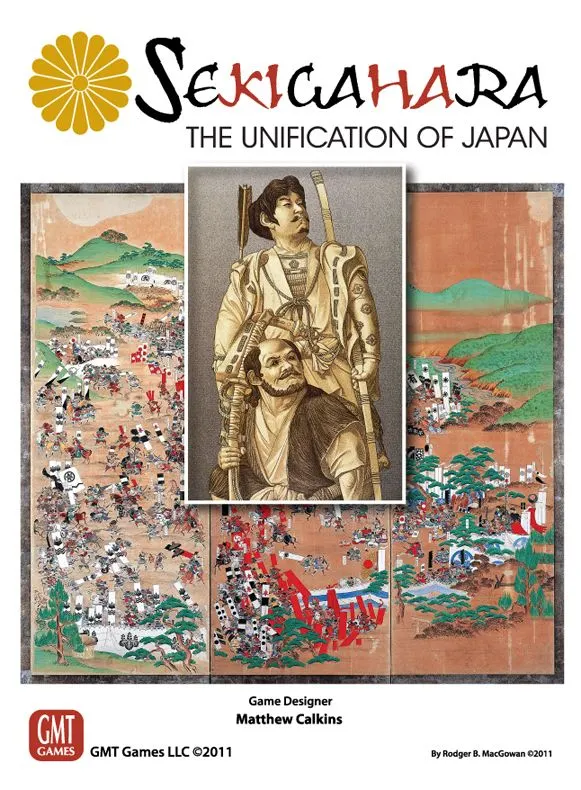
Sekigahara: The Unification of Japan
- 2 jugadores
- 180 min
- Complejidad 2,8/5
- 2011
2022
Ayuda con las reglas de Charioteer
Explicaciones claras de turnos, efectos de cartas y situaciones dudosas, con referencias a fuentes oficiales e historial de preguntas guardado.
Para 2 jugadores
¿Qué quieres saber?
Las respuestas salen del reglamento oficial, con la página para comprobarlo.
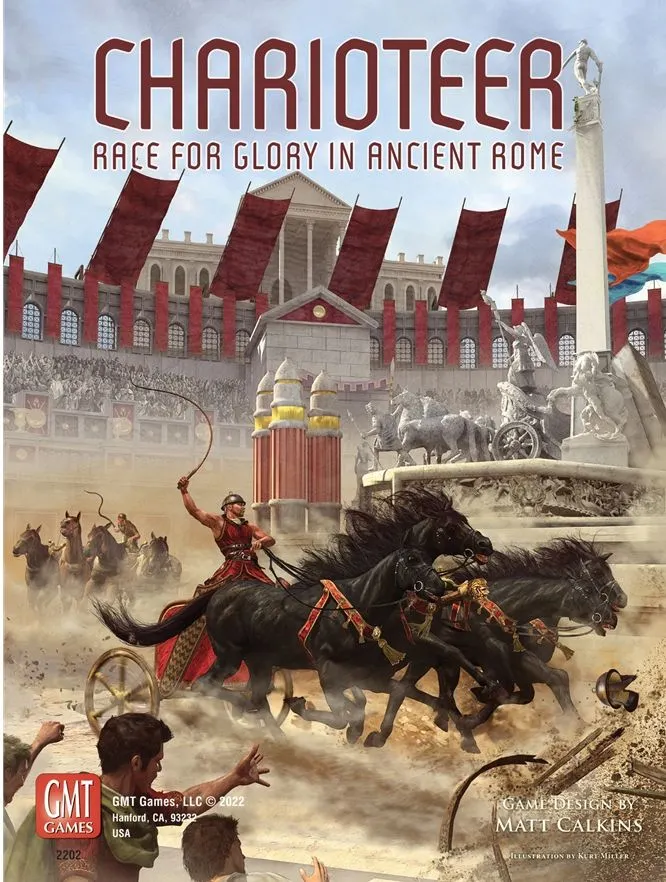
Charioteer es un juego de mesa publicado en 2022 para 2–6 jugadores, con partidas de 60 a 120 minutos y a partir de 14 años. Fue diseñado por Matt Calkins y sus mecánicas principales son Hand Management, Race y Set Collection.




En inglés
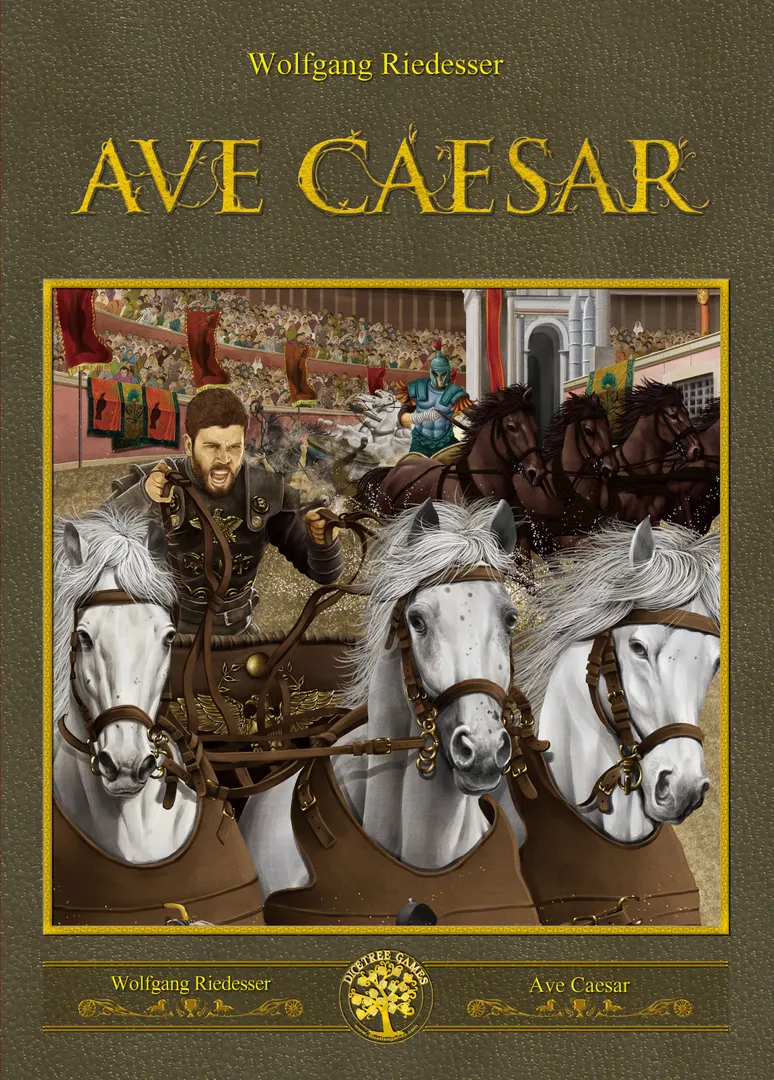
The ground trembles under a thousand angry hoofbeats. Wheels creak and reins pull as racers drive their horses forward in a panic. You are a charioteer in the Circus Maximus, the greatest raceway in the ancient world. A crescendo of noise builds with each lap. Chariots collide, whips crack. The crowd cheers for a surprising breakaway, rumbles as a favorite is damaged and falls behind. From the imperial box, the emperor laughs and shouts. Clouds of dust obscure the bright banners of the four factions. Three hundred thousand fans are on their feet as you turn the final corner. This is not the finish they expected. You lead by a length, and only one rival remains; each throws the last of their energy into one final sprint. Many thousands are despondent, other thousands exultant and joyous. Their shouts become a roar, a long scream, as you surge for the finish line. Another hundred yards will make you a hero. Charioteer is a new game from Sekigahara: The Unification of Japan author Matt Calkins. Like Matt's previous games, Charioteer features simple rules, quick play, and novel mechanisms. Charioteer is a strategic racing game that plays in one hour. Each player controls a chariot in the Circus Maximus of ancient Rome. There's lots of action, and it happens quickly, with simultaneous move selection. Movement is determined by melding sets from a hand of cards. Every card does more than one thing, and it takes multiple matching cards to make a move. Choosing to use a card in one set means deciding not to use it in another. Timing when to make a critical move is as important as knowing what move to make. Moves come in four colors, and each has a special advantage. Play a red move to attack your opponents, yellow to recover from disruption, black to turn a sharp corner, and green to sprint. Each racer begins the game with different abilities, and they improve their skills as the race progresses, leading to big bonuses in their favorite types of moves. Show the emperor the kind of move he prefers, and a racer's skills will increase even faster. Players deploy tokens to give their moves a special bonus. More tokens can be earned by impressing the crowd with large matching card plays. Players may choose to delay using their best sets until they're big enough to qualify for a fan token. Some races will be violent and others calm, depending upon whether the players and emperor behave disruptively. Attacks cause damage, which reduces movement speed. Players who specialize in recovery moves may overcome damage quickly. Others may need to carefully deploy their shields on turns when violence is expected. It's not always clear who's winning the race. Being in front of the pack may not be as important as developing a critical skill, collecting powerful tokens, or keeping damage low. Whip icons allow those who have fallen behind to surge back into competition. Charioteer is easy to learn. It can be played by bright kids as well as adults. Despite its accessibility, it is a game of skill. —description from the publisher
Según el catálogo, Charioteer admite de 2 a 6 jugadores. Este intervalo corresponde al número de jugadores indicado por la editorial, así que el juego puede prepararse para cualquier grupo dentro de ese margen. La preparación, algunas reglas y la puntuación pueden variar según el número de jugadores; consulta la configuración exacta en el reglamento de tu edición.
La duración indicada para Charioteer es de 60 a 120 minutos, la estimación de la editorial para una partida completa. El tiempo real depende del grupo, del número de jugadores y del conocimiento de las reglas: las primeras partidas suelen alargarse y los grupos con experiencia terminan antes. La preparación y la explicación de las reglas no están incluidas.
El catálogo indica Charioteer a partir de 14 años. Es la recomendación de la editorial y refleja la lectura necesaria, la complejidad de las reglas y las piezas pequeñas, no solo el tema. Los más pequeños a menudo pueden jugar con ayuda de un adulto: comprueba la edad recomendada en tu edición y la experiencia de tu grupo.
Charioteer tiene una puntuación de complejidad de 2,2 sobre 5 según los jugadores de BoardGameGeek, lo que lo convierte en un juego algo ligero. La puntuación refleja cuánto conocimiento de reglas, planificación y toma de decisiones exige una partida típica. Los juegos exigentes requieren una explicación inicial más larga, así que conviene usar una guía de preparación.
Charioteer pertenece a estas categorías: Ancient y Racing. Sus mecánicas principales son Hand Management, Race y Set Collection. Las categorías describen el tema y la ambientación de un juego, mientras que las mecánicas describen lo que los jugadores hacen realmente en su turno. Cada mecánica lleva a una página del catálogo con juegos similares.
Los autores acreditados de Charioteer son: Matt Calkins. Estos créditos proceden de los datos publicados del juego y nombran a las personas responsables de su diseño, no a ilustradores ni editoriales. Las páginas de autor de MeepleRules reúnen otros títulos de los mismos autores, algo útil cuando un juego te gusta y buscas otros parecidos.
El catálogo clasifica Charioteer como juego base. Se juega por sí solo con los componentes de la caja y no requiere ningún otro título. Las expansiones, si existen, añaden contenido o reglas nuevas y aparecen por separado en el catálogo con un enlace a este juego base.