
- Puesto en BGG
- BGG #25.289
- Puntuación BGG
- 5,9
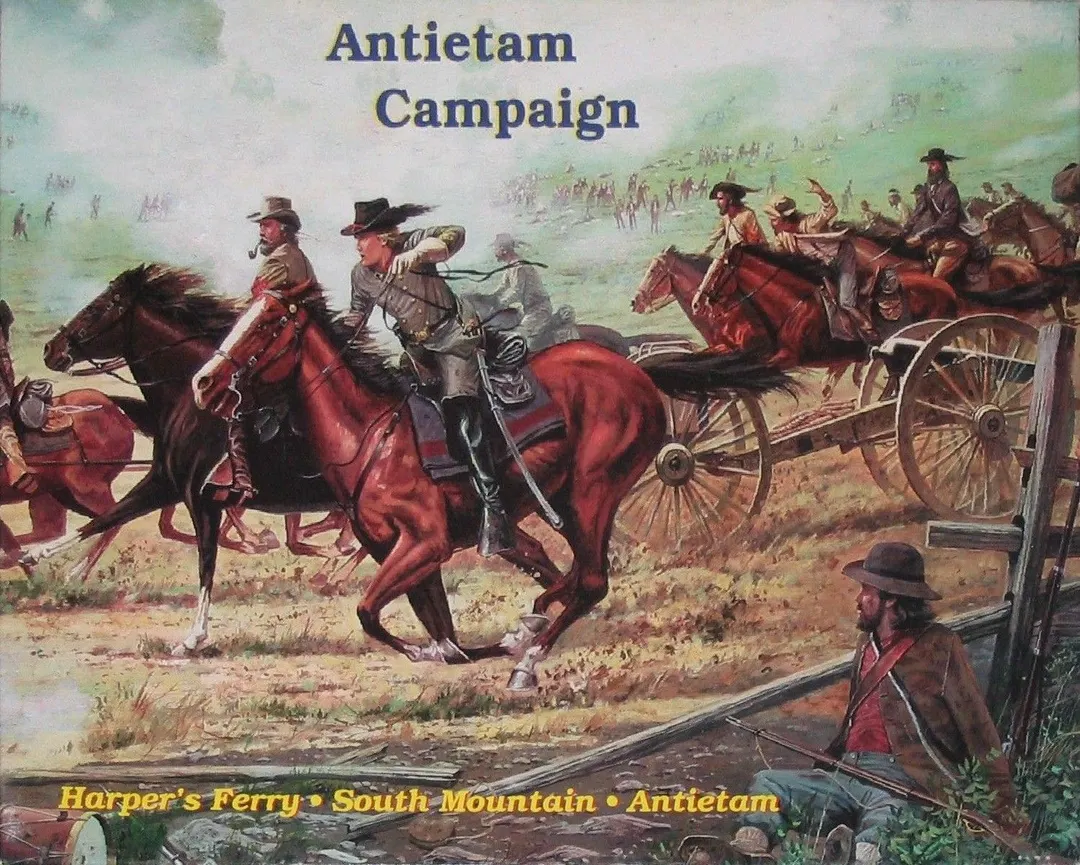
Antietam Campaign
- 1–2 jugadores
- Complejidad 2,2/5
- 1995
1993
Ayuda con las reglas de Olustee
Explicaciones claras de turnos, efectos de cartas y situaciones dudosas, con referencias a fuentes oficiales e historial de preguntas guardado.
Para 2 jugadores
¿Qué quieres saber?
Las respuestas salen del reglamento oficial, con la página para comprobarlo.
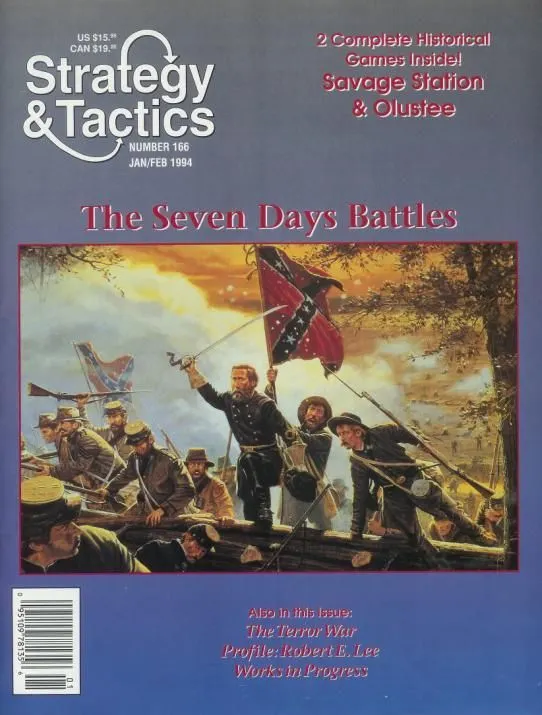
Olustee es un juego de mesa publicado en 1993 para 2 jugadores. Fue diseñado por Charles L. Diamond y sus mecánicas principales son Hexagon Grid.
En inglés
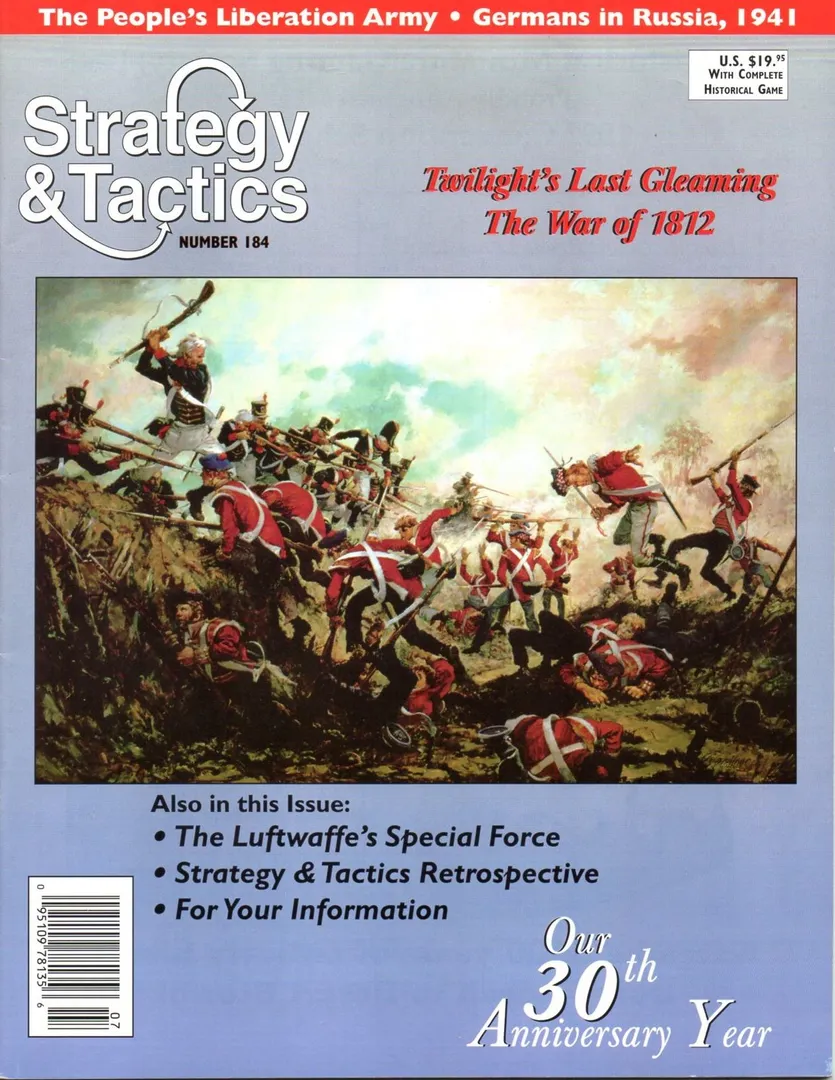
Olustee, is a simulation about The Battle of Olustee was fought on February 20, 1864, during the American Civil War. It was the only major battle fought in Florida during the war. Union General Truman Seymour had landed troops at Jacksonville, aiming chiefly to disrupt Confederate food supply. Meeting little resistance, he proceeded towards the state capital of Tallahassee, against orders, assuming that he would face only the small Florida militia. Confederates in Charleston sent reinforcements under General Alfred H. Colquitt and the two armies collided near Olustee Station. The Union forces were repulsed and retreated to Jacksonville where they stayed for the remainder of the war. Following the Florida, Atlantic and Gulf Central Railroad, Seymour led his 5,500 men in the direction of Lake City. At approximately 2:30 in the afternoon of February 20, the Union force approached General Finnegan's 5,000 Confederates entrenched near Olustee Station. Finnegan sent out an infantry brigade to meet Seymour's advance units and lure them into the Confederate entrenchments, but this plan went awry. The opposing forces met at Ocean Pond and the battle began. Seymour made the mistake of assuming he was once again facing Florida militia units he had previously routed with ease and committed his troops piecemeal into the battle. Finnegan and Seymour both reinforced their engaged units during the afternoon and the battle took place in open pine woods. The Union forces attacked but were savagely repulsed by withering barrages of rifle and cannon fire. The battle raged throughout the afternoon until, as Finnegan committed the last of his reserves, the Union line broke and began to retreat. Finnegan did not exploit the retreat, allowing most of the fleeing Union forces to reach Jacksonville. However, the Confederates did make a final attempt to engage the rear element of Seymour's forces just before nightfall, but they were repulsed by elements of the 54th Massachusetts Volunteer Infantry Regiment and the 35th United States Colored Troops, both composed of black soldiers. The Confederate cavalry commander received criticism for failing to pursue the retreating Union forces. Uses a slightly modified version of SPI's Blue & Gray rules, called Battles of the American Civil War that started with Seven Days Battles. Originally published by Decision Games (I) in Strategy & Tactics magazine #166, along with Savage Station. Note: Some replacement counters for this game, and the rules necessary to use them, were included in S&T 170: Atlanta Campaign. These counters completely replace those found in this game. Game Scale: Turn: approximately 1 hour Hex: 300 yards / 274 meters Units: 1 strength = 250 men Game Inventory: One 22 x 34" full color mapsheet One dual-side printed countersheet (120 1/2" counters) One 12-page combined Olustee/Savage Station rules booklet Complexity: Medium Solitaire Suitability: Medium Players: 1 or more Playing Time: 1-2 Hours Players will have to provide one 6-sided die
Según el catálogo, Olustee admite 2 jugadores. Es el número de jugadores indicado por la editorial, así que el juego está diseñado exactamente para esa cantidad de participantes. Las variantes para otros tamaños de grupo, si existen, se describen en el reglamento de tu edición; consúltalo antes de preparar otra configuración.
Olustee tiene una puntuación de complejidad de 2,3 sobre 5 según los jugadores de BoardGameGeek, lo que lo convierte en un juego algo ligero. La puntuación refleja cuánto conocimiento de reglas, planificación y toma de decisiones exige una partida típica. Los juegos exigentes requieren una explicación inicial más larga, así que conviene usar una guía de preparación.
Olustee pertenece a estas categorías: Wargame y American Civil War. Sus mecánicas principales son Hexagon Grid. Las categorías describen el tema y la ambientación de un juego, mientras que las mecánicas describen lo que los jugadores hacen realmente en su turno. Cada mecánica lleva a una página del catálogo con juegos similares.
Los autores acreditados de Olustee son: Charles L. Diamond. Estos créditos proceden de los datos publicados del juego y nombran a las personas responsables de su diseño, no a ilustradores ni editoriales. Las páginas de autor de MeepleRules reúnen otros títulos de los mismos autores, algo útil cuando un juego te gusta y buscas otros parecidos.
El catálogo clasifica Olustee como juego base. Se juega por sí solo con los componentes de la caja y no requiere ningún otro título. Las expansiones, si existen, añaden contenido o reglas nuevas y aparecen por separado en el catálogo con un enlace a este juego base.