

- Puesto en BGG
- BGG #23.374
- Puntuación BGG
- 6,2
Leipzig: Napoleon Encircled
- 1–2 jugadores
- 60 min
- Complejidad 3,0/5
- 2010

2015
Ayuda con las reglas de Wellington's Victory: The Battle of Waterloo, 18 June 1815 (Second Edition)
Explicaciones claras de turnos, efectos de cartas y situaciones dudosas, con referencias a fuentes oficiales e historial de preguntas guardado.
¿Qué quieres saber?
Las respuestas salen del reglamento oficial, con la página para comprobarlo.
Wellington's Victory: The Battle of Waterloo, 18 June 1815 (Second Edition) es un juego de mesa publicado en 2015 para 1–2 jugadores, con partidas de 60 a 1000 minutos y a partir de 14 años. Fue diseñado por Chris Perello y sus mecánicas principales son Simulation.
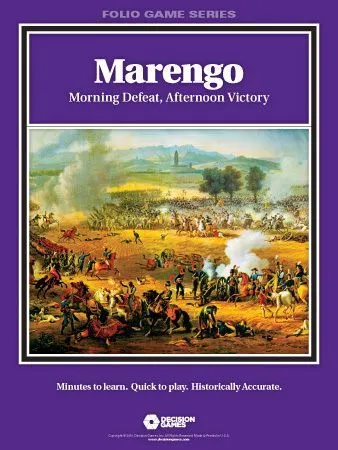
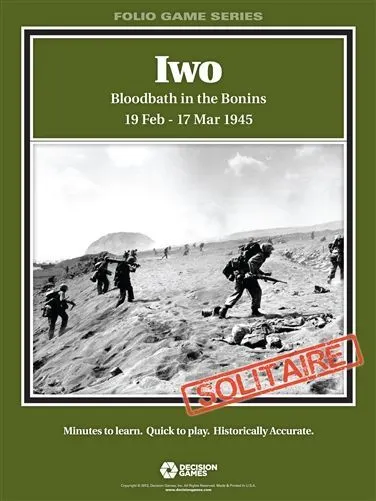
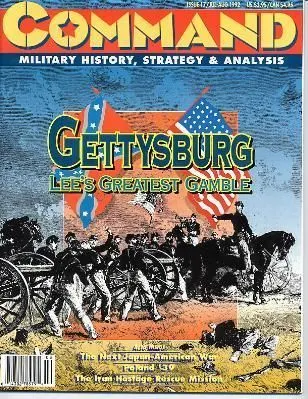
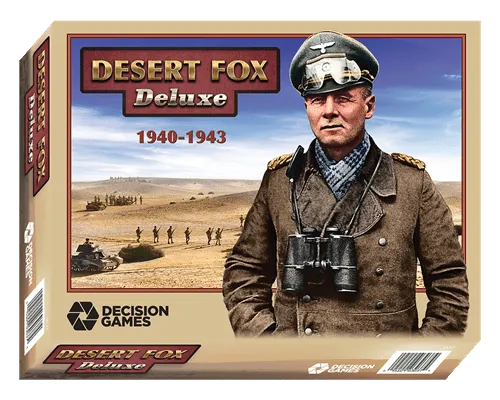
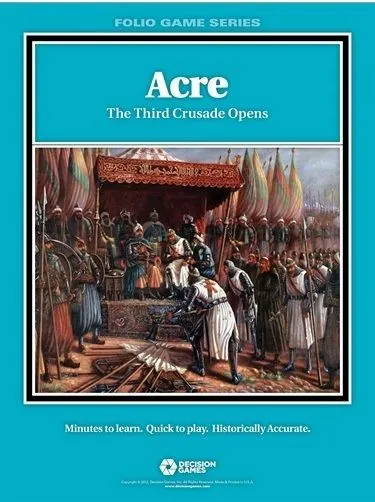
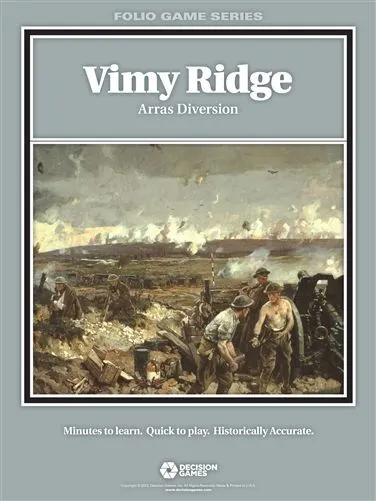

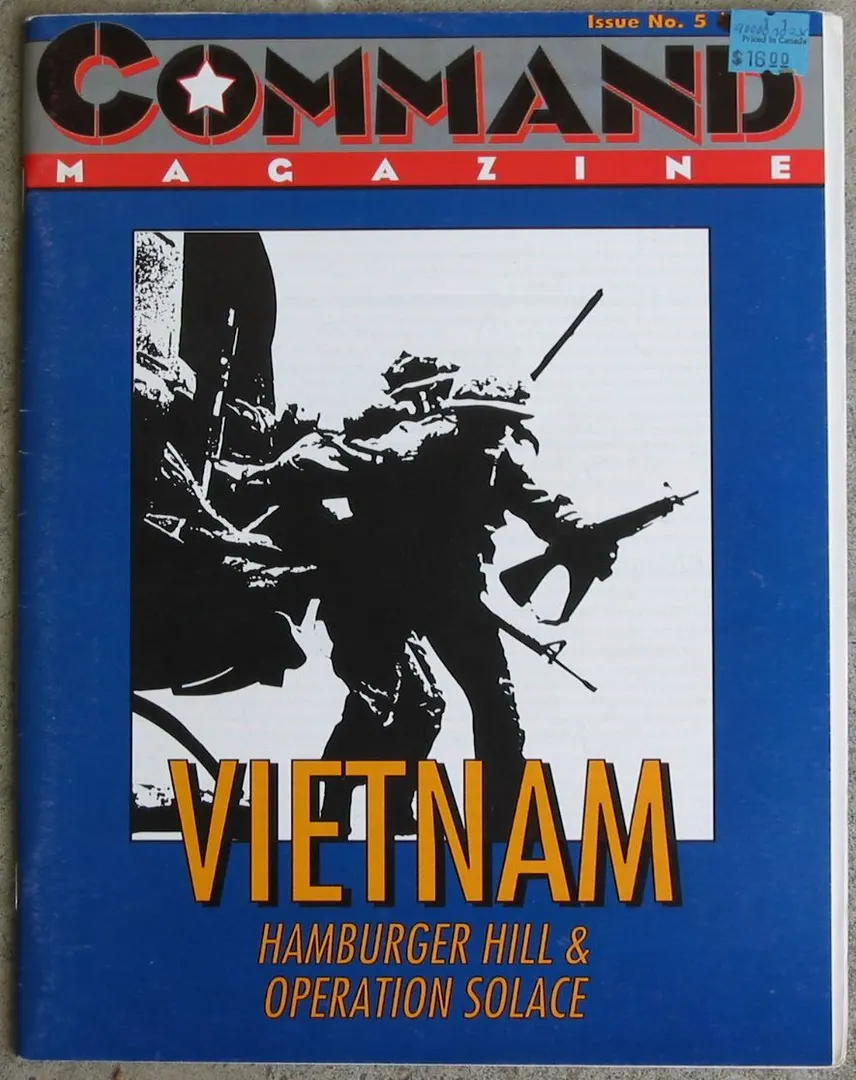
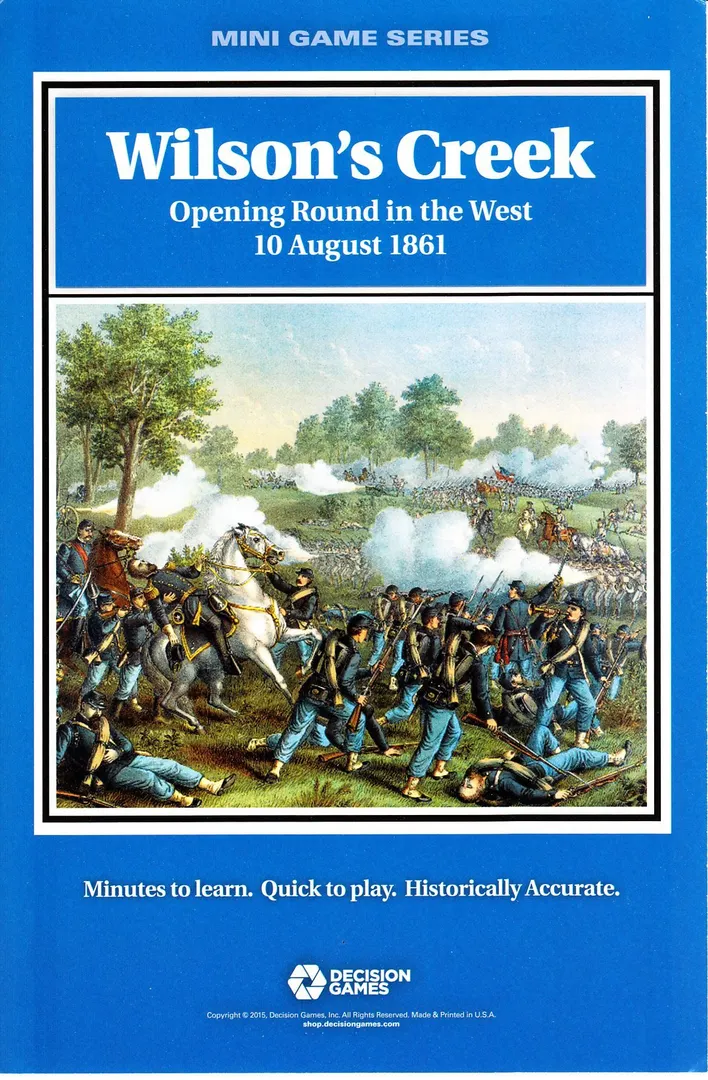

En inglés
The classic SPI game covering the battle of Waterloo returns in this redesigned version. Napoleon's French Army of the North faces Wellington's hodge-podge Army of the Low Countries, who are fighting for time while awaiting the arrival of Blucher's Prussian Army of the Lower Rhine. The maps use natural contours to show elevations, withterrain features including the critical chateaux, villages and farms, walls, woods, hedges, sunken roads, slopes, streams, and marshes. Most of the vividly colored counters represent combat units: infantry battalions, cavalry squadrons, artillery batteries, and engineer detachments. Many battalions have additional counters for specialist skirmishers, or additional counters to represent greater size. Unit capabilities are modified by a number of formation markers, from infantry squares to cavalry vedettes. Individual leaders enhance unit performance, while each army's high command is represented by key commanders and unit headquarters. The game mechanics have been streamlined; a single dice roll inflicts casualties and disorder. Units and larger organizations wear down over time and must be rested or risk a catastrophic collapse. Finesse trumps brute strength in combat; players must utilize a variety of arms, formations, and tactics to seize key ground and destroy enemy units. Hidden movement allows each player to prepare surprises for the other. Multiple scenarios cover everything from the historical battle to a fight for an individual chateau. The French player may decide on an early start, or even on turning the battle into a demonstration. The Prussian arrival can occur early with fewer troops, or later with more, at the will of the allied player. It's all here, from massive cavalry charges to grand bombardments to skirmishing to wild melees, with the fate of Europe in the balance. Game Components: 1 32-page Color Rules Book 1 16-page Color Battle Analysis & OB (extract from S&T #292) 7 Counter Sheets (1,960 die-cut counters) 4 34" x 22" soft maps 2 Player Aid Sheets 1 Time Display Sheet 3 Army Display Sheets 1 Prussian Off-Board Approach Sheet 6 6-Sided Large Dice Storage Bags
Según el catálogo, Wellington's Victory: The Battle of Waterloo, 18 June 1815 (Second Edition) admite de 1 a 2 jugadores. Este intervalo corresponde al número de jugadores indicado por la editorial, así que el juego puede prepararse para cualquier grupo dentro de ese margen. La preparación, algunas reglas y la puntuación pueden variar según el número de jugadores; consulta la configuración exacta en el reglamento de tu edición.
La duración indicada para Wellington's Victory: The Battle of Waterloo, 18 June 1815 (Second Edition) es de 60 a 1000 minutos, la estimación de la editorial para una partida completa. El tiempo real depende del grupo, del número de jugadores y del conocimiento de las reglas: las primeras partidas suelen alargarse y los grupos con experiencia terminan antes. La preparación y la explicación de las reglas no están incluidas.
El catálogo indica Wellington's Victory: The Battle of Waterloo, 18 June 1815 (Second Edition) a partir de 14 años. Es la recomendación de la editorial y refleja la lectura necesaria, la complejidad de las reglas y las piezas pequeñas, no solo el tema. Los más pequeños a menudo pueden jugar con ayuda de un adulto: comprueba la edad recomendada en tu edición y la experiencia de tu grupo.
Wellington's Victory: The Battle of Waterloo, 18 June 1815 (Second Edition) tiene una puntuación de complejidad de 4,0 sobre 5 según los jugadores de BoardGameGeek, lo que lo convierte en un juego exigente. La puntuación refleja cuánto conocimiento de reglas, planificación y toma de decisiones exige una partida típica. Los juegos exigentes requieren una explicación inicial más larga, así que conviene usar una guía de preparación.
Wellington's Victory: The Battle of Waterloo, 18 June 1815 (Second Edition) pertenece a estas categorías: Wargame y Napoleonic. Sus mecánicas principales son Simulation. Las categorías describen el tema y la ambientación de un juego, mientras que las mecánicas describen lo que los jugadores hacen realmente en su turno. Cada mecánica lleva a una página del catálogo con juegos similares.
Los autores acreditados de Wellington's Victory: The Battle of Waterloo, 18 June 1815 (Second Edition) son: Chris Perello. Estos créditos proceden de los datos publicados del juego y nombran a las personas responsables de su diseño, no a ilustradores ni editoriales. Las páginas de autor de MeepleRules reúnen otros títulos de los mismos autores, algo útil cuando un juego te gusta y buscas otros parecidos.
El catálogo clasifica Wellington's Victory: The Battle of Waterloo, 18 June 1815 (Second Edition) como juego base. Se juega por sí solo con los componentes de la caja y no requiere ningún otro título. Las expansiones, si existen, añaden contenido o reglas nuevas y aparecen por separado en el catálogo con un enlace a este juego base.