
- BGG rank
- BGG #9,918
- BGG rating
- 6.1
Rage
- 2–6 players
- 45 min
- Complexity 2.4/5
- 1995

1996
Rules assistance for Arcadia: The Wyld Hunt
Plain-language explanations of turns, card effects and disputed situations, with official source references and saved question history.
What would you like to know?
Answers come from the official rulebook, with the page to check.
Arcadia: The Wyld Hunt is a board game released in 1996 for 1–5 players, 30 minutes per game, and ages 10 and up. It was designed by Mike Tinney, Steve Wieck, Mark Rein•Hagen, and Joshua Gabriel Timbrook and its main mechanics are Modular Board.



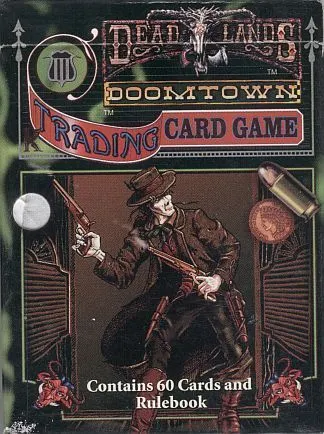
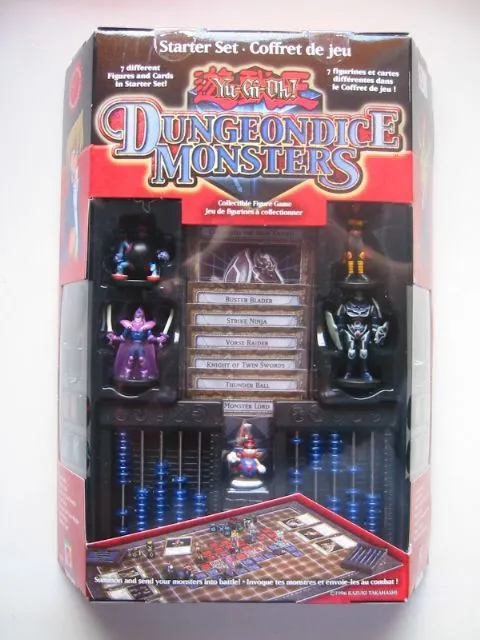

No starter packs. Each booster has the rules. You only need to buy two boosters to play with. From a marketing standpoint this game should have sold well. You do not have to purchase boxes of cards to play. You buy a character pack and a story pack then find someone else who has done the same and play. In the character pack you will get a character who stands up and all the cards you need to make him unique. Each character has stats for might, resolve, savvy and combat. You can add 5 points to spend upgrading your character. You upgrade with 5 types of cards called merits with varying costs. Abilities generally boost one of your 4 attributes. Advantages are special skills available to the character. Allies are friends that travel with you and add their skills to help you. Arts are magic abilities that help you in various ways. Treasures are items that you can carry to help you or you can find them in your journeys. If you want to add more then 5 points to your character you can add flaws which are worth negative points. If you add 2 points of flaws then you would have seven points of merits you could add. These come in three flavors. Curses represent special liabilities of your character. Enemies represent individuals or races with great hatred for you which if met fight with an advantage. Weakness usually affect your stats. Once you have created your character you can go on an adventure. In your story pack you will find leagues which are put together to create a map. Each league has a terrain type or types, cost to enter or leave, special affects and what attribute you may recover if resting there. In your story pack you will also find quest cards. The quest card tells you what you are trying to achieve. Each quest has four attributes. These are Experience points received when the quest is achieved, Total points of waylays allowed against the quest, total points in treasures that can be seeded and the victory conditions required to complete the quest. You will also find waylay cards in your story pack. These will have indicators on them to tell you in what terrain you are allowed to play them in. There is a point rating that is applied against the quests waylay rating. Each waylay also has a test that must be passed. Failing a waylay can have dire consequences or it may just delay you by one turn. It is a very simple game that never plays the same way twice as long as you have a few boosters around to mix things up.
Arcadia: The Wyld Hunt supports 1–5 players according to the catalogue. This range comes from the publisher’s listed player count, so the game can be set up for any group size within it. Some setups, rules and scoring details may still vary by player count, so check your edition’s rulebook for the exact configuration.
The listed playing time for Arcadia: The Wyld Hunt is 30 minutes. This is the publisher’s estimate for a full game. The actual duration depends on the group, the player count and familiarity with the rules: first sessions usually run longer, while experienced groups often finish faster. Setup and teaching time are not included in this estimate.
The catalogue lists Arcadia: The Wyld Hunt for ages 10 and up. This is the publisher’s recommendation and reflects reading demands, rule complexity and small components rather than theme alone. Younger players can often join with help from an adult, so check the age guidance on your edition and consider your group’s experience with board games.
Arcadia: The Wyld Hunt has a complexity rating of 2.1 out of 5 from BoardGameGeek players, which makes it a medium-light game. The rating reflects how much rules knowledge, planning and decision-making a typical game demands. Expect a longer first teach for heavier games, and use a preparation guide before game night.
Arcadia: The Wyld Hunt belongs to these categories: Card Game, Fantasy, and Fighting. Its main mechanics are Modular Board. Categories describe the theme and setting of a game, while mechanics describe what players actually do on their turns. Each mechanic links to a catalogue hub with similar games, which helps when you want something comparable.
The credited designers of Arcadia: The Wyld Hunt are: Mike Tinney, Steve Wieck, Mark Rein•Hagen, and Joshua Gabriel Timbrook. These credits come from the published game data and name the people responsible for the game’s design, not its illustrators or publishers. Designer pages on MeepleRules collect other titles by the same designers, which helps when you enjoy a game and want to find similar ones.
The catalogue lists Arcadia: The Wyld Hunt as a base game. It can be played on its own with the components in the box and does not require any other title. Expansions, if any exist, add new content or rules on top of it and are listed separately in the catalogue with a link back to this base game.