
- BGG rating
- 8.7
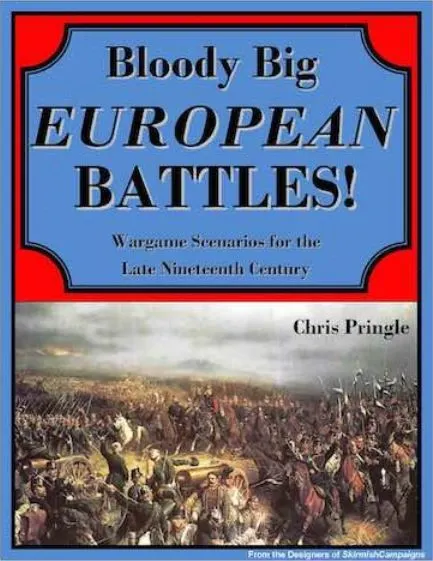
Bloody Big European Battles!: Wargame Scenarios for the Late Nineteenth Century
- 2 players
- 90–360 min
- Complexity 3.0/5
- 2014
2014
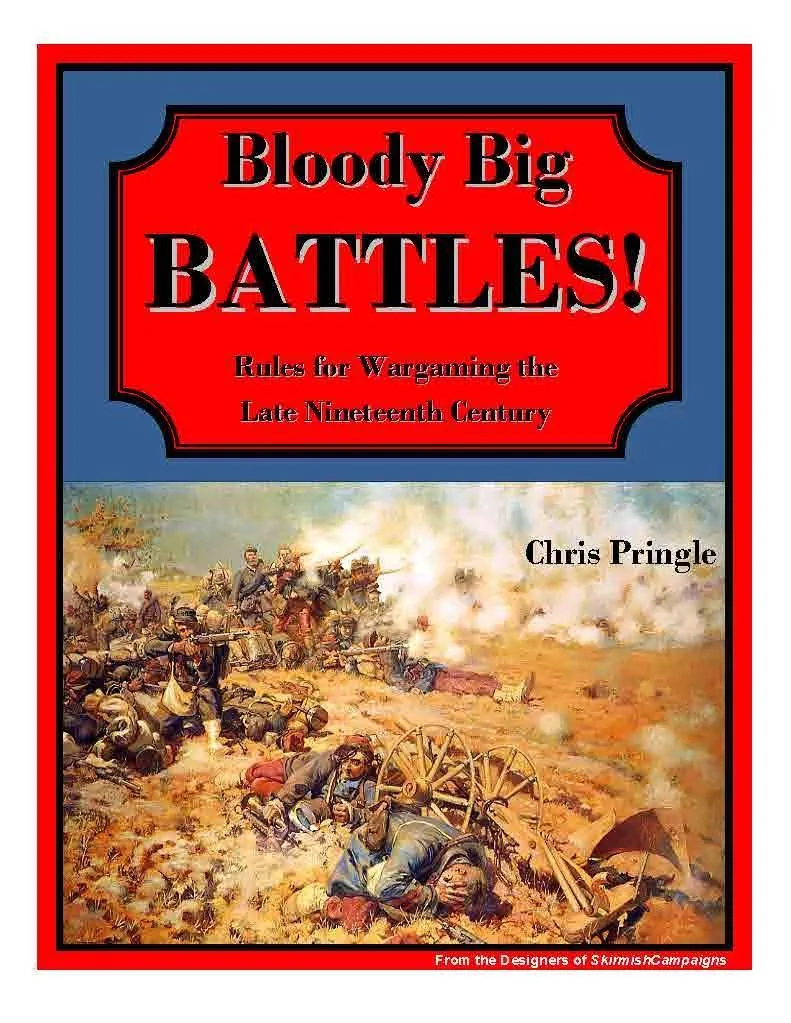
Rules assistance for Bloody Big Battles!: Rules for Wargaming the Late Nineteenth Century
Plain-language explanations of turns, card effects and disputed situations, with official source references and saved question history.
What would you like to know?
Answers come from the official rulebook, with the page to check.
Bloody Big Battles!: Rules for Wargaming the Late Nineteenth Century is a board game released in 2014 for 2–8 players, 90–360 minutes per game, and ages 10 and up. It was designed by Chris Pringle and its main mechanics are Dice Rolling, Simulation, and Measurement Movement.
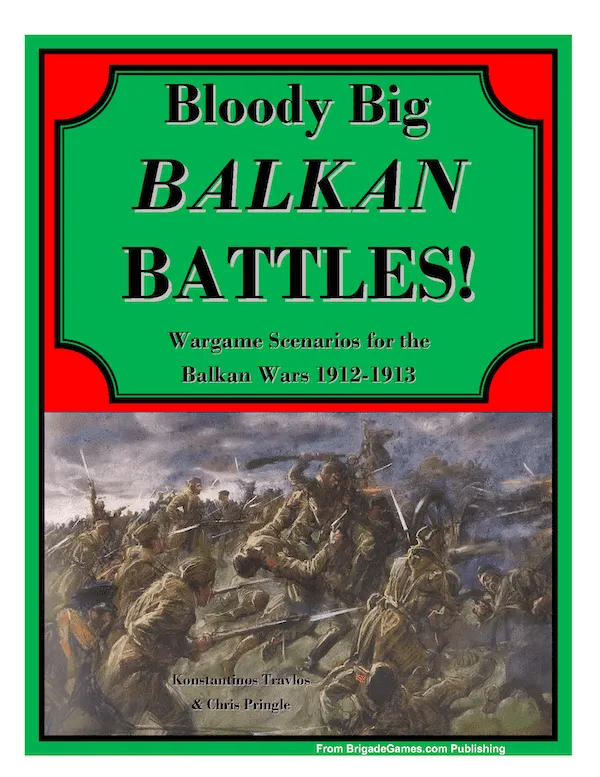

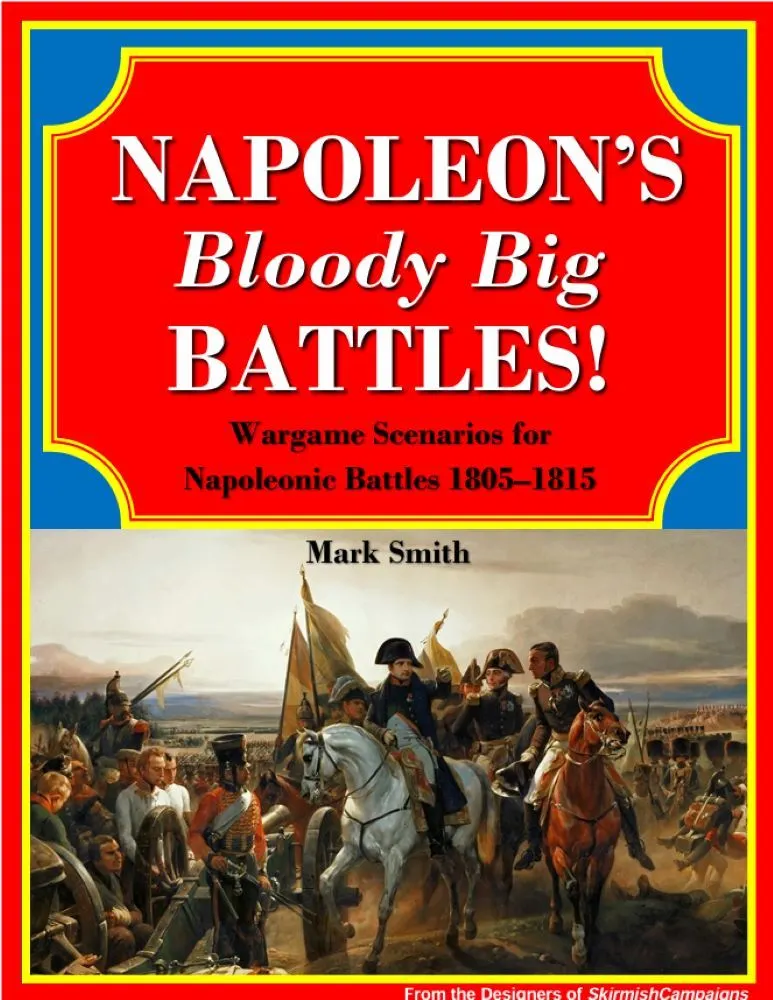
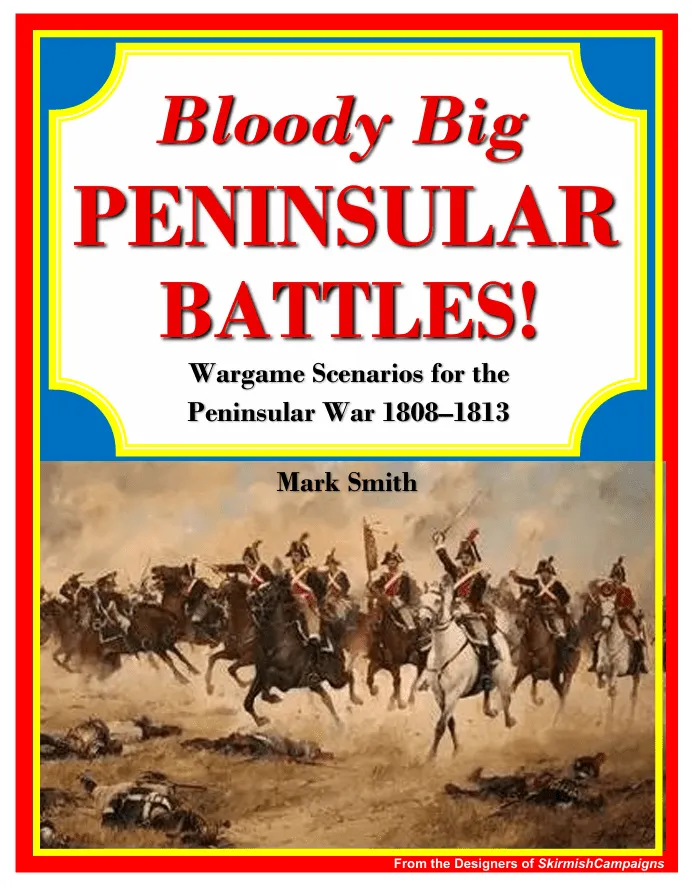


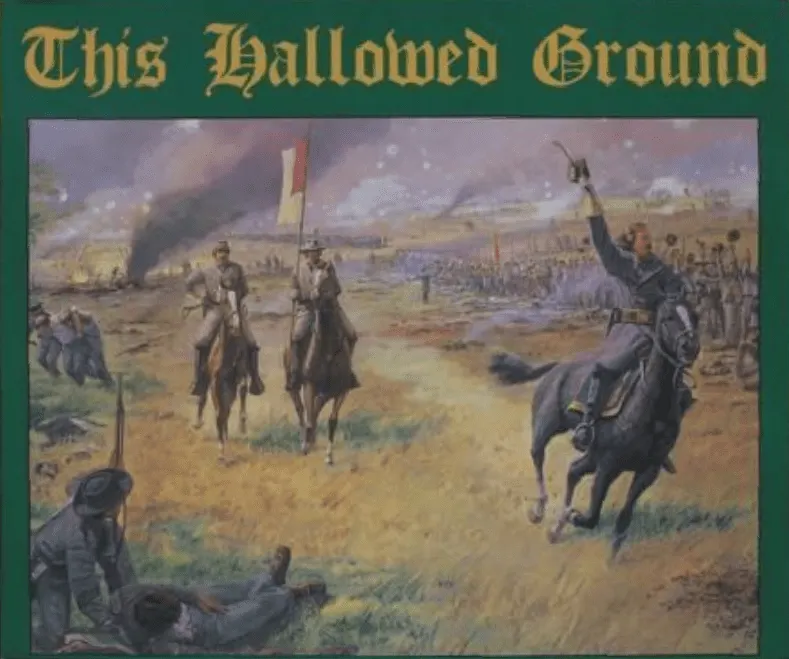
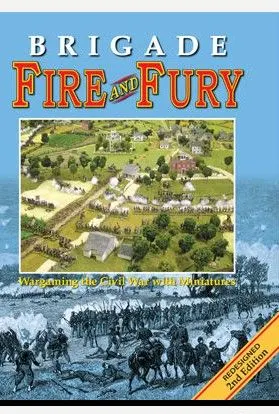

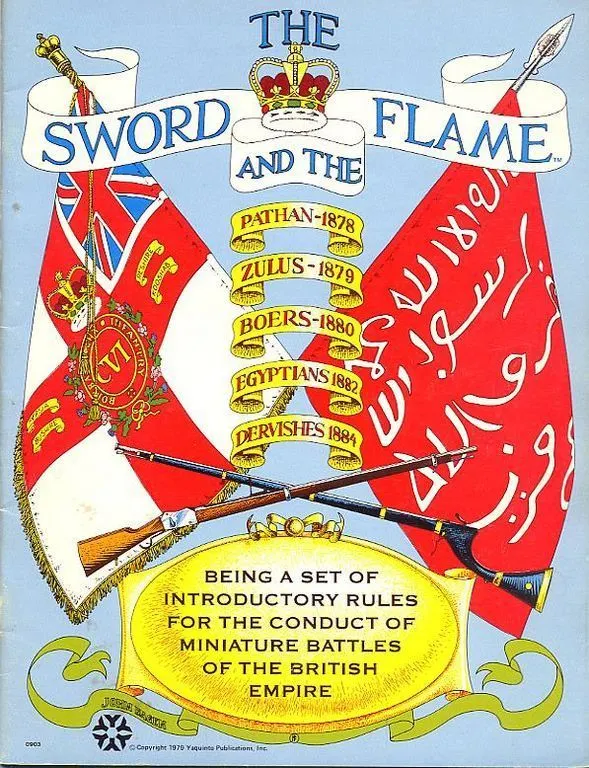

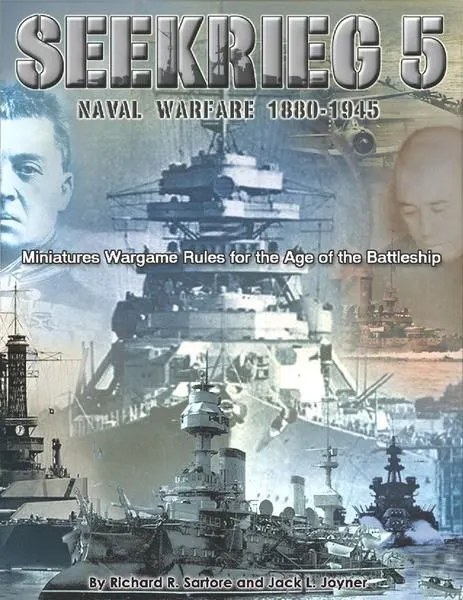
Rules for wargaming the Late Nineteenth Century with historical miniatures. Bloody Big Battles! (BBB) does exactly what its title says. It is intended for fighting the biggest, bloodiest battles of 1850-1900 in a manageable way. Specific design goals included: to tackle the major battles such as Solferino, Gettysburg, Königgrätz, Sedan or Plevna, often spanning several days’ combat; to fit them on a 6’x4’ tabletop; and to fight them in their entirety, in a single 3-to-4-hour session, with 2-6 players (typically 4). BBB is not intended for small actions of a few thousand men a side. There are plenty of rulesets that do that. But BBB is distinctive in: Enabling players to command entire armies of 100,000+ men; Fitting battlefields of up to 20km across on the table; While still producing a fast, fun, flavorful game and a result in an evening. Scale varies according to the battle but is typically: Figure scale 1,500 men or 36 cannon per 1” base (organized into multi-base division or brigade-sized units, usually of 3-7 infantry bases, 2-3 cavalry bases or 1 artillery base); Ground scale 1” per 200-250 yards; Timescale 1 hour per turn. BBB uses simple mechanisms and memorisable tables that fit on a clear 2-page QRC. Turn sequence: IGO-UGO Command and Control: reflected partly by how many generals get represented on table, partly by how units are rated. Movement: 2D6 movement table incorporates difficult terrain, generalship and doctrine, troop quality and morale, loss recovery. Fire Combat: calculated by adding fire points. 2D6 fire table to determine casualties, recorded by base removal. Assault: opposed D6 roll incorporating a few relevant factors. Night Interval rules to allow multi-day battles. BBB is meant for fighting historical battles. BBB and its companion volume, Bloody Big European Battles, therefore provide fully playtested scenarios for 25 of the most important battles of the period, linked into full campaigns. Further free scenarios are also available on the web. All the scenarios fit the battles they depict into a beautiful, tightly engineered game structure. They have clear, simple, but carefully thought-out victory conditions, designed both to recreate the historical situation and to generate an exciting and balanced game that can be completed in a sensible period of time. A particular joy of fighting historical actions on this scale is that usually both sides have several different viable strategies available, meaning the scenarios are full of replay value and can produce quite different games each time.
Bloody Big Battles!: Rules for Wargaming the Late Nineteenth Century supports 2–8 players according to the catalogue. This range comes from the publisher’s listed player count, so the game can be set up for any group size within it. Some setups, rules and scoring details may still vary by player count, so check your edition’s rulebook for the exact configuration.
The listed playing time for Bloody Big Battles!: Rules for Wargaming the Late Nineteenth Century is 90–360 minutes. This is the publisher’s estimate for a full game. The actual duration depends on the group, the player count and familiarity with the rules: first sessions usually run longer, while experienced groups often finish faster. Setup and teaching time are not included in this estimate.
The catalogue lists Bloody Big Battles!: Rules for Wargaming the Late Nineteenth Century for ages 10 and up. This is the publisher’s recommendation and reflects reading demands, rule complexity and small components rather than theme alone. Younger players can often join with help from an adult, so check the age guidance on your edition and consider your group’s experience with board games.
Bloody Big Battles!: Rules for Wargaming the Late Nineteenth Century has a complexity rating of 2.3 out of 5 from BoardGameGeek players, which makes it a medium-light game. The rating reflects how much rules knowledge, planning and decision-making a typical game demands. Expect a longer first teach for heavier games, and use a preparation guide before game night.
Bloody Big Battles!: Rules for Wargaming the Late Nineteenth Century belongs to these categories: Wargame, Miniatures, and Civil War. Its main mechanics are Dice Rolling, Simulation, and Measurement Movement. Categories describe the theme and setting of a game, while mechanics describe what players actually do on their turns. Each mechanic links to a catalogue hub with similar games, which helps when you want something comparable.
The credited designers of Bloody Big Battles!: Rules for Wargaming the Late Nineteenth Century are: Chris Pringle. These credits come from the published game data and name the people responsible for the game’s design, not its illustrators or publishers. Designer pages on MeepleRules collect other titles by the same designers, which helps when you enjoy a game and want to find similar ones.
The catalogue lists Bloody Big Battles!: Rules for Wargaming the Late Nineteenth Century as a base game. It can be played on its own with the components in the box and does not require any other title. Expansions, if any exist, add new content or rules on top of it and are listed separately in the catalogue with a link back to this base game.