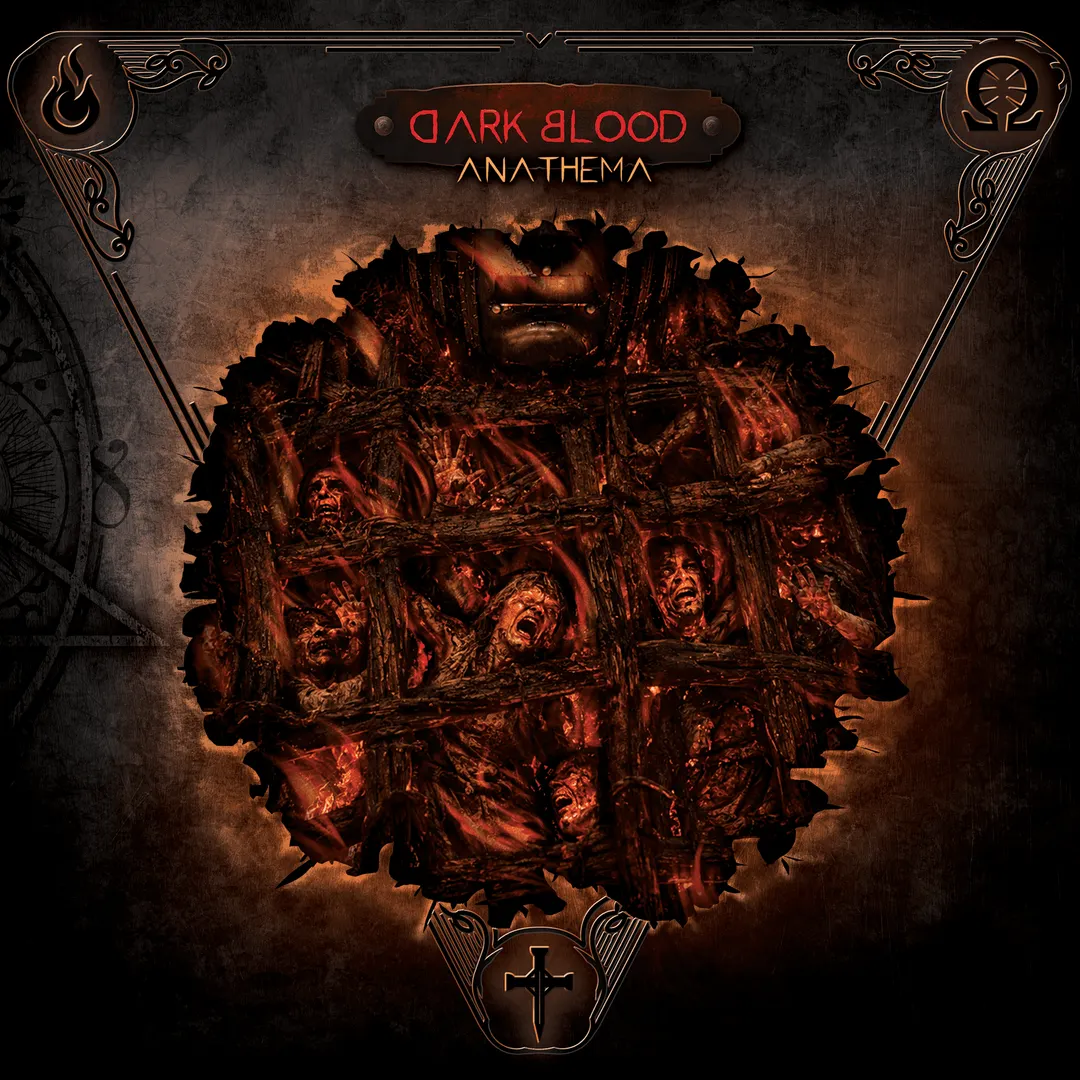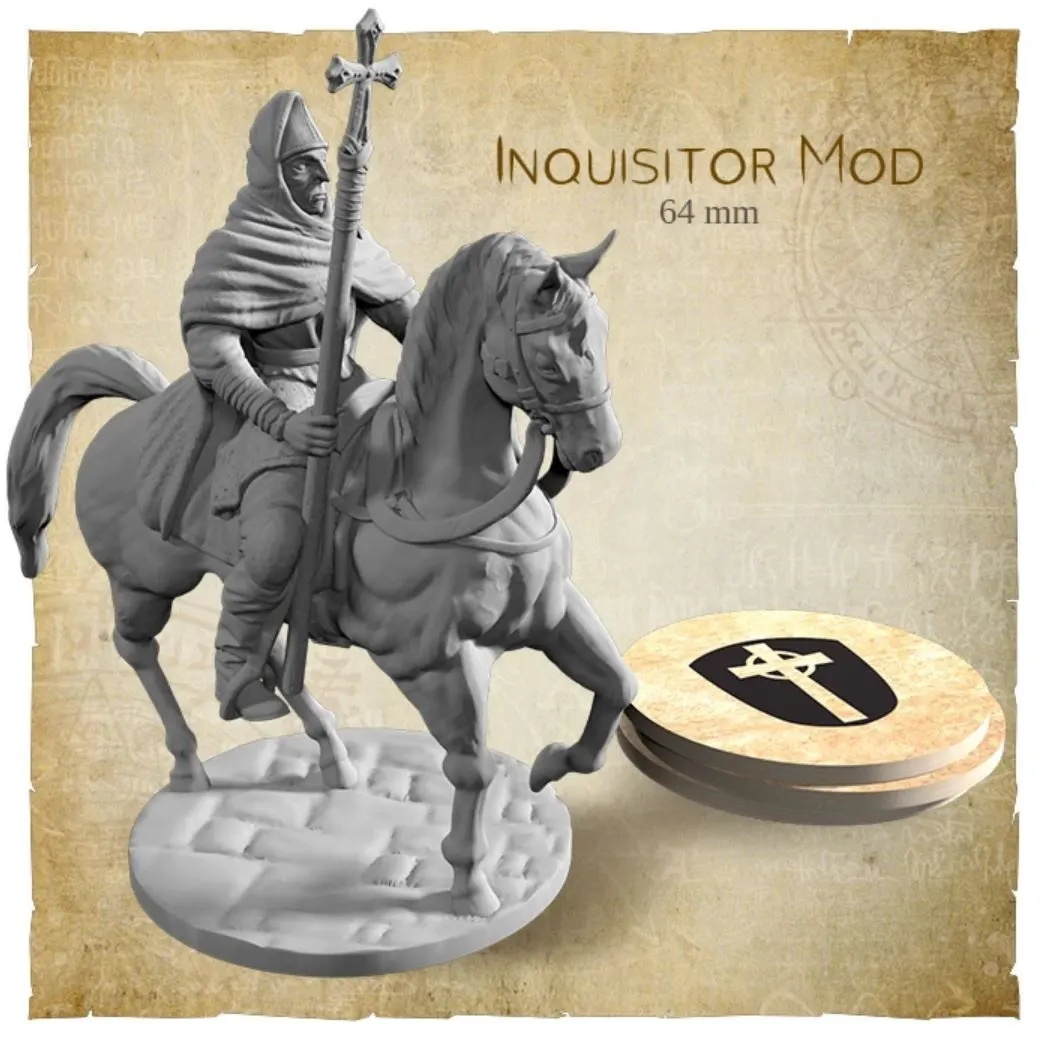
- BGG rating
- 7.8
Dark Blood: Inquisitor Module
- 1–4 players
- 2025
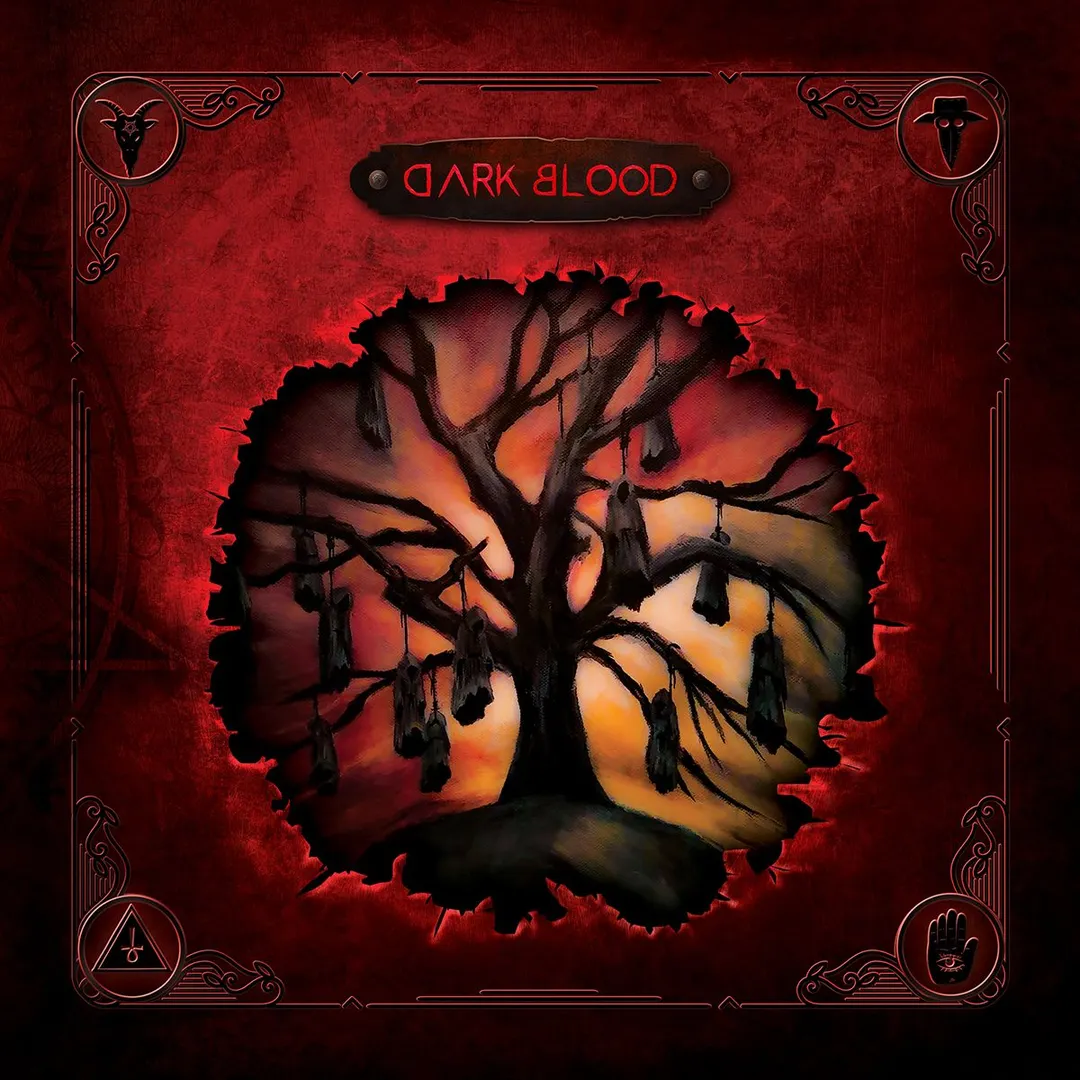
2025
Rules assistance for Dark Blood
Plain-language explanations of turns, card effects and disputed situations, with official source references and saved question history.
For 1 player
What would you like to know?
Answers come from the official rulebook, with the page to check.
Dark Blood is a board game released in 2025 for 1–4 players, 60–120 minutes per game, and ages 18 and up. It was designed by Aiollus, Iskios, SPAGY, and Siber and its main mechanics are Take That, Auction / Bidding, and Area Majority / Influence.

Dark Blood plunges players into the abyss of darkness, where they embody powerful asymmetrical cults striving for dominance over a hapless village. Whether as the cult of the Demonologist, Warlock, Necromancer, or Doomsayer, players must adeptly recruit villagers or harvest their blood to empower their sinister rituals. Through a fusion of Area Majority, Worker placement and Resource gathering, they vie with one another, navigating the perilous path of corruption, enhancing their Rituals, and staining various parts of the village to seize territories and augment their Taint (Victory Points). With each round introducing fresh challenges and opportunities, players must judiciously balance their strategies to outmaneuver their adversaries and emerge as the foremost cult as the fifth round draws to a close. During each round, players delve into their Ritual Book, serving as their player board, to oversee their Cultists, amass Resources, and upgrade their Rituals. The main board grants access to the five pivotal locations where the four cults will contend for control, eventually corrupting them. During the Upkeep phase, these locations undergo random variations in the number of available Peasants, the resources they yield and more... In the Placement phase, all cults place their workers (Cultist Miniatures) in these locations, determining the actions their cult can execute in each one. The majority in each location dictates not only special actions but also the initiative in which these actions will unfold. In the Resolve phase, each cult assigns their cultists to diverse actions, from resource gathering for Ritual upgrades to hanging peasants at the Tree of the Damned to bolster their Dark Favor. In the final phase, players Defile the land and bid their accumulated Blood to dominate the most corrupted location. The number of Sigils placed by each player significantly influences the ultimate outcome. As the fifth round concludes, the locations you corrupted, along with other factors such as your cult's size, upgraded Rituals, secret quest, concealed Taint and more, will determine the prevailing cult.
Dark Blood supports 1–4 players according to the catalogue. This range comes from the publisher’s listed player count, so the game can be set up for any group size within it. Some setups, rules and scoring details may still vary by player count, so check your edition’s rulebook for the exact configuration.
The listed playing time for Dark Blood is 60–120 minutes. This is the publisher’s estimate for a full game. The actual duration depends on the group, the player count and familiarity with the rules: first sessions usually run longer, while experienced groups often finish faster. Setup and teaching time are not included in this estimate.
The catalogue lists Dark Blood for ages 18 and up. This is the publisher’s recommendation and reflects reading demands, rule complexity and small components rather than theme alone. Younger players can often join with help from an adult, so check the age guidance on your edition and consider your group’s experience with board games.
Dark Blood has a complexity rating of 3.3 out of 5 from BoardGameGeek players, which makes it a medium-weight game. The rating reflects how much rules knowledge, planning and decision-making a typical game demands. Expect a longer first teach for heavier games, and use a preparation guide before game night.
Dark Blood belongs to these categories: Horror and Miniatures. Its main mechanics are Take That, Auction / Bidding, and Area Majority / Influence. Categories describe the theme and setting of a game, while mechanics describe what players actually do on their turns. Each mechanic links to a catalogue hub with similar games, which helps when you want something comparable.
The credited designers of Dark Blood are: Aiollus, Iskios, SPAGY, and Siber. These credits come from the published game data and name the people responsible for the game’s design, not its illustrators or publishers. Designer pages on MeepleRules collect other titles by the same designers, which helps when you enjoy a game and want to find similar ones.
The catalogue lists Dark Blood as a base game. It can be played on its own with the components in the box and does not require any other title. Expansions, if any exist, add new content or rules on top of it and are listed separately in the catalogue with a link back to this base game.