
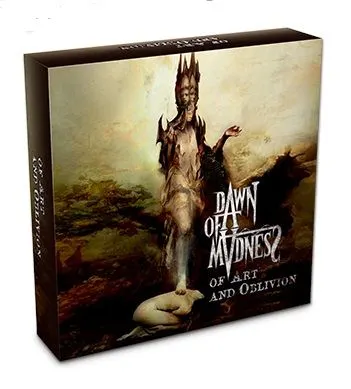
- BGG rating
- 9.0
Dawn of Madness: Of Art and Oblivion
- 1–4 players
- 90–120 min
- 2025
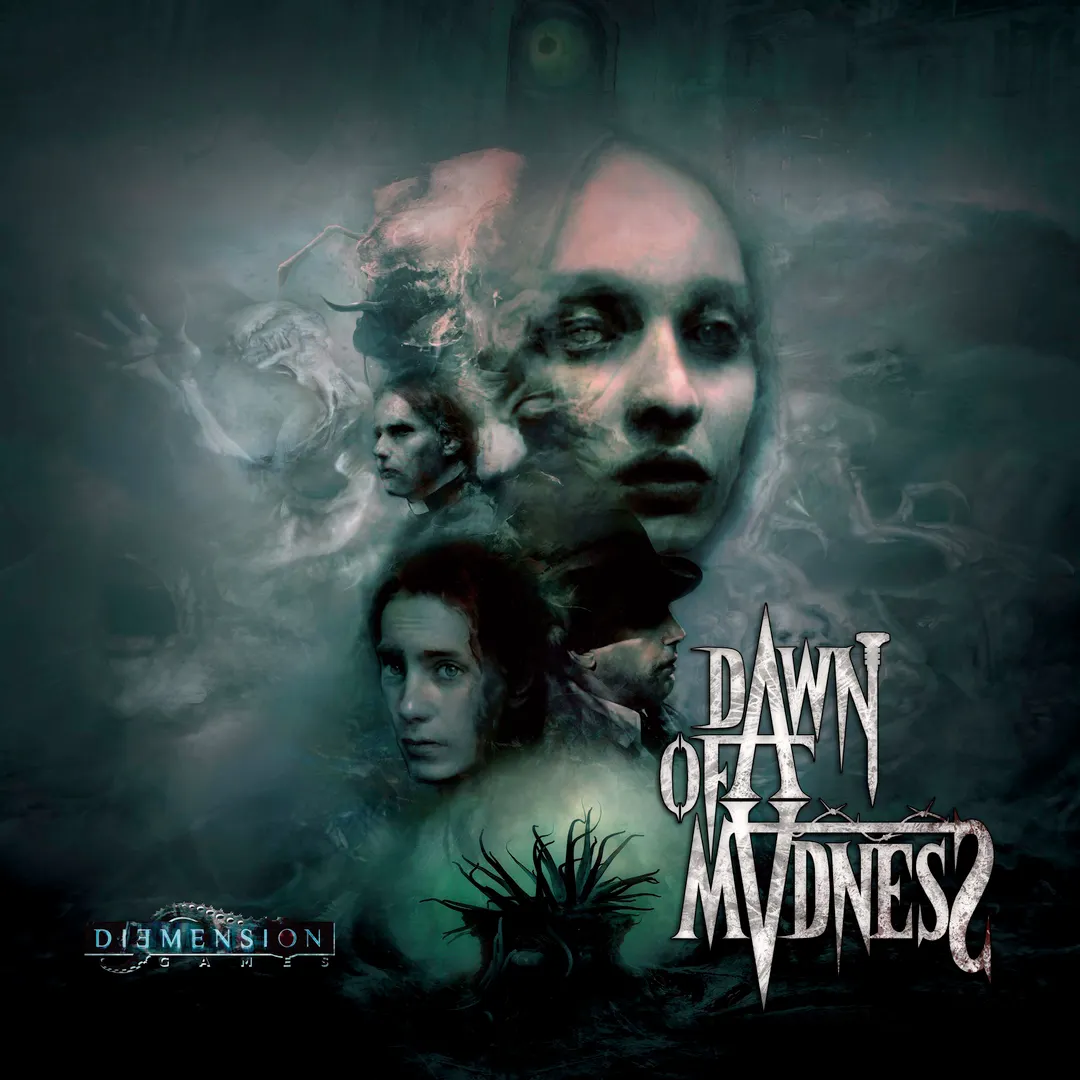
2024
Rules assistance for Dawn of Madness
Plain-language explanations of turns, card effects and disputed situations, with official source references and saved question history.
For 1 player
What would you like to know?
Answers come from the official rulebook, with the page to check.
Dawn of Madness is a board game released in 2024 for 1–4 players, 90–120 minutes per game, and ages 16 and up. It was designed by Roger Ho and Chauncey and its main mechanics are Variable Player Powers, Hand Management, and Dice Rolling.

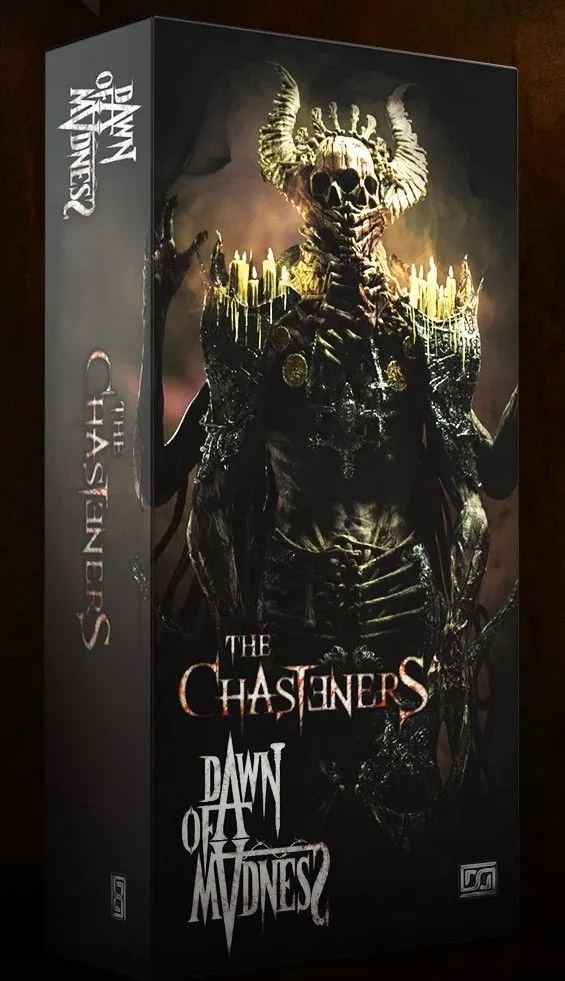
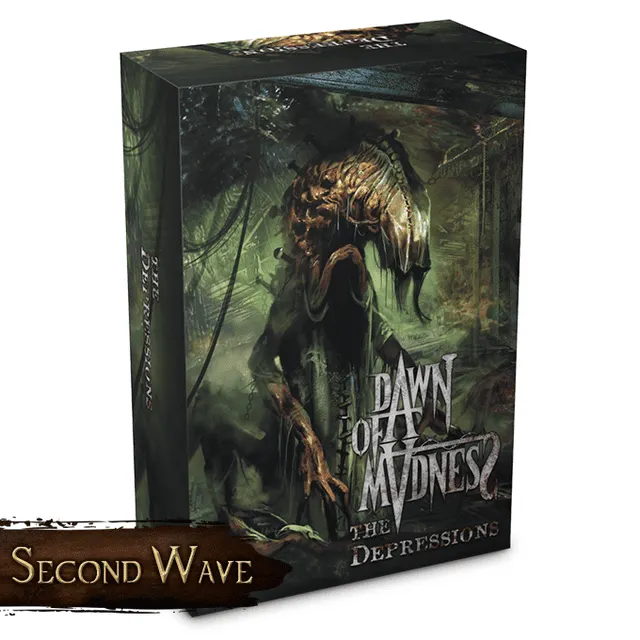
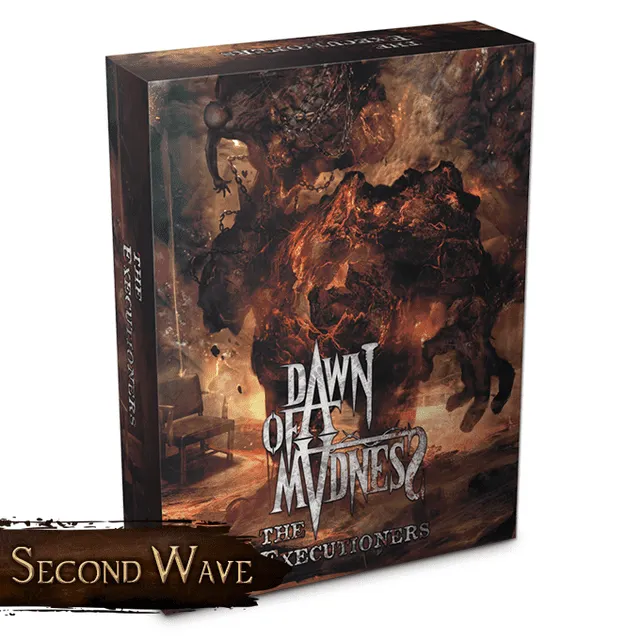

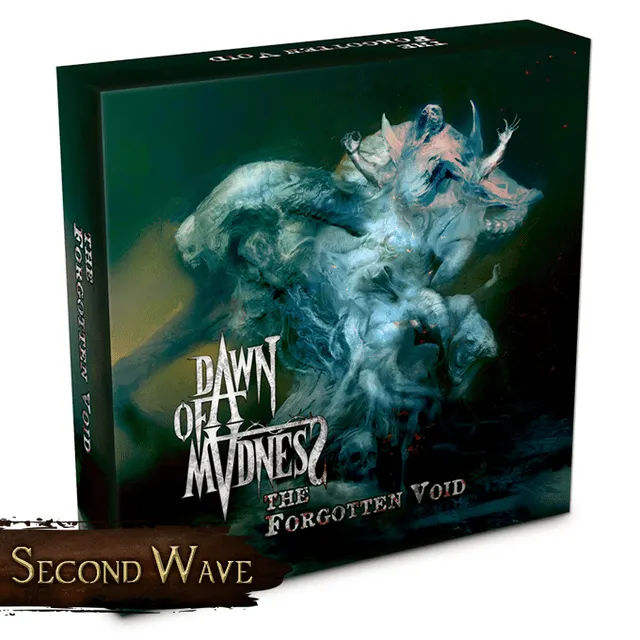
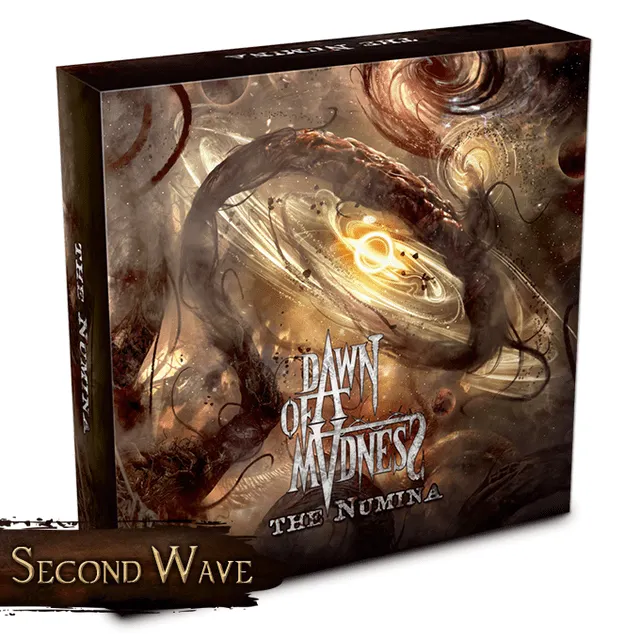
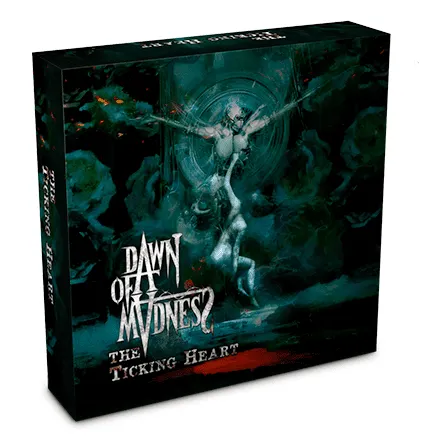
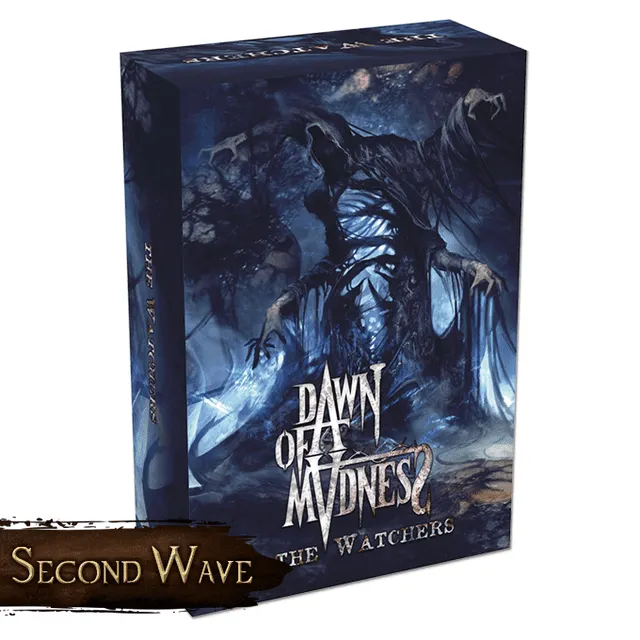
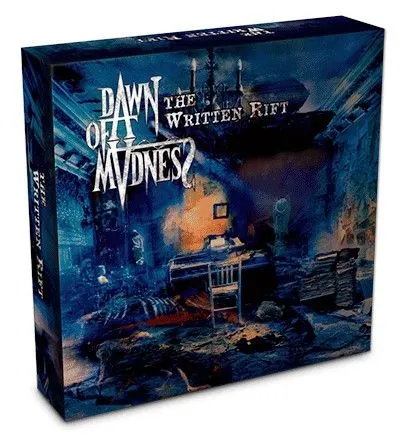




Unlock your past. Experience the nightmare. Embrace the dawn. You have awoken in a world that can't possibly exist. Everywhere you look you see some fresh nightmare; some new perversion of reality. You don't remember how you got here. In fact, your mind feels as though it has shattered, its fractured memories scattered in the wind. There are monstrous, impossible beings shuffling and slithering and skittering toward you, hideous beyond all comprehension. There are other people here, too, wandering through this fever dream with you. If you want to survive this place and escape, then you will have to band together with them. Because otherwise you won't just die: your very essence will cease to exist. Dawn of Madness is a story-driven cooperative game of survival horror for 1-4 players. Set in the same universe as the breakout hit board game Deep Madness, Dawn of Madness is a completely standalone, unique, and terrifying gaming experience. During the game players will assume the role of wanderers trapped in a feverish hellscape, surrounded by the distorted echoes of their own history. As one of these wanderers, you must seek to discover what led you to this horrific world, struggling to survive as your and your fellow players' stories unfold across multiple chapters in an ongoing campaign. Experience true horror unlike any board game before as you are immersed in stories of terror and madness, using the amplified powers of your mind to survive and fight back against the encroaching aberrations out to devour you. Bind your consciousness to other players' in order to accomplish difficult tasks, and earn coda cards and memories to boost your abilities while uncovering your past. All the while you will be gathering story points toward one of the multiple endings for each wanderer, and in the campaign's epic finale the wanderer - and the ending - with the most story points will spawn their respective terrifying, relentless final boss. The choices made throughout a chapter - and even the order those choices are made in - influence almost every aspect of the game, ensuring that no playthrough will ever be exactly the same. Adding even more variety, danger, and tension are the chapter-agnostic mini bosses and their distortions who plague each game in unique and changing ways, summoning vortexes of energy to alter the course of play and bring fresh dangers with every round. And all these challenges don't even include the malformations: alternate versions of the wanderers themselves, each one increasingly more corrupt than the one before, and each one able to take players into the darkest recesses of their comrades' souls. —description from the designer
Dawn of Madness supports 1–4 players according to the catalogue. This range comes from the publisher’s listed player count, so the game can be set up for any group size within it. Some setups, rules and scoring details may still vary by player count, so check your edition’s rulebook for the exact configuration.
The listed playing time for Dawn of Madness is 90–120 minutes. This is the publisher’s estimate for a full game. The actual duration depends on the group, the player count and familiarity with the rules: first sessions usually run longer, while experienced groups often finish faster. Setup and teaching time are not included in this estimate.
The catalogue lists Dawn of Madness for ages 16 and up. This is the publisher’s recommendation and reflects reading demands, rule complexity and small components rather than theme alone. Younger players can often join with help from an adult, so check the age guidance on your edition and consider your group’s experience with board games.
Dawn of Madness has a complexity rating of 3.9 out of 5 from BoardGameGeek players, which makes it a heavy game. The rating reflects how much rules knowledge, planning and decision-making a typical game demands. Expect a longer first teach for heavier games, and use a preparation guide before game night.
Dawn of Madness belongs to these categories: Fighting, Dice, and Horror. Its main mechanics are Variable Player Powers, Hand Management, and Dice Rolling. Categories describe the theme and setting of a game, while mechanics describe what players actually do on their turns. Each mechanic links to a catalogue hub with similar games, which helps when you want something comparable.
The credited designers of Dawn of Madness are: Roger Ho and Chauncey. These credits come from the published game data and name the people responsible for the game’s design, not its illustrators or publishers. Designer pages on MeepleRules collect other titles by the same designers, which helps when you enjoy a game and want to find similar ones.
The catalogue lists Dawn of Madness as a base game. It can be played on its own with the components in the box and does not require any other title. Expansions, if any exist, add new content or rules on top of it and are listed separately in the catalogue with a link back to this base game.