
- BGG rating
- 8.3
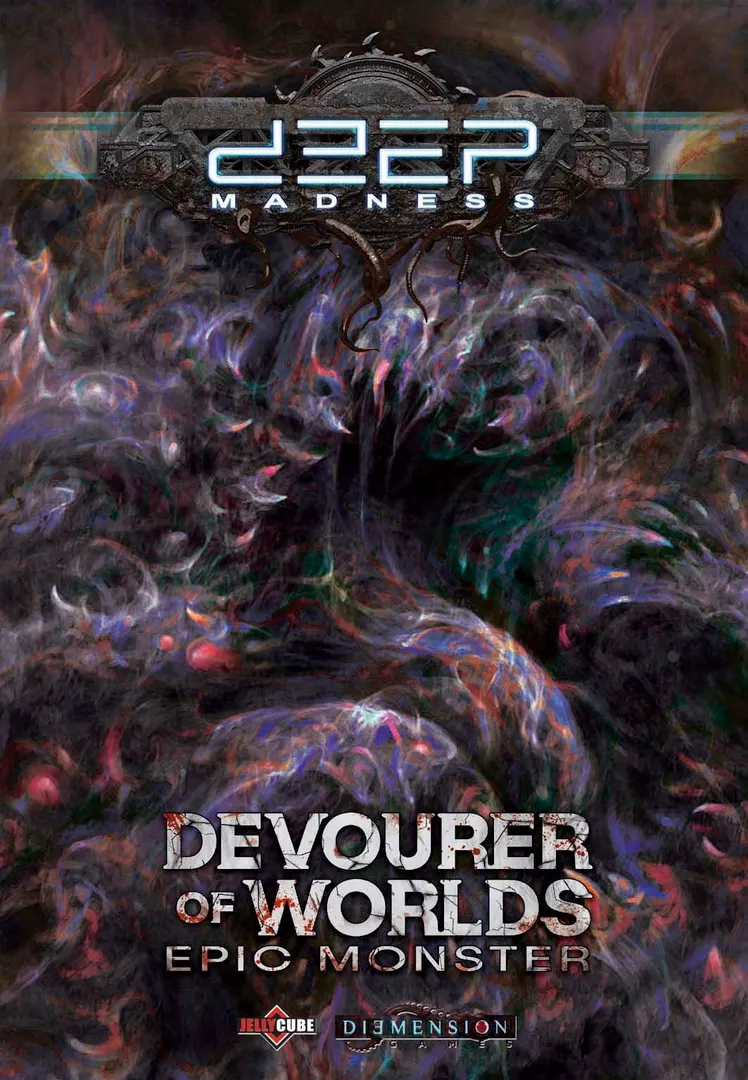
Deep Madness: Devourer of Worlds Epic Monster
- 1–6 players
- 90–120 min
- Complexity 3.0/5
- 2018

2018
Rules assistance for Deep Madness
Plain-language explanations of turns, card effects and disputed situations, with official source references and saved question history.
For 1 player
What would you like to know?
Answers come from the official rulebook, with the page to check.
Deep Madness is a board game released in 2018 for 1–6 players, 60–120 minutes per game, and ages 16 and up. It was designed by Roger Ho and Chauncey and its main mechanics are Variable Player Powers, Hand Management, and Dice Rolling.

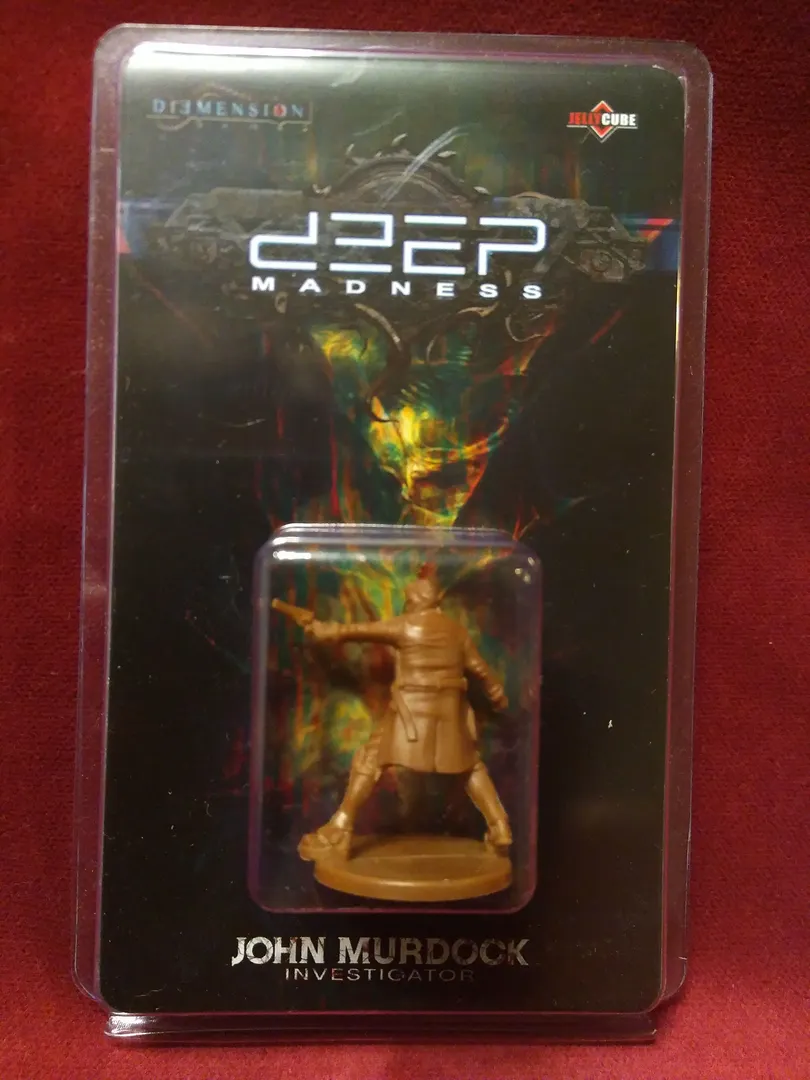

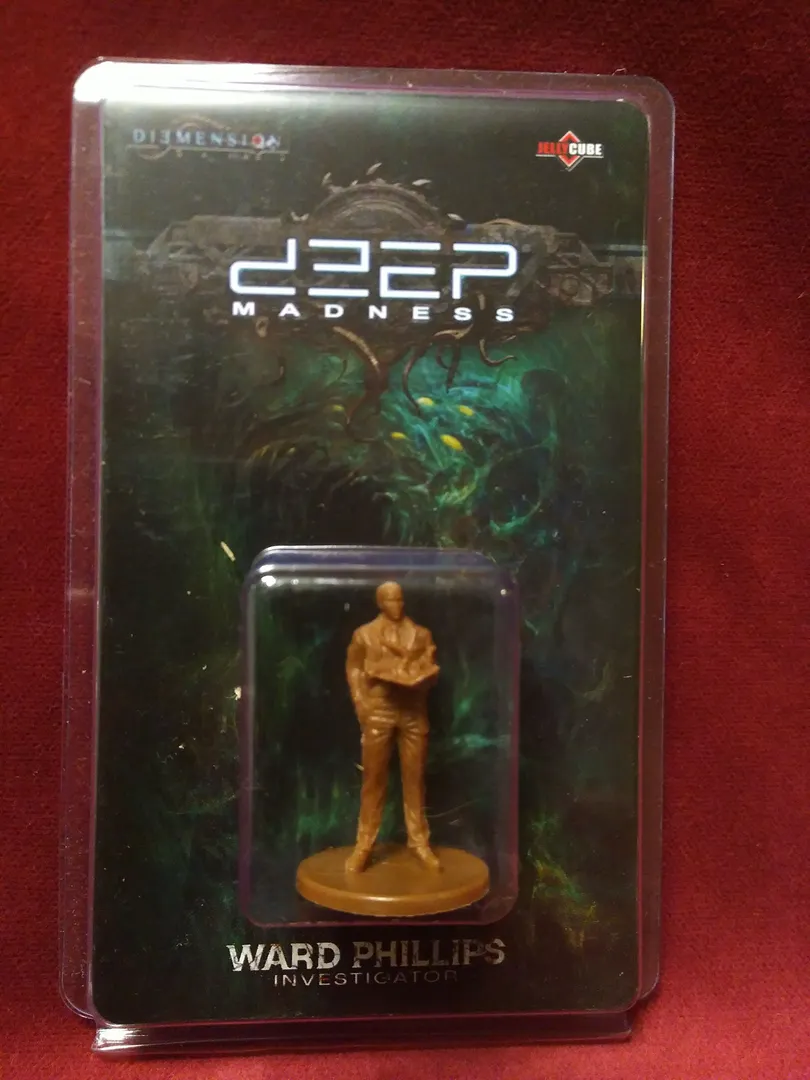
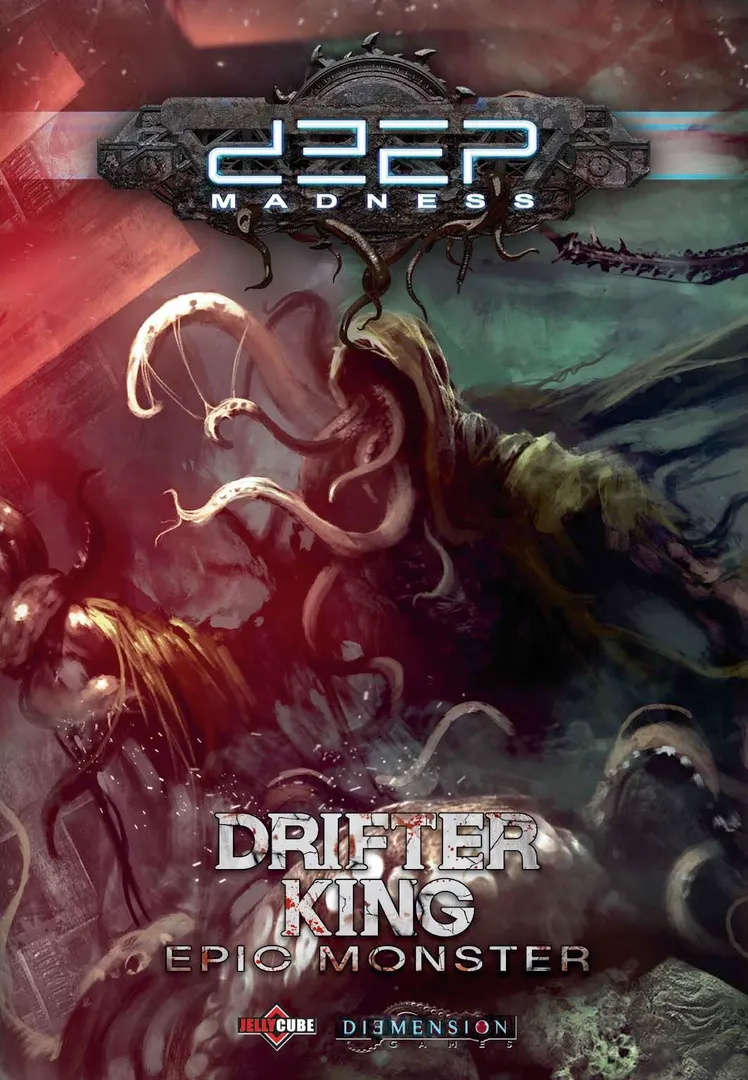
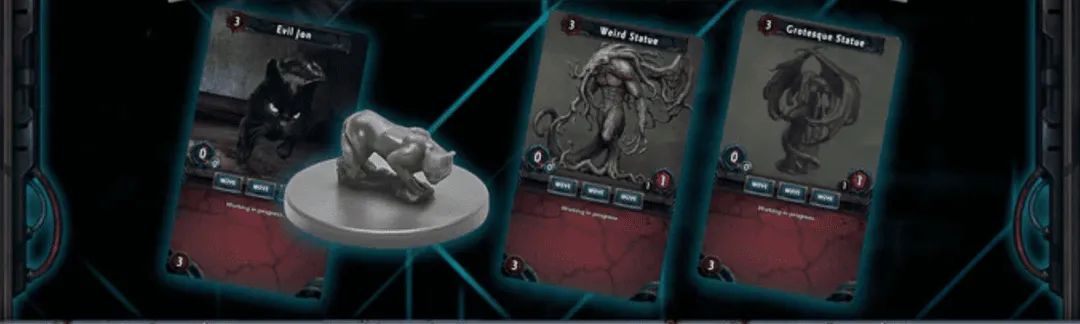
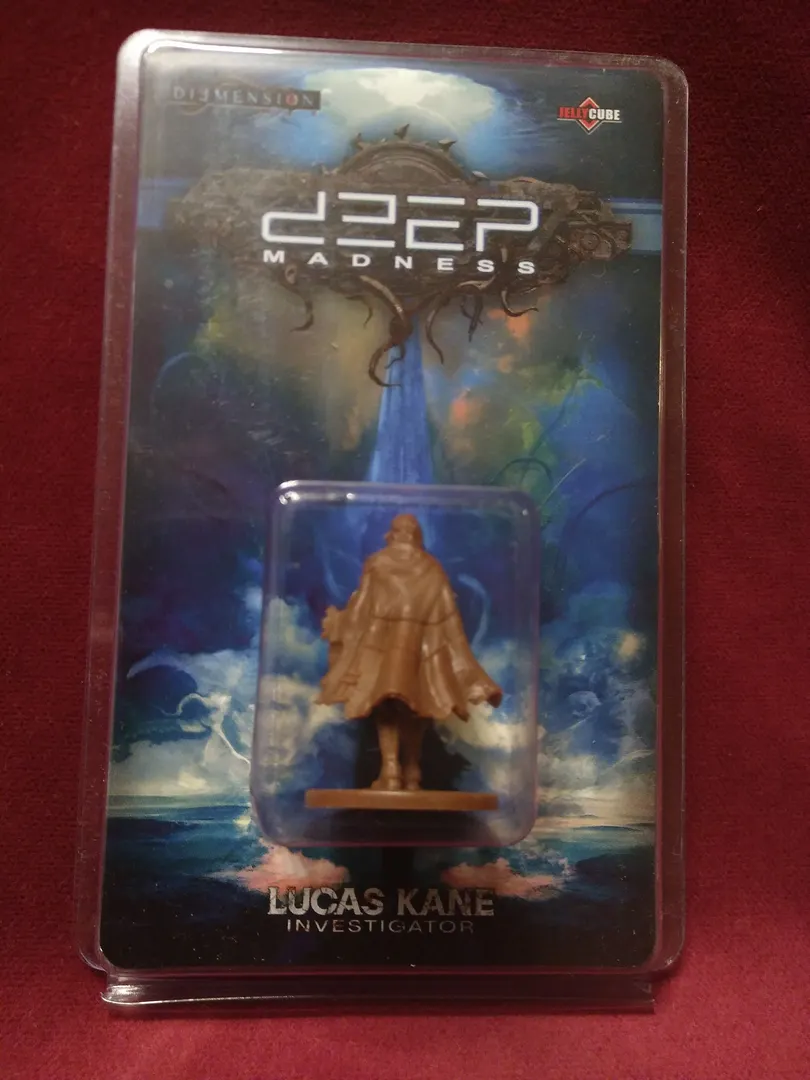
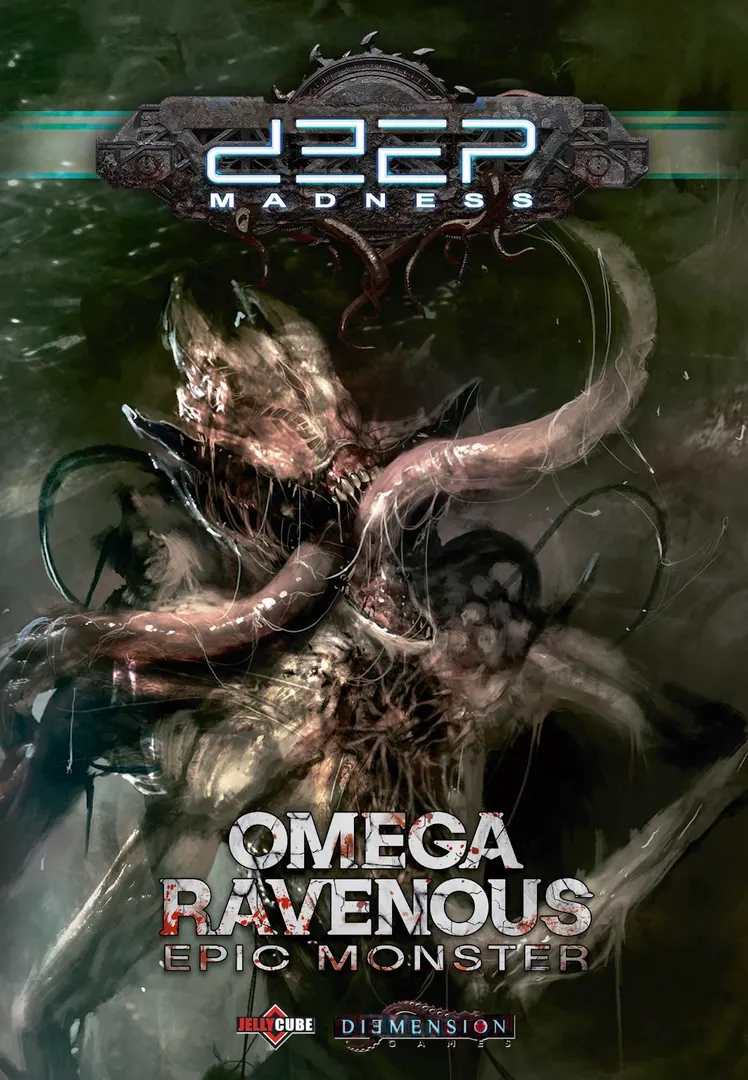
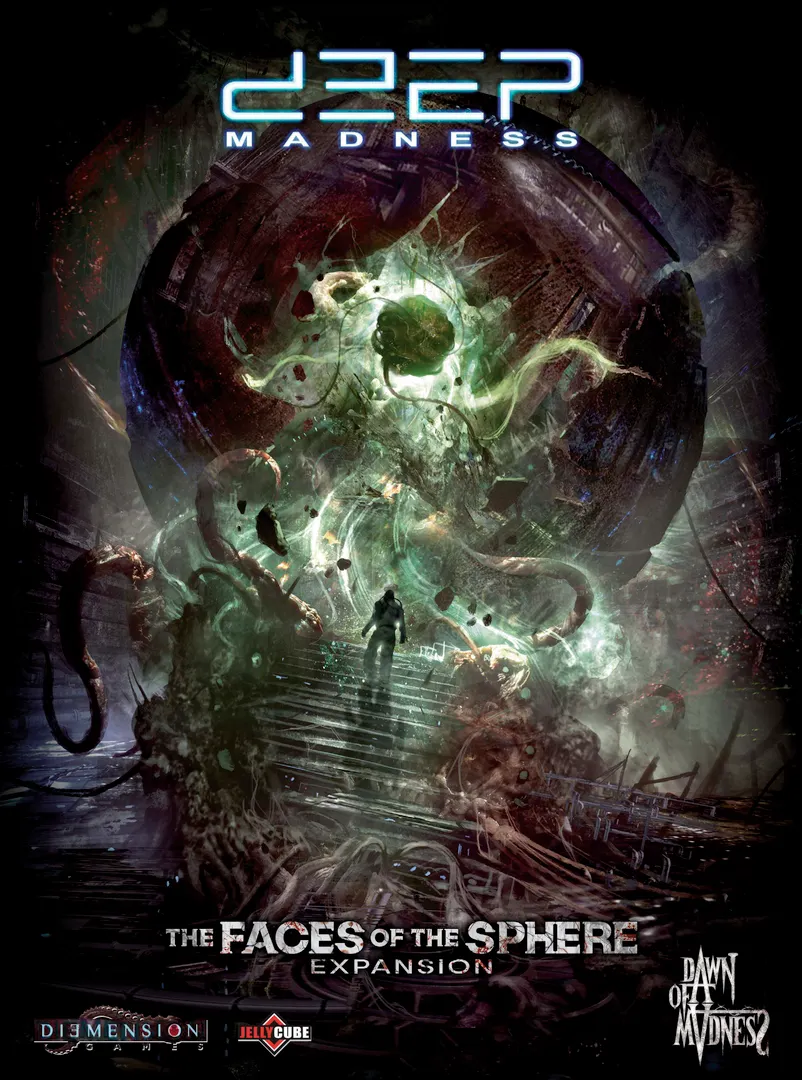
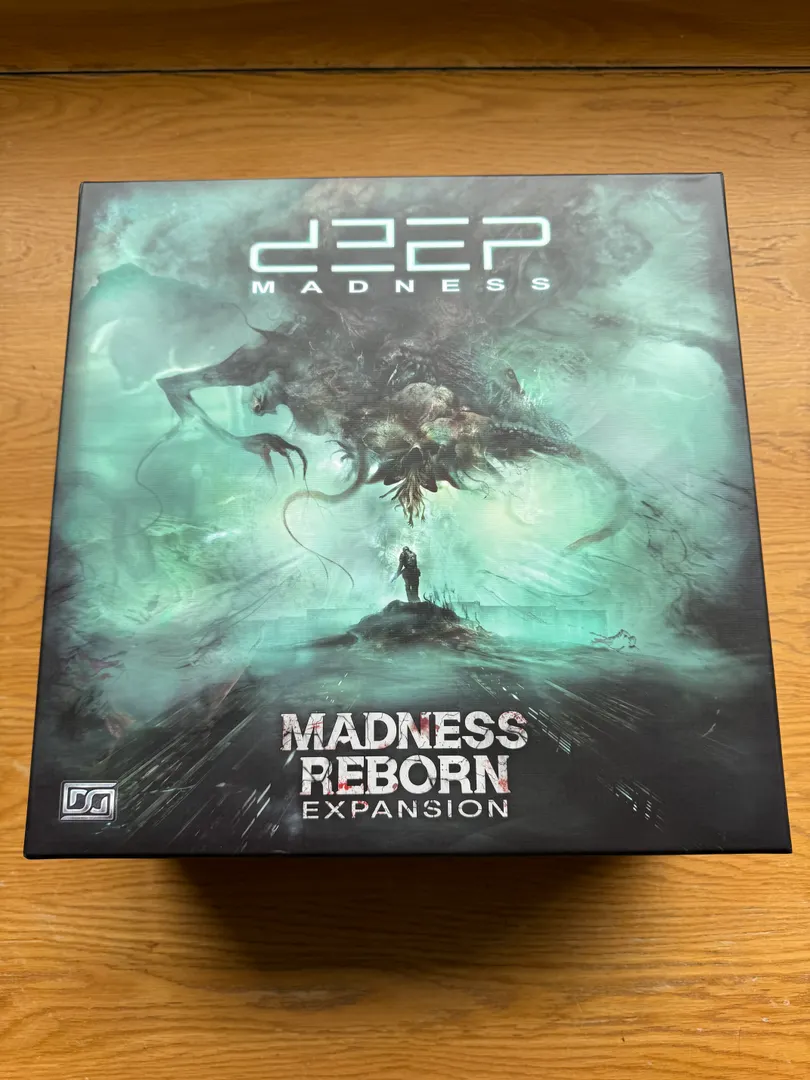






In a dark and claustrophobic deep sea mining site, the uncovering of a mysterious “Sphere” is dragging everyone nearby into the endless madness. The fears deep within one’s mind are amplified and transformed into horrifying monsters from other dimensions, torturing one's body and testing their sanity. Only those with extraordinary will and conviction can escape its devastating grasp. Deep Madness is a fully cooperative board game with 66 amazingly detailed miniatures, depicting a sci-fi horror world inspired by Lovecraft’s work and the Alien series. In the game, players assume the roles of investigators, venturing into the seemingly empty yet perilous deep sea mining site to find out the truth behind the lost contact event. Unimaginable horror and madness from the dark fear within is waiting. Deep Madness is based on multiple scenarios from a continuous storyline. Each scenario has its own unique board setup, rules, special effects, and goals. From resolving fatal crises to struggling with overwhelming bosses, the investigators will face various quests filled with strategical decisions and fierce combat. With each scenario achieved, they are one step closer to the truth, but also one step deeper into the world of madness. Each scenario of the game plays in a limited number of game rounds, if the investigators fail to achieve the goals before the last round ends, the game is lost and everyone is consumed. Each game round consists of 4 phases: Devour Phase, Spawn Phase, Activation Phase, and Refresh Phase. In each investigator’s turn, it is crucial that the player chooses 3 actions to take wisely. Each kind of action has its own value, and every single decision could be life and death in Deep Madness. Unfortunately, the correct decision is rarely obvious. Moving, attacking, searching, exchanging items, locking the doors, and recovering sanity are the basic actions. Additionally, each investigator also has his/her own unique and irreplaceable abilities to activate. Different combinations of investigators provide distinctive strategies and game experiences. Monsters act according to its own action pool during its turn. In Deep Madness, monsters are highly characteristic, not just in stats, but also in abilities and behaviors. Different combinations of monsters provide unique challenges. And due to the intertwined activation mechanism, even different turn orders of the monsters make each game session different.
Deep Madness supports 1–6 players according to the catalogue. This range comes from the publisher’s listed player count, so the game can be set up for any group size within it. Some setups, rules and scoring details may still vary by player count, so check your edition’s rulebook for the exact configuration.
The listed playing time for Deep Madness is 60–120 minutes. This is the publisher’s estimate for a full game. The actual duration depends on the group, the player count and familiarity with the rules: first sessions usually run longer, while experienced groups often finish faster. Setup and teaching time are not included in this estimate.
The catalogue lists Deep Madness for ages 16 and up. This is the publisher’s recommendation and reflects reading demands, rule complexity and small components rather than theme alone. Younger players can often join with help from an adult, so check the age guidance on your edition and consider your group’s experience with board games.
Deep Madness has a complexity rating of 3.5 out of 5 from BoardGameGeek players, which makes it a medium-weight game. The rating reflects how much rules knowledge, planning and decision-making a typical game demands. Expect a longer first teach for heavier games, and use a preparation guide before game night.
Deep Madness belongs to these categories: Fighting, Horror, and Adventure. Its main mechanics are Variable Player Powers, Hand Management, and Dice Rolling. Categories describe the theme and setting of a game, while mechanics describe what players actually do on their turns. Each mechanic links to a catalogue hub with similar games, which helps when you want something comparable.
The credited designers of Deep Madness are: Roger Ho and Chauncey. These credits come from the published game data and name the people responsible for the game’s design, not its illustrators or publishers. Designer pages on MeepleRules collect other titles by the same designers, which helps when you enjoy a game and want to find similar ones.
The catalogue lists Deep Madness as a base game. It can be played on its own with the components in the box and does not require any other title. Expansions, if any exist, add new content or rules on top of it and are listed separately in the catalogue with a link back to this base game.