

- BGG rank
- BGG #14,920
- BGG rating
- 7.6
Foreign Legion Paratroopers: Rapid Response Force
- 1–2 players
- Complexity 3.2/5
- 2020

2014
Rules assistance for Dragon vs Bear: China vs Russia in the 21st Century
Plain-language explanations of turns, card effects and disputed situations, with official source references and saved question history.
What would you like to know?
Answers come from the official rulebook, with the page to check.
Dragon vs Bear: China vs Russia in the 21st Century is a board game released in 2014 for 1–3 players. It was designed by Joseph Miranda and its main mechanics are Dice Rolling, Hexagon Grid, and Simulation.




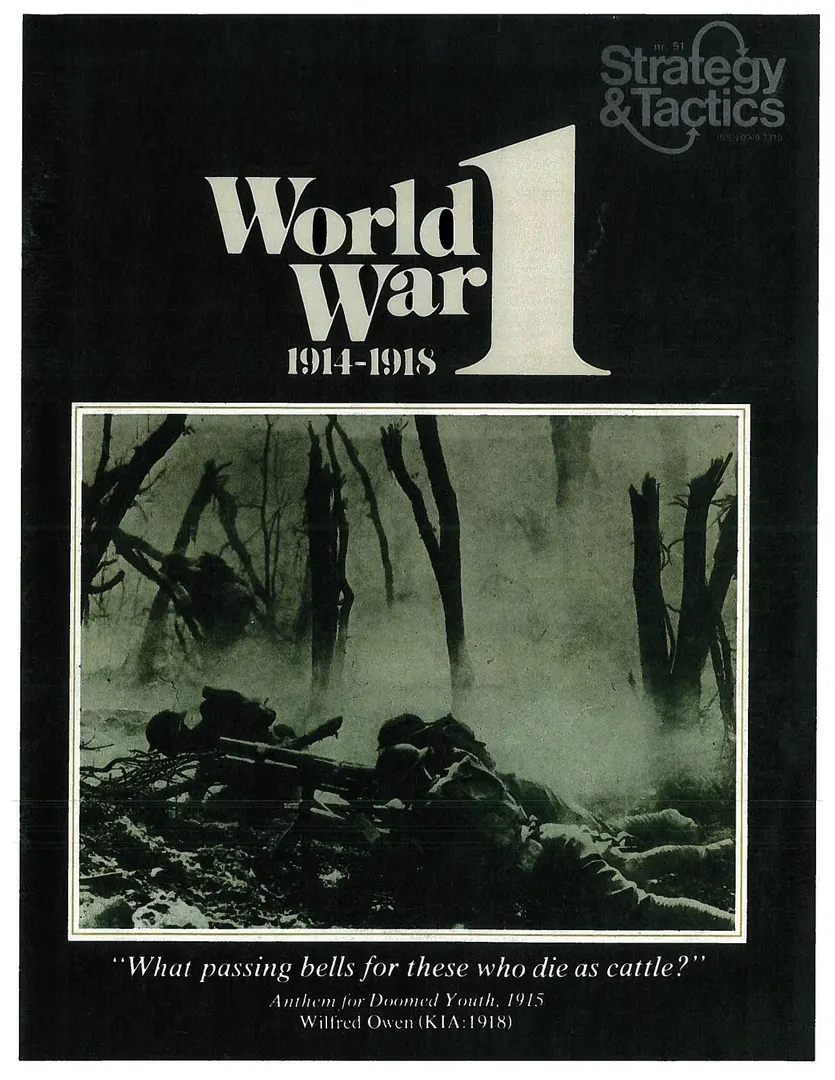
Modern War #12, Mar-Apr 2014 Dragon vs Bear: China vs Russia in the 21st Century is a wargame based on the premise that the People’s Republic of China and the Russian Federation go to war sometime in the twenty-first century. The game is an update of SPI’s East Is Red game, specifically showing the developments in warfare that have occurred in the intervening decades, and projected out to the near future. Both side’s armed forces are smaller than they were during the Cold War, but have access to modern high-tech weapons and tactics, termed in the game as Hyperwar. Dragon vs Bear: China vs Russia in the 21st Century is operational level with two players: One for China and one for Russia. It puts players in the position of having to utilize the full spectrum of military operations, which also include weapons of mass destruction. The game is played in scenarios, each postulating different reasons for the war, as well as different levels of mobilization. You win by defeating the enemy and gaining national objectives. The game emphasizes land and airpower. Naval warfare is factored out on the premise that the Chinese and Russian navies would cancel each other out for the period that the game scenarios covered. Conventional land and airpower are treated in a generally similar manner. This is in part because of the lack of sophisticated higher level airpower doctrines in the Chinese and Russian armed forces, but also because of the range and lethality of modern munitions: firepower is going to be the same whether delivered by a multiple rocket launcher system, an attack helicopter, or a jet bomber. The real difference will come in with the application of Hyperwar capabilities. Hyperwar is inherent in certain unit types, and can be assigned to others via Hyperwar strikes.
Dragon vs Bear: China vs Russia in the 21st Century supports 1–3 players according to the catalogue. This range comes from the publisher’s listed player count, so the game can be set up for any group size within it. Some setups, rules and scoring details may still vary by player count, so check your edition’s rulebook for the exact configuration.
Dragon vs Bear: China vs Russia in the 21st Century has a complexity rating of 3.2 out of 5 from BoardGameGeek players, which makes it a medium-weight game. The rating reflects how much rules knowledge, planning and decision-making a typical game demands. Expect a longer first teach for heavier games, and use a preparation guide before game night.
Dragon vs Bear: China vs Russia in the 21st Century belongs to these categories: Wargame and Modern Warfare. Its main mechanics are Dice Rolling, Hexagon Grid, and Simulation. Categories describe the theme and setting of a game, while mechanics describe what players actually do on their turns. Each mechanic links to a catalogue hub with similar games, which helps when you want something comparable.
The credited designers of Dragon vs Bear: China vs Russia in the 21st Century are: Joseph Miranda. These credits come from the published game data and name the people responsible for the game’s design, not its illustrators or publishers. Designer pages on MeepleRules collect other titles by the same designers, which helps when you enjoy a game and want to find similar ones.
The catalogue lists Dragon vs Bear: China vs Russia in the 21st Century as a base game. It can be played on its own with the components in the box and does not require any other title. Expansions, if any exist, add new content or rules on top of it and are listed separately in the catalogue with a link back to this base game.