
- BGG rank
- BGG #12,229
- BGG rating
- 6.2
Gondor: The Siege of Minas Tirith
- 2 players
- 120–240 min
- Complexity 2.6/5
- 1977
1995
Rules assistance for Thirty Years War Quad (Second Edition)
Plain-language explanations of turns, card effects and disputed situations, with official source references and saved question history.
For 1 player
What would you like to know?
Answers come from the official rulebook, with the page to check.
Thirty Years War Quad (Second Edition) is a board game released in 1995 for 1–2 players, 180 minutes per game, and ages 12 and up. It was designed by Joseph Miranda, Brad Hessel, Tom Walczyk, and Linda Mosca and its main mechanics are Dice Rolling, Hexagon Grid, and Simulation.
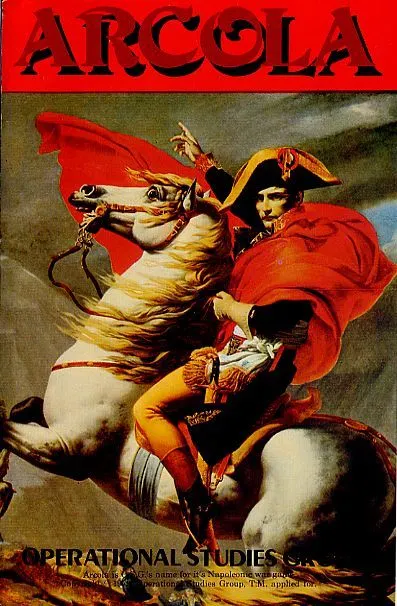
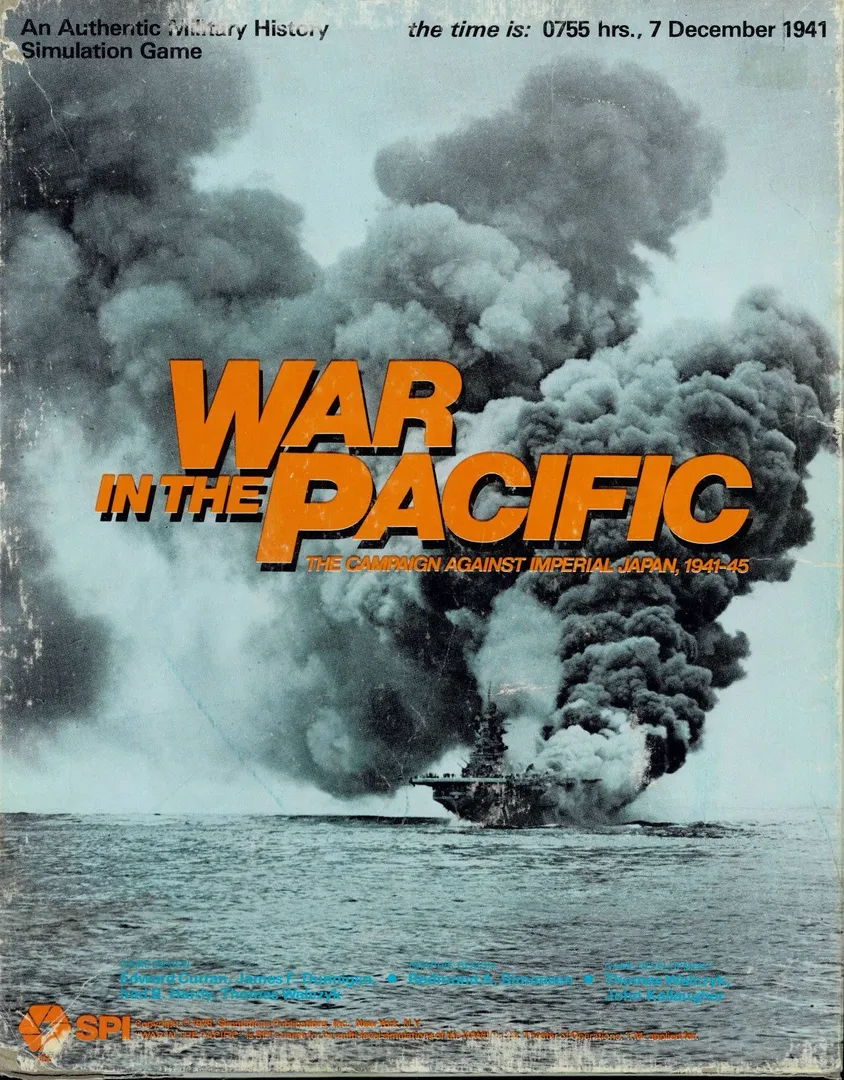


The Thirty Years War Quad consists of four battles, each with its own map, counters and Exclusive Rules. The Standard Rules are common to all four battles. This is an update of the SPI 1st edition back in 1976, with White Mountain as a substitute of Freiburg. The Quad contains 4 games: Lutzen; Nordlingen; Rocroi; White Mountain. Lützen: Intent on wintering in Saxony, Count Von Wallenstien failed to reckon on Gustavus' resolve and was caught with a quarter of his Imperialist Army dispersed. It was a smashing victory for the Swedes--but Gustavus did not survive the battle. Nördlingen: The armies of Spain and the Holy Roman Empire combined to lay siege to Nordlingen, an important city near the Danube. Rocroi: Determined to knock France out of the war, Spain undertook an invasion of French soil, laying siege to Rocroi, a fortress not far inside French territory. White Mountain: The decisive battle of the Bohemian Phase of the Thirty Years War in which the Catholic League Army, under the command of Maximilian of Bavarian and Count Tilly, defeated the Bohemians outside the city of Prague on November 9, 1620.
Thirty Years War Quad (Second Edition) supports 1–2 players according to the catalogue. This range comes from the publisher’s listed player count, so the game can be set up for any group size within it. Some setups, rules and scoring details may still vary by player count, so check your edition’s rulebook for the exact configuration.
The listed playing time for Thirty Years War Quad (Second Edition) is 180 minutes. This is the publisher’s estimate for a full game. The actual duration depends on the group, the player count and familiarity with the rules: first sessions usually run longer, while experienced groups often finish faster. Setup and teaching time are not included in this estimate.
The catalogue lists Thirty Years War Quad (Second Edition) for ages 12 and up. This is the publisher’s recommendation and reflects reading demands, rule complexity and small components rather than theme alone. Younger players can often join with help from an adult, so check the age guidance on your edition and consider your group’s experience with board games.
Thirty Years War Quad (Second Edition) has a complexity rating of 2.4 out of 5 from BoardGameGeek players, which makes it a medium-light game. The rating reflects how much rules knowledge, planning and decision-making a typical game demands. Expect a longer first teach for heavier games, and use a preparation guide before game night.
Thirty Years War Quad (Second Edition) belongs to these categories: Wargame and Pike and Shot. Its main mechanics are Dice Rolling, Hexagon Grid, and Simulation. Categories describe the theme and setting of a game, while mechanics describe what players actually do on their turns. Each mechanic links to a catalogue hub with similar games, which helps when you want something comparable.
The credited designers of Thirty Years War Quad (Second Edition) are: Joseph Miranda, Brad Hessel, Tom Walczyk, and Linda Mosca. These credits come from the published game data and name the people responsible for the game’s design, not its illustrators or publishers. Designer pages on MeepleRules collect other titles by the same designers, which helps when you enjoy a game and want to find similar ones.
The catalogue lists Thirty Years War Quad (Second Edition) as a base game. It can be played on its own with the components in the box and does not require any other title. Expansions, if any exist, add new content or rules on top of it and are listed separately in the catalogue with a link back to this base game.