
- BGG rating
- 7.0
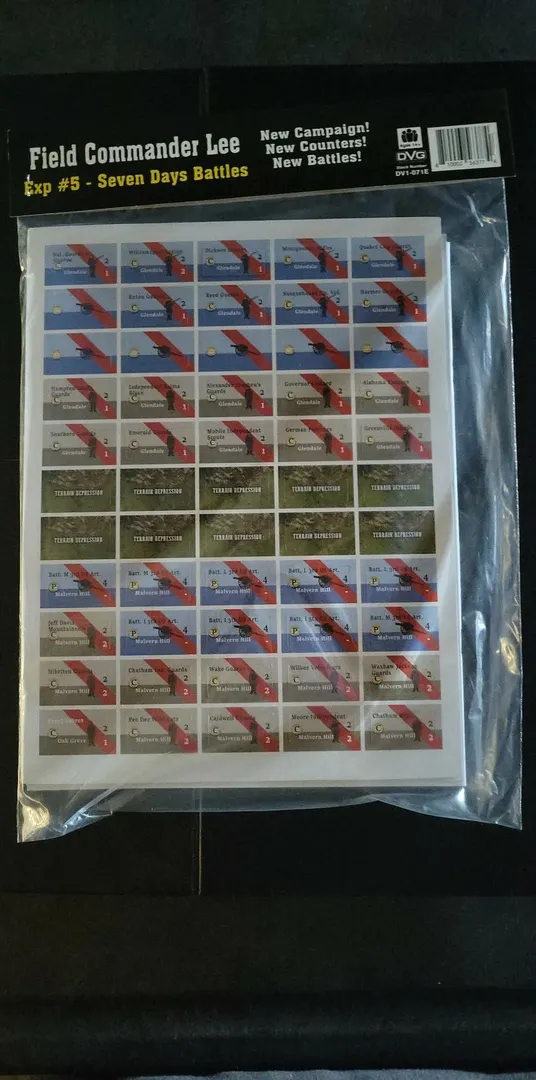
Field Commander: Robert E. Lee – Seven Days Battles Battle Pack
- 1 player
- 2024

2025
Rules assistance for Field Commander: Robert E. Lee
Plain-language explanations of turns, card effects and disputed situations, with official source references and saved question history.
For 1 player
What would you like to know?
Answers come from the official rulebook, with the page to check.
Field Commander: Robert E. Lee is a board game released in 2025 for 1 player, 180 minutes per game, and ages 14 and up. It was designed by Vincent Cooper and its main mechanics are Area Movement, Dice Rolling, and Simulation.
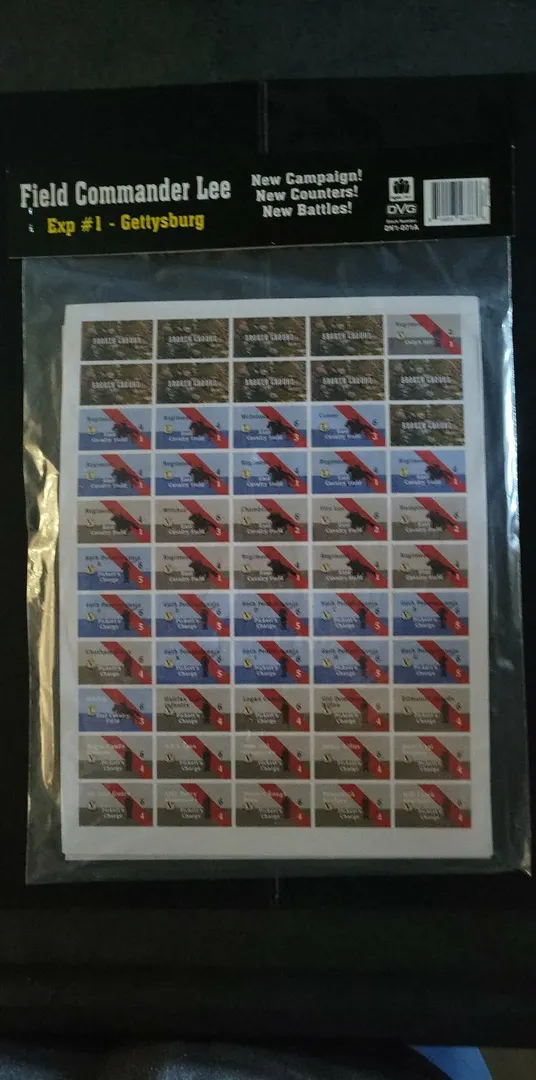












Field Commander - Robert E. Lee builds on the design and gameplay of Field Commander - Napoleon to put the player firmly in control of the Army of Northern Virginia during the American Civil War, with the Union forces controlled by an AI. Fight in 5 Campaigns Seven Days Battles Second Manassas Antietam Chancellorsville Gettysburg Field Commander - Robert E. Lee is based on the Field Commander - Napoleon design, with some important differences and developments. Difficulty Levels: The player may choose to tailor his experience of Field Commander Robert E. Lee by modifying the Difficulty Level between Regular, Hard and Veteran. There are various ways the difficulty level can affect the game and the player can choose one or more effects, or mix different Difficulty Levels to produce different effects. For example, the player could choose to use the Regular Fog of War table, combined with the Hard Command Points option and the Veteran Special Rules of a particular campaign. Scout Counters: Greater availability and use of Scout counters to create decision-heavy gameplay and the manner in which cavalry were employed on the battlefield during the American Civil War as compared to the Napoleonic era. Command Points: Command Points replace Supply Points. Command Points are used in a similar manner however, but represent reforming broken Forces or calling to arms odd Brigades and Regiments that are marching on different roads. Command Points can also be accumulated when a Force reaches certain Regions on the Battlefield Sheet and reflect greater morale. Union Orders: Each Campaign map includes a Battle Area, which is distinct from the rest of the game board (you can see it described with red borders on the sample map art). Union Forces follow Campaign Map Orders until they enter the Battle Area, at which point the Battle Area Orders table is followed. This simulates more carefully the Union actions once battle commenced properly. Union Tactics: Aggressive vs Defensive. No more sitting at the back of the Battlefield sheet blasting the advancing enemy. The Union AI will only attack when the odds are in its favor. Special Battle Plans: An expanded range of Special Battle Plans for the Union AI to use that simulate combat in the ACW. The Union AI will now only charge en masse, while Flanking Fire and Hidden March threaten the rear of the Confederate army. No place on the battlefield is safe! Capturing Artillery: Rather than Destroy artillery, both the Confederate player and the Union AI will instead capture 'abandoned' artillery and use the cannon to their own advantage. Historically this was especially important to the Confederates who suffered at the hands of superior Union guns and ammunition. Artillery Range Attenuation: The further away the target, the less effective the artillery! Each Campaign introduces detailed Special Rules that highlight the key events, features and commander personalities of each battle. —description from the publisher
Field Commander: Robert E. Lee supports 1 player according to the catalogue. This is the publisher’s listed player count, so the game is designed for exactly that number of participants. Variants for other group sizes, if any, are described in the rulebook of your edition, so check it before setting up a different configuration.
The listed playing time for Field Commander: Robert E. Lee is 180 minutes. This is the publisher’s estimate for a full game. The actual duration depends on the group, the player count and familiarity with the rules: first sessions usually run longer, while experienced groups often finish faster. Setup and teaching time are not included in this estimate.
The catalogue lists Field Commander: Robert E. Lee for ages 14 and up. This is the publisher’s recommendation and reflects reading demands, rule complexity and small components rather than theme alone. Younger players can often join with help from an adult, so check the age guidance on your edition and consider your group’s experience with board games.
Field Commander: Robert E. Lee has a complexity rating of 3.8 out of 5 from BoardGameGeek players, which makes it a heavy game. The rating reflects how much rules knowledge, planning and decision-making a typical game demands. Expect a longer first teach for heavier games, and use a preparation guide before game night.
Field Commander: Robert E. Lee belongs to these categories: Wargame, Civil War, and American Civil War. Its main mechanics are Area Movement, Dice Rolling, and Simulation. Categories describe the theme and setting of a game, while mechanics describe what players actually do on their turns. Each mechanic links to a catalogue hub with similar games, which helps when you want something comparable.
The credited designers of Field Commander: Robert E. Lee are: Vincent Cooper. These credits come from the published game data and name the people responsible for the game’s design, not its illustrators or publishers. Designer pages on MeepleRules collect other titles by the same designers, which helps when you enjoy a game and want to find similar ones.
The catalogue lists Field Commander: Robert E. Lee as a base game. It can be played on its own with the components in the box and does not require any other title. Expansions, if any exist, add new content or rules on top of it and are listed separately in the catalogue with a link back to this base game.