
- BGG rank
- BGG #11,123
- BGG rating
- 8.4
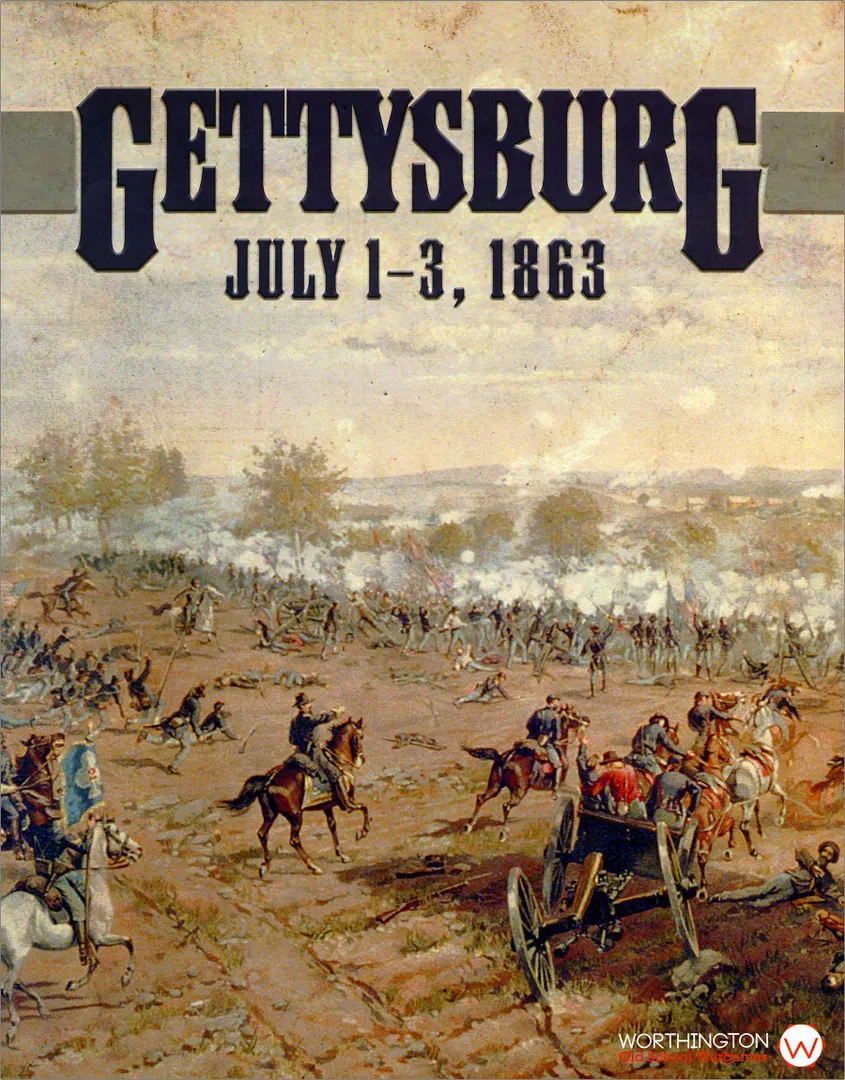
Gettysburg: July 1-3, 1863
- 2 players
- 120–600 min
- Complexity 2.2/5
- 2024
2013
Rules assistance for Gettysburg 150
Plain-language explanations of turns, card effects and disputed situations, with official source references and saved question history.
For 1 player
What would you like to know?
Answers come from the official rulebook, with the page to check.
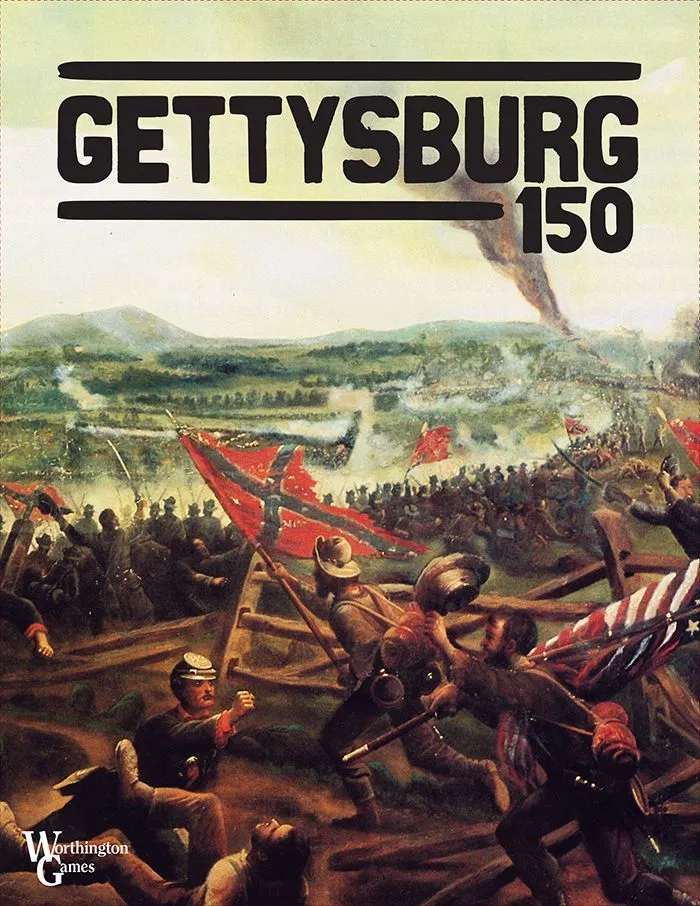
Gettysburg 150 is a board game released in 2013 for 1–2 players, 120 minutes per game, and ages 10 and up. It was designed by Grant Wylie and Mike Wylie and its main mechanics are Dice Rolling, Hexagon Grid, and Action Points.
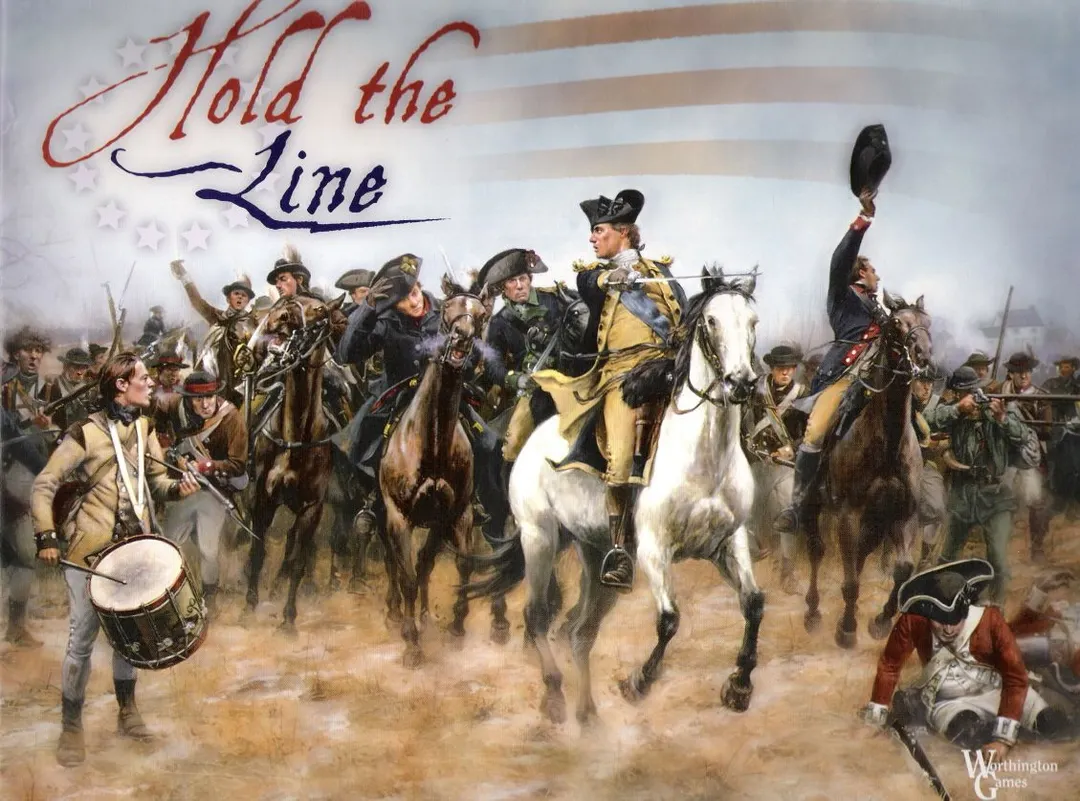
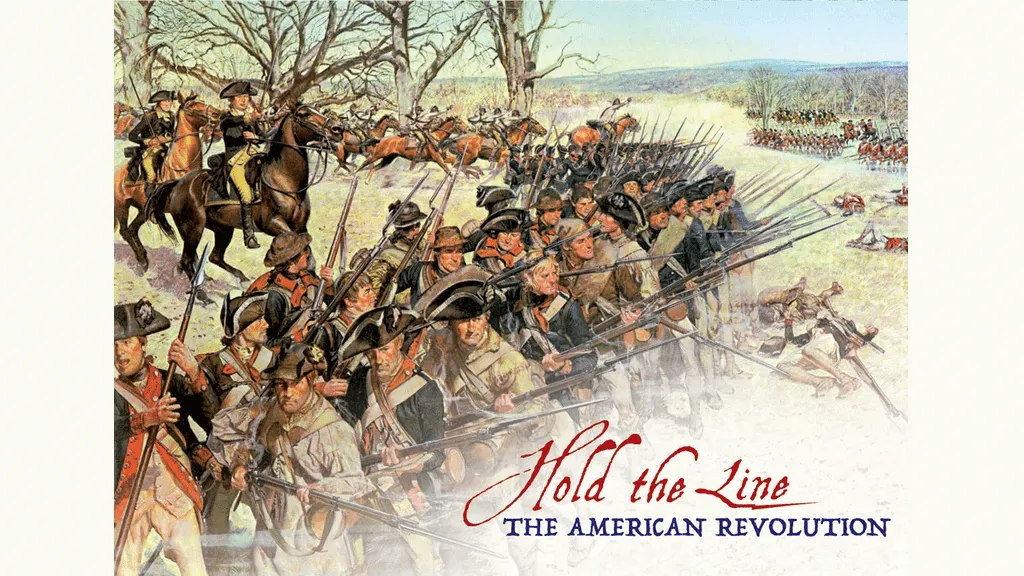
In May of 1863 the Confederacy was winning battles but losing the war. In the west Grant was moving on Vicksburg. In the east, the Army of Northern Virginia was holding off the Army of the Potomac, but Lee realized that this could not last forever. Something had to change, he would strike north and take the war to the enemy. After weeks of maneuver, a chance collision between the two armies would seal the fate of the Confederacy. Now is your chance to change history. Can you do better than Lee and crush the Union army as it arrives piecemeal? Or as Meade will you hold the heights and dash the last great hope of Confederate victory? The decisions are yours… in Gettysburg 150! Gettysburg 150 is an expansion of the ideas contained in Hold the Line. Like Hold the Line, it uses command action points for units to move and attack. The CRT is simliar, although artillery is weaker at longer ranges due to the greater scale of the battle. However, the board is not modular and infantry units are stronger. Units are division level, with brigade level cavalry. Advanced features like column movement is covered simply with movement bonuses for not moving adjacent to enemy units. More importantly, the game has optional rules to increase realism, including early reinforcements, army demoralization due to heavy losses, and rules to encourage corps organization. The game has 4 scenarios covering days 1, 2, and 3, as well as the Confederate attack on Little Round Top on July 2. Scenarios are playable in 1 hour for the day battles, 20 to 30 minutes for the Little Round Top scenario. The complete 3 day battle is playable in 2.5 to 3 hours. A division level Gettysburg game in honor of the 150th anniversary of the battle. This simple fast playing game comes with a mounted 25 x 22 map, two counter sheets, rules, and dice. You can play the entire battle in 2 to 3 hours, with 4 shorter scenarios. Players will maneuver the counters representing the Union and Confederate armies across a hex cover representation of the battlefield at Gettysburg. Each turn players get a number of action points that will allow them to maneuver, fire combat, and close combat enemy forces. You will always receive some action points, but will never be sure exactly how many recreating the uncertainty of command and control. Victory is obtained by driving the enemy from the field by capturing terrain objectives or eliminating enemy units. The game uses the popular Hold the Line game system as its base. Optional rules include a Chaos of War table, force march, and more. Includes a mounted game board, 2 counter sheets with large 7/8" counter sheets, dice, and rules.
Gettysburg 150 supports 1–2 players according to the catalogue. This range comes from the publisher’s listed player count, so the game can be set up for any group size within it. Some setups, rules and scoring details may still vary by player count, so check your edition’s rulebook for the exact configuration.
The listed playing time for Gettysburg 150 is 120 minutes. This is the publisher’s estimate for a full game. The actual duration depends on the group, the player count and familiarity with the rules: first sessions usually run longer, while experienced groups often finish faster. Setup and teaching time are not included in this estimate.
The catalogue lists Gettysburg 150 for ages 10 and up. This is the publisher’s recommendation and reflects reading demands, rule complexity and small components rather than theme alone. Younger players can often join with help from an adult, so check the age guidance on your edition and consider your group’s experience with board games.
Gettysburg 150 has a complexity rating of 2.2 out of 5 from BoardGameGeek players, which makes it a medium-light game. The rating reflects how much rules knowledge, planning and decision-making a typical game demands. Expect a longer first teach for heavier games, and use a preparation guide before game night.
Gettysburg 150 belongs to these categories: Wargame and American Civil War. Its main mechanics are Dice Rolling, Hexagon Grid, and Action Points. Categories describe the theme and setting of a game, while mechanics describe what players actually do on their turns. Each mechanic links to a catalogue hub with similar games, which helps when you want something comparable.
The credited designers of Gettysburg 150 are: Grant Wylie and Mike Wylie. These credits come from the published game data and name the people responsible for the game’s design, not its illustrators or publishers. Designer pages on MeepleRules collect other titles by the same designers, which helps when you enjoy a game and want to find similar ones.
The catalogue lists Gettysburg 150 as a base game. It can be played on its own with the components in the box and does not require any other title. Expansions, if any exist, add new content or rules on top of it and are listed separately in the catalogue with a link back to this base game.