
- BGG rank
- BGG #3,968
- BGG rating
- 7.3
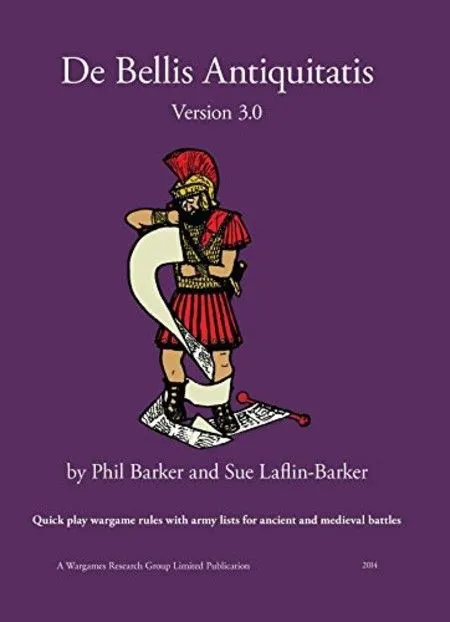
De Bellis Antiquitatis: Quick Play Wargame Rules with Army Lists for Ancient and Medieval Battles
- 2–6 players
- 60–300 min
- Complexity 2.8/5
- 1990
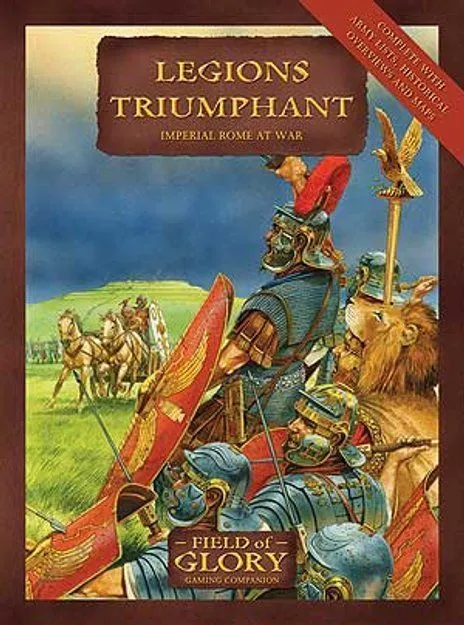
Expansion for Field of Glory: Ancient and Medieval Wargaming Rules
2008
Rules assistance for Legions Triumphant: Imperial Rome at War – Field of Glory Gaming Companion
Plain-language explanations of turns, card effects and disputed situations, with official source references and saved question history.
What would you like to know?
Answers come from the official rulebook, with the page to check.
Legions Triumphant: Imperial Rome at War – Field of Glory Gaming Companion is an expansion for Field of Glory: Ancient and Medieval Wargaming Rules released in 2008 for 2–4 players and 180 minutes per game. It was designed by Richard Bodley Scott and its main mechanics are Dice Rolling.
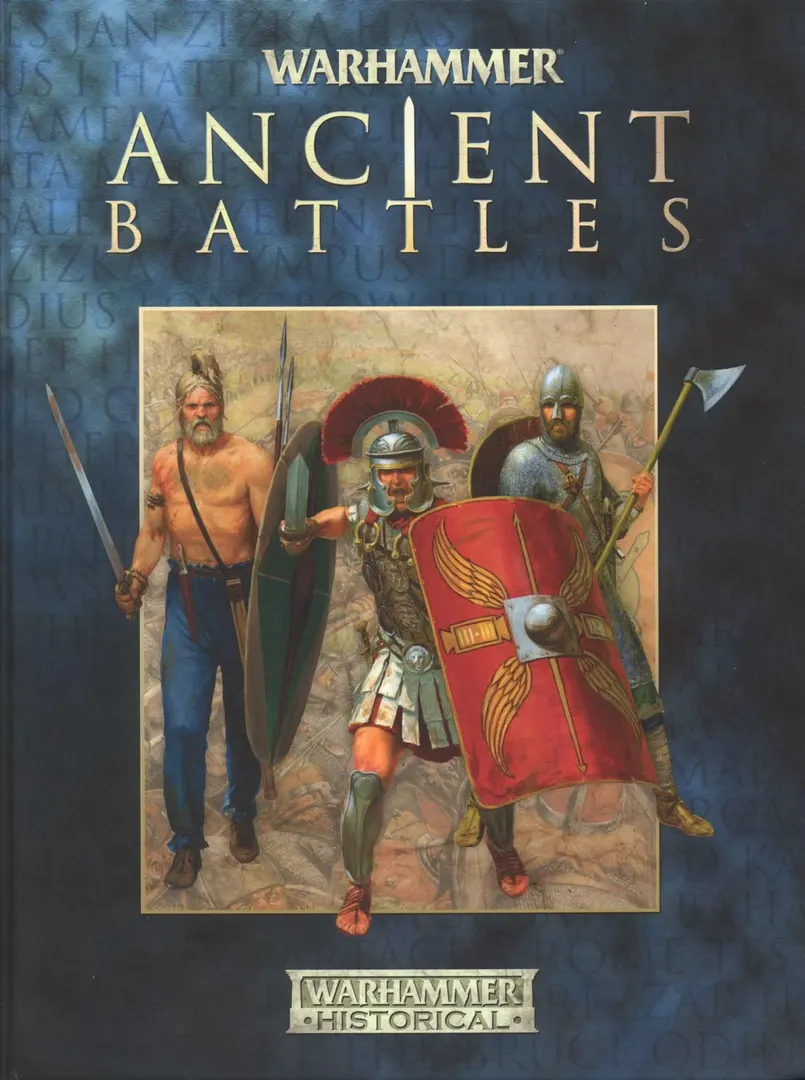
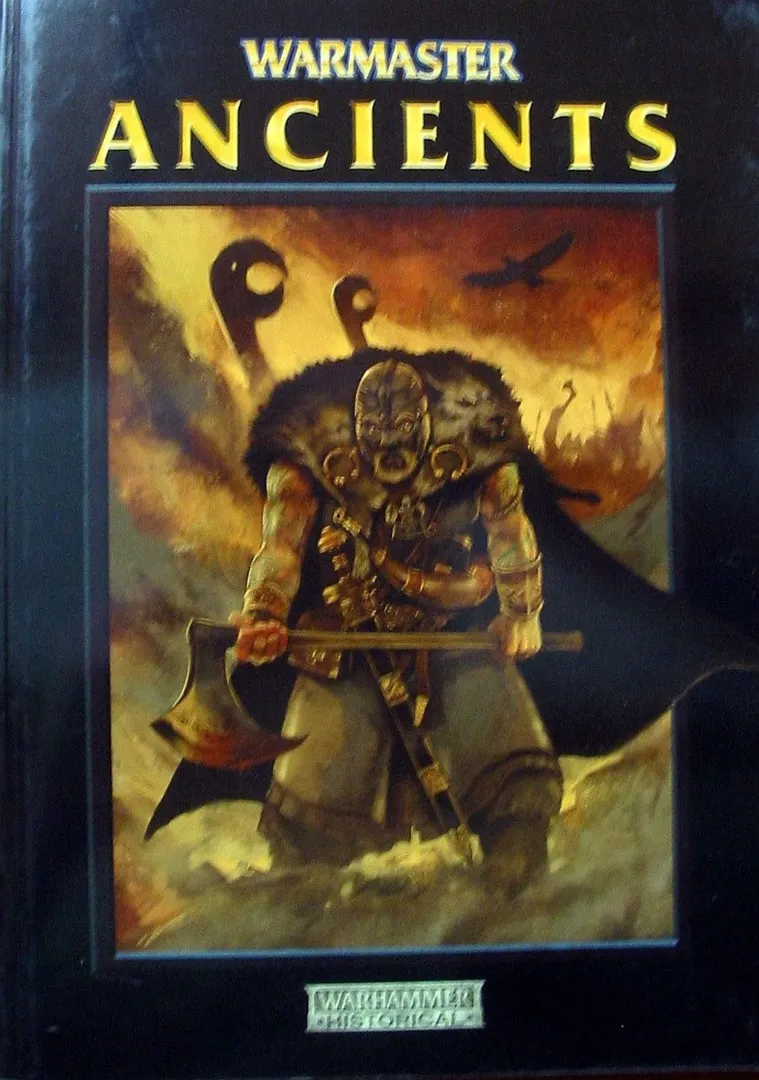
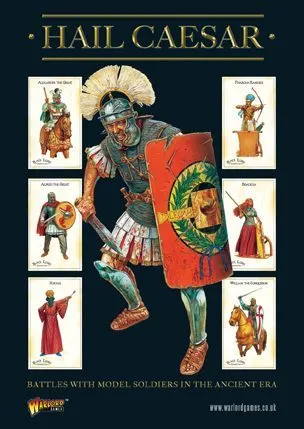


The fifth army supplement for the Field of Glory miniatures wargame. This supplement covers the glory years of Rome. There are twenty two separate lists, each with a sample starter army and point cost chart for making your own force. The book itself is 80 pages printed in full color with photos of miniatures and paintings from various other Osprey books used throughout. Armies included: - Principate Roman - Dominate Roman - Foederate Roman - Later Sarmatian - Early German - Dacian - Ancient British - Caledonian - Early Alan - Jewish Revolt - Sassanid Persian - Kushan - Palmyran - Early Visigothic/ Vandal / Burgundi/ Limigantes - Early Ostrogothic, Herul, Sciri or Taifali - Gepid - Scots Irish - Pictish - Early Frankish, Alamanni, Quadi, Suevi, Rugians or Turcilingi. - Old Saxon, Frisian, Bavarian, Thuringian or Early Anglo-Saxon - Western Hunnic - Hephthalite Hunnic
Legions Triumphant: Imperial Rome at War – Field of Glory Gaming Companion supports 2–4 players according to the catalogue. This range comes from the publisher’s listed player count, so the game can be set up for any group size within it. Some setups, rules and scoring details may still vary by player count, so check your edition’s rulebook for the exact configuration.
The listed playing time for Legions Triumphant: Imperial Rome at War – Field of Glory Gaming Companion is 180 minutes. This is the publisher’s estimate for a full game. The actual duration depends on the group, the player count and familiarity with the rules: first sessions usually run longer, while experienced groups often finish faster. Setup and teaching time are not included in this estimate.
Legions Triumphant: Imperial Rome at War – Field of Glory Gaming Companion has a complexity rating of 4.0 out of 5 from BoardGameGeek players, which makes it a heavy game. The rating reflects how much rules knowledge, planning and decision-making a typical game demands. Expect a longer first teach for heavier games, and use a preparation guide before game night.
Legions Triumphant: Imperial Rome at War – Field of Glory Gaming Companion belongs to these categories: Wargame, Miniatures, and Ancient. Its main mechanics are Dice Rolling. Categories describe the theme and setting of a game, while mechanics describe what players actually do on their turns. Each mechanic links to a catalogue hub with similar games, which helps when you want something comparable.
The credited designers of Legions Triumphant: Imperial Rome at War – Field of Glory Gaming Companion are: Richard Bodley Scott. These credits come from the published game data and name the people responsible for the game’s design, not its illustrators or publishers. Designer pages on MeepleRules collect other titles by the same designers, which helps when you enjoy a game and want to find similar ones.
The catalogue lists Legions Triumphant: Imperial Rome at War – Field of Glory Gaming Companion as an expansion for Field of Glory: Ancient and Medieval Wargaming Rules. Expansions add new content, rules or scenarios to the base game and usually cannot be played on their own, so you need Field of Glory: Ancient and Medieval Wargaming Rules to use it. Check that your edition of Field of Glory: Ancient and Medieval Wargaming Rules is compatible, as some expansions were revised between editions.