- BGG rating
- 5.5
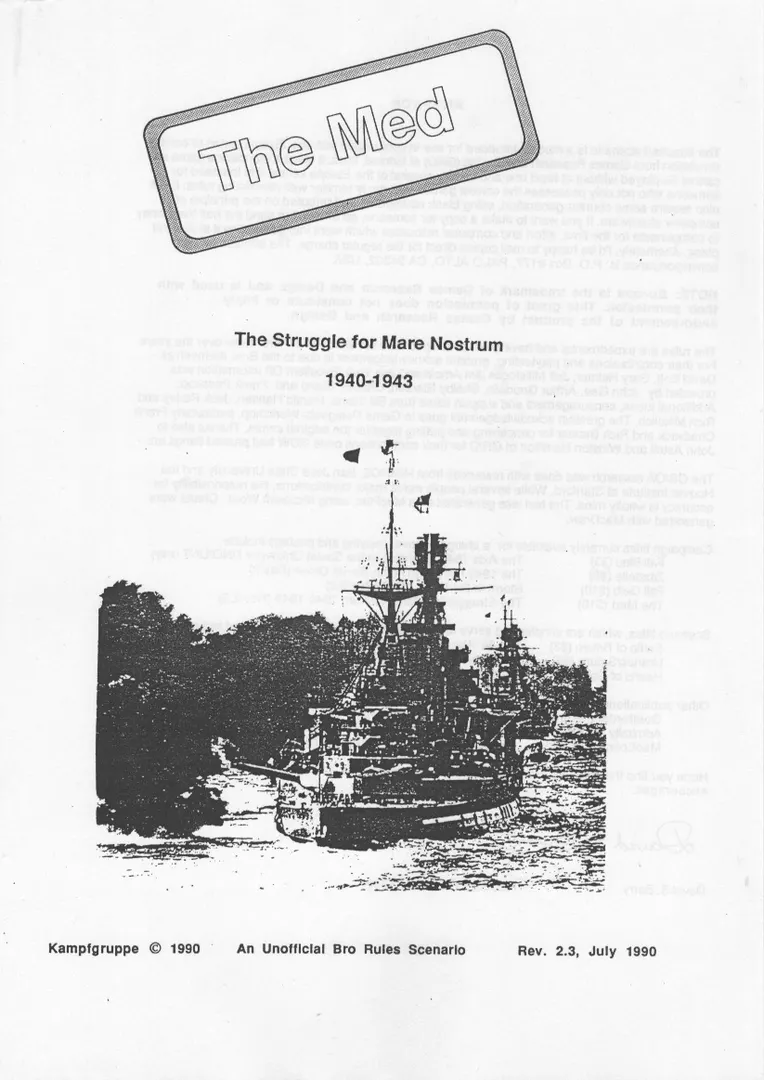
The Med
- 2–4 players
- 1990
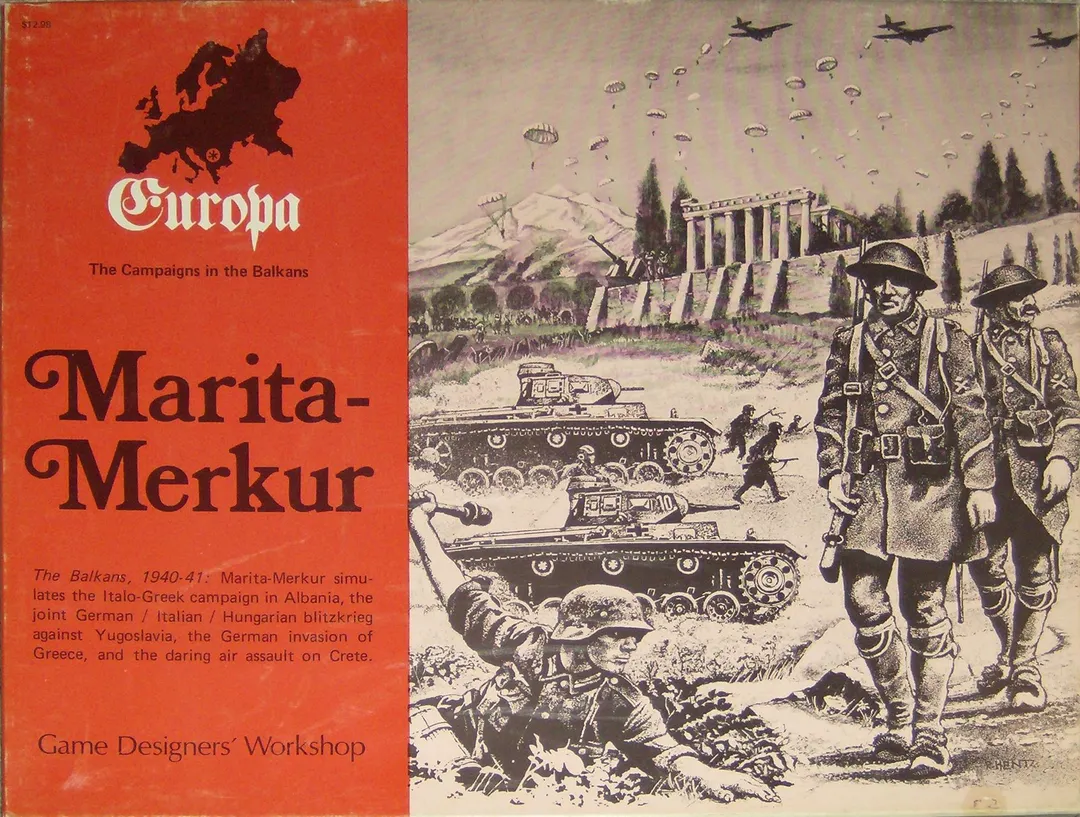
1979
Rules assistance for Marita-Merkur: The Campaign in the Balkans, 1940-41
Plain-language explanations of turns, card effects and disputed situations, with official source references and saved question history.
For 2 players
What would you like to know?
Answers come from the official rulebook, with the page to check.
Marita-Merkur: The Campaign in the Balkans, 1940-41 is a board game released in 1979 for 2 players, 360–361 minutes per game, and ages 12 and up. It was designed by John Astell and Paul Richard "Rich" Banner and its main mechanics are Dice Rolling, Grid Movement, and Hexagon Grid.
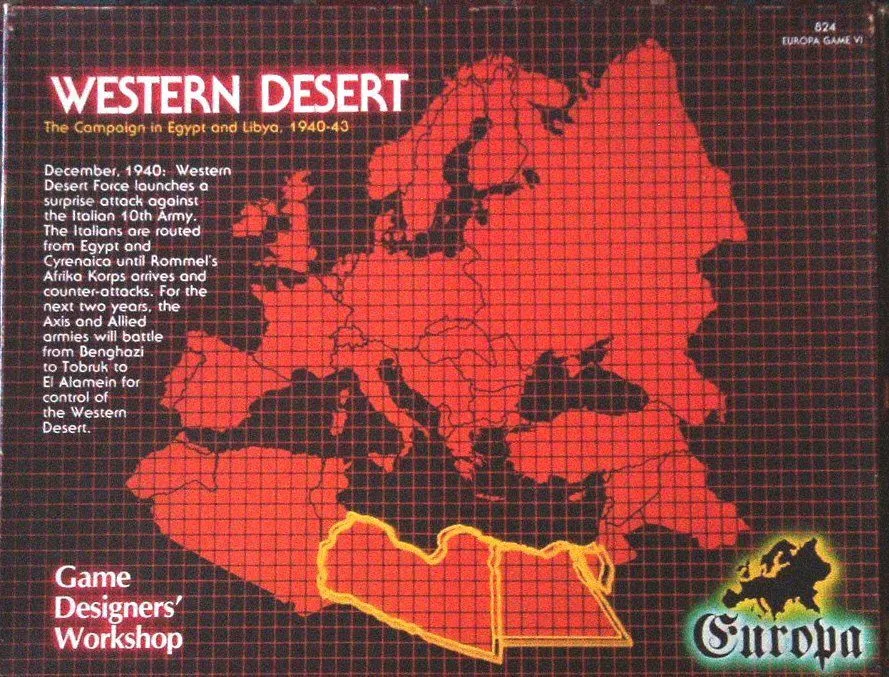
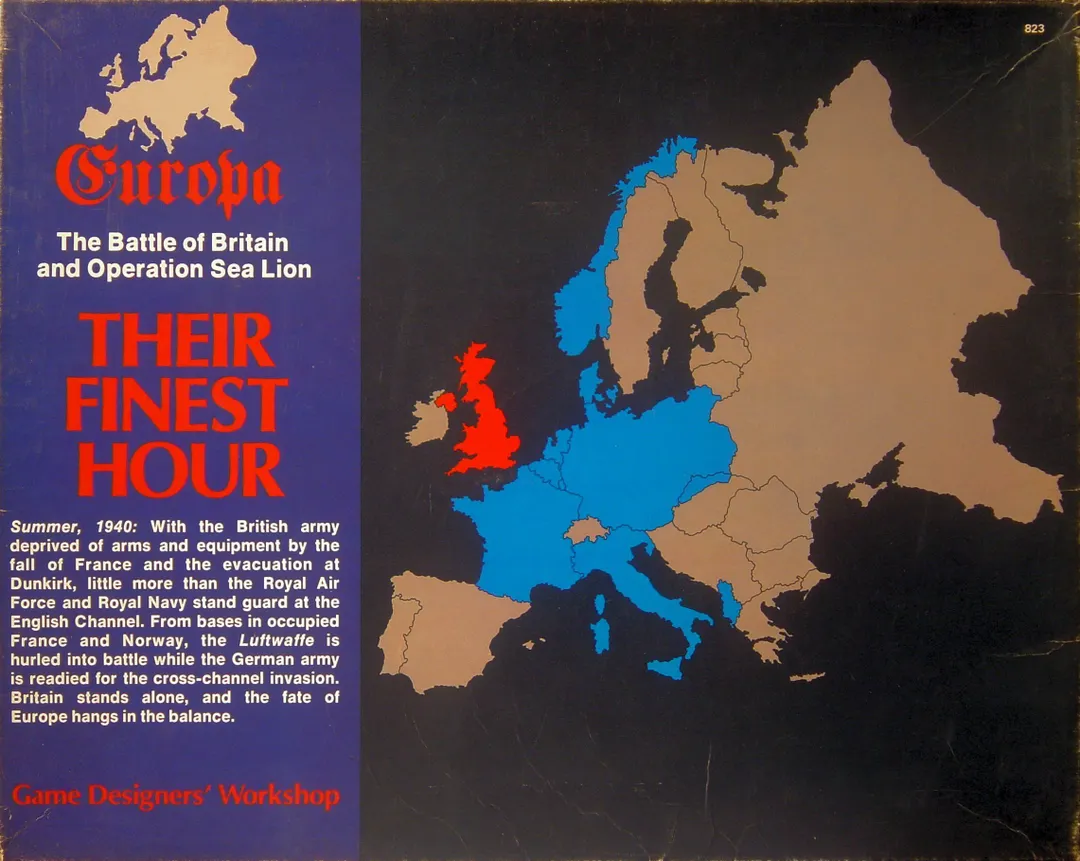
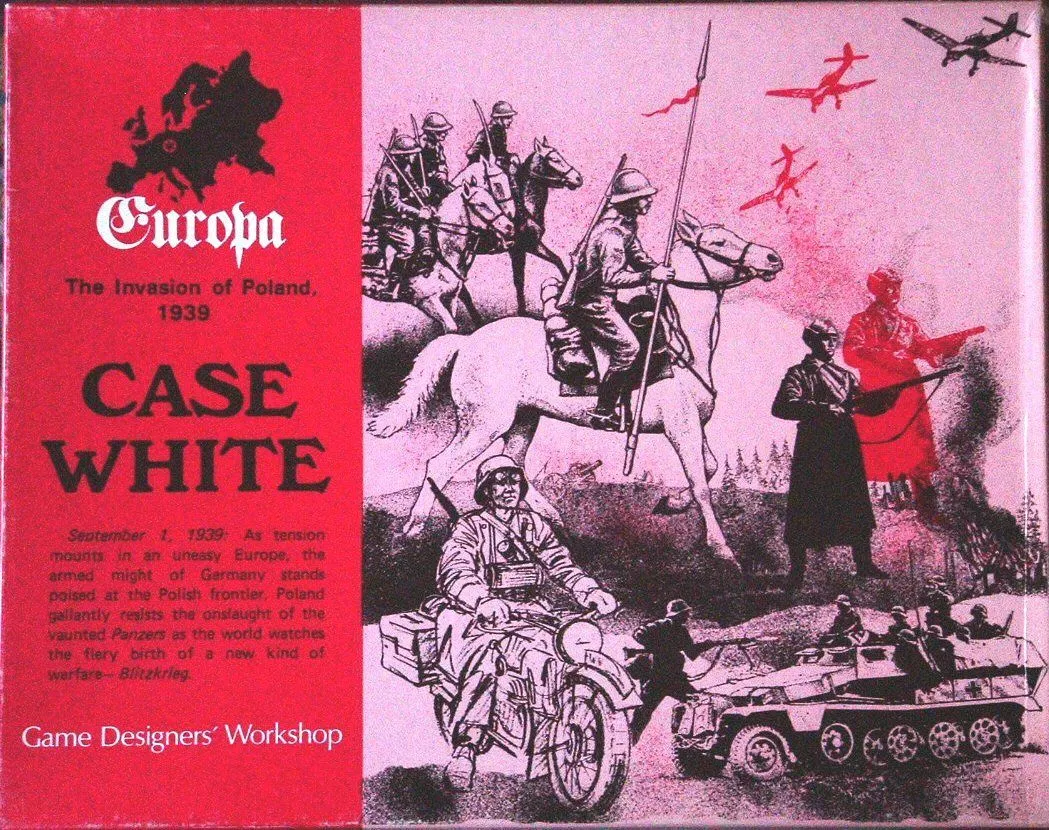
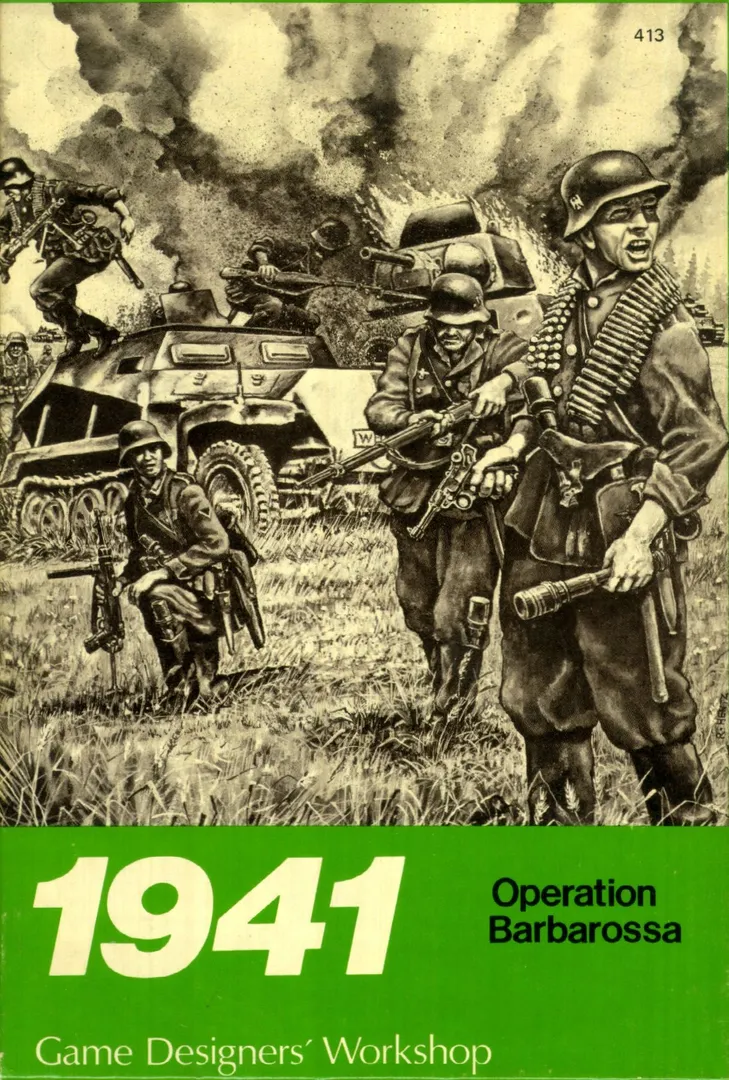



Marita-Merkur, Europa III, recreates the campaign in the Balkans from November 1940 until June 1941. Two maps display the battlegrounds from Austria to Crete, including all of Yugoslavia, Albania, and Greece along with bordering regions. The terrain analysis includes rivers, woods, rough, mountains, karst, swamp, and impassable mountains. Six-hundred die cut counters represent the military units of the nine nations that took part in the campaign. Units are deployed as individual battalions, regiments, brigades, and divisions - each with its historical designation, strengths, and capabilities. Aircraft units are groups of approximately 40-50 planes organized by type (such as fighter or dive-bomber) and model (from obsolete CR.42 biplanes to Me109's). The Hungarian Duna river flotilla is included; for future Europa use, so are the entire navies of Greece and Yugoslavia. The standard Europa rules present a framework of movement, combat, and combat/motorized exploitation. Special considerations cover Greek mountain capability, the Yugoslav coup, and British naval interdiction. Marita-Merkur is designed to be played by itself as a seperate game, and also to mate with other Europa games. Game components: one and a half maps (14 & 15a) two and a half sheets of die cut counters (#20=240 counters, #21=240 counters, #22=120 counters) = 600 total counters one rules folder one set of charts: Map Legend Italian, Hungarian & German Order of Battle / Reinforcements Greek & British Order of Battle / Reinforcements Jugoslav Order of Battle Axis Unit Breakdown Chart / Axis Victory Points Unit Identification Chart / Unit Symbols Turn Record Chart / Weather table / Allied Breakdown Chart / Allied Victory Points Combat Results Tables / Terrain Effects Chart (x2)
Marita-Merkur: The Campaign in the Balkans, 1940-41 supports 2 players according to the catalogue. This is the publisher’s listed player count, so the game is designed for exactly that number of participants. Variants for other group sizes, if any, are described in the rulebook of your edition, so check it before setting up a different configuration.
The listed playing time for Marita-Merkur: The Campaign in the Balkans, 1940-41 is 360–361 minutes. This is the publisher’s estimate for a full game. The actual duration depends on the group, the player count and familiarity with the rules: first sessions usually run longer, while experienced groups often finish faster. Setup and teaching time are not included in this estimate.
The catalogue lists Marita-Merkur: The Campaign in the Balkans, 1940-41 for ages 12 and up. This is the publisher’s recommendation and reflects reading demands, rule complexity and small components rather than theme alone. Younger players can often join with help from an adult, so check the age guidance on your edition and consider your group’s experience with board games.
Marita-Merkur: The Campaign in the Balkans, 1940-41 has a complexity rating of 3.8 out of 5 from BoardGameGeek players, which makes it a heavy game. The rating reflects how much rules knowledge, planning and decision-making a typical game demands. Expect a longer first teach for heavier games, and use a preparation guide before game night.
Marita-Merkur: The Campaign in the Balkans, 1940-41 belongs to these categories: Wargame and World War II. Its main mechanics are Dice Rolling, Grid Movement, and Hexagon Grid. Categories describe the theme and setting of a game, while mechanics describe what players actually do on their turns. Each mechanic links to a catalogue hub with similar games, which helps when you want something comparable.
The credited designers of Marita-Merkur: The Campaign in the Balkans, 1940-41 are: John Astell and Paul Richard "Rich" Banner. These credits come from the published game data and name the people responsible for the game’s design, not its illustrators or publishers. Designer pages on MeepleRules collect other titles by the same designers, which helps when you enjoy a game and want to find similar ones.
The catalogue lists Marita-Merkur: The Campaign in the Balkans, 1940-41 as a base game. It can be played on its own with the components in the box and does not require any other title. Expansions, if any exist, add new content or rules on top of it and are listed separately in the catalogue with a link back to this base game.