

- BGG rank
- BGG #5,907
- BGG rating
- 8.4
Death Valley: Battles for the Shenandoah
- 1–2 players
- 300–1200 min
- Complexity 4.3/5
- 2019

2020
Rules assistance for Men of Iron Battles Tri-Pack: Men of Iron, Infidel, Blood & Roses
Plain-language explanations of turns, card effects and disputed situations, with official source references and saved question history.
For 1 player
What would you like to know?
Answers come from the official rulebook, with the page to check.
Men of Iron Battles Tri-Pack: Men of Iron, Infidel, Blood & Roses is a board game released in 2020 for 1–2 players, 60–180 minutes per game, and ages 14 and up. It was designed by Richard H. Berg and its main mechanics are Dice Rolling, Hexagon Grid, and Simulation.



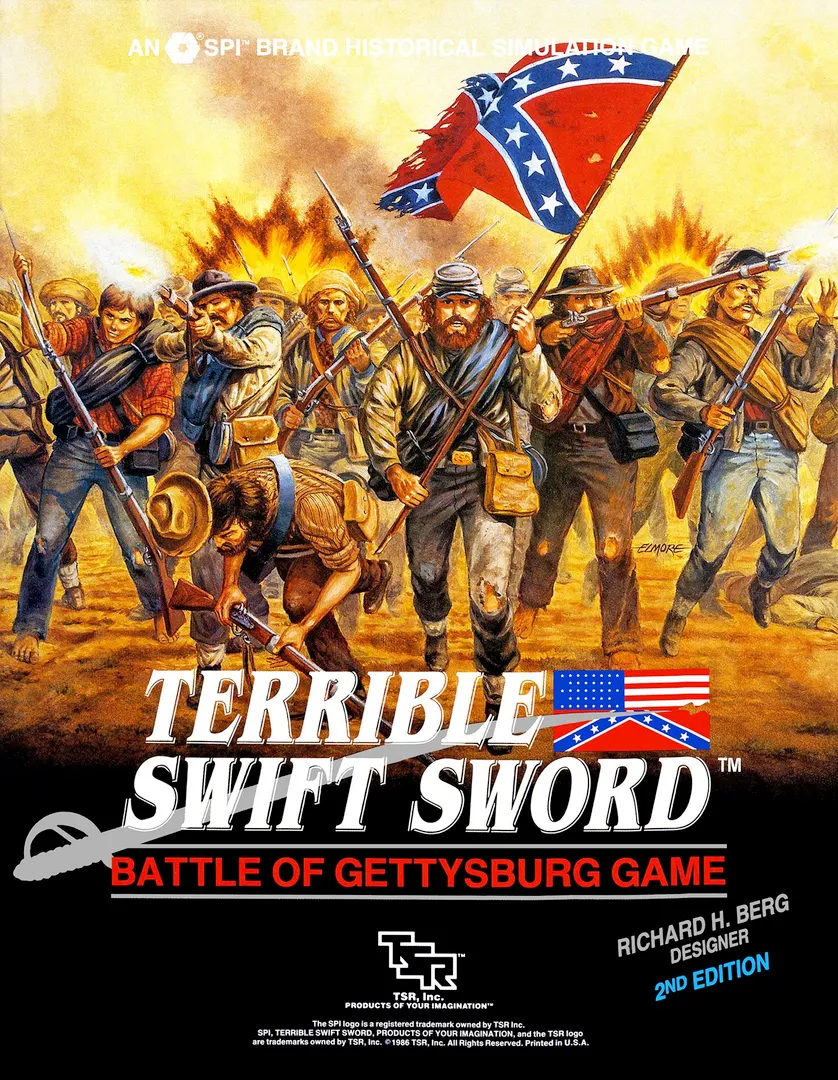
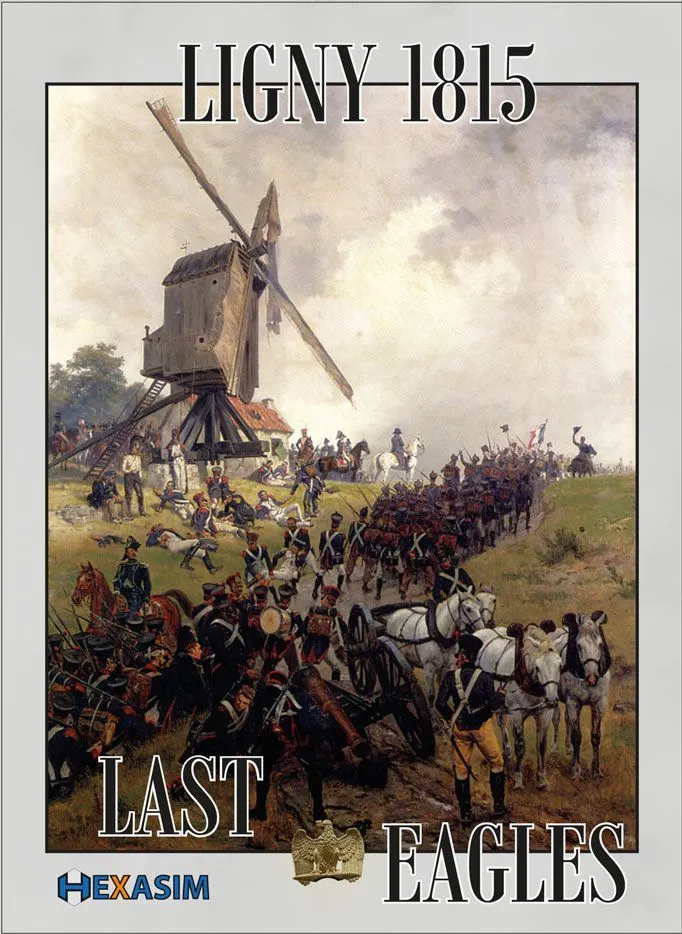



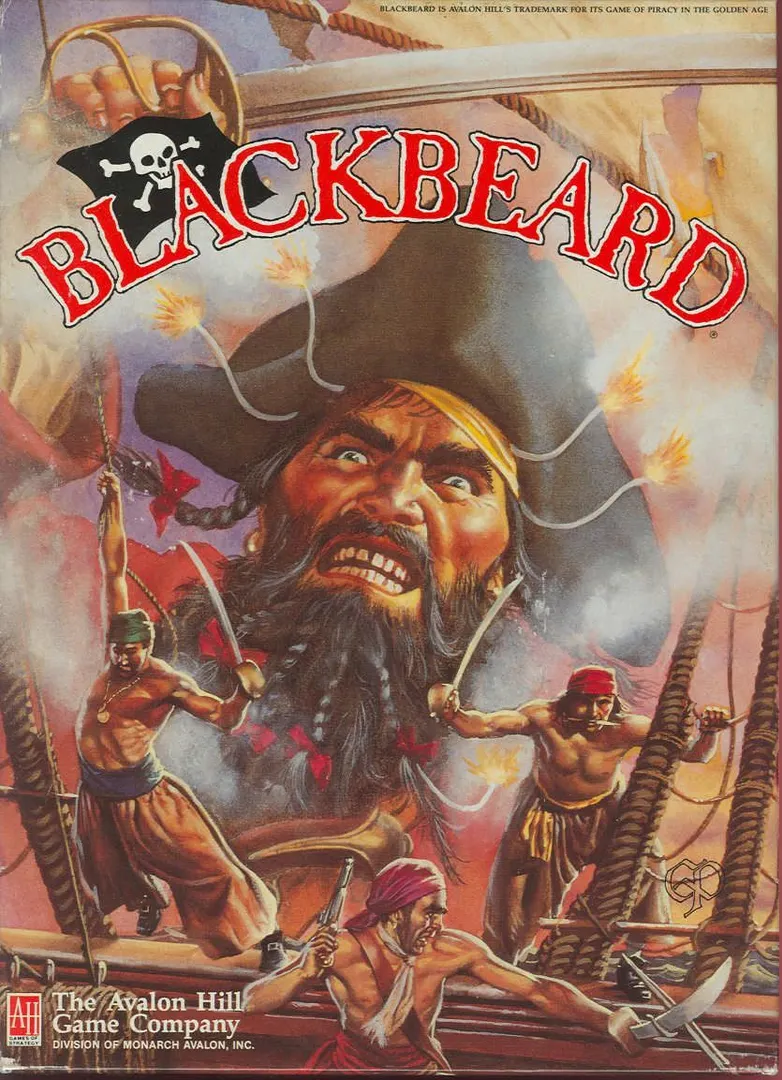
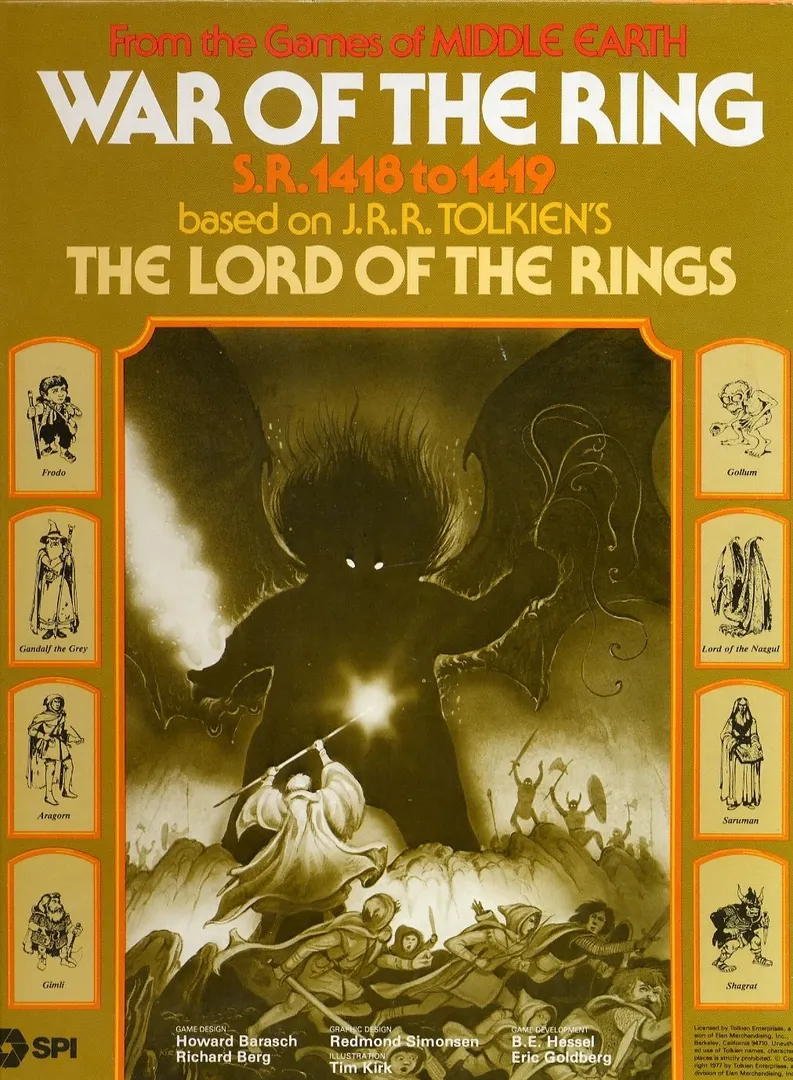

The first three games in the Series: Men of Iron (GMT): Men of Iron, Infidel: The Supremacy of Cavalry in the Crusader Era – 11th-12th Century, and Blood & Roses, plus the Battle of Agincourt from C3i #22. The game that started it all, Men of Iron, covers the re-emergence of infantry in the early 14th century, along with a more perceptive understanding of the value of combined-arms warfare and the effective use of defensive terrain. The scenarios highlight the key elements that made these battles so fascinating: the defensive power of the longbow, especially when used in coordination with dismounted, or even mounted, men-at-arms. Agincourt covers Henry V’s famous victory during the Hundred Years War. The second volume in the Men of Iron series, Infidel: The Supremacy of Cavalry in the Crusader Era – 11th-12th Century, focuses on the major battles of the early Crusades era between Christians and the Muslims. This is a period that saw cavalry reign supreme and pitted the European mounted, armored men-at-arms - which relied on furious and direct charges with sword and lance - against the Eastern European/Turkish light cavalry tactics - focusing on the efficiency of its mounted archers. Blood & Roses focuses on the battles of the Wars of the Roses in England, between 1455 and 1487. This was warfare in which most men were truly "of iron", heavily and totally armored to such a point that their mobility was suspect. It also featured the introduction of gunpowder – mostly field artillery – in noticeable numbers. And while many English men-at-arms were mounted, they did so almost entirely for transport. Most fighting was on foot … and it was quite vicious. There will be a series rulebook, with a few rules still applying only to a specific game, and the games will have all errata applied to their battle book. The color setups a la Blood & Roses and Arquebus: Men of Iron Volume IV – The Battles for Northern Italy 1495-1544 will show up in all battle books. Men of Iron will see some battle changes, a few of which will involve new/changed counters. The series is designed for quick learning and easy play. Game rules are short, there are no turns - play is continual, with opportunities to steal play from your opponent - and combat resolution is a single dieroll. Playing time is about 1-to-3 hours per battle. The series is also for the gamer who enjoys playing solitaire. The system is designed for both individual and face-to-face play without any loss in insight or fun. It allows a player or players to see what happened in these famous battles and why. There are no purpose-built solitaire rules, but many players play that way. The units feature longbows, crossbows, men-at-arms (mounted, dismounted, and unhorsed), hobilars, genitors, nasty Scots with axes, slingers, pike infantry, knights, heavy cavalry, medium cavalry, light cavalry archers, archers, camp followers, handgunners, and artillery! And the commanders! The great English King, Edward III and his son, The Black Prince, William Wallace and The Bruce, Captal de Buch. Crusaders Stephen of Blois, Bohemond of Taranto, Raymond of Toulouse, Bishop Adhemar of Le Puy, the leper King Baldwin IV, Raynald of Chatillon, and King Richard I. Saracen leaders Kilij Arslan, Kerbogha, Atabeg of Mosul, Fatimid Vizier al-Afdal Shahanshah, Soqman the Artukid of Diyar-Bakr and Aleppo, and Saladin. King Henry VI, Richard, Duke of York, King Edward IV, Richard Neville, Earl of Warwick, King Richard III, and Henry Tudor, Earl of Richmond (and founder of the Tudor dynasty). The battles included in the Men of Iron tri-pack are: Dorylaeum – Northwest Anatolia, 1 July 1097 - The Crusader line of march, including the people’s Crusade and Peter the hermit, as well as all the great 1st Crusade Leaders, are “ambushed” by Kilij Arslan and his crack Seljuk cavalry. Antioch – Northern Syrian, 28 June 1098 - The exhausted, starving and depleted Crusaders – they had few horses left – have just taken Antioch and are now faced with a large Turkish army, under Kerbogha, sent to retake the city. Ascalon – Southern Palestine, 12 August 1099 - The Crusaders, having seized Jerusalem, turn south to fend off the suddenly active large army of the Fatimids, with their crack Mamluk heavy cavalry. Harran – Crusader Kingdom of Antioch/Edessa, 7 May 1104 - Baldwin II of Edessa seeks to maintain control of his little kingdom in northern Syria, something Soqman, Atabeg of Damascus, is not happy to allow. One of the first major Crusader defeats. Montgisard – Frankish Kingdom of Jerusalem, 25 November 1177 - Saladin attempts to destroy a small army from the Kingdom of Jerusalem with an army more than five times its size. Though there are only 400 knights, the Crusaders are led by the remarkable Baldwin IV, The Leper King. The outcome - one of the greatest Crusader victories. See if you can carry off this stunning upset! Arsuf - Ayyubid Kingdom of Jerusalem, 7 September 1191 - The classic battle between Richard I Lionheart and the Ayyubid Army of Saladin highlighting the major facets of each army in an unusual moving battle. Falkirk - Scotland, 22 July 1298 - Wallace's great disaster, despite his massive schiltron. Good infantry is fine, but it needs support. The ultimate solitaire scenario. Courtrai - Flanders, 11 July 1302 - The Battle of the Golden Spurs. The Flemish shook the elite French army with one of the earliest displays of the power of solid infantry using defensive positions. Bannockburn - Scotland, 23-24 June 1314 - Robert the Bruce's famous triumph over a numerically superior, but literally bogged down English army. Crecy - France, 26 August 1346 - The first great battle of the Hundred Years War. It showed that infantry, supported by archers, could defeat the best knights in Europe. Poitiers - France, 19 September 1356 - The French fight dismounted this time and almost win. But the longbow, and solid English infantry prevail again. Najera - Castile, 3 April 1367 - The Black Prince goes to Spain with a marvelous combined arms force to further English plans of "expansion". Agincourt – Artois, 25 October 1415 – Henry V wins a mighty victory against the flower of French chivalry. 1st St. Albans – Hertfordshire, 22 May 1455 - Marks the first major engagement in the Wars of the Roses. Richard, Duke of York and his ally, Richard Neville, Earl of Warwick, defeated the Lancastrians under Edmund, Duke of Somerset, who was killed during the battle. York also captured Henry VI and forced Henry to appoint him Constable of England Blore Heath – Staffordshire, 23 September 1459 - Greatly outnumbered Yorkist infantry used the longbow and a defensive position to drive off the Lancastrian Men-at-Arms. 2nd St. Albans – Hertfordshire, 17 February 1461 - The Lancastrians drove the Yorkists out of the town and then destroyed Warwick’s strangely deployed army, even when sturdily defended by hedges, caltrops and spiked netting. Towton – Yorkshire, 29 March 1461 - Easily biggest battle in the box and the biggest in the entire series. It uses over 200 combat units and, much like the actual battle, will probably take a long time to play. It is mostly crash and bash, with little room for maneuver, all fought in a blinding snowstorm!! Barnet – Greater London Area, 14 April 1471 - A classic battle of planned deployments, but overlapping wings, cries of treason in the lines, fog of war (actual fog), and the excellent use of reserves. Tewksbury – Gloucestershire, 4 May 1471 - A battle that shows one of the key terrain features of the battles in this era, extensive hedges and thick underbrush in otherwise clear fields. Bosworth – Leicestershire, 22 August 1485 - The best-known battle of the wars and the tragic (I think) death of King Richard III in a battle he should have won. Using the latest information as to where the battle took place, let’s see if you can cancel out the Tudor dynasty. Components: Five 22x34” maps Seven counter sheets (six and one-half 1/2” + one-half 9/16”) One 36 page series rulebook Three battle books (two 24 page and one 36 page) Six player aid cards (four 11x17” and two 11x25.5”) Two flight point charts (8.5 x 11”) Two ten-sided dice —description from the publisher
Men of Iron Battles Tri-Pack: Men of Iron, Infidel, Blood & Roses supports 1–2 players according to the catalogue. This range comes from the publisher’s listed player count, so the game can be set up for any group size within it. Some setups, rules and scoring details may still vary by player count, so check your edition’s rulebook for the exact configuration.
The listed playing time for Men of Iron Battles Tri-Pack: Men of Iron, Infidel, Blood & Roses is 60–180 minutes. This is the publisher’s estimate for a full game. The actual duration depends on the group, the player count and familiarity with the rules: first sessions usually run longer, while experienced groups often finish faster. Setup and teaching time are not included in this estimate.
The catalogue lists Men of Iron Battles Tri-Pack: Men of Iron, Infidel, Blood & Roses for ages 14 and up. This is the publisher’s recommendation and reflects reading demands, rule complexity and small components rather than theme alone. Younger players can often join with help from an adult, so check the age guidance on your edition and consider your group’s experience with board games.
Men of Iron Battles Tri-Pack: Men of Iron, Infidel, Blood & Roses has a complexity rating of 3.2 out of 5 from BoardGameGeek players, which makes it a medium-weight game. The rating reflects how much rules knowledge, planning and decision-making a typical game demands. Expect a longer first teach for heavier games, and use a preparation guide before game night.
Men of Iron Battles Tri-Pack: Men of Iron, Infidel, Blood & Roses belongs to these categories: Wargame, Medieval, and Renaissance. Its main mechanics are Dice Rolling, Hexagon Grid, and Simulation. Categories describe the theme and setting of a game, while mechanics describe what players actually do on their turns. Each mechanic links to a catalogue hub with similar games, which helps when you want something comparable.
The credited designers of Men of Iron Battles Tri-Pack: Men of Iron, Infidel, Blood & Roses are: Richard H. Berg. These credits come from the published game data and name the people responsible for the game’s design, not its illustrators or publishers. Designer pages on MeepleRules collect other titles by the same designers, which helps when you enjoy a game and want to find similar ones.
The catalogue lists Men of Iron Battles Tri-Pack: Men of Iron, Infidel, Blood & Roses as a base game. It can be played on its own with the components in the box and does not require any other title. Expansions, if any exist, add new content or rules on top of it and are listed separately in the catalogue with a link back to this base game.