
- BGG rating
- 7.8
Mice and Mystics: Lost Chapter – Cat's Cradle
- 1–4 players
- 60 min
- Complexity 2.9/5
- 2012
2012
Rules assistance for Mice and Mystics
Plain-language explanations of turns, card effects and disputed situations, with official source references and saved question history.
For 1 player
What would you like to know?
Answers come from the official rulebook, with the page to check.
Mice and Mystics is a board game released in 2012 for 1–4 players, 60–90 minutes per game, and ages 7 and up. It was designed by Jerry Hawthorne and its main mechanics are Variable Player Powers, Area Movement, and Dice Rolling.
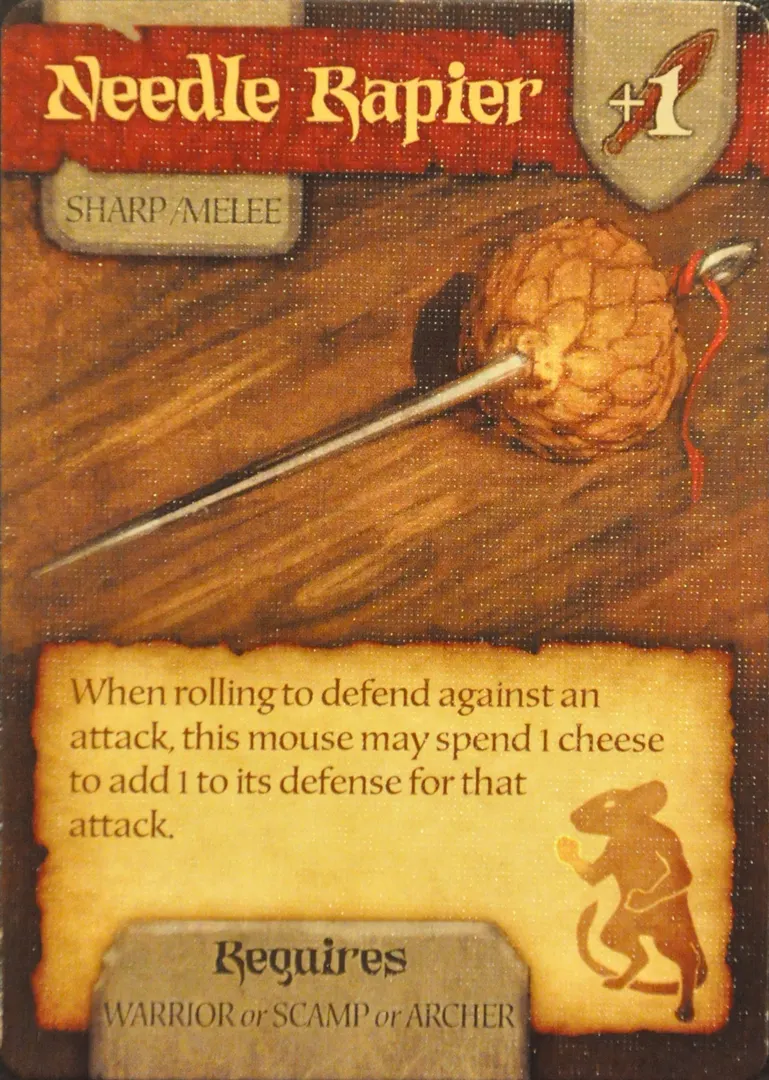
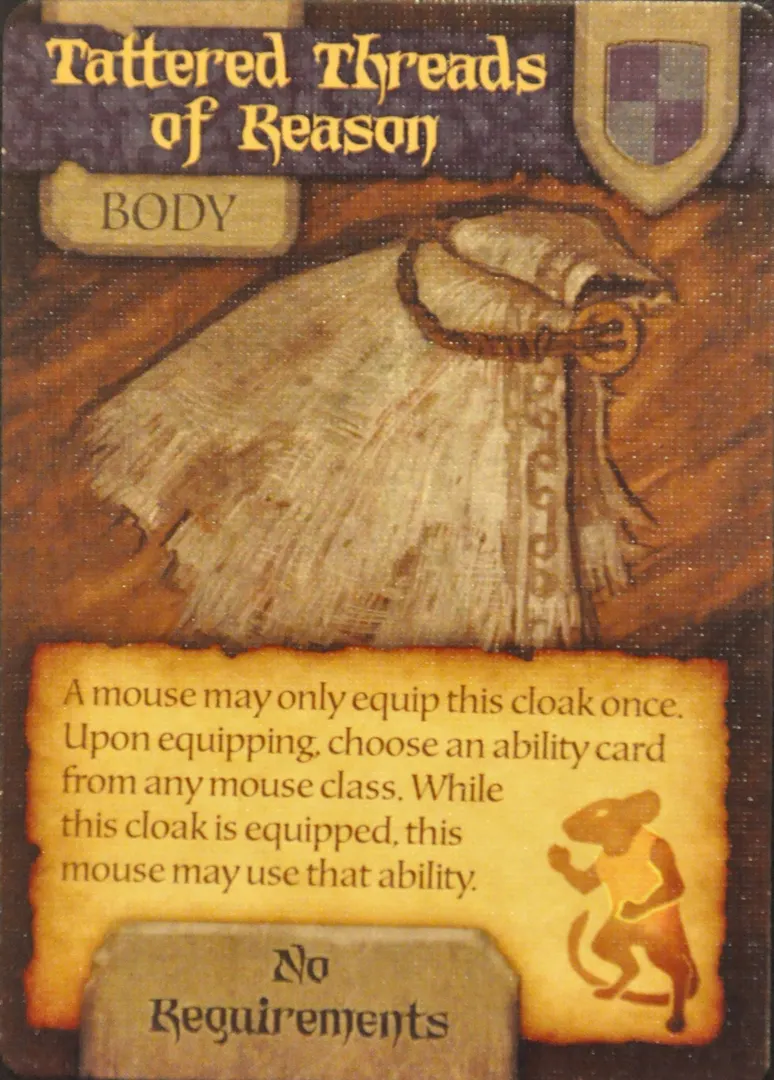
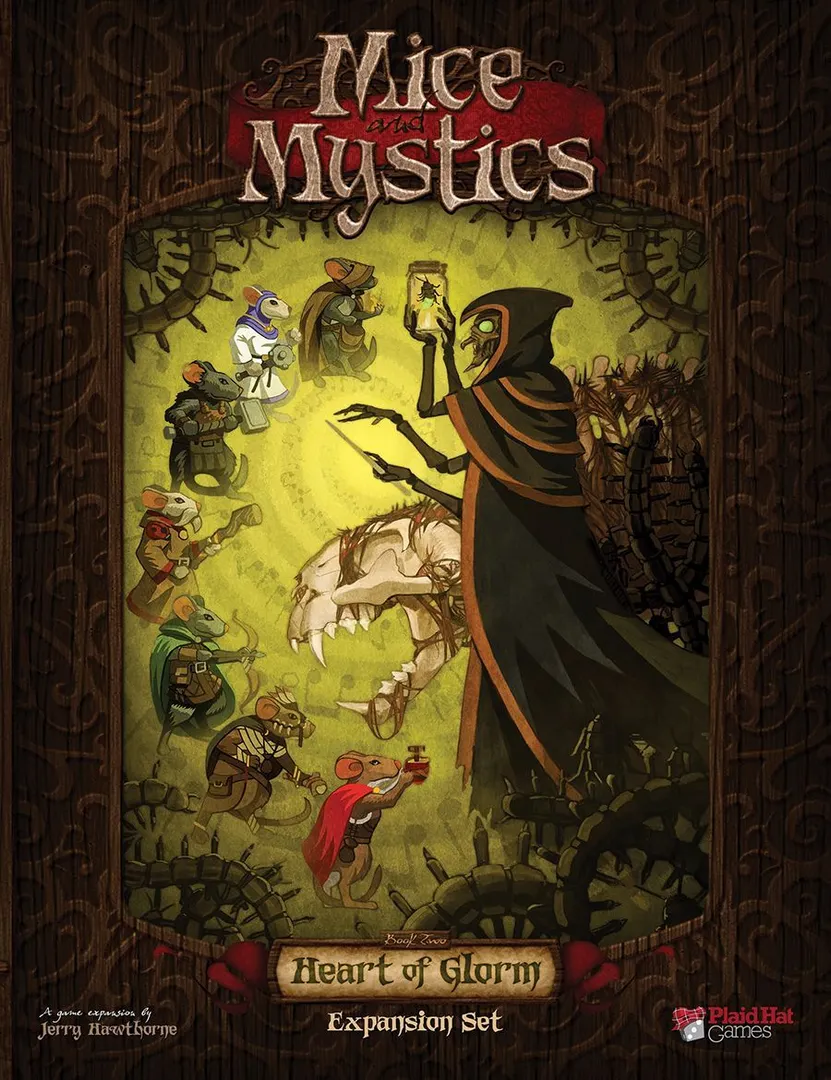
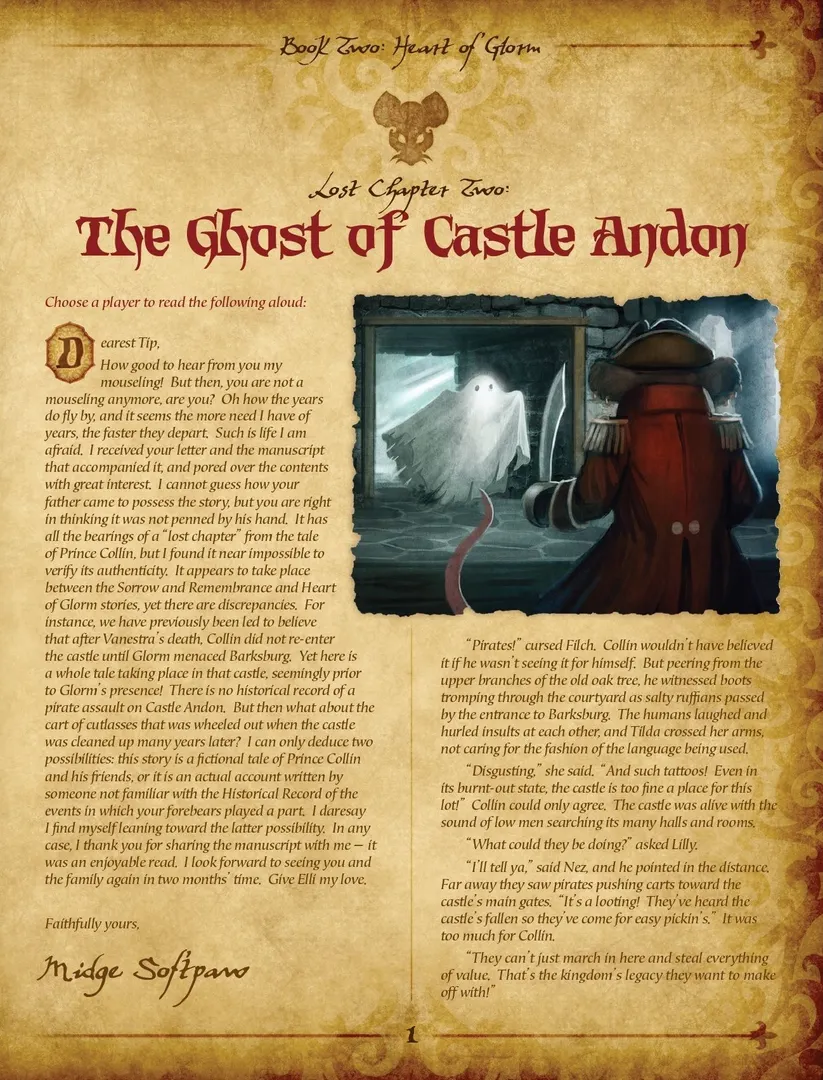
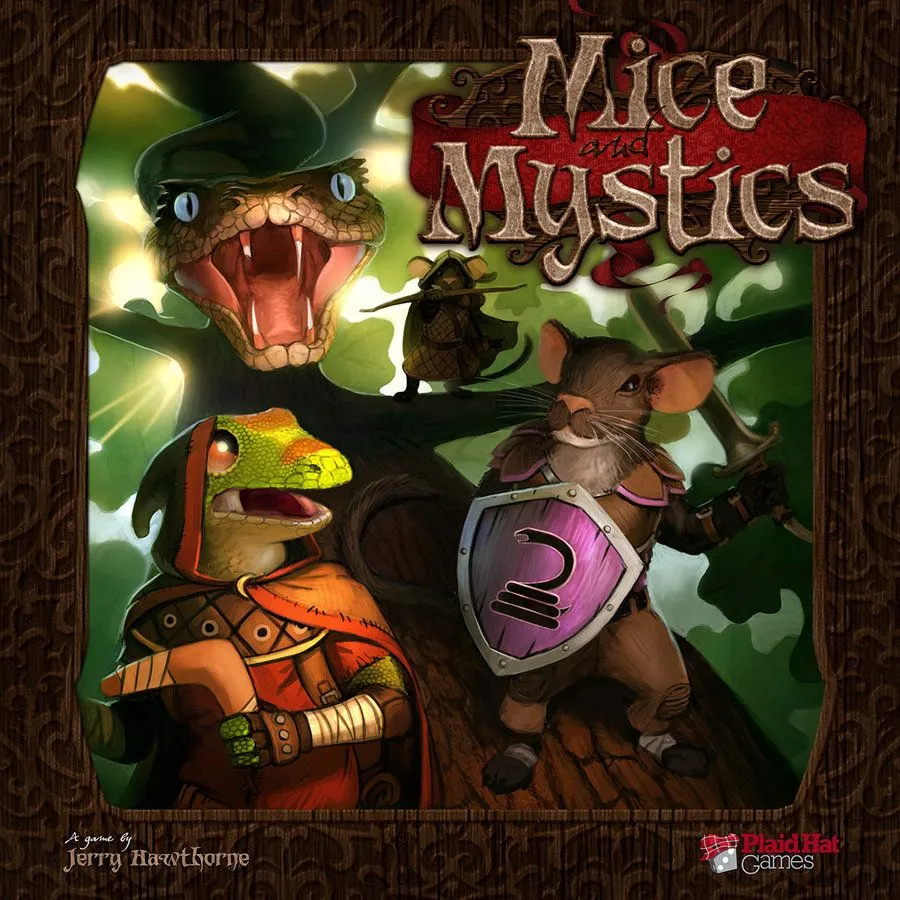
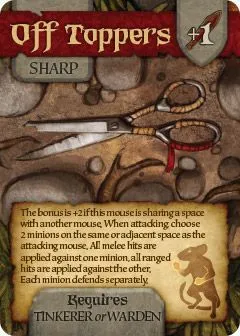




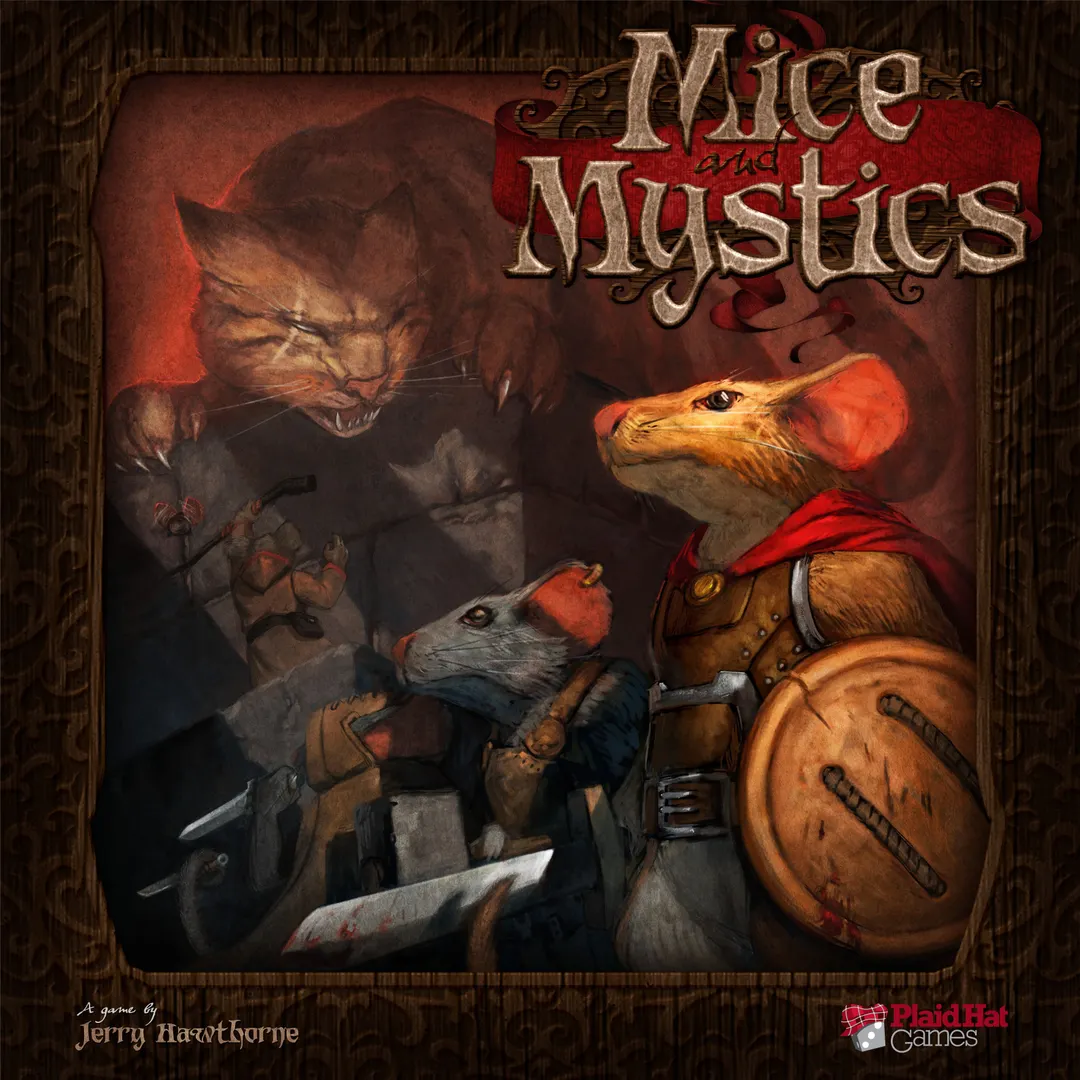
In Mice and Mystics, players take on the roles of those still loyal to the king – but to escape the clutches of Vanestra, they have been turned into mice! Play as cunning field mice who must race through a castle now twenty times larger than before. The castle would be a dangerous place with Vanestra's minions in control, but now countless other terrors also await heroes who are but the size of figs. Play as nimble Prince Collin and fence your way past your foes, or try Nez Bellows, the burly smith. Confound your foes as the wizened old mouse Maginos, or protect your companions as Tilda, the castle's former healer. Every player will have a vital role in the quest to warn the king, and it will take careful planning to find Vanestra's weakness and defeat her. Mice and Mystics is a cooperative adventure game in which the players work together to save an imperiled kingdom. They will face countless adversaries such as rats, cockroaches, and spiders, and of course the greatest of all horrors: the castle's housecat, Brodie. Mice and Mystics is a boldly innovative game that thrusts players into an ever-changing, interactive environment, and features a rich storyline that the players help create as they play the game. The Cheese System allows players to hoard the crumbs of precious cheese they find on their journey, and use it to bolster their mice with grandiose new abilities and overcome seemingly insurmountable odds. Mice and Mystics will provide any group of friends with an unforgettable adventure they will be talking about for years to come – assuming they can all squeak by... Expansion advice: For those who have expansions for this game the recommended order by the game designer for playing them is as follows (see original post HERE): Sorrow and Remembrance (Base game) Cat's Cradle (Lost Chapter 1) Heart of Glorm The Ghost of Castle Andon (Lost Chapter 2) Downwood Tales Portents of Importance (Lost Chapter 3), connected to the story in Tail Feathers
Mice and Mystics supports 1–4 players according to the catalogue. This range comes from the publisher’s listed player count, so the game can be set up for any group size within it. Some setups, rules and scoring details may still vary by player count, so check your edition’s rulebook for the exact configuration.
The listed playing time for Mice and Mystics is 60–90 minutes. This is the publisher’s estimate for a full game. The actual duration depends on the group, the player count and familiarity with the rules: first sessions usually run longer, while experienced groups often finish faster. Setup and teaching time are not included in this estimate.
The catalogue lists Mice and Mystics for ages 7 and up. This is the publisher’s recommendation and reflects reading demands, rule complexity and small components rather than theme alone. Younger players can often join with help from an adult, so check the age guidance on your edition and consider your group’s experience with board games.
Mice and Mystics has a complexity rating of 2.7 out of 5 from BoardGameGeek players, which makes it a medium-light game. The rating reflects how much rules knowledge, planning and decision-making a typical game demands. Expect a longer first teach for heavier games, and use a preparation guide before game night.
Mice and Mystics belongs to these categories: Fantasy, Fighting, and Animals. Its main mechanics are Variable Player Powers, Area Movement, and Dice Rolling. Categories describe the theme and setting of a game, while mechanics describe what players actually do on their turns. Each mechanic links to a catalogue hub with similar games, which helps when you want something comparable.
The credited designers of Mice and Mystics are: Jerry Hawthorne. These credits come from the published game data and name the people responsible for the game’s design, not its illustrators or publishers. Designer pages on MeepleRules collect other titles by the same designers, which helps when you enjoy a game and want to find similar ones.
The catalogue lists Mice and Mystics as a base game. It can be played on its own with the components in the box and does not require any other title. Expansions, if any exist, add new content or rules on top of it and are listed separately in the catalogue with a link back to this base game.