
- BGG rating
- 7.3
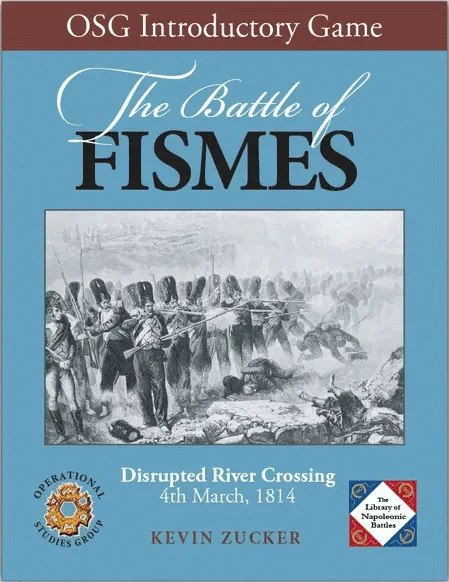
The Battle of Fismes: Disrupted River Crossing
- 2 players
- Complexity 3.5/5
- 2019
2019
Rules assistance for Napoleon Retreats: Campaign in France, Part II
Plain-language explanations of turns, card effects and disputed situations, with official source references and saved question history.
For 2 players
What would you like to know?
Answers come from the official rulebook, with the page to check.
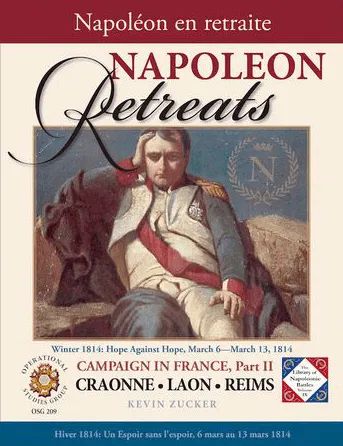
Napoleon Retreats: Campaign in France, Part II is a board game released in 2019 for 2–4 players, 60 minutes per game, and ages 10 and up. It was designed by Kevin Zucker and its main mechanics are Dice Rolling, Hexagon Grid, and Simulation.
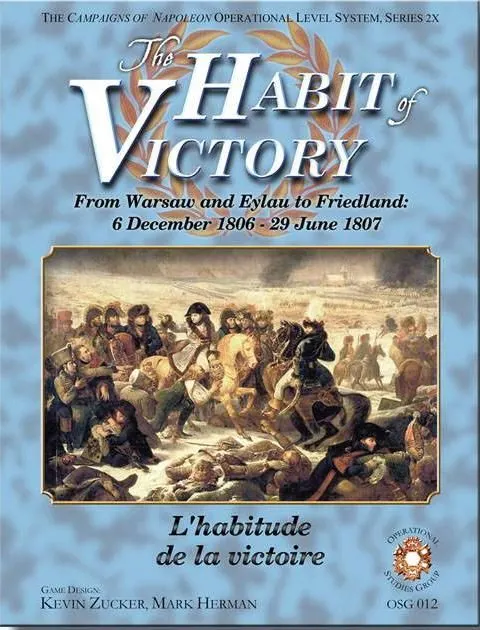


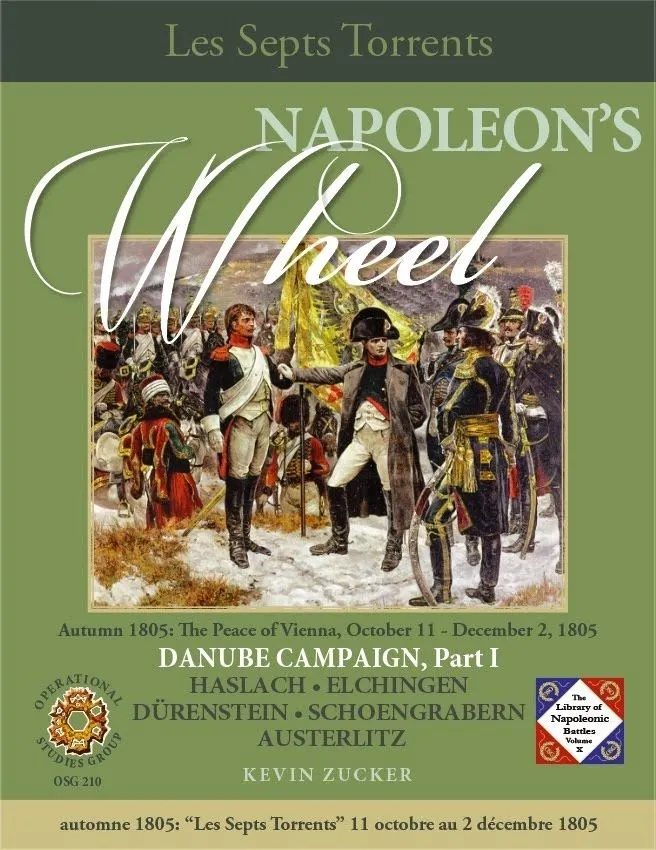
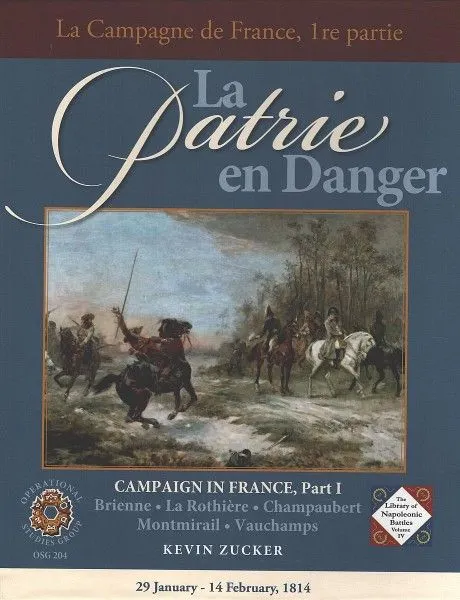
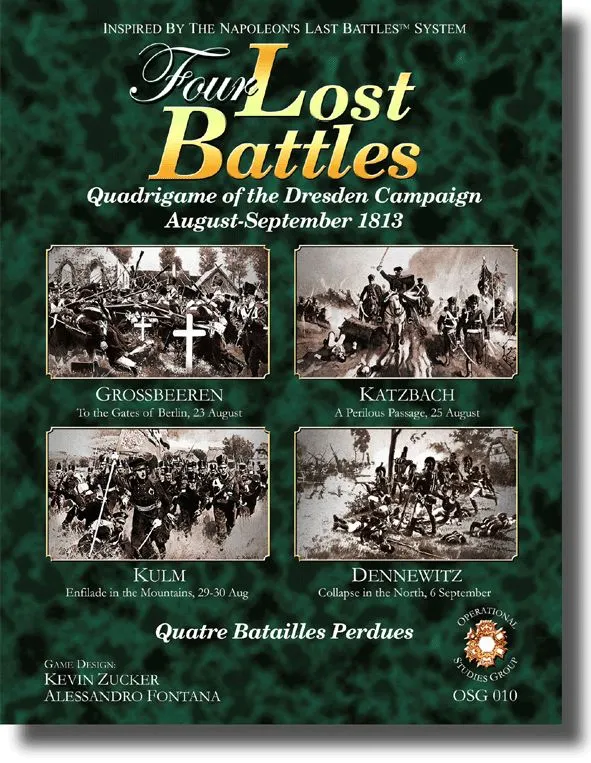
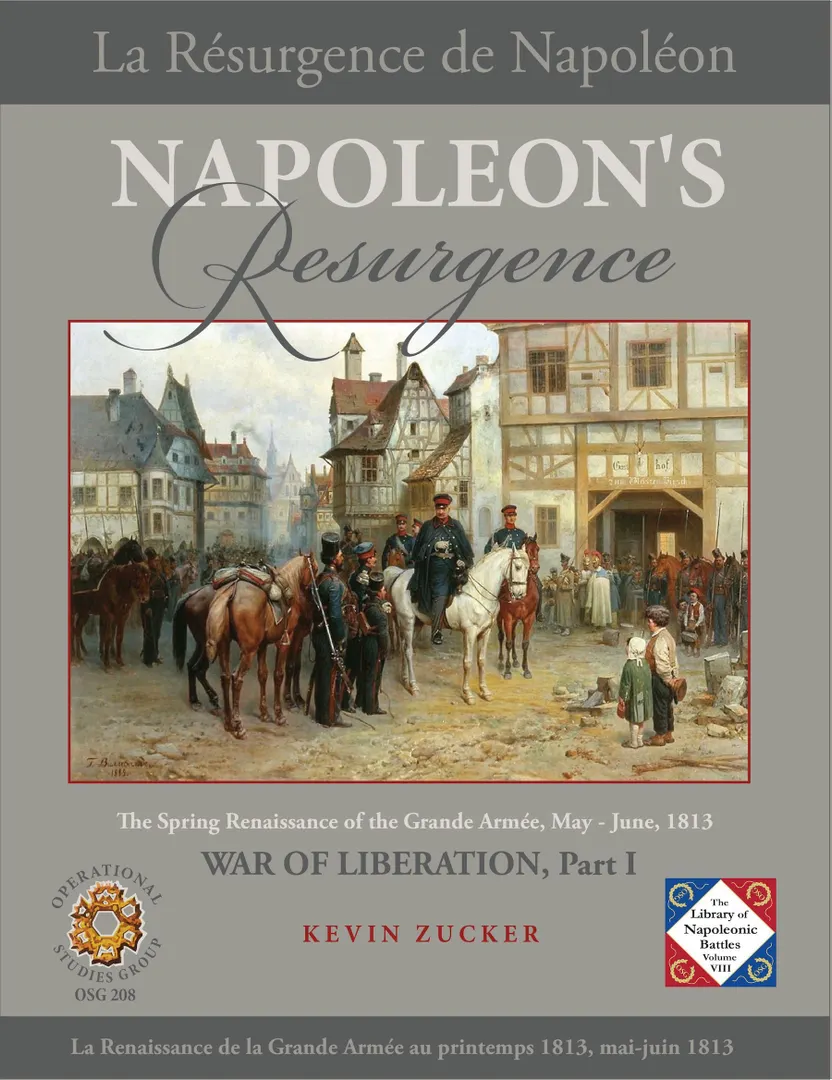
Napoleon Retreats - Campaign in France II Winter 1814: Hope Against Hope After dispatching Blücher’s Army of Silesia at Vauchamps, Napoleon diverted temporarily toward the Seine at Montereau, for an inconclusive brush with Schwarzenberg’s Army of Bohemia. His inveterate foe Blücher apparently had learned no lessons and threatened to move again on Paris. By March 3rd Napoleon was returning northward along the bank of the Ourcq River. The fall of Soissons, cheaply surrendered by General Moreau, saw the quarry escape over the Aisne River to link-up with 43,000 reinforcements near Laon, raising his strength to over 100,000. While the Emperor concentrated between Fismes and Berry au Bac, Blücher continued to retreat on Laon. Reaching Craonne, the Emperor decided to advance along the chemin des dames to test Blücher’s position on the plateau, and clear the flank of his advance on Laon. The next game of the TLNB-Series covers the Campaign in France, Part II: 6 March to 13 March 1814. The major battle was Laon, on 9-10 March, when Napoleon, with 37,000, went up against Blücher's position, on the hill of Laon, with 85,000. (Marshal Marmont with a separate VI Corps was supposed to support the attack, but he was dispersed in a night combat.) Blücher wasn't feeling well and failed to pursue. One more battle was to follow (after two days for R&R) and Napoleon won that battle: Reims, against St. Priest. So actually, he won two out of three. Battles Simulated Craonne, Struggle for the plateau des dames, 7 March The chemin des dames runs the length of a continuous ridge from the N2 to the N44, the two main highways leading north to Laon. Blücher stationed Sacken and Woronzoff’s infantry on the plateau just west of Craonne. Napoleon decided on a frontal attack up the chemin on what he believed to be no more than a 20,000-man rearguard. The Russians begrudgingly gave ground, gaining it back in a counterattack, and throwing Ney off the Plateau. Once the French Guard cavalry had stabilized the situation, the Russian right flank began to give way under combined pressure of infantry and cavalry. Napoleon directed 88 guns from the Guard artillery to destroy the Russian center and sent the Guard infantry to attack along the chemin to complete the victory. The Russians withdrew in good order. Laon, Beginning of the End, 9-10 March Marshal Ney advanced on Laon in the morning snow. Bülow with 17,000 men held the suburbs of Semilly and Ardon. On the plain west of Laon, Winzingerode was posted with 25,000 men; east of Laon at Athies, Yorck and Kleist held another 25,000 men; Langeron and Sacken were in reserve with 36,000; Napoleon attacked with fewer than 40,000. As the southern suburbs traded hands, Blücher thought that he was being attacked just by an advanced guard, but Napoleon threw everything into Ney’s attack up until 6 PM. Marmont commanded a separate force of 10,000 which had managed to fight their way to Athies by 5 PM, camping for the night. At 7:30, the Prussian Yorck launched a combined arms attack that routed Marmont’s entire camp. A small group of French Guardsmen managed to halt the pursuit. Marmont lost 45 guns, all his wagons, and 3,500 men. Blücher lost a chance to destroy his foe’s small army. Reims, A Quick Success en passant, 13 March On March 12th the Russian General St. Priest snatched Reims from its small French garrison. Hearing of this, Napoleon and his small force moved east on the 13th, beginning their attack at 4 PM, quickly driving out the enemy, and cutting communications between Blücher and Schwarzenberg at the same time. Only 10,000 French troops were actually engaged against 15,000 of St. Priest. St. Priest was killed along with 3,000 men while losing 23 guns. Campaign Game, 6 -13 March All three maps fit together to create an irregular playing area 44"x68" and covering an entire week of fighting. • Three 22" x 34" maps • 560 die-cut units • 100 playing cards • Two rulebooks • 15 player aid cards • Game Box STANDARD TLNB-GAME SYSTEM: • scale: 480m (525 yards)/ hex; • strength: 500-800 men/SP; • turn-duration: 1 hour/turn
Napoleon Retreats: Campaign in France, Part II supports 2–4 players according to the catalogue. This range comes from the publisher’s listed player count, so the game can be set up for any group size within it. Some setups, rules and scoring details may still vary by player count, so check your edition’s rulebook for the exact configuration.
The listed playing time for Napoleon Retreats: Campaign in France, Part II is 60 minutes. This is the publisher’s estimate for a full game. The actual duration depends on the group, the player count and familiarity with the rules: first sessions usually run longer, while experienced groups often finish faster. Setup and teaching time are not included in this estimate.
The catalogue lists Napoleon Retreats: Campaign in France, Part II for ages 10 and up. This is the publisher’s recommendation and reflects reading demands, rule complexity and small components rather than theme alone. Younger players can often join with help from an adult, so check the age guidance on your edition and consider your group’s experience with board games.
Napoleon Retreats: Campaign in France, Part II has a complexity rating of 3.0 out of 5 from BoardGameGeek players, which makes it a medium-weight game. The rating reflects how much rules knowledge, planning and decision-making a typical game demands. Expect a longer first teach for heavier games, and use a preparation guide before game night.
Napoleon Retreats: Campaign in France, Part II belongs to these categories: Wargame and Napoleonic. Its main mechanics are Dice Rolling, Hexagon Grid, and Simulation. Categories describe the theme and setting of a game, while mechanics describe what players actually do on their turns. Each mechanic links to a catalogue hub with similar games, which helps when you want something comparable.
The credited designers of Napoleon Retreats: Campaign in France, Part II are: Kevin Zucker. These credits come from the published game data and name the people responsible for the game’s design, not its illustrators or publishers. Designer pages on MeepleRules collect other titles by the same designers, which helps when you enjoy a game and want to find similar ones.
The catalogue lists Napoleon Retreats: Campaign in France, Part II as a base game. It can be played on its own with the components in the box and does not require any other title. Expansions, if any exist, add new content or rules on top of it and are listed separately in the catalogue with a link back to this base game.