- BGG rating
- 7.6
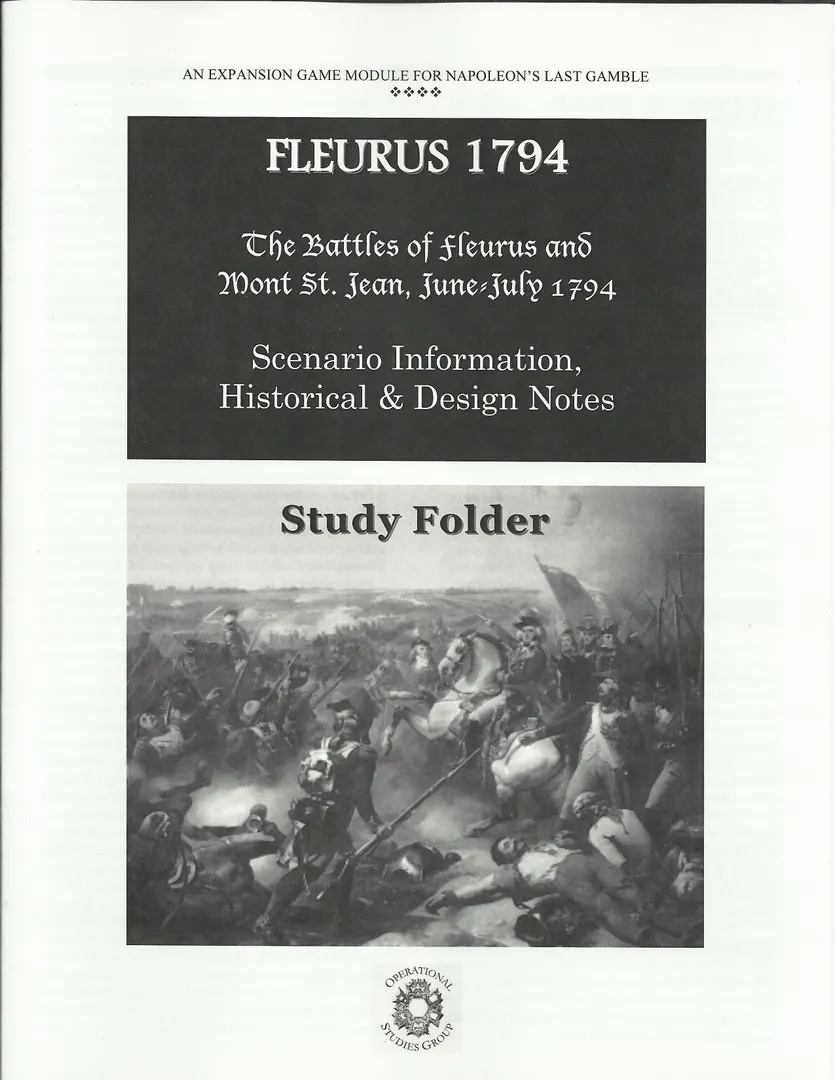
Fleurus 1794: The Battles of Fleurus and Mont St. Jean
- 2–4 players
- Complexity 2.5/5
- 2016

2016
Rules assistance for Napoleon's Last Gamble: Battles of the Hundred Days
Plain-language explanations of turns, card effects and disputed situations, with official source references and saved question history.
For 2 players
What would you like to know?
Answers come from the official rulebook, with the page to check.
Napoleon's Last Gamble: Battles of the Hundred Days is a board game released in 2016 for 2–6 players, 180–1200 minutes per game, and ages 12 and up. It was designed by Kevin Zucker and its main mechanics are Dice Rolling, Grid Movement, and Hexagon Grid.
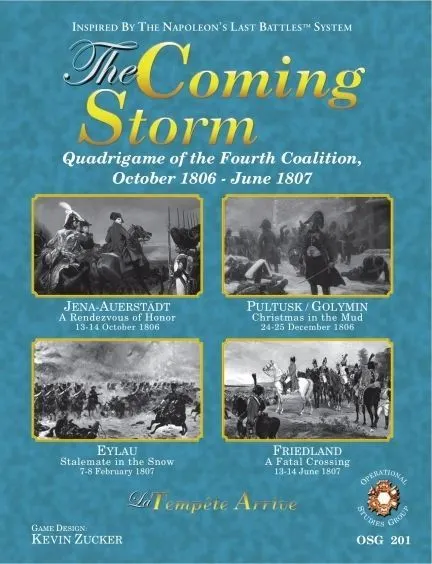
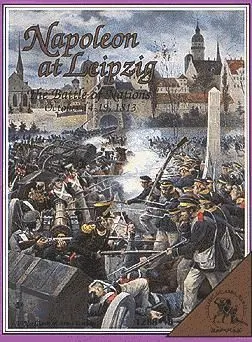









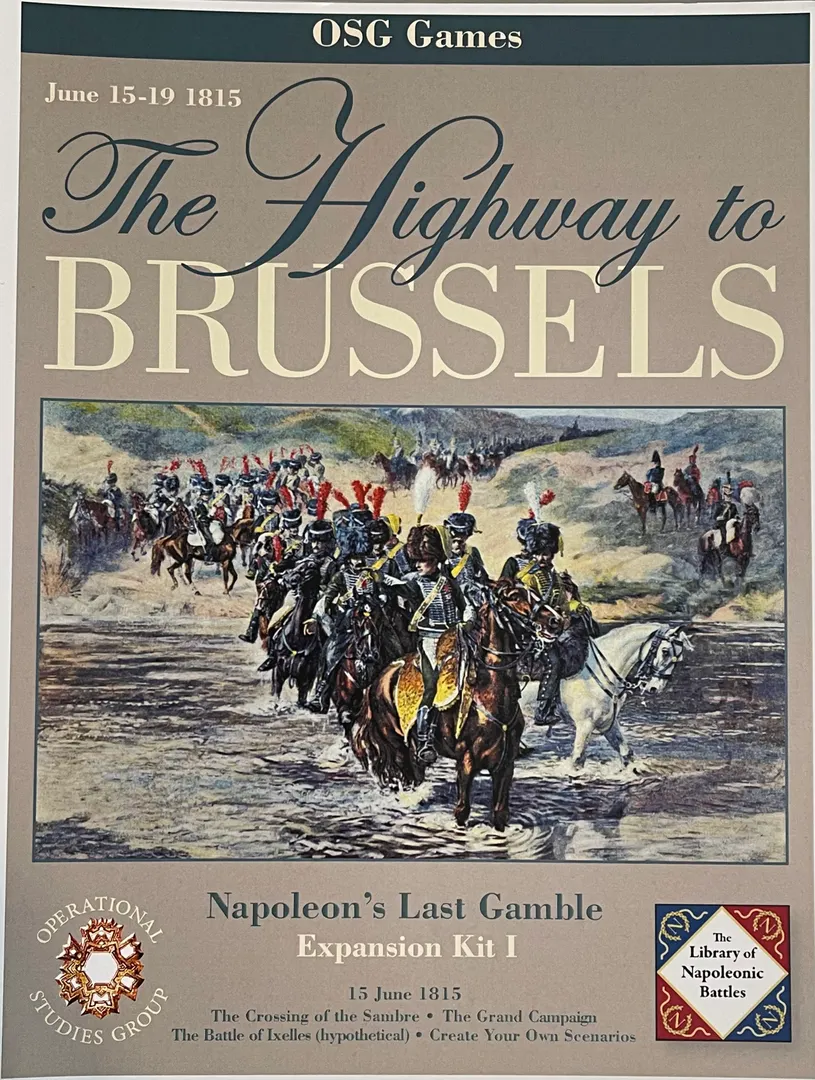
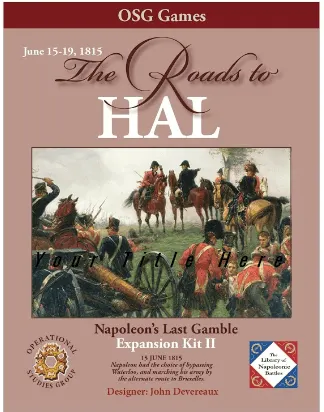
Napoleon’s Last Gamble contains five battles from the Waterloo Campaign, which Napoleon began by seizing the central position between the Prussian and British Armies. On June 15th the Grande Armée was unleashed across the Sambre River. Allied screening forces sent out the warning to headquarters. The Allies executed a forward concentration behind the cover of their screens. As the 16th dawned, troops of both sides still converged on the battlefields. Napoleon's Last Gamble is one of the games from OSG's Series: The Library of Napoleonic Battles (OSG) series. Details on the series are below, as all the games share a common rules set and game system. COMPONENTS Two 22x34" maps One 17x22" map 560 die-cut counter units 100 playing cards two rulebooks 15 Player aid cards covered in a box BATTLES SIMULATED Quatre-Bras, Ney at the Crossroads, 16 June The French attacked on two fronts simultaneously. The tenacious defense of Quatre Bras by the Anglo-Allied troops saved the Prussians from receiving the full weight of the Armée du Nord. Ligny, The Last Victory, 16 June Finally unleashed, the Guard pushed the Prussians back from the Ligny brook. Blücher himself was wounded and separated from headquarters. But Napoleon’s hoped-for knock-out blow remained undelivered. Wavre, Grouchy’s Blunder, 18 June Napoleon separated the two wings of his army, ordering Marshal Grouchy on the track of the Prussians while he pursued Wellington. Grouchy’s prescribed route was wide of the mark, and took him to the outer flank, allowing the Prussians to interpose themselves between the two French wings—Blücher achieved a strategic reversal of the opening. Waterloo, A Near Run Thing, 18 June While Grouchy frittered away time engaging the Prussian rear-guard at Wavre, Ney conducted the mid-phase of the battle like a rear-guard action in the Peninsular Campaign, failing to provide infantry support for his spectacular cavalry charges. Wellington fought a successful defensive battle, managing to cling to his ridge until the arrival of three Prussian corps. The broken French army retreated toward Charleroi; Grouchy’s intact wing moved south-east toward Namur. La Souffel, Rapp’s Last Stand, 28 June Three days after Waterloo, Rapp woke up and began a slow withdrawal from the Rhine, pursued by the vanguard of Schwarzenberg's Army. On June 26 the heavily-outnumbered Rapp skirmished with the Austrian III Corps. Two days later he made a stand along the Souffel River, and the Austrians attacked. DESCRIPTION Series: The Library of Napoleonic Battles (OSG) - formerly known as the Napoleon's Last Battles (NLB) Series: 480 meters per hex, 1 hour per turn, 400-800 men per strength point. Each Approach to Battle game lasts about 22 turns. The Full campaign links the individual battles. (Text mostly from the OSG pages)
Napoleon's Last Gamble: Battles of the Hundred Days supports 2–6 players according to the catalogue. This range comes from the publisher’s listed player count, so the game can be set up for any group size within it. Some setups, rules and scoring details may still vary by player count, so check your edition’s rulebook for the exact configuration.
The listed playing time for Napoleon's Last Gamble: Battles of the Hundred Days is 180–1200 minutes. This is the publisher’s estimate for a full game. The actual duration depends on the group, the player count and familiarity with the rules: first sessions usually run longer, while experienced groups often finish faster. Setup and teaching time are not included in this estimate.
The catalogue lists Napoleon's Last Gamble: Battles of the Hundred Days for ages 12 and up. This is the publisher’s recommendation and reflects reading demands, rule complexity and small components rather than theme alone. Younger players can often join with help from an adult, so check the age guidance on your edition and consider your group’s experience with board games.
Napoleon's Last Gamble: Battles of the Hundred Days has a complexity rating of 2.8 out of 5 from BoardGameGeek players, which makes it a medium-light game. The rating reflects how much rules knowledge, planning and decision-making a typical game demands. Expect a longer first teach for heavier games, and use a preparation guide before game night.
Napoleon's Last Gamble: Battles of the Hundred Days belongs to these categories: Wargame and Napoleonic. Its main mechanics are Dice Rolling, Grid Movement, and Hexagon Grid. Categories describe the theme and setting of a game, while mechanics describe what players actually do on their turns. Each mechanic links to a catalogue hub with similar games, which helps when you want something comparable.
The credited designers of Napoleon's Last Gamble: Battles of the Hundred Days are: Kevin Zucker. These credits come from the published game data and name the people responsible for the game’s design, not its illustrators or publishers. Designer pages on MeepleRules collect other titles by the same designers, which helps when you enjoy a game and want to find similar ones.
The catalogue lists Napoleon's Last Gamble: Battles of the Hundred Days as a base game. It can be played on its own with the components in the box and does not require any other title. Expansions, if any exist, add new content or rules on top of it and are listed separately in the catalogue with a link back to this base game.