
- BGG rank
- BGG #23,375
- BGG rating
- 6.4
Breitenfeld: Enter the Lion of the North
- 2 players
- Complexity 2.2/5
- 2012
2012
Rules assistance for Pavia: Climax of the Italian Wars
Plain-language explanations of turns, card effects and disputed situations, with official source references and saved question history.
For 2 players
What would you like to know?
Answers come from the official rulebook, with the page to check.
Pavia: Climax of the Italian Wars is a board game released in 2012 for 2 players and ages 12 and up. It was designed by Chris Perello and its main mechanics are Hexagon Grid.
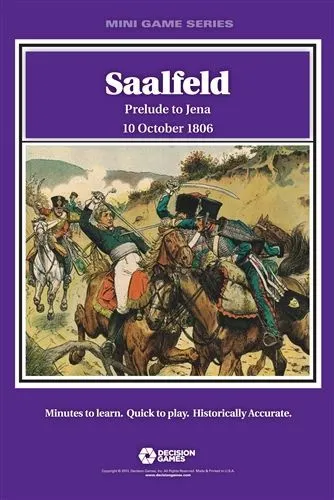
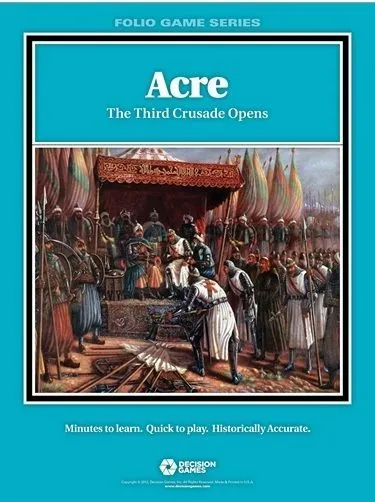
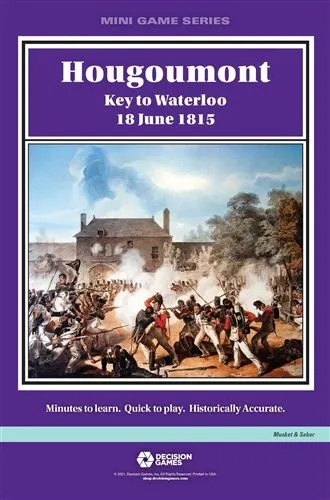
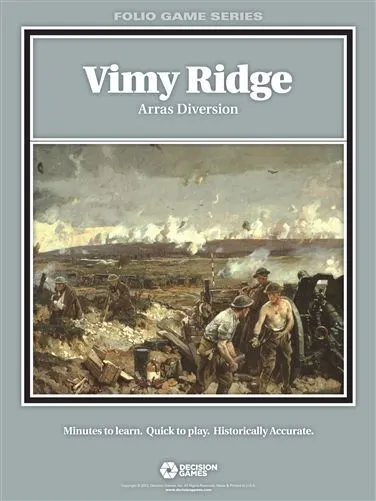
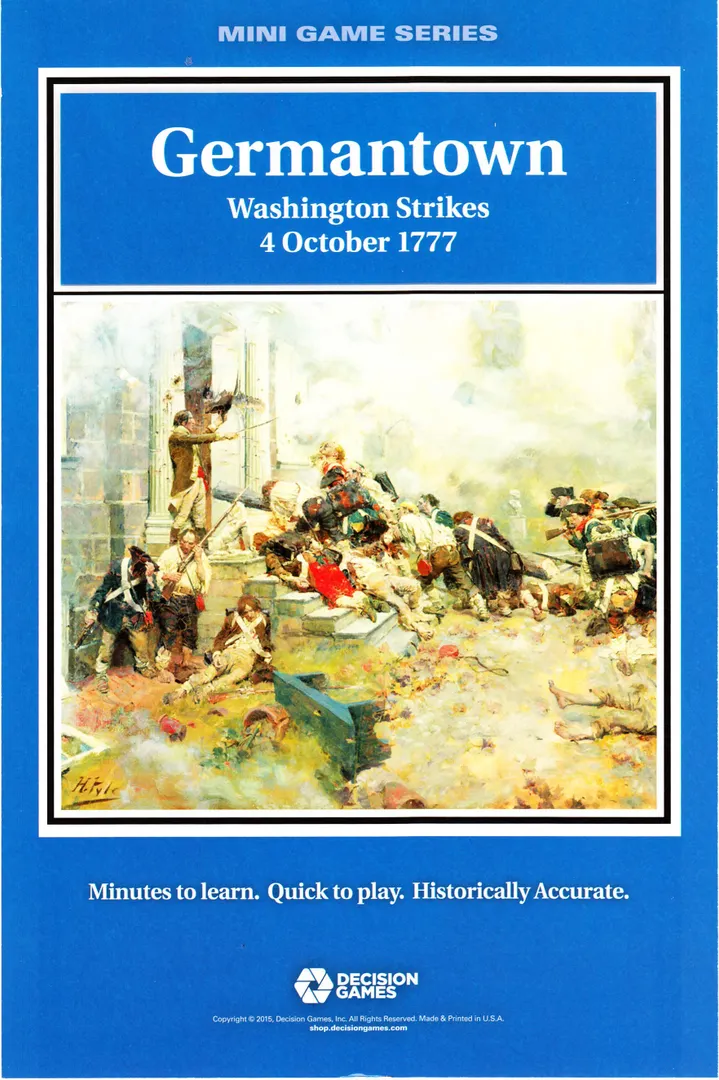
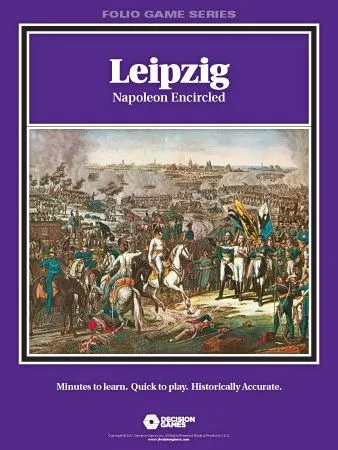
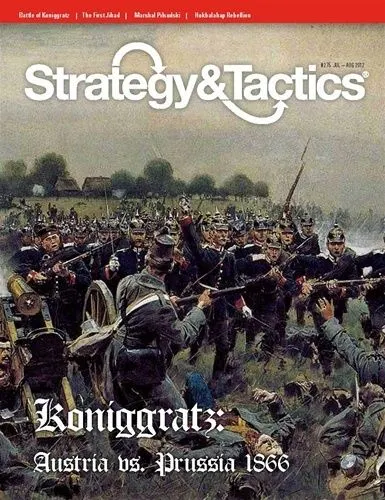
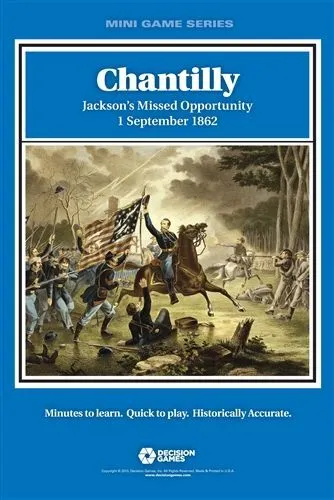
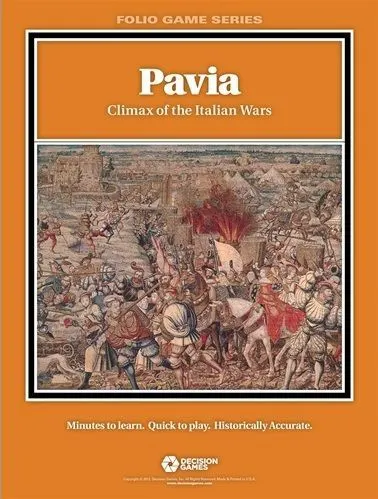
(from Decision games website:) Pavia was the climactic clash of the Italian Wars, a decades-long struggle between Valois France and Habsburg Spain for control of Italy. Both sides have nascent pike-and-shot armies, the French still relying upon feudal knights, and the Spanish increasingly dependent on new individual firearms. Both sides also relied on mercenaries: Italian musketeers, Swiss pikemen, German Landsknechts. Tercios, too, are in their infancy; at Pavia, the battle is fought by smaller formations maneuvering in a broken, wooded area. Pavia uses the new Pike & Shot game system to portray the battlefields of the early gunpowder period. Infantry is based on pike formations with varying numbers of attached musketeers. Other musketeers operate independently, useful for skirmishing but vulnerable to both infantry and cavalry. Shock power comes from heavy cavalry, armored horsemen armed with pistol and sword, but relying increasingly on firepower to wear down opponents. Light cavalry roam the battlefield, too weak to stand up to their heavy cousins, but ruthless during a pursuit. The newest form of horsemen are the dragoons, men trained to fight mounted and on foot, ideal for seizing key points in advance of the main body. Artillery is still in its infancy; the large, powerful guns are all-but-immobile. However, different armies at different times experiment with lighter, more mobile weapons. Game Contents: • 17 x 22” map • 100 die-cut counters • One Standard Rules booklet for this series • One Exclusive Rules booklet for this title
Pavia: Climax of the Italian Wars supports 2 players according to the catalogue. This is the publisher’s listed player count, so the game is designed for exactly that number of participants. Variants for other group sizes, if any, are described in the rulebook of your edition, so check it before setting up a different configuration.
The catalogue lists Pavia: Climax of the Italian Wars for ages 12 and up. This is the publisher’s recommendation and reflects reading demands, rule complexity and small components rather than theme alone. Younger players can often join with help from an adult, so check the age guidance on your edition and consider your group’s experience with board games.
Pavia: Climax of the Italian Wars has a complexity rating of 2.0 out of 5 from BoardGameGeek players, which makes it a medium-light game. The rating reflects how much rules knowledge, planning and decision-making a typical game demands. Expect a longer first teach for heavier games, and use a preparation guide before game night.
Pavia: Climax of the Italian Wars belongs to these categories: Wargame and Pike and Shot. Its main mechanics are Hexagon Grid. Categories describe the theme and setting of a game, while mechanics describe what players actually do on their turns. Each mechanic links to a catalogue hub with similar games, which helps when you want something comparable.
The credited designers of Pavia: Climax of the Italian Wars are: Chris Perello. These credits come from the published game data and name the people responsible for the game’s design, not its illustrators or publishers. Designer pages on MeepleRules collect other titles by the same designers, which helps when you enjoy a game and want to find similar ones.
The catalogue lists Pavia: Climax of the Italian Wars as a base game. It can be played on its own with the components in the box and does not require any other title. Expansions, if any exist, add new content or rules on top of it and are listed separately in the catalogue with a link back to this base game.