
- BGG rank
- BGG #13,135
- BGG rating
- 8.8
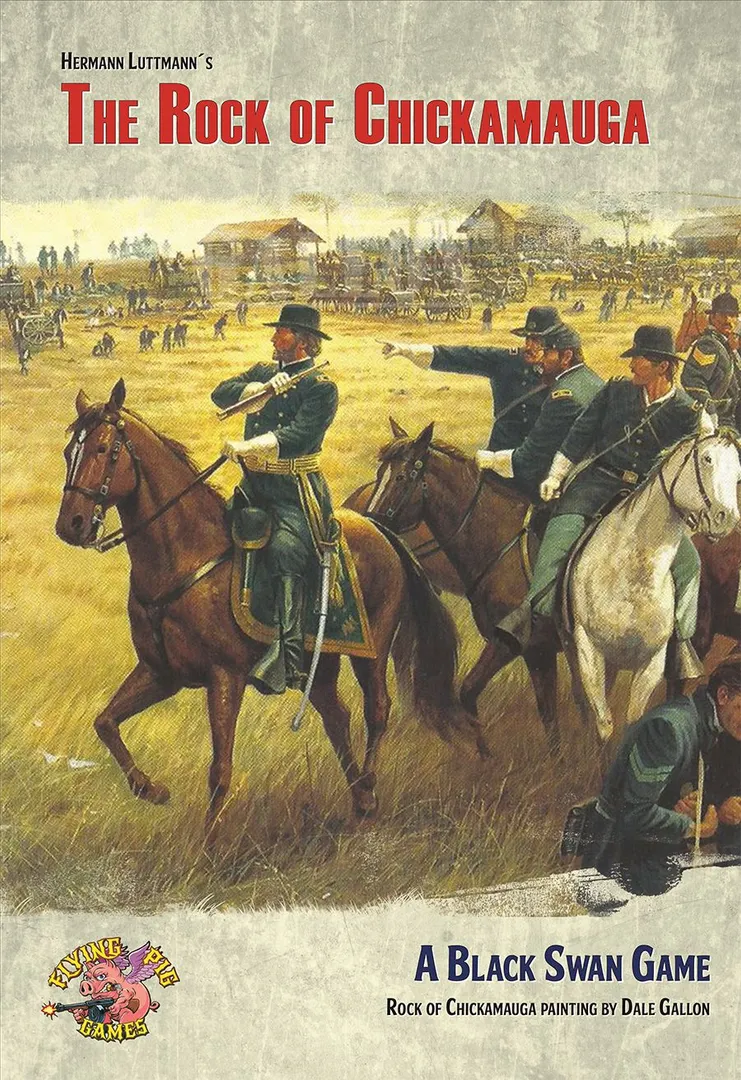
The Rock of Chickamauga
- 2 players
- Complexity 2.8/5
- 2025
2017
Rules assistance for Race to the Sea 1914
Plain-language explanations of turns, card effects and disputed situations, with official source references and saved question history.
For 2 players
What would you like to know?
Answers come from the official rulebook, with the page to check.
Race to the Sea 1914 is a board game released in 2017 for 2 players, 90–180 minutes per game, and ages 11 and up. It was designed by Hermann Luttmann and its main mechanics are Grid Movement, Hexagon Grid, and Simulation.






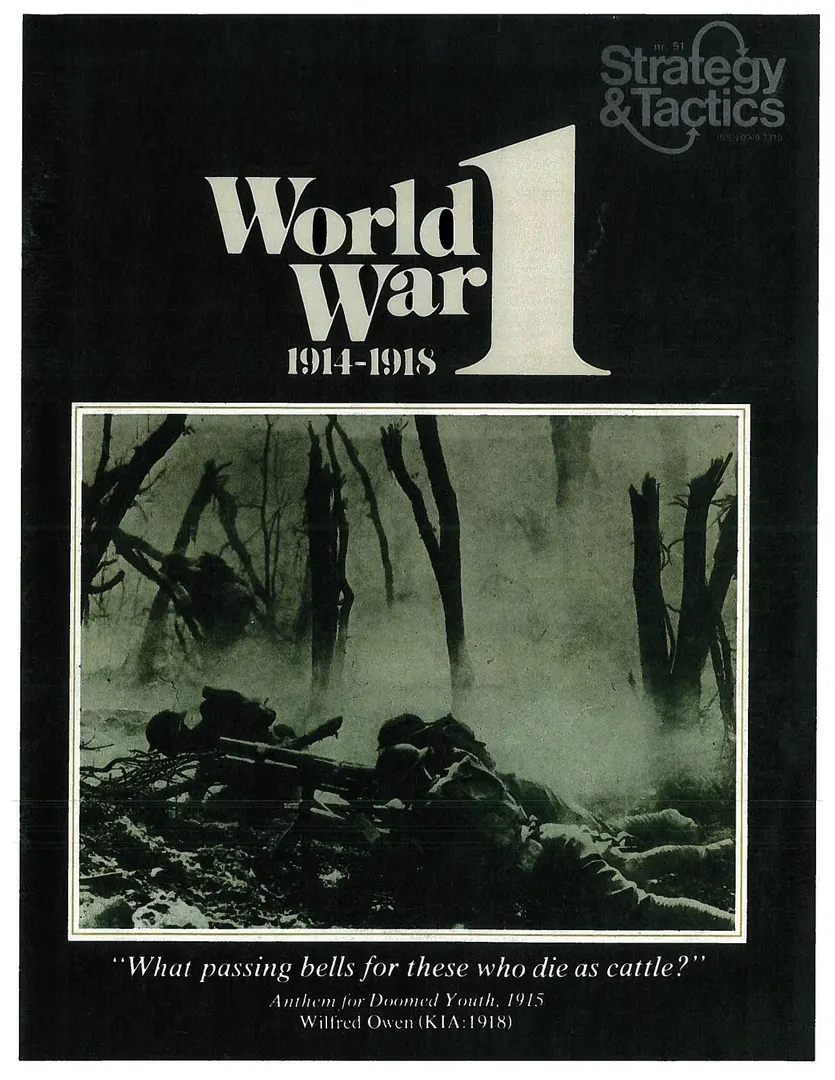


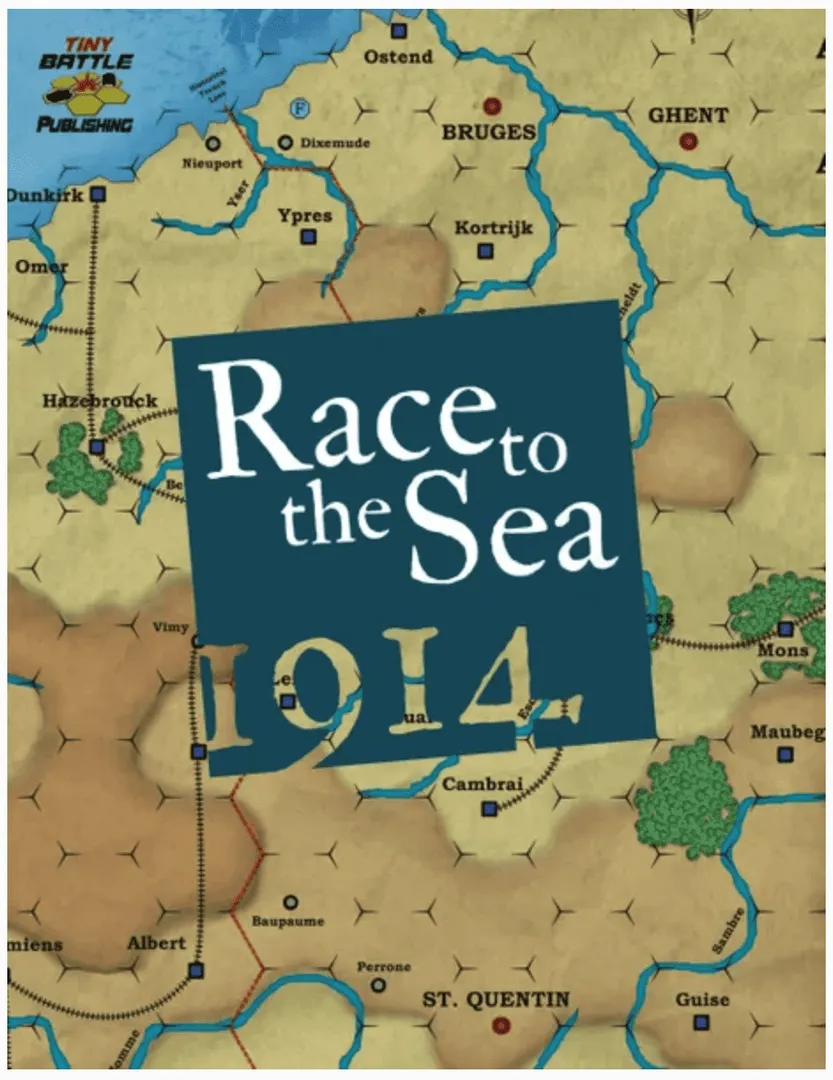
"Race to the Sea 1914" is the feature magazine wargame included in Yaah! #8 by Flying Pig Games. After the Battle of the Marne was won by the Allied armies in early September 1914, the Germans withdrew to a formidable position north of the Aisne River and entrenched themselves on the high ground. Numerous French efforts to dislodge them failed and the two great hosts stared at each other from their respective trenches. German General Erich von Falkenhayn and French Marshal Joseph Joffre realized that there was much open, exploitable territory to the north of these solidified lines and each prepared to maneuver around the flanks of his opponent. These mutual and simultaneous flanking moves resulted in a series of headlong battles that gradually shifted the forces north toward the French Channel coast. These maneuverings yielded a series of encounter battles at Picardy, Albert, Artois, La Bassee and along the Yser River. But these engagements were ultimately indecisive and the campaign’s final stage was set for the dramatic clash at the end of the “race”, at the ancient textile city of Ypres. The “Race to the Sea” campaign was the last mobile campaign on the western front of the First World War – a last chance for victory. It was a final push to get “home before the leaves fall”. But the resulting murderous battles – culminating in the infamous “Kindermord von Ypern” (the Massacre of the Innocents at Ypres) – were so bloody and indecisive that their effects instead directly lead to the creation of the Western Front trench lines and to a continuation of a war that seemed would never end. The game system is based on the same system used in the game Dead Reckoning by Tiny Battle Publishing. There are no dice, no CRT's, no lists of modifiers and no combat factors. A card-based combat resolution and initiative bidding system drives the action, along with a random event table that provides variety, WWI theme and campaign-specific events. The game includes: One 12" x 18" map 88 counters 36 cards (12 Initiative and 24 Combat Results)
Race to the Sea 1914 supports 2 players according to the catalogue. This is the publisher’s listed player count, so the game is designed for exactly that number of participants. Variants for other group sizes, if any, are described in the rulebook of your edition, so check it before setting up a different configuration.
The listed playing time for Race to the Sea 1914 is 90–180 minutes. This is the publisher’s estimate for a full game. The actual duration depends on the group, the player count and familiarity with the rules: first sessions usually run longer, while experienced groups often finish faster. Setup and teaching time are not included in this estimate.
The catalogue lists Race to the Sea 1914 for ages 11 and up. This is the publisher’s recommendation and reflects reading demands, rule complexity and small components rather than theme alone. Younger players can often join with help from an adult, so check the age guidance on your edition and consider your group’s experience with board games.
Race to the Sea 1914 has a complexity rating of 2.3 out of 5 from BoardGameGeek players, which makes it a medium-light game. The rating reflects how much rules knowledge, planning and decision-making a typical game demands. Expect a longer first teach for heavier games, and use a preparation guide before game night.
Race to the Sea 1914 belongs to these categories: Wargame and World War I. Its main mechanics are Grid Movement, Hexagon Grid, and Simulation. Categories describe the theme and setting of a game, while mechanics describe what players actually do on their turns. Each mechanic links to a catalogue hub with similar games, which helps when you want something comparable.
The credited designers of Race to the Sea 1914 are: Hermann Luttmann. These credits come from the published game data and name the people responsible for the game’s design, not its illustrators or publishers. Designer pages on MeepleRules collect other titles by the same designers, which helps when you enjoy a game and want to find similar ones.
The catalogue lists Race to the Sea 1914 as a base game. It can be played on its own with the components in the box and does not require any other title. Expansions, if any exist, add new content or rules on top of it and are listed separately in the catalogue with a link back to this base game.