
- BGG rank
- BGG #7,216
- BGG rating
- 8.3
SAGA Rulebook (2nd Edition)
- 2–6 players
- 40–320 min
- Complexity 2.6/5
- 2018
Rules assistance for Shieldwall
Plain-language explanations of turns, card effects and disputed situations, with official source references and saved question history.
What would you like to know?
Answers come from the official rulebook, with the page to check.
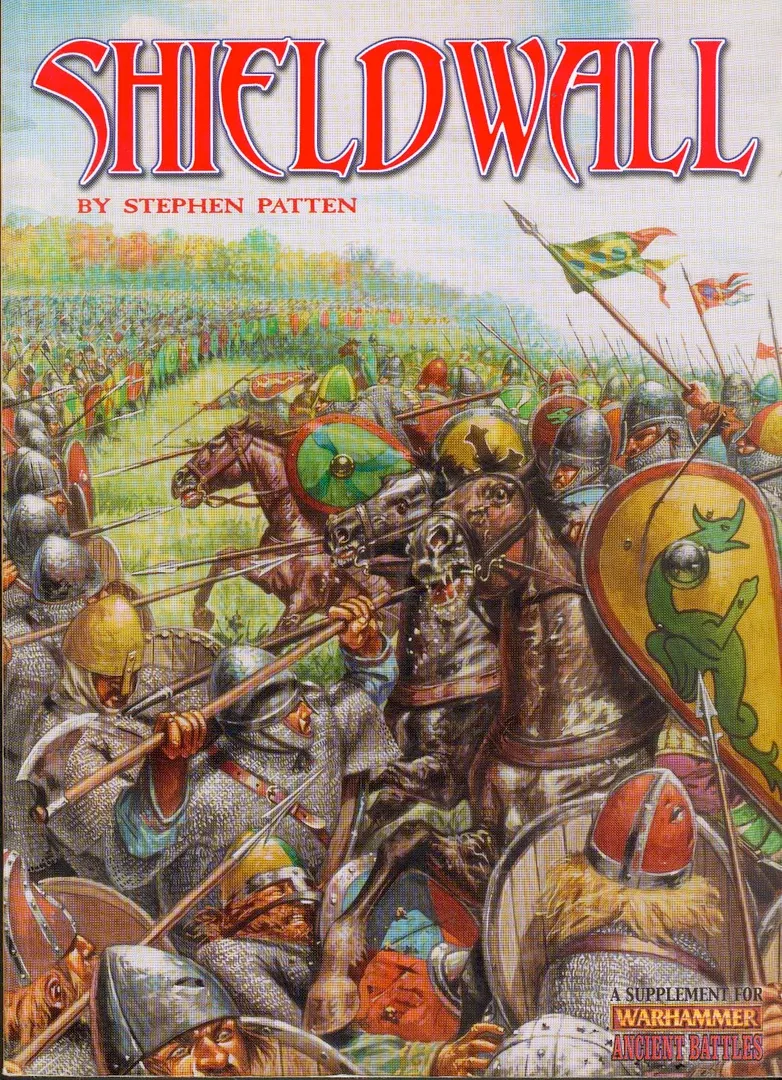
Shieldwall is an expansion for Warhammer Ancient Battles released in 2002 for 2 players, 120 minutes per game, and ages 12 and up. It was designed by Stephen Patten and its main mechanics are Variable Player Powers, Dice Rolling, and Simulation.

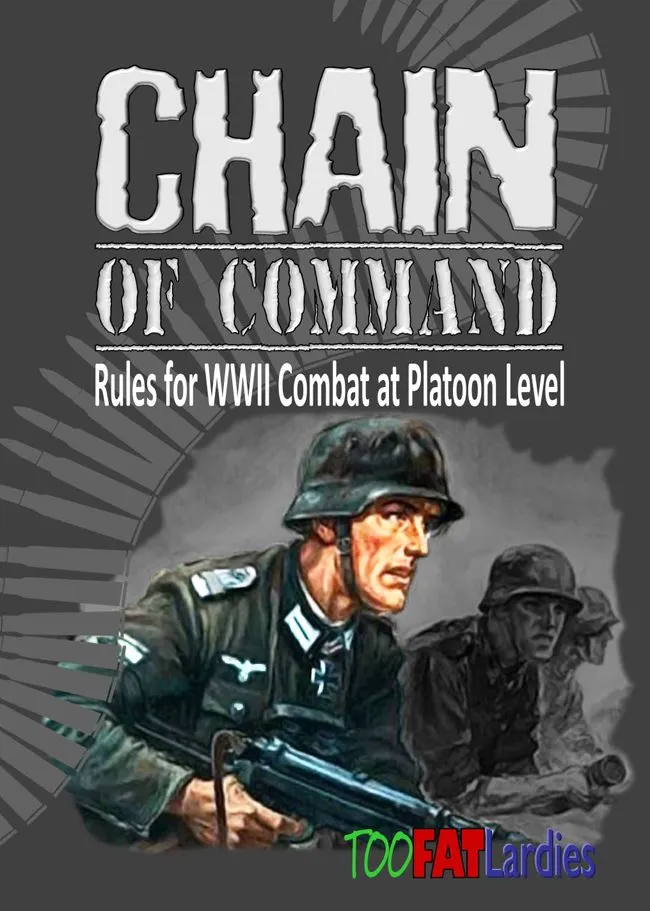
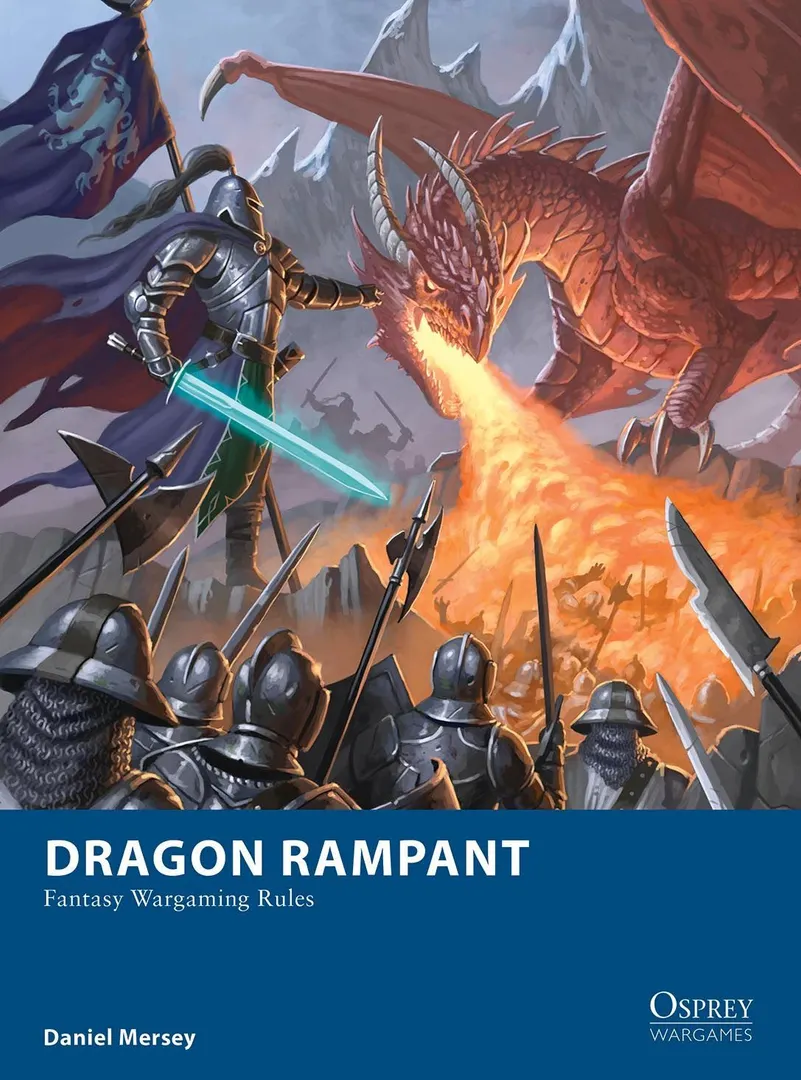
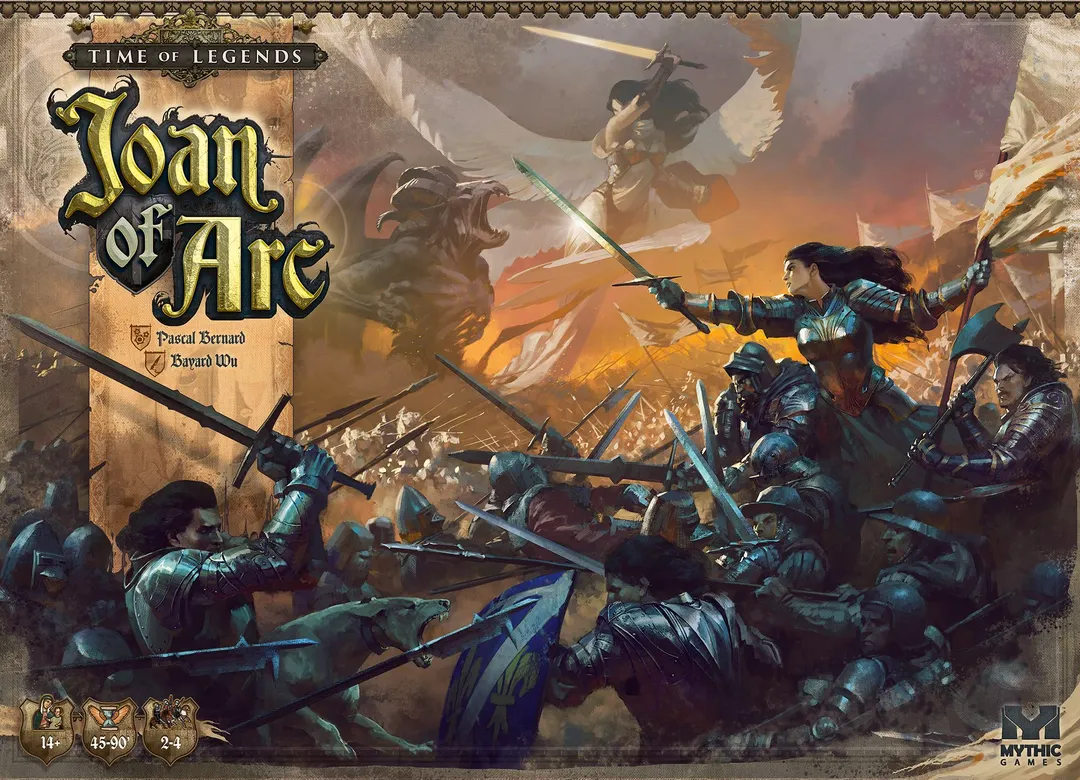
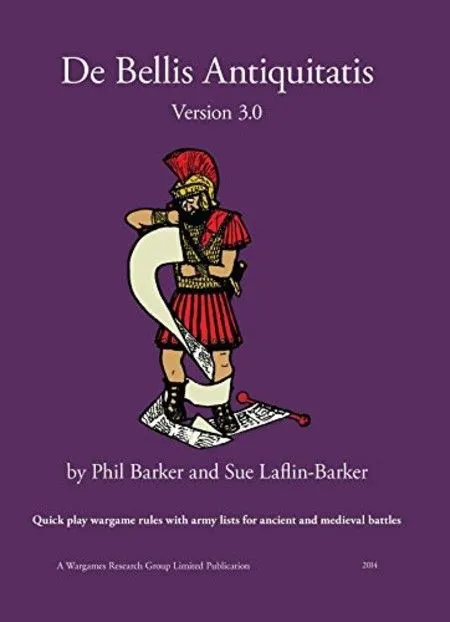
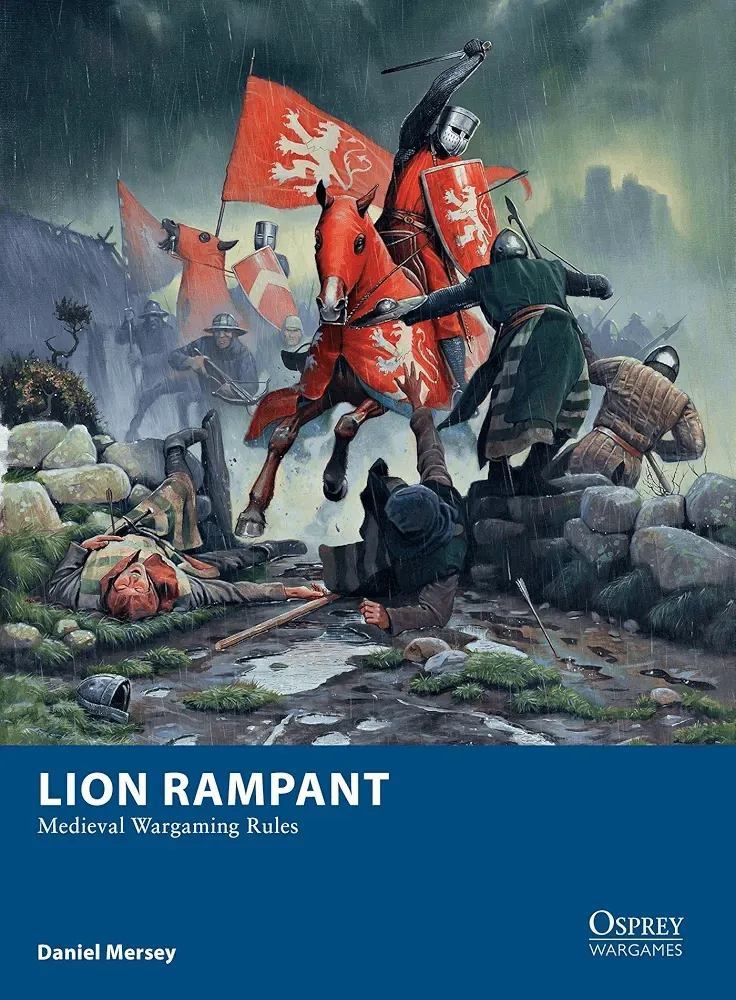
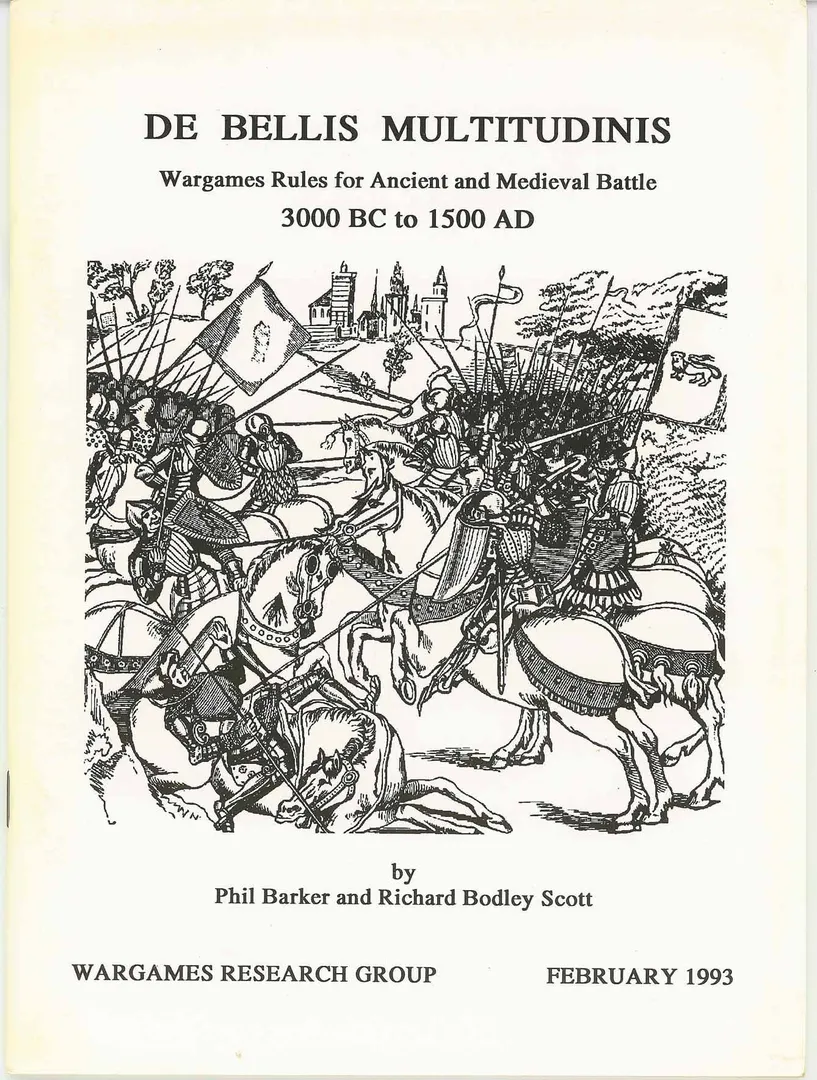
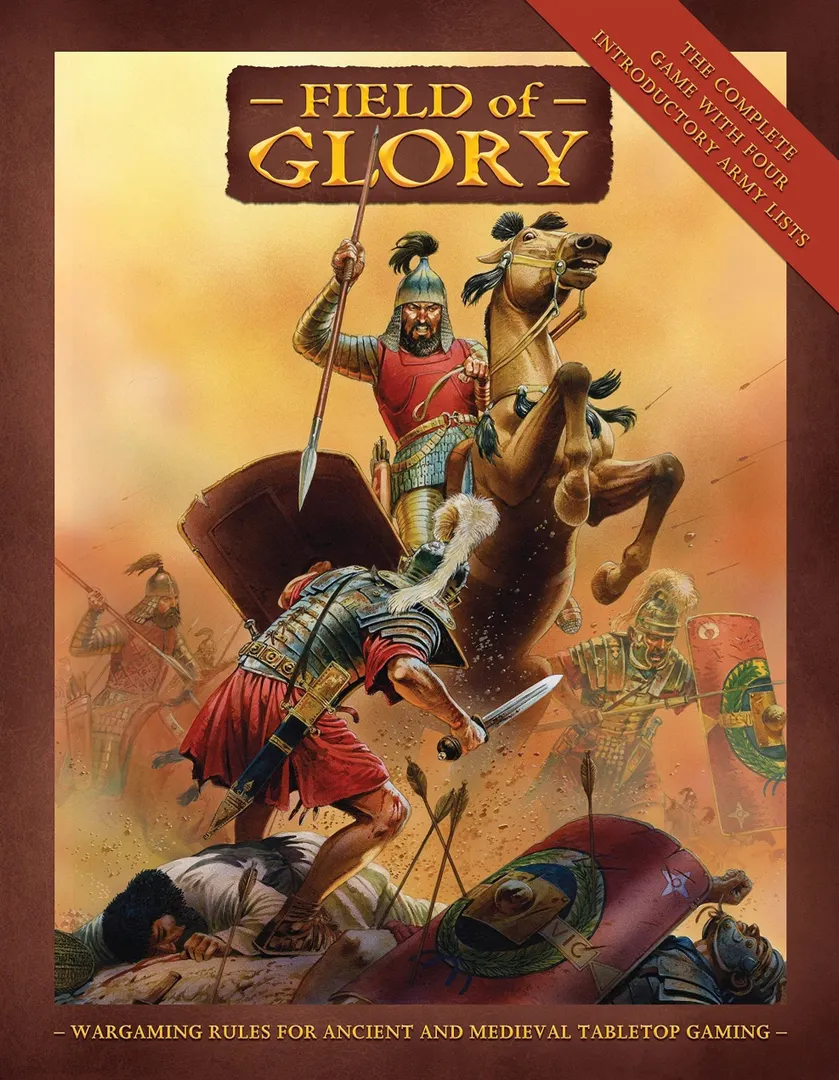
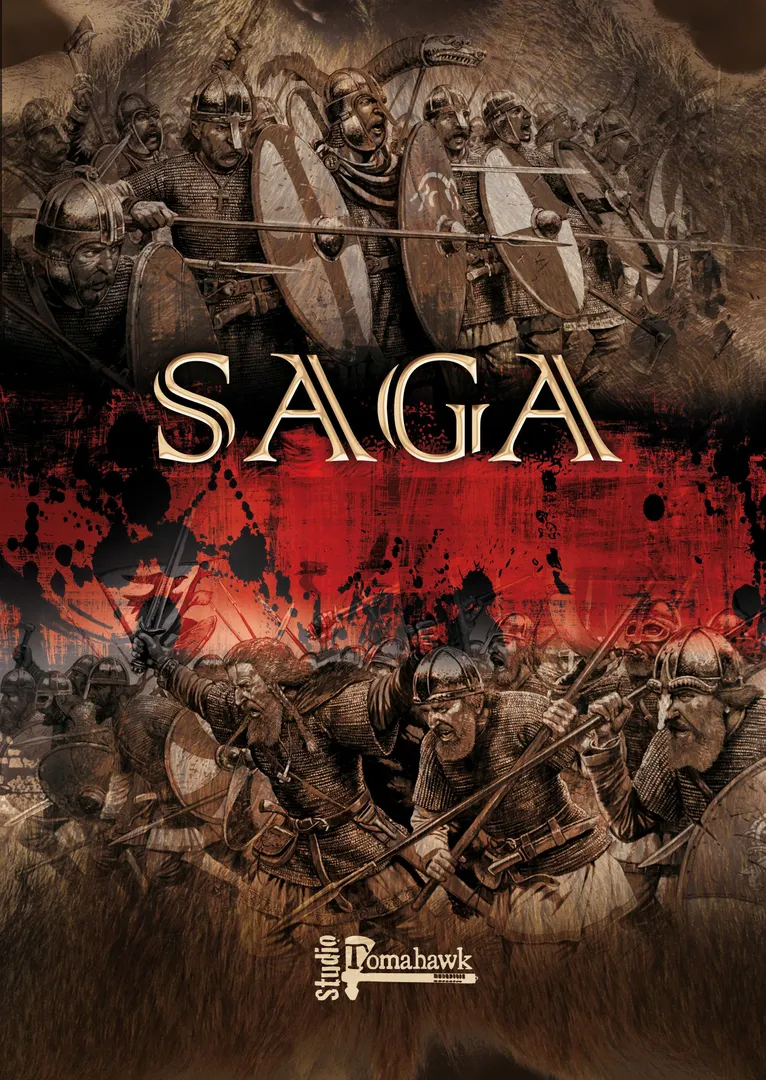
Expands Warhammer Ancient Battles Shieldwall - Warfare in the Viking Age, 790 to 1085 AD, is a 96-page sourcebook for Warhammer Ancient Battles. It contains a historical background and chronology outlining the important events as well as 28 detailed regional army lists for the Viking Age including: Armies of the Norsemen Including the Viking armies of the Danish, Norwegians and Hiberno Norse. Armies of the English Including the Saxon armies of Wessex, Mercia, and Anglia. Armies of the Caledonians Including the Scots and the Picts. Armies of the Welsh Including Gwynedd and Powys. Armies of the Irish Including Munster, Leinster and Ulster. Armies of the Western Franks Including the armies of the Carolingian French and Duchy of Normandy. Hire mercenaries from the Dogs of War list to compliment your army Including the Gall Gaedhil - the Sons of Death and mercenary Sergeants from Italy or Northern Spain. Shieldwall also contains a set of new scenarios and a narrative campaign system to re-fight the warfare typical of the Viking Age, as well as detailed notes on wargaming tactics, and collecting and painting the armies of the Viking Age.
Shieldwall supports 2 players according to the catalogue. This is the publisher’s listed player count, so the game is designed for exactly that number of participants. Variants for other group sizes, if any, are described in the rulebook of your edition, so check it before setting up a different configuration.
The listed playing time for Shieldwall is 120 minutes. This is the publisher’s estimate for a full game. The actual duration depends on the group, the player count and familiarity with the rules: first sessions usually run longer, while experienced groups often finish faster. Setup and teaching time are not included in this estimate.
The catalogue lists Shieldwall for ages 12 and up. This is the publisher’s recommendation and reflects reading demands, rule complexity and small components rather than theme alone. Younger players can often join with help from an adult, so check the age guidance on your edition and consider your group’s experience with board games.
Shieldwall has a complexity rating of 1.5 out of 5 from BoardGameGeek players, which makes it a light game. The rating reflects how much rules knowledge, planning and decision-making a typical game demands. Expect a longer first teach for heavier games, and use a preparation guide before game night.
Shieldwall belongs to these categories: Wargame, Miniatures, and Medieval. Its main mechanics are Variable Player Powers, Dice Rolling, and Simulation. Categories describe the theme and setting of a game, while mechanics describe what players actually do on their turns. Each mechanic links to a catalogue hub with similar games, which helps when you want something comparable.
The credited designers of Shieldwall are: Stephen Patten. These credits come from the published game data and name the people responsible for the game’s design, not its illustrators or publishers. Designer pages on MeepleRules collect other titles by the same designers, which helps when you enjoy a game and want to find similar ones.
The catalogue lists Shieldwall as an expansion for Warhammer Ancient Battles. Expansions add new content, rules or scenarios to the base game and usually cannot be played on their own, so you need Warhammer Ancient Battles to use it. Check that your edition of Warhammer Ancient Battles is compatible, as some expansions were revised between editions.