
- BGG rank
- BGG #4,947
- BGG rating
- 8.5
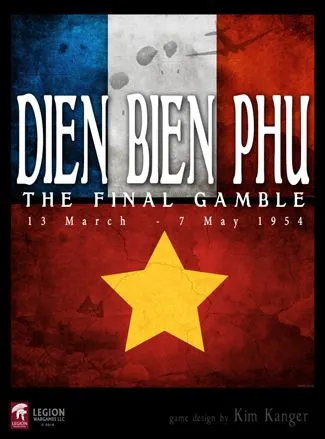
Dien Bien Phu: The Final Gamble
- 1–2 players
- 360–1440 min
- Complexity 3.0/5
- 2014
2012
Rules assistance for Tonkin: The First Indochina War (Second Edition)
Plain-language explanations of turns, card effects and disputed situations, with official source references and saved question history.
For 2 players
What would you like to know?
Answers come from the official rulebook, with the page to check.
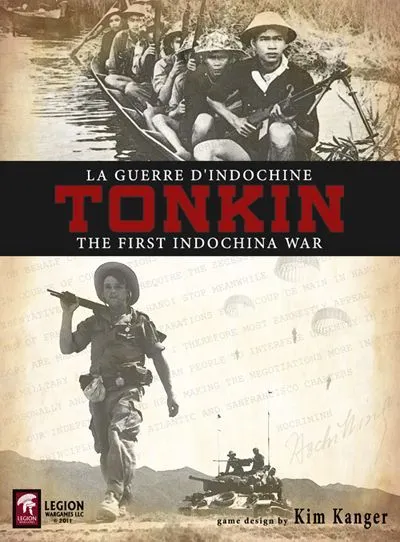
Tonkin: The First Indochina War (Second Edition) is a board game released in 2012 for 2 players and 240–1800 minutes per game. It was designed by Kim Kanger and its main mechanics are Dice Rolling, Hexagon Grid, and Action Points.


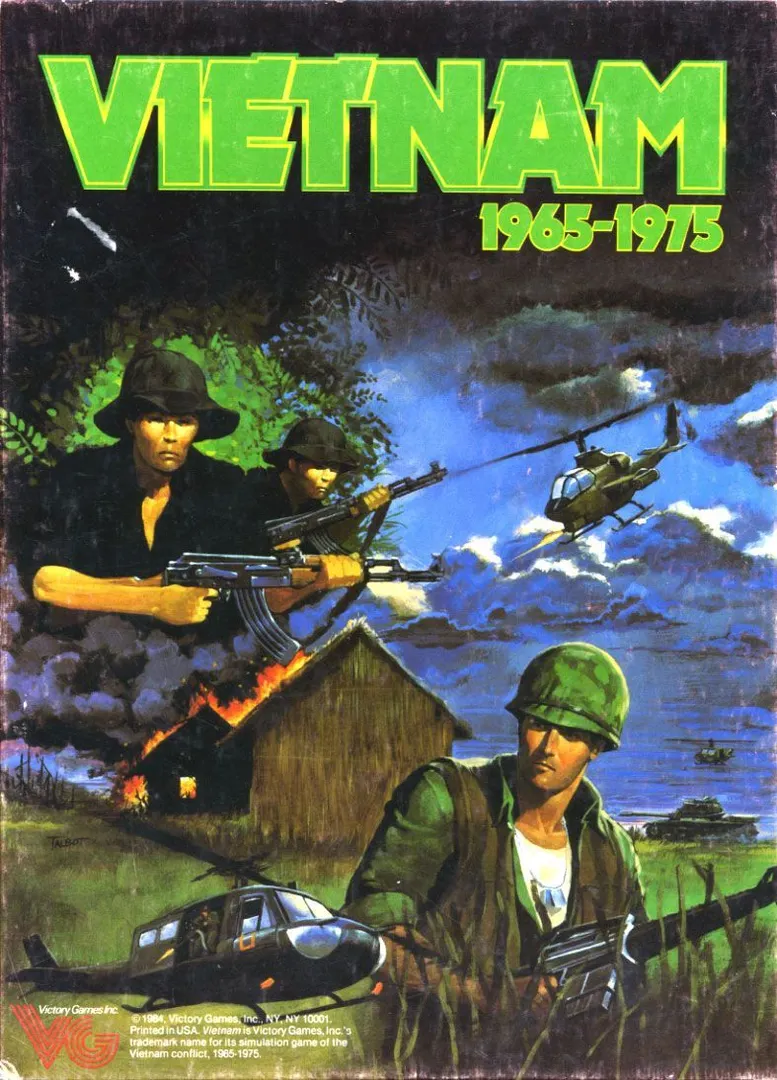

(from Legion wargames website:) Tonkin is a two player wargame that covers the crucial period of the French-Indochina War fought between the Viet Minh and France from 1946 to 1954. The game focuses on the intensive years from 1950 to 1954 in the northern part of Vietnam, called Tonkin, and Laos. It is a game of high interactive play where both players have a set of ten operation points and a number of supply dumps. By spending operations points you will be able to perform different, mostly non-combat, actions. By expending a supply dump you will also be allowed to perform combat missions. But there will be a limited number of supply dumps to expend and they will also be needed to keep units in supply. When you spend operation points you will only be allowed to spend one, two or three points in a row before it is your opponents turn to spend his. This creates a game where you, in the long term, will have to plan and save supply and at the same time be prepared to react to your opponent's actions. In the short term you will be forced to make decisions based upon the number of operation points you have been given to spend in a row and the missions you need to accomplish. Contents: 22" x 34" map 352 each .6" Game Counters 24 pages rulebook 4 ea. 8 1/2" x 11" Charts 3 ea. 8 1/2" x 11" Information 5 Scenarios + Campaign Game Map Scale: 12.5 miles per hex Unit Size: Regiments / Battalions Time Scale: 1 month per turn
Tonkin: The First Indochina War (Second Edition) supports 2 players according to the catalogue. This is the publisher’s listed player count, so the game is designed for exactly that number of participants. Variants for other group sizes, if any, are described in the rulebook of your edition, so check it before setting up a different configuration.
The listed playing time for Tonkin: The First Indochina War (Second Edition) is 240–1800 minutes. This is the publisher’s estimate for a full game. The actual duration depends on the group, the player count and familiarity with the rules: first sessions usually run longer, while experienced groups often finish faster. Setup and teaching time are not included in this estimate.
Tonkin: The First Indochina War (Second Edition) has a complexity rating of 3.3 out of 5 from BoardGameGeek players, which makes it a medium-weight game. The rating reflects how much rules knowledge, planning and decision-making a typical game demands. Expect a longer first teach for heavier games, and use a preparation guide before game night.
Tonkin: The First Indochina War (Second Edition) belongs to these categories: Wargame, Modern Warfare, and Civil War. Its main mechanics are Dice Rolling, Hexagon Grid, and Action Points. Categories describe the theme and setting of a game, while mechanics describe what players actually do on their turns. Each mechanic links to a catalogue hub with similar games, which helps when you want something comparable.
The credited designers of Tonkin: The First Indochina War (Second Edition) are: Kim Kanger. These credits come from the published game data and name the people responsible for the game’s design, not its illustrators or publishers. Designer pages on MeepleRules collect other titles by the same designers, which helps when you enjoy a game and want to find similar ones.
The catalogue lists Tonkin: The First Indochina War (Second Edition) as a base game. It can be played on its own with the components in the box and does not require any other title. Expansions, if any exist, add new content or rules on top of it and are listed separately in the catalogue with a link back to this base game.