
- BGG rank
- BGG #6,242
- BGG rating
- 7.5
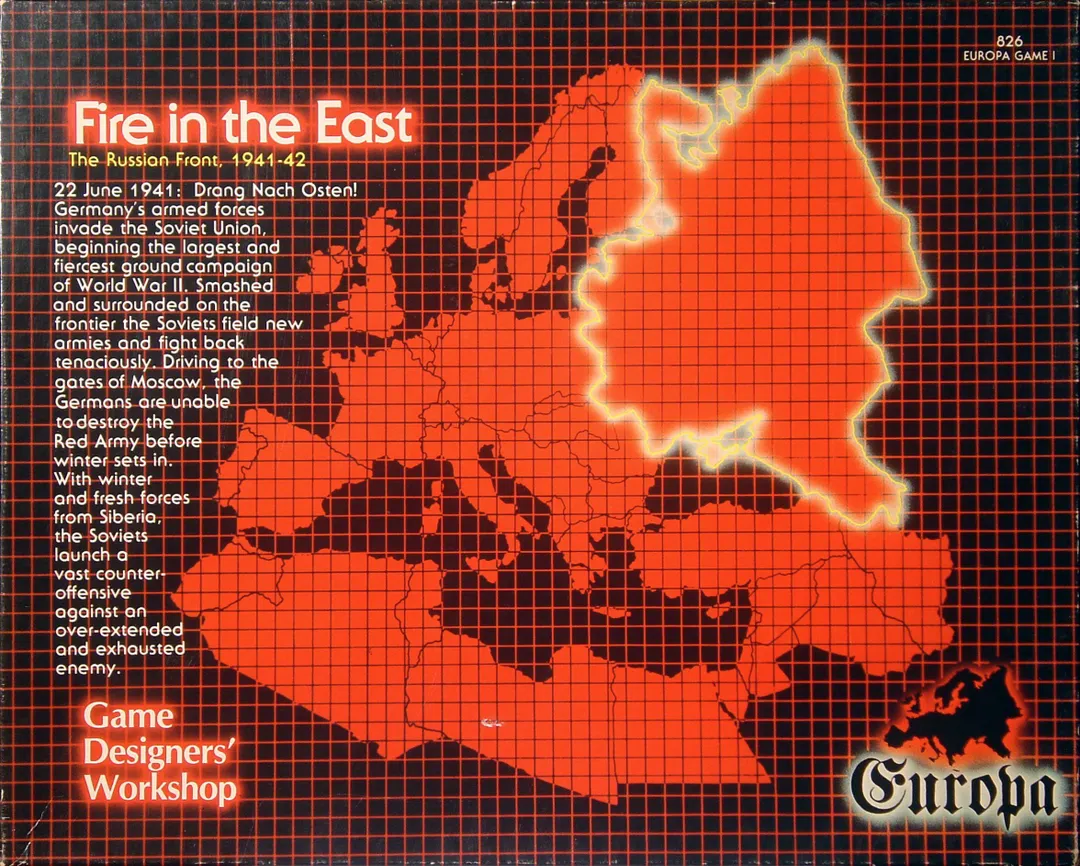
Fire in the East
- 2–4 players
- 3000 min
- Complexity 4.3/5
- 1984
1985
Rules assistance for Torch
Plain-language explanations of turns, card effects and disputed situations, with official source references and saved question history.
For 2 players
What would you like to know?
Answers come from the official rulebook, with the page to check.
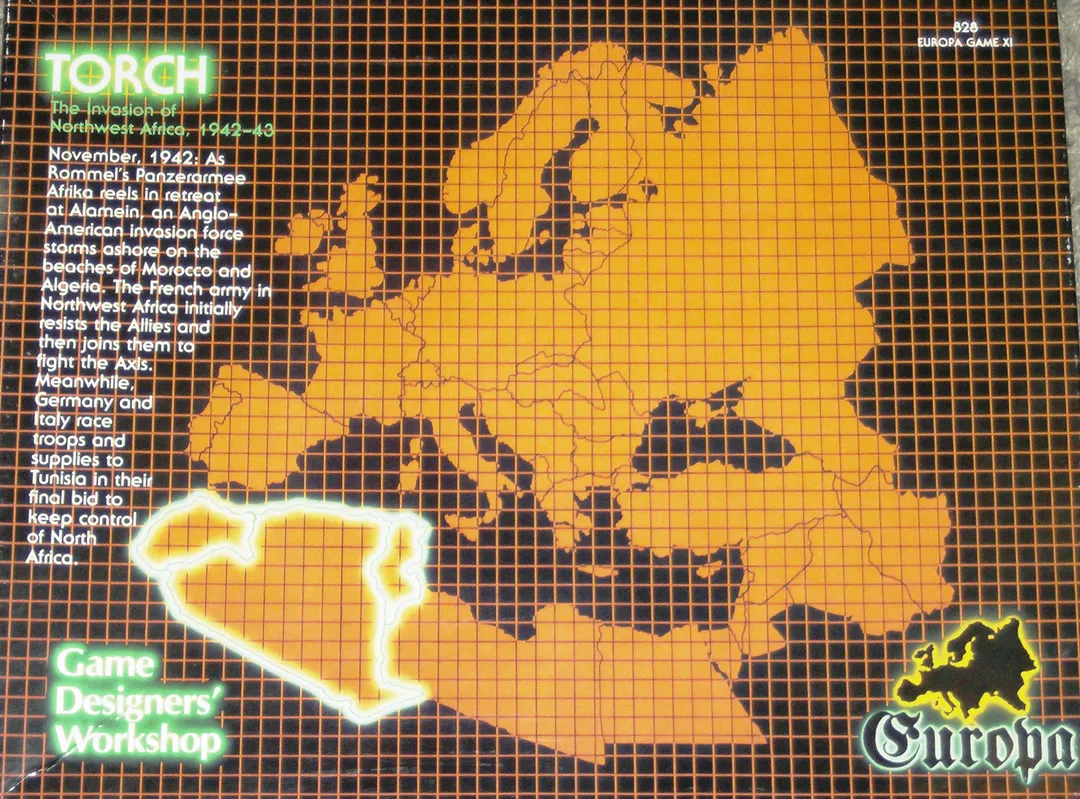
Torch is a board game released in 1985 for 2 players and 240–360 minutes per game. It was designed by John Astell and its main mechanics are Dice Rolling, Hexagon Grid, and Simulation.
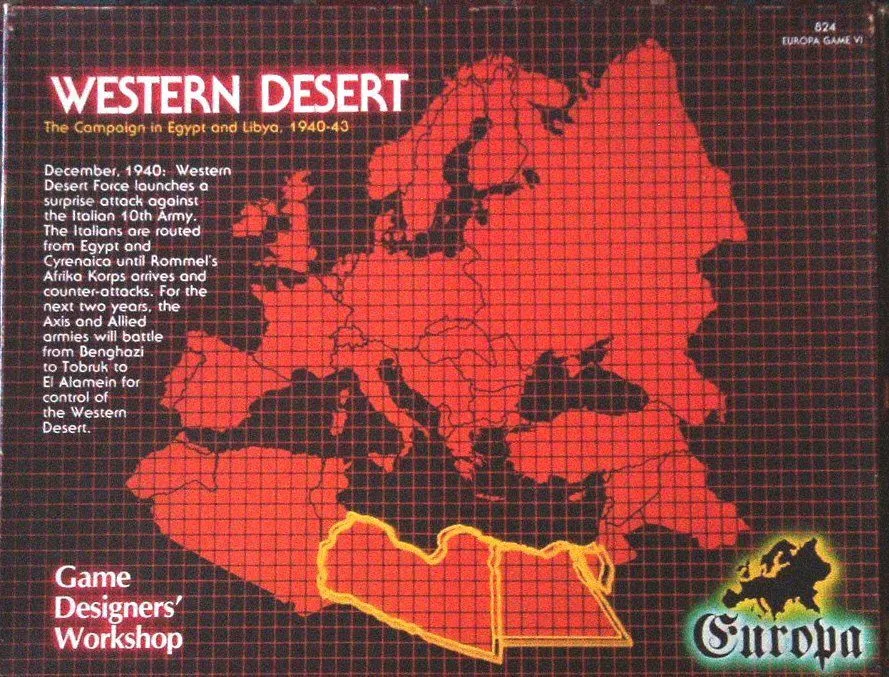
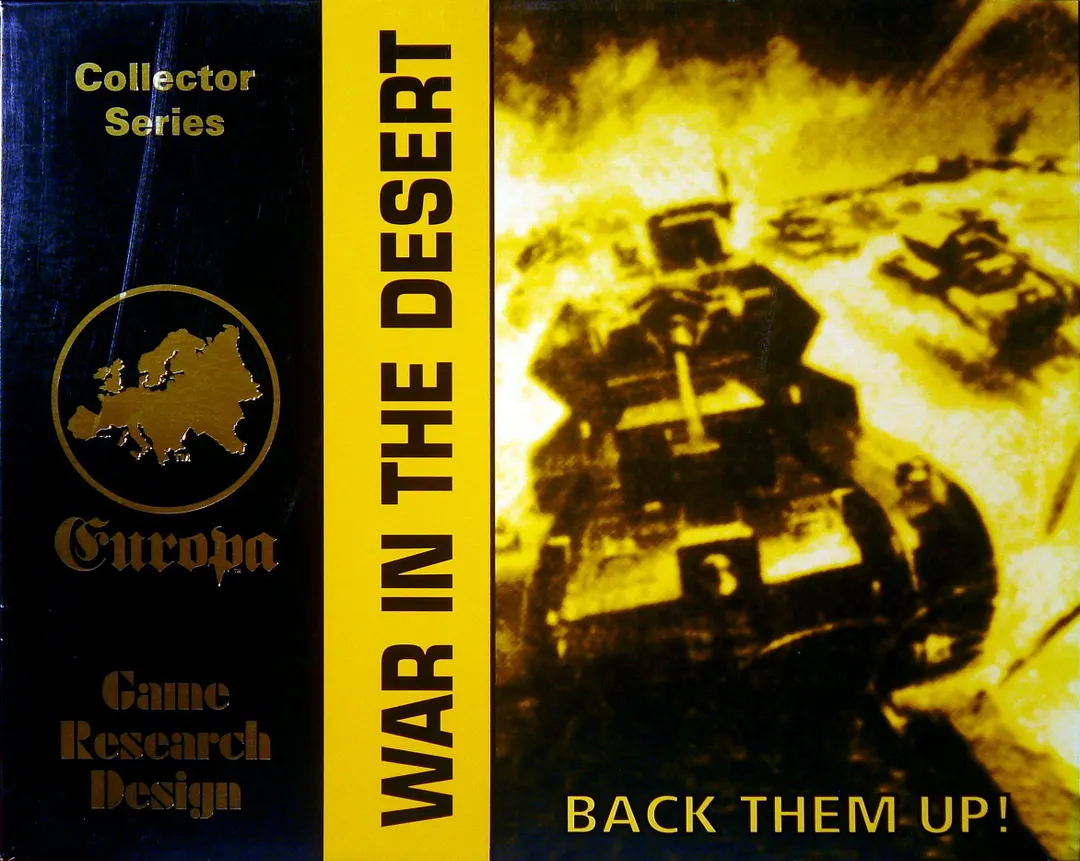
Torch is an The Europa Series covering the Allied invasion of Northwest Africa in November 1942 and the subsequent land campaign for control of Africa through May 1943. It is a two-player game, with one player controlling the American and British forces and the other the German and Italian forces. The maps display the harsh terrain of French North Africa, from the wooded coastal region to the mountainous inland region into the sand dune and wadi infested wastelands of the Sahara Desert. The maps cover North Africa from the Safi-Casablanca region to Tripoli in Libya; they include the Allied and Axis base areas in Gibraltar, Southern Sardinia, and Western Sicily. The counters represent the diverse forces engaged in North Africa: American, British, Free French, German, Indian, Italian, New Zealander, and Vichy French. Ground forces range in strength from armored divisions down to commando battalions. Air units represent groups of 40 to 50 aircraft; with both sides committing the best available aircraft, German Fw 190A's and Me 109G's fight for air superiority against British Spitfire IX's and American P-38G's. The rules are the Europa rules for desert warfare; they are the same as the rules to Western Desert, with additions for the special features of Operation Torch. The rules cover the important elements of operations in Africa: armor effects, antitank abilities, supply considerations, air power, and shipping troops and supplies. Special operations in the campaign are covered in detail: parachute drops, amphibious landings, and commando actions. Political rules cover the volatile situation in French North Africa: the Vichy French army's response in North Africa can range from full co-operation with the Allies to determined resistance to the invasion. Torch is playable by itself or in combination with the other Europa game on North Africa: Western Desert. In fact, the rules set, titled War in the Desert, provides the rules, charts, and orders of battle for the entire North African and Near Eastern theater of World War II. The rules link three Europa games - Western Desert, The Near East, and Torch - to show the struggle for this theatre from December 1940 through May 1943. A seperate rules set includes the instructions and orders of battle for playing Torch by itself. Game Components: 480 Die Cut Counters (Europa sheet #44, 45) Two 20" x 26" Maps (Europa maps ) One War in the Desert Rules and Chart Set One Operation Torch Rules and Chart Set
Torch supports 2 players according to the catalogue. This is the publisher’s listed player count, so the game is designed for exactly that number of participants. Variants for other group sizes, if any, are described in the rulebook of your edition, so check it before setting up a different configuration.
The listed playing time for Torch is 240–360 minutes. This is the publisher’s estimate for a full game. The actual duration depends on the group, the player count and familiarity with the rules: first sessions usually run longer, while experienced groups often finish faster. Setup and teaching time are not included in this estimate.
Torch has a complexity rating of 3.8 out of 5 from BoardGameGeek players, which makes it a heavy game. The rating reflects how much rules knowledge, planning and decision-making a typical game demands. Expect a longer first teach for heavier games, and use a preparation guide before game night.
Torch belongs to these categories: Wargame and World War II. Its main mechanics are Dice Rolling, Hexagon Grid, and Simulation. Categories describe the theme and setting of a game, while mechanics describe what players actually do on their turns. Each mechanic links to a catalogue hub with similar games, which helps when you want something comparable.
The credited designers of Torch are: John Astell. These credits come from the published game data and name the people responsible for the game’s design, not its illustrators or publishers. Designer pages on MeepleRules collect other titles by the same designers, which helps when you enjoy a game and want to find similar ones.
The catalogue lists Torch as a base game. It can be played on its own with the components in the box and does not require any other title. Expansions, if any exist, add new content or rules on top of it and are listed separately in the catalogue with a link back to this base game.