

- BGG rank
- BGG #1,729
- BGG rating
- 7.1
Salem 1692
- 4–12 players
- 25–35 min
- Complexity 2.0/5
- 2015
2017
Rules assistance for Tortuga 1667
Plain-language explanations of turns, card effects and disputed situations, with official source references and saved question history.
For 2 players
What would you like to know?
Answers come from the official rulebook, with the page to check.
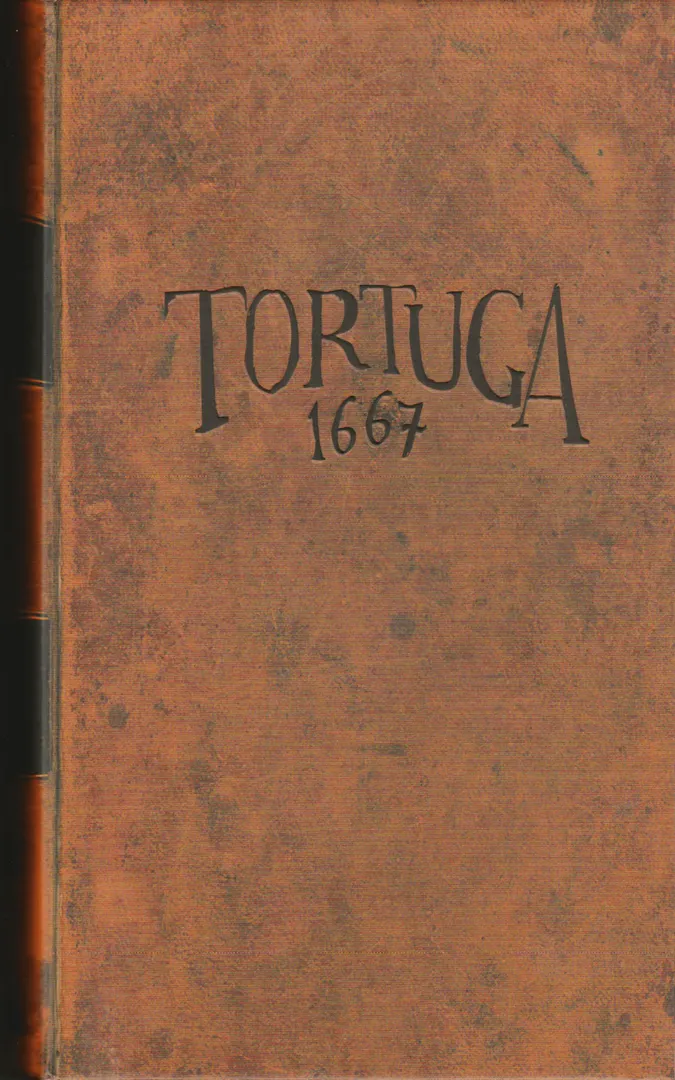
Tortuga 1667 is a board game released in 2017 for 2–9 players, 20–40 minutes per game, and ages 12 and up. It was designed by Travis Hancock and its main mechanics are Hand Management, Area Movement, and Team-Based Game.

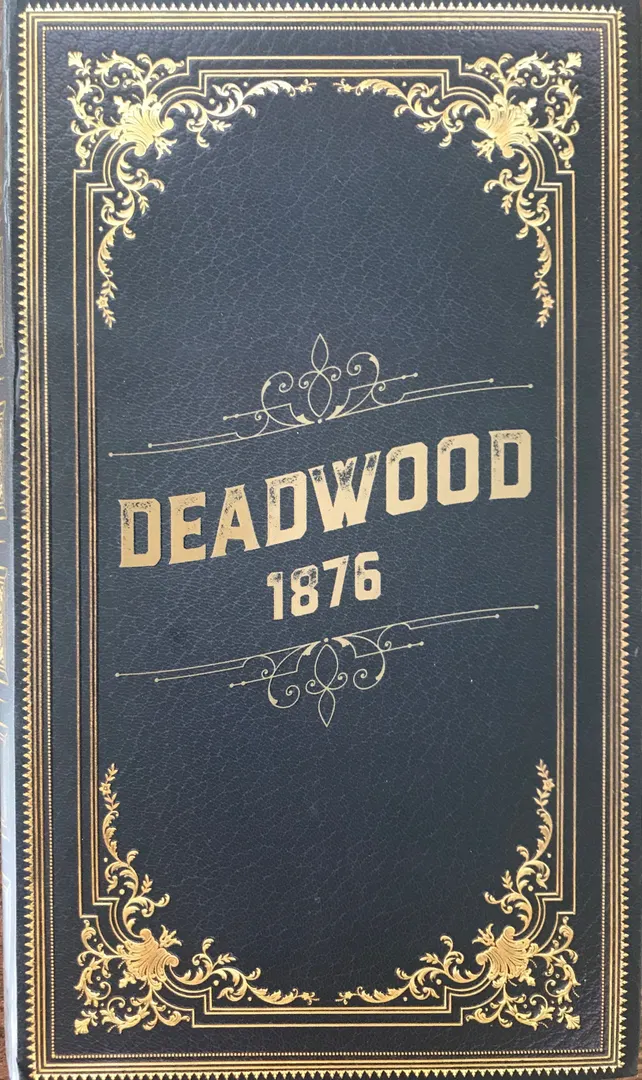


The year is 1667 and you are a pirate sailing the waters of the Caribbean. A Spanish Galleon floats nearby, and you’ve talked your crewmates into working together to steal all of its treasure. What you haven’t told your fellow pirates is that you have no intentions on sharing the treasure once you have it. Your crewmates have told you that they share your loyalty and that they’ll help you maroon the greedy pirates on your ship to the rocky island of Tortuga. But you’ve seen your friends’ loaded pistols and heard their whisperings of a mutiny. You know that nobody can be trusted. Tortuga is all about the interactions you have with the other players. In some cases, such as when you and your shipmates are attacking the Spanish Galleon, you need to rely on your enemies in order to succeed. In the very next turn, however, your shipmates might stab you in the back with a mutiny in order to keep all the treasure for themselves. Since nobody holds a "hand" of cards, this game is also about knowledge and communication regarding the community Event cards. Unless you are in desperation mode, it is not wise to reveal Event cards at random. Almost half of the Event cards can hurt your team drastically. It's often in your best interest to use an action to view the cards first, or to rely on the knowledge of a trusted ally. Knowing where harmful Event cards are located allows you to force an enemy to reveal those cards and suffer the consequences. The most successful players are the ones who are able to discern who is on their team and then share vital information with them at opportune moments. Vote cards also play a key role in the game. Each Vote card has three sections - one each for Attacks, Mutinies, and Brawls. Players must put themselves in the best position to use their Vote cards, since their hand of Vote cards may not always be ideal based on their pawn location. For example, sometimes it may be worth putting in Water, causing an attack to fail, in order to save a Crossbones card for when you want to Mutiny against your captain. For 2-9 Players. 20-40 minutes. Ages 12+. Volume 2 in the Dark Cities Series by Facade Games.
Tortuga 1667 supports 2–9 players according to the catalogue. This range comes from the publisher’s listed player count, so the game can be set up for any group size within it. Some setups, rules and scoring details may still vary by player count, so check your edition’s rulebook for the exact configuration.
The listed playing time for Tortuga 1667 is 20–40 minutes. This is the publisher’s estimate for a full game. The actual duration depends on the group, the player count and familiarity with the rules: first sessions usually run longer, while experienced groups often finish faster. Setup and teaching time are not included in this estimate.
The catalogue lists Tortuga 1667 for ages 12 and up. This is the publisher’s recommendation and reflects reading demands, rule complexity and small components rather than theme alone. Younger players can often join with help from an adult, so check the age guidance on your edition and consider your group’s experience with board games.
Tortuga 1667 has a complexity rating of 2.0 out of 5 from BoardGameGeek players, which makes it a medium-light game. The rating reflects how much rules knowledge, planning and decision-making a typical game demands. Expect a longer first teach for heavier games, and use a preparation guide before game night.
Tortuga 1667 belongs to these categories: Card Game, Party Game, and Pirates. Its main mechanics are Hand Management, Area Movement, and Team-Based Game. Categories describe the theme and setting of a game, while mechanics describe what players actually do on their turns. Each mechanic links to a catalogue hub with similar games, which helps when you want something comparable.
The credited designers of Tortuga 1667 are: Travis Hancock. These credits come from the published game data and name the people responsible for the game’s design, not its illustrators or publishers. Designer pages on MeepleRules collect other titles by the same designers, which helps when you enjoy a game and want to find similar ones.
The catalogue lists Tortuga 1667 as a base game. It can be played on its own with the components in the box and does not require any other title. Expansions, if any exist, add new content or rules on top of it and are listed separately in the catalogue with a link back to this base game.