

- Puesto en BGG
- BGG #9028
- Puntuación BGG
- 7,2
Great War at Sea: Jutland
- 2 jugadores
- 30–120 min
- Complejidad 3,1/5
- 2006
Ayuda con las reglas de Second World War at Sea: Spice Islands
Explicaciones claras de turnos, efectos de cartas y situaciones dudosas, con referencias a fuentes oficiales e historial de preguntas guardado.
¿Qué quieres saber?
Las respuestas salen del reglamento oficial, con la página para comprobarlo.
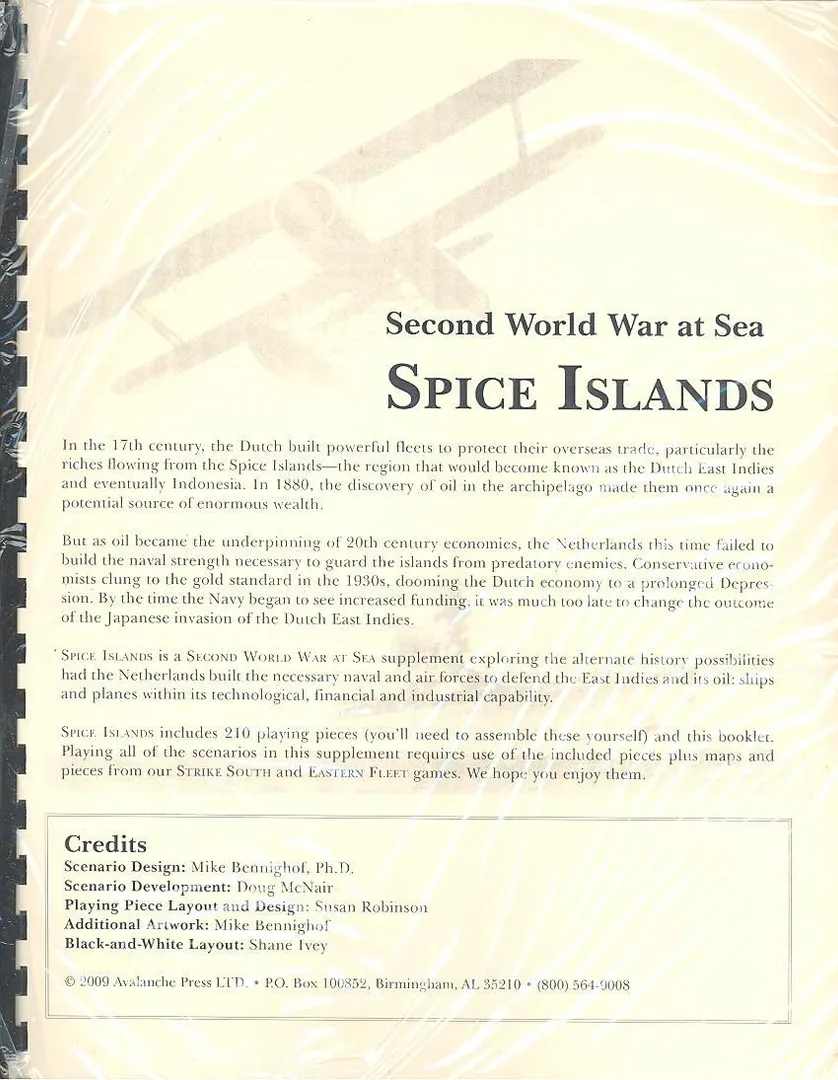
Second World War at Sea: Spice Islands es una expansión de Second World War at Sea: Eastern Fleet publicada en 2009 para 1–2 jugadores, con partidas de 30 minutos y a partir de 12 años. Fue diseñado por Michael Bennighof y Doug McNair.



En inglés
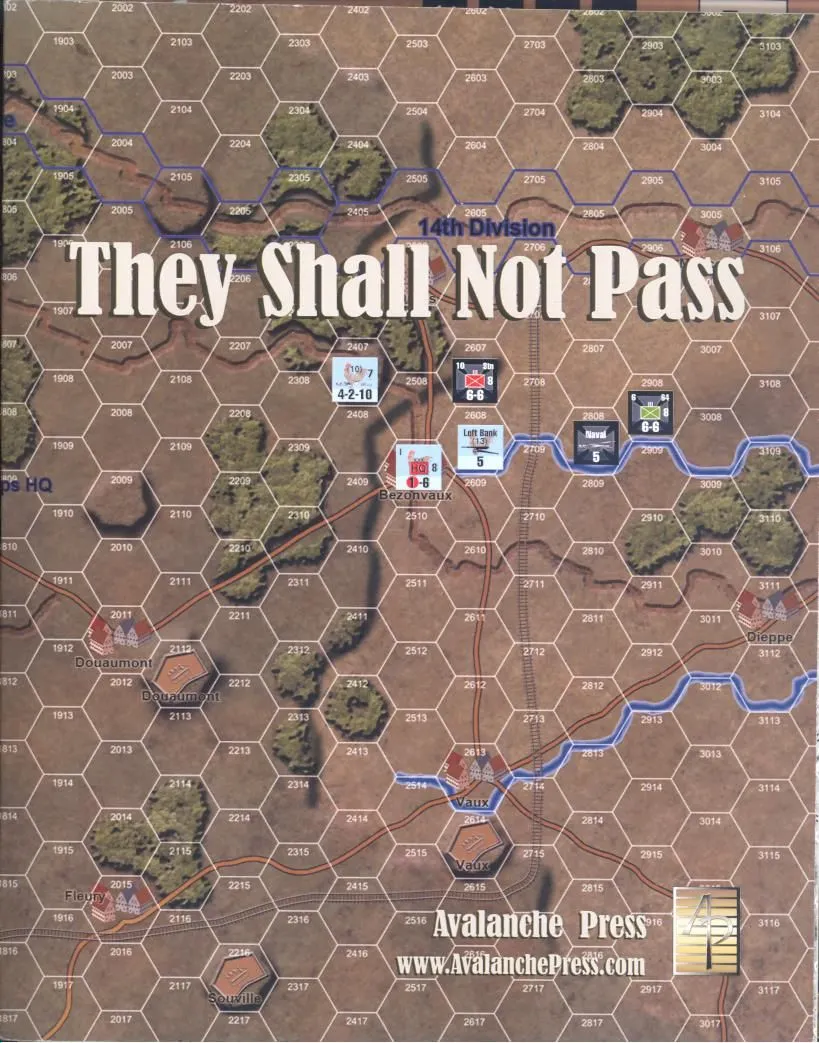
From the Avalanche Press website: In the 17th century, the Dutch built powerful fleets to protect their overseas trade, particularly the riches flowing from the Spice Islands — the region that would become known as the Dutch East Indies and eventually Indonesia. In 1880, the discovery of oil in the archipelago made them once again a potential source of enormous wealth. But as oil became the underpinning of 20th century economies, the Netherlands this time failed to build the naval strength necessary to guard the islands from predatory enemies. Conservative economists clung to the gold standard in the 1930s, dooming the Dutch economy to a prolonged Depression. By the time the Navy began to see increased funding, it was much too late to change the outcome of the Japanese invasion of the Dutch East Indies. In the 1930s, Dutch shipyards stood at the leading edge of naval technology: Dutch submarines first deployed the schnorkel breathing device, for example, and Dutch warships boasted the sophisticated Hazemeyer fire control system that would be enthusiastically copied by the Royal Navy and others. The Netherlands had the means to create a large and modern fleet, and the oil wealth of Borneo and Sumatra provided the motive. But by seeing deficits as a more lethal enemy than the Axis, the government doomed both the home country and the colonies to defeat and occupation. Spice Islands is a Second World War at Sea supplement exploring the alternate history possibilities had the Netherlands built the necessary naval and air forces to defend the East Indies and its oil: ships and planes within its financial and industrial capability. The supplement includes ten scenarios, or separate game situations, based on battles that might have been waged by the Royal Netherlands Navy against the Japanese. The pieces represent modernized versions of the dreadnought battleships planned but not completed, and some of those planned or discussed but never built. This module is not playable by itself, but requires ownership of Strike South to play most of the scenarios and Midway to enjoy all of them." Spice Islands was originally sold exclusively via pdf download. Starting in 2011, it was made available as a printed and spiral-bound booklet with die-cut counters. There are 210 counters, 70 long "ship" units, and 140 smaller ship, aircraft and fleet / base units.
Según el catálogo, Second World War at Sea: Spice Islands admite de 1 a 2 jugadores. Este intervalo corresponde al número de jugadores indicado por la editorial, así que el juego puede prepararse para cualquier grupo dentro de ese margen. La preparación, algunas reglas y la puntuación pueden variar según el número de jugadores; consulta la configuración exacta en el reglamento de tu edición.
La duración indicada para Second World War at Sea: Spice Islands es de 30 minutos, la estimación de la editorial para una partida completa. El tiempo real depende del grupo, del número de jugadores y del conocimiento de las reglas: las primeras partidas suelen alargarse y los grupos con experiencia terminan antes. La preparación y la explicación de las reglas no están incluidas.
El catálogo indica Second World War at Sea: Spice Islands a partir de 12 años. Es la recomendación de la editorial y refleja la lectura necesaria, la complejidad de las reglas y las piezas pequeñas, no solo el tema. Los más pequeños a menudo pueden jugar con ayuda de un adulto: comprueba la edad recomendada en tu edición y la experiencia de tu grupo.
Second World War at Sea: Spice Islands tiene una puntuación de complejidad de 3,0 sobre 5 según los jugadores de BoardGameGeek, lo que lo convierte en un juego de complejidad media. La puntuación refleja cuánto conocimiento de reglas, planificación y toma de decisiones exige una partida típica. Los juegos exigentes requieren una explicación inicial más larga, así que conviene usar una guía de preparación.
Second World War at Sea: Spice Islands pertenece a estas categorías: Wargame, Nautical y World War II. Las categorías describen el tema, la ambientación y el estilo de un juego, no sus reglas. Filtra el catálogo por la misma categoría para encontrar juegos similares si te gustó Second World War at Sea: Spice Islands y buscas algo parecido para tu próxima noche de juegos.
Los autores acreditados de Second World War at Sea: Spice Islands son: Michael Bennighof y Doug McNair. Estos créditos proceden de los datos publicados del juego y nombran a las personas responsables de su diseño, no a ilustradores ni editoriales. Las páginas de autor de MeepleRules reúnen otros títulos de los mismos autores, algo útil cuando un juego te gusta y buscas otros parecidos.
El catálogo clasifica Second World War at Sea: Spice Islands como expansión de Second World War at Sea: Eastern Fleet. Las expansiones añaden contenido, reglas o escenarios al juego base y normalmente no se pueden jugar solas, así que necesitas Second World War at Sea: Eastern Fleet para usarla. Comprueba que tu edición de Second World War at Sea: Eastern Fleet sea compatible, porque algunas expansiones se revisaron entre ediciones.